

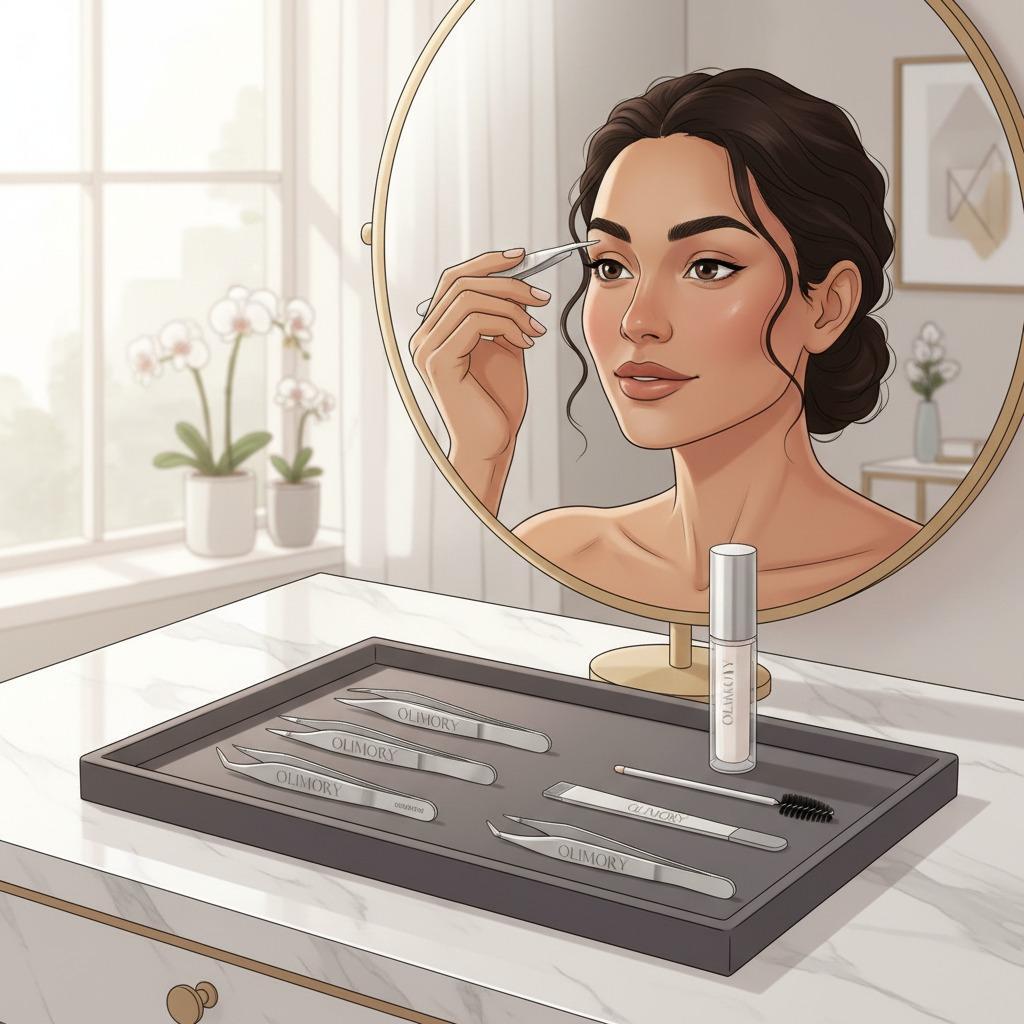
Tweezer Comparison: How to Choose the Right Brow Grooming Tool
A good tweezer looks simple, but the difference between a frustrating tool and a precise one is easy to feel. The tips either meet cleanly or they do not. The handle either gives steady control or slips. The steel either resists corrosion through regular cleaning or becomes dull and unreliable. For eyebrow grooming, facial hair removal, salon retail, and travel kits, choosing the correct tweezer style matters as much as choosing the right cosmetic brush or eyelash tool.
This guide compares the main tweezer tip types used for grooming: slanted, pointed, and flat. It also explains what to check in stainless steel construction, grip design, alignment, care, and sourcing. If you are building a personal grooming kit or reviewing beauty tool products for resale, the goal is the same: select a tweezer that removes hair cleanly without unnecessary pulling, slipping, or skin irritation.
Why Tip Shape Is the First Comparison Point
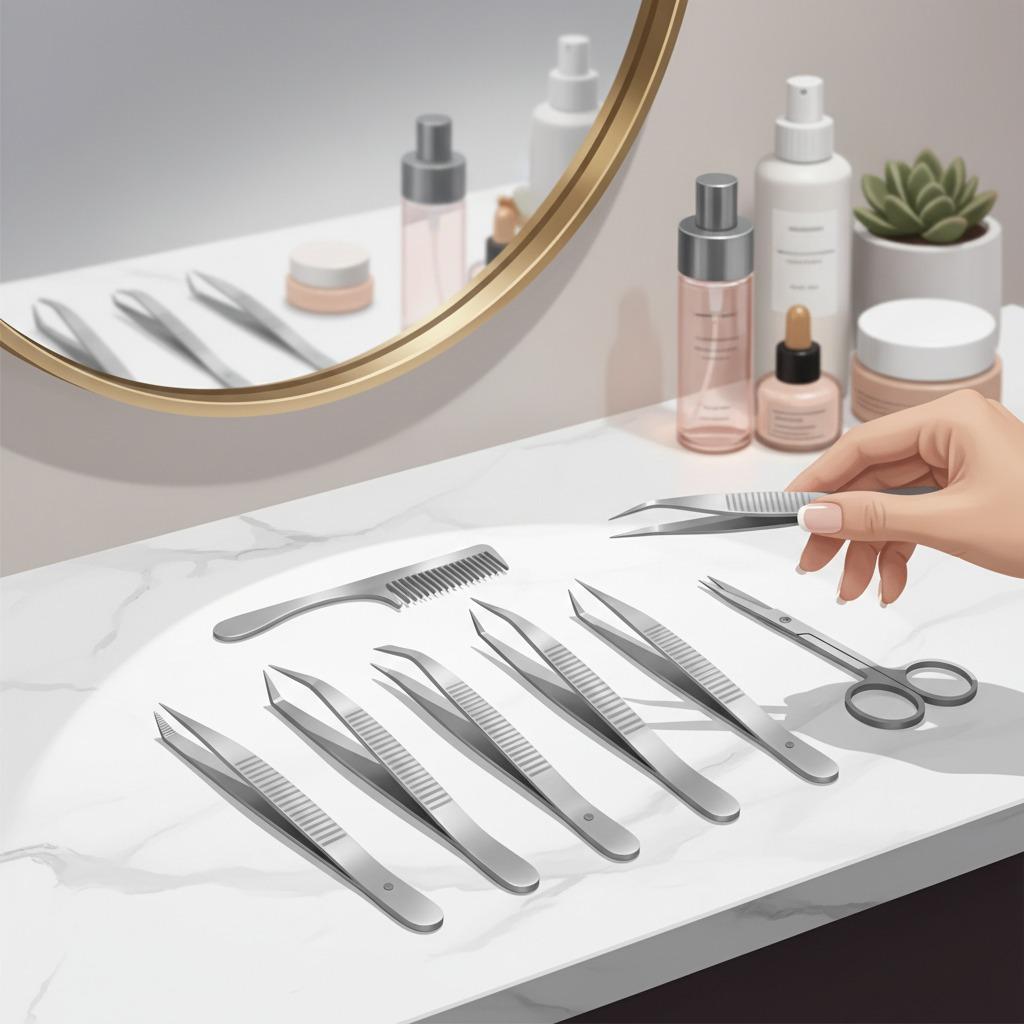
The tip is the working end of a tweezer, so it should be the first feature you compare. Even a comfortable handle cannot compensate for poorly aligned tips. A tweezer should close evenly from both sides, hold a fine hair without cutting it, and release smoothly when pressure is relaxed. For brow grooming, tip shape affects both accuracy and speed.
Slanted tweezers are often the most versatile option. The angled edge gives a broader contact area than a pointed tip, while the narrow end can still reach individual hairs around the brow line. They are useful for general shaping, removing stray hairs below the arch, and maintaining brows between appointments.
Pointed tweezers are made for detailed work. Their fine tips can isolate short, fine, or difficult hairs that a slanted edge may miss. They are also commonly chosen for precision tasks where visibility and control matter. Because the point is narrow, users should work slowly and avoid pressing into the skin.
Flat tweezers have a straight edge that can grip a wider area. They are useful for coarser hairs and some thicker brow sections, although they are usually less precise for sculpting a clean arch. For buyers comparing assortments, a flat tip can complement slanted and pointed options rather than replace them.
Slanted, Pointed, and Flat Tweezers Compared
The best tweezer is not always the sharpest-looking one. It is the tool that matches the job. The table below gives a practical comparison for buyers choosing between common eyebrow tweezer styles.
| Tip type | Best use | Strength | What to check before buying |
|---|---|---|---|
| Slanted | General eyebrow shaping and stray hair removal | Good balance of speed and precision | Edges should meet evenly from corner to corner without gaps |
| Pointed | Fine, short, or hard-to-reach hairs | High accuracy for detailed grooming | Tips should be symmetrical and not bent, blunt, or misaligned |
| Flat | Thicker brow hairs and broader gripping | Strong contact across a straight edge | Flat ends should close flush without twisting to one side |
For home users, one slanted tweezer may be enough for routine brow maintenance. For makeup artists, salon teams, or retailers, offering multiple tip types can make the kit more useful because customers have different hair textures and grooming habits. Olimor Beauty supplies stainless steel eyebrow tweezers in these practical tip formats so buyers can match tool selection to real use cases rather than choosing by appearance alone.
Material and Finish: Why Stainless Steel Is Preferred
Stainless steel is widely used for grooming tools because it offers durability, a clean appearance, and resistance to corrosion when cared for properly. In eyebrow tweezers, the material must support fine tip alignment while withstanding repeated cleaning. A tweezer that bends too easily or corrodes after contact with moisture will not stay reliable in regular use.
When comparing stainless steel tweezers, look beyond the phrase “stainless steel” and examine the finished tool. The two arms should feel firm but not stiff. The tips should not feel rough against the skin. Edges should be cleanly finished, especially on pointed and slanted designs. If the tweezer has a textured handle, the texture should improve control without creating uncomfortable sharp spots.
Corrosion resistance is also tied to care. Even stainless steel tools should be dried after cleaning and stored away from damp countertops. For salon or retail programs, packaging should help protect the tips during shipping and display. A protective cap or secure packaging can reduce the risk of bent tips before the tool ever reaches the user.
Grip, Tension, and Control During Brow Shaping
Precision is not only about tip geometry. A tweezer also has to feel stable in the hand. Textured handles can help users maintain a firm, non-slip grip, especially when working under bright lights, after applying skincare, or during longer grooming sessions. If the handle surface is too smooth, the user may squeeze harder than necessary, which can cause hand fatigue and less accurate plucking.
Tension is another important comparison point. If the arms are too loose, the tips may not hold fine hairs securely. If they are too tight, the tweezer may feel tiring and difficult to control. A well-made tweezer should close with moderate pressure and spring back predictably. This matters for beginners, who may not yet have a steady technique, and for professionals, who repeat the same motion many times in a day.
- Check alignment: Close the tweezer and confirm that both tips meet cleanly with no visible gap.
- Test grip feel: The handle should not slide when held lightly between the fingers.
- Look for smooth finishing: Edges should be clean, without rough burrs near the gripping area.
- Match tip to task: Choose slanted for routine shaping, pointed for detail, and flat for stronger straight-edge grip.
- Protect the tips: Store tweezers so the ends are not bent by contact with other metal tools.
How to Use Tweezers for Cleaner, More Comfortable Results
Even a high-quality tweezer performs best with the right technique. Start with clean skin and good lighting. Brush brow hairs into place so you can see which hairs sit outside the desired shape. Remove one hair at a time and step back regularly to check symmetry. Over-plucking often happens when the user focuses too closely on one small area for too long.
Hold the skin gently taut and pull in the direction of hair growth. This can reduce discomfort and help the hair come out more cleanly. Avoid digging at hairs that are not ready to grip; pointed tweezers can reach very fine hairs, but the tool should still contact the hair rather than the skin. For sensitive users, grooming after a warm shower may soften the area and make removal easier.
For brow shaping, it is safer to remove gradually from below the brow and between the brows rather than aggressively thinning the top line. If the tweezer slips repeatedly, stop and clean the tips. Skincare residue, oil, or makeup can reduce gripping power. A quick wipe and complete drying can restore better contact.
Cleaning, Storage, and Replacement Signs
Routine maintenance extends the useful life of grooming tools. After use, remove visible residue from the tips. If you clean the tool with alcohol or another suitable cleaning method used in your setting, dry it fully afterward. Do not leave tweezers soaking in liquid, and do not store them loose in a crowded makeup bag where the tips can be damaged.
Replace or set aside a tweezer when the tips no longer meet evenly, when the arms twist during closing, or when the tool starts cutting hair instead of gripping it. A tweezer that requires repeated attempts on the same hair may slow the grooming process and irritate the skin. For retail buyers and salon purchasers, checking samples for consistent alignment is a practical step before placing a broader order.
Buyer Checklist for Sourcing Eyebrow Tweezers
If you are comparing tweezers for a product line, salon program, promotional kit, or beauty accessories assortment, selection should be based on repeatable quality rather than one attractive sample. Olimor Beauty focuses on beauty tool manufacturing and quality control from raw materials to packaging, which is especially important for small precision tools where tiny defects affect performance.
- Define the use case: Decide whether the tweezer is for daily home grooming, professional brow work, travel kits, or retail sets.
- Select tip types: Build the assortment around slanted, pointed, and flat tips only when each style serves a clear customer need.
- Review handle design: Textured handles can improve control, but the finish should remain comfortable.
- Inspect consistency: Compare multiple pieces for tip alignment, surface finish, and closing tension.
- Consider packaging protection: Tips should be protected during transport, storage, and display.
- Plan care instructions: Simple cleaning and storage guidance can reduce complaints and improve user satisfaction.
For related grooming tools and assortment planning, browse Olimor product collections. If you need to compare tweezer options for a specific market, packaging concept, or purchasing brief, you can send an inquiry with your requirements. A clear request that includes tip type, intended user, packaging preference, and target sales channel will make product selection more efficient.
The Practical Choice: Match the Tweezer to the Grooming Task
A useful tweezer comparison does not end with one universal winner. Slanted tweezers are the dependable everyday choice for eyebrow shaping. Pointed tweezers offer the accuracy needed for fine and short hairs. Flat tweezers provide a stronger straight-edge grip for thicker hairs and broader removal. Stainless steel construction, textured handles, even tip alignment, and proper care all influence how well the tool performs over time.
Whether you are buying one tool for personal grooming or reviewing a full accessory assortment, focus on the details that users feel immediately: clean grip, controlled tension, comfortable handling, and protected tips. That is where a simple beauty tool becomes dependable in daily use.
Tag: