

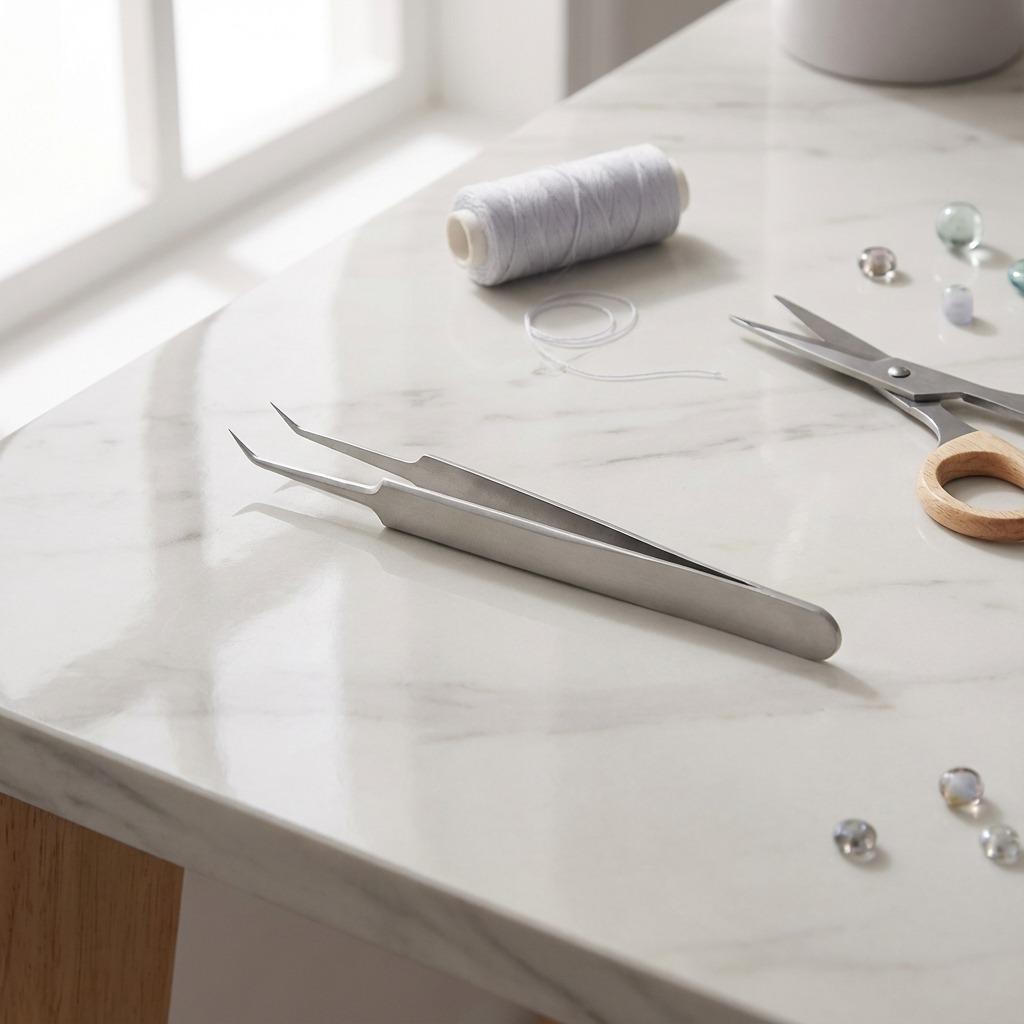
How to Choose a Tweezers Supplier for Precision OEM Beauty Tools
Choosing a tweezers supplier is not only a price comparison. For beauty brands, salon distributors, lash professionals and private-label buyers, tweezers are small tools with very visible performance demands. A poor closing gap, uneven tip, rough edge or uncomfortable grip can turn a simple grooming or lash application task into a frustrating experience. The right supplier helps you balance precision, durability, repeatable quality and customization without adding unnecessary complexity to your sourcing process.
Olimor Beauty focuses on beauty tools for professional and everyday use, including OEM solutions for buyers who need tweezers suited to their own brand positioning. Whether you are comparing ready-made options or planning to design your own tweezers, the most important decisions usually come down to tip geometry, material choice, finishing, inspection standards and packaging requirements.
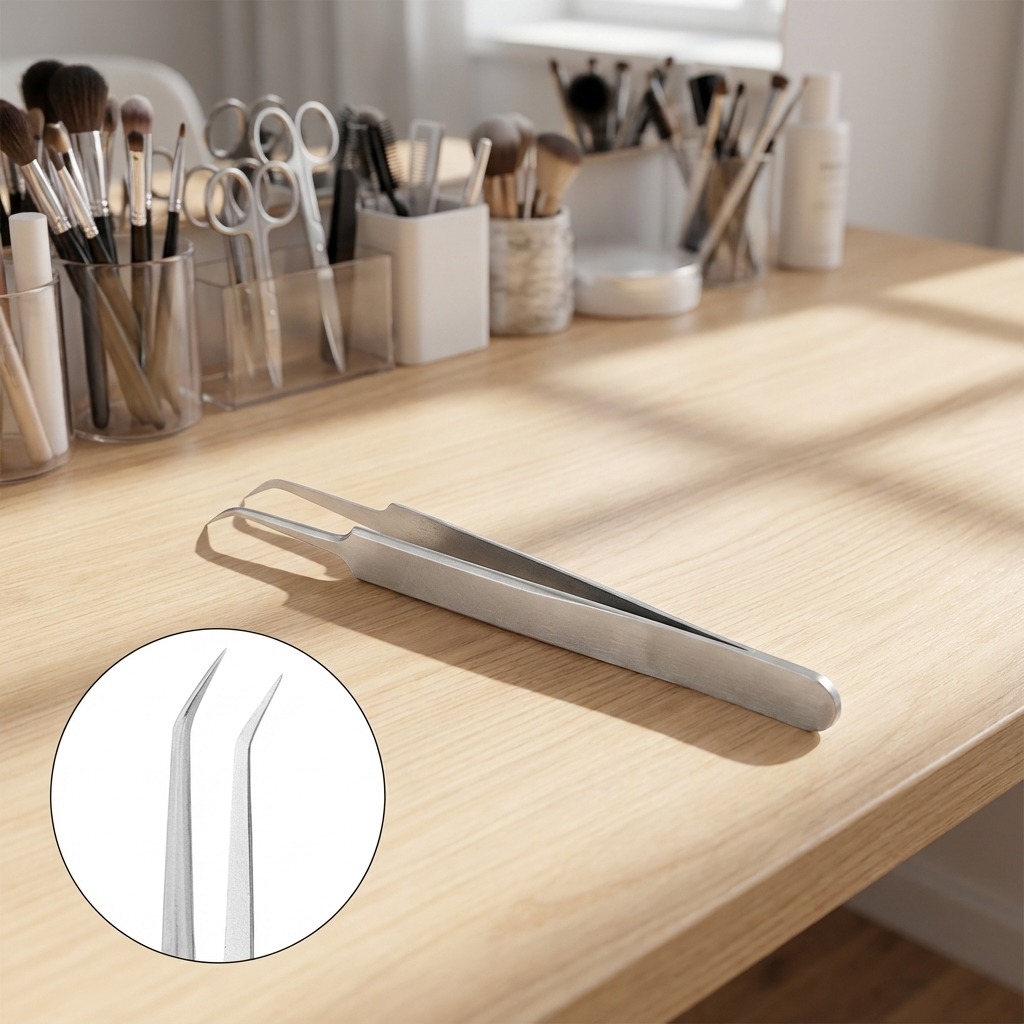
What Makes a Tweezers Supplier Suitable for Beauty Tool Buyers?
A capable tweezers supplier should understand that beauty tools must perform consistently in detailed hand work. Brow shaping, facial hair removal, lash extension placement, nail art positioning and salon preparation all require controlled contact between the tips. Even when the overall tool looks simple, the buyer should evaluate several practical areas before committing to a production run.
- Tip alignment: The two tips should meet cleanly without crossing, twisting or leaving a visible gap at the contact point.
- Edge comfort: The outer edges should feel smooth enough for regular handling, with no sharp burrs that can irritate the user.
- Spring tension: Resistance should be firm enough for control but not so stiff that it causes fatigue during repeated use.
- Surface finish: Polished, matte or coated finishes should be consistent across the tool and appropriate for the target retail style.
- Repeatability: Samples should not be treated as one-off showpieces; the supplier should be able to maintain the same feel and alignment across batches.
For brands reviewing beauty tool products, the best starting point is to define the use case first. A tweezer for retail brow grooming may need a different grip feel and tip style than a tweezer intended for professional lash work. Once the use case is clear, technical and cosmetic decisions become easier to compare.
Choosing the Right Tip Shape for the Intended Task
The tip is the working heart of the tweezer. Small changes in shape affect grip, visibility and control. A sourcing team should avoid choosing a tip style only because it looks familiar. Instead, connect each option to the actual task your customer performs most often.
| Tip style | Typical beauty use | Buyer considerations |
|---|---|---|
| Slanted tip | Brow shaping and general facial hair removal | Check that the slant angle supports both broad gripping and precise single-hair removal. |
| Pointed tip | Detailed work, fine hair selection and precision placement | Review sharpness, protective packaging and user safety instructions carefully. |
| Flat tip | Holding small beauty accessories or applying pressure evenly | Confirm the entire flat contact area closes evenly, not just the outer corners. |
| Angled or specialty tip | Lash application, nail art or niche salon tasks | Validate the shape with real users before finalizing production for a professional market. |
If you plan to sell to several customer groups, it can be useful to build a small assortment rather than force one tweezer to do every job. For example, a slanted tweezer may serve everyday grooming buyers, while a finer specialty tool may appeal to lash or nail professionals. Reviewing product collections can also help buyers think about how tweezers fit alongside scissors, applicators, grooming tools and other accessories.
Material and Finish Decisions That Affect Everyday Performance
The original material choice matters because tweezers are repeatedly handled, cleaned, stored in pouches and used in close contact with the skin. Olimor Beauty works with stainless steel construction for tweezers, a practical choice for beauty tools because it supports strength, a clean appearance and resistance to rust when properly maintained. However, buyers should still evaluate the grade, finish and treatment that best match their positioning and care instructions.
A polished finish can look clean and classic, while a matte or satin surface may reduce visible fingerprints. Colored finishes can support brand identity, but they should be reviewed for consistency, edge coverage and durability expectations. If a coating is used, pay attention to areas near the tip and inner arms, where uneven finishing may affect the closing feel.
For OEM projects, it is also important to decide how the tweezer will be presented: minimal professional packaging, retail blister card, pouch, box or set packaging. Packaging is not only decoration. It protects pointed tips in transit, communicates care instructions and influences how the product is perceived at the point of sale.
How Tweezers OEM Customization Should Be Planned
Tweezers OEM work is most successful when the buyer separates functional customization from visual branding. Both matter, but they answer different questions. Functional customization determines how the tool performs in the hand. Visual branding determines how it fits your product line and retail identity.
- Define the user: Decide whether the tweezer is for home brow care, salon professionals, lash artists, travel kits or gift sets.
- Select the tip form: Match slanted, pointed, flat or specialty tips to the task instead of choosing only by appearance.
- Set grip and tension preferences: Review sample feel during repeated opening and closing, not just a single test.
- Choose finish and branding position: Consider logo visibility, printing or marking area, color direction and packaging style.
- Confirm inspection points: Include tip alignment, surface finish, burr checks, closing gap and packaging protection in your quality review.
If you want to design your own tweezers, prepare a concise brief before starting development. Include target customer, desired retail level, intended use, preferred finish, packaging format and any reference dimensions you already use. A clear brief reduces back-and-forth and helps the supplier guide you toward options that are realistic for production.
Quality Control Checks Before Approving a Tweezer Order
Because tweezers depend on fine contact points, small defects can have a large effect on user satisfaction. A quality review should include both visual and functional checks. Do not rely only on the fact that the tool looks attractive in a product photo.
When reviewing samples, test the tips against fine hair, thread or a similar small object to see whether they grip cleanly. Open and close the tweezer repeatedly to judge fatigue. Check whether the arms are symmetrical and whether the tips remain aligned after normal handling. Run a finger carefully along non-working edges to feel for burrs or rough finishing. Inspect the logo and packaging for consistency if you are ordering OEM branding.
For professional beauty buyers, it is also helpful to involve end users in sample testing. A lash artist, brow technician or salon worker may notice issues that a purchasing team overlooks, such as poor visibility at the tip, uncomfortable tension or a shape that blocks the working angle. Their feedback can prevent expensive changes later.
Maintenance Guidance to Include With Your Tweezers
Even a well-made tweezer needs proper care. Clear maintenance instructions reduce avoidable complaints and help customers get longer service from the tool. Beauty brands should include simple care information on packaging inserts, retail pages or product manuals.
- Clean the tweezer after use according to the hygiene standards appropriate for the setting.
- Dry the tool before storage, especially around the inner arms and tip area.
- Store pointed or fine-tip tweezers with a protective cap or in a case to prevent tip damage.
- Avoid dropping tweezers on hard surfaces, as tip alignment can be affected by impact.
- Do not use beauty tweezers as general-purpose pliers, prying tools or craft cutters unless they were selected for that use.
These instructions may sound basic, but they are useful for both retail customers and professional users. Many performance problems come from damaged tips or improper storage rather than from the original manufacturing process.
When to Work With an OEM Tweezers Supplier
OEM sourcing is a strong fit when you need a tweezer that supports your own brand, packaging and customer segment. It is especially relevant for beauty distributors building a private-label line, salons creating professional kits, ecommerce brands adding grooming tools or companies that want a consistent accessory to pair with existing beauty products.
Before starting, decide which items are fixed and which are flexible. You may require a specific logo placement but be open to several finishes. Or you may need a certain tip style but still be testing packaging options. Sharing priorities early makes the development process more efficient.
Olimor Beauty can support buyers evaluating tweezers for OEM and customization projects without requiring the buyer to guess every technical detail at the beginning. If you are comparing options, preparing a private-label beauty tool line or need guidance on sample evaluation, you can contact Olimor or send an inquiry with your intended use, target market and branding requirements.
A Better Sourcing Decision Starts With the Use Case
The best tweezers supplier is not simply the one with the most styles or the lowest quotation. It is the supplier that can help you connect user needs with reliable construction, suitable materials, precise tips, consistent finishing and practical OEM choices. For beauty tool buyers, this means looking closely at how the tweezer feels in the hand, how cleanly the tips meet, how well the finish supports the brand and how clearly the final product communicates care and safe use.
By treating tweezers as precision beauty tools rather than basic accessories, brands can reduce complaints, strengthen customer trust and create a product line that feels coherent from the first sample to the final packaged order.
Tag: