

How B2B Buyers Can Choose the Right Tweezers Exporter
For beauty brands, distributors, salons, spa suppliers and e-commerce sellers, tweezers are small products with a large impact on customer trust. A pair of tweezers may be used for eyebrow shaping, facial hair removal, lash application support, grooming kits or professional retail sets. If the tip does not close evenly, if the finish feels rough, or if the tool loses grip quickly, customers notice immediately. That is why comparing top tweezers exporters should go beyond price lists and basic catalog images.
A good B2B beauty supply partner helps buyers evaluate design, material, finishing, packaging, consistency and after-sales communication before a purchase order is placed. Olimor Beauty works with business buyers looking for professional grooming tools and tweezers ODM support, including product development paths for brands that want a more distinctive offer. The goal is not simply to source a metal tool, but to build a dependable product that matches the expectations of the buyer’s market.
Why Tweezers Quality Matters in B2B Beauty Supply
Tweezers are often judged by touch and performance within seconds. A consumer or beauty professional tests how the arms flex, whether the tips meet cleanly, and whether the edge grips fine hairs without cutting them. In wholesale and private-label channels, this creates a direct link between factory control and brand reputation.
For B2B buyers, quality matters in several practical ways. Consistent tip alignment reduces customer complaints. Durable stainless steel construction supports hygiene and repeat use. A clean surface finish improves the perceived value of the product, especially when sold in beauty kits or retail packaging. Ergonomic design can also influence repeat purchase because users prefer tools that feel stable in the hand.
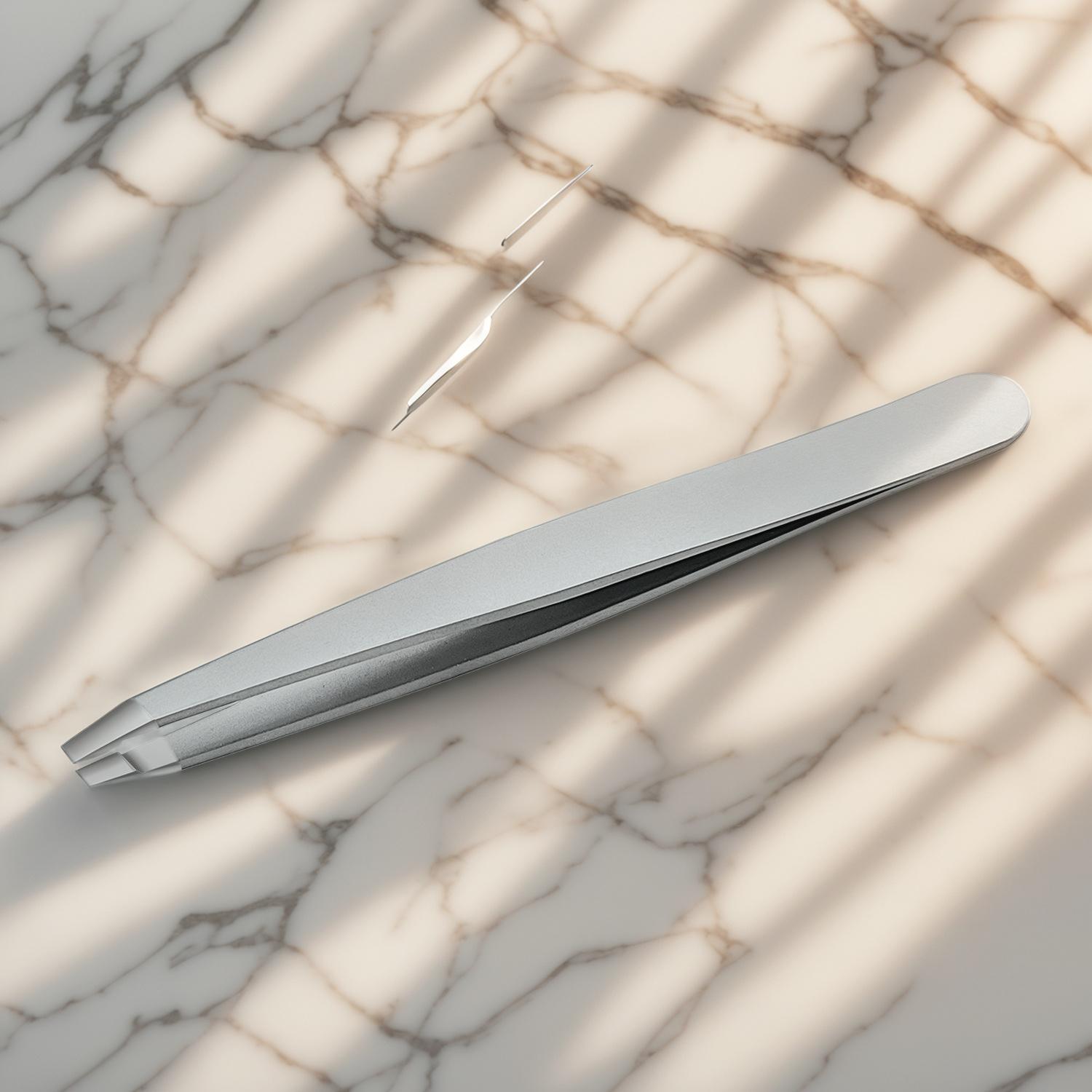
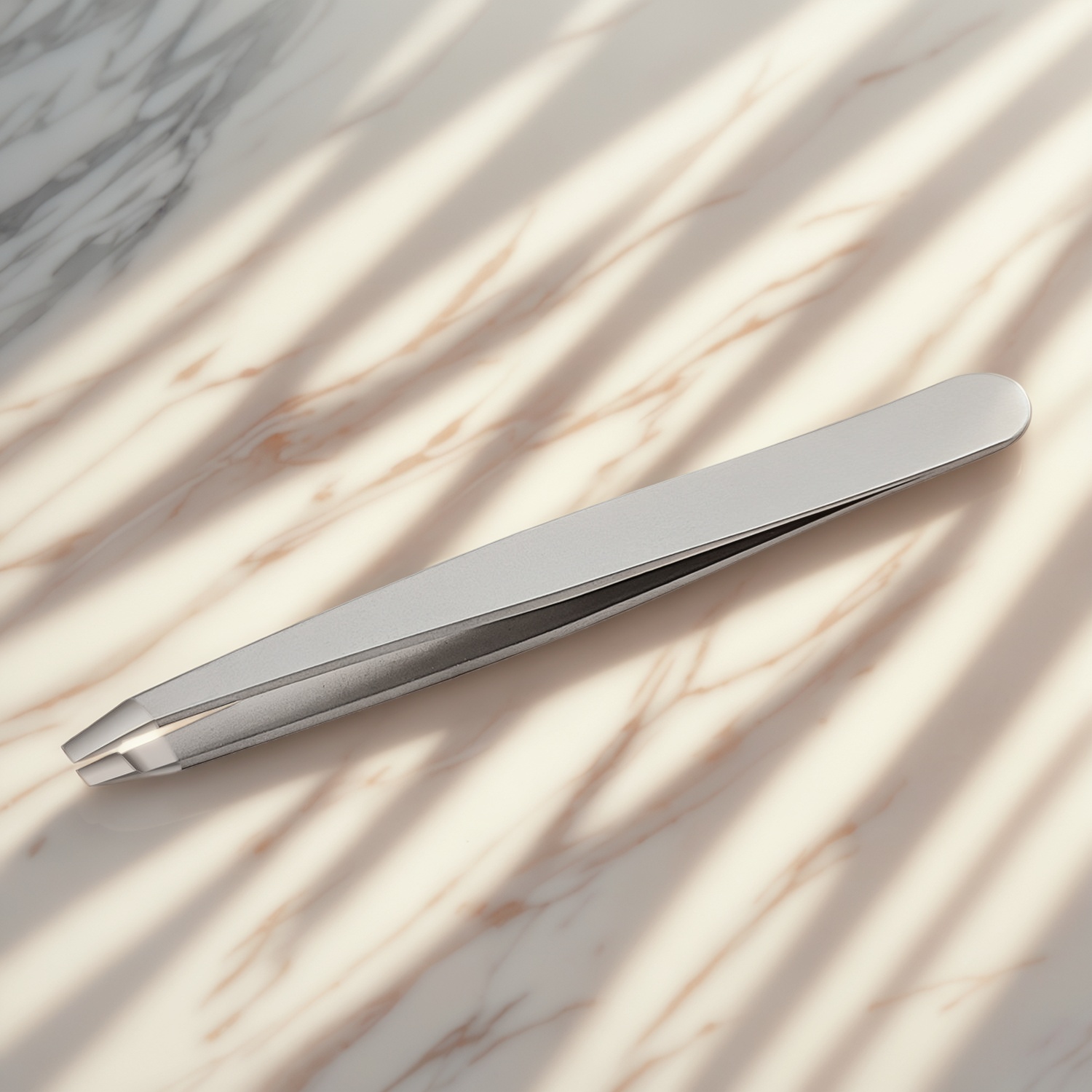
The original product information highlights PrecisionPro Stainless Steel Tweezers as an example of Olimor Beauty’s approach. They are described as crafted from surgical-grade stainless steel, with an ergonomic curved design and an expertly slanted tip for precision. When considering any tweezers program, buyers should translate these kinds of product details into measurable inspection points: tip contact, grip strength, edge smoothness, arm symmetry, finish quality and packaging protection.
Selection Criteria for Comparing Tweezers Exporters
Many suppliers can present a product photo, but a reliable exporter should help buyers understand how the tool will perform across repeated production. When reviewing potential partners, consider the full supply relationship, not only the sample in front of you.
- Product focus: A supplier with experience in beauty tools is more likely to understand grooming use cases, retail presentation and buyer expectations.
- Tip precision: Slanted, pointed or flat tips require different finishing controls. Ask how alignment and closing contact are checked during production.
- Material choice: Stainless steel is common for tweezers because it supports durability and hygiene. Confirm the stated material and make sure it suits your market positioning.
- Surface finish: Polished, matte or coated finishes affect both appearance and grip. The finish should be even, smooth and free of burrs.
- ODM capability: If your brand needs a unique shape, packaging format or appearance, evaluate whether the supplier can support development rather than only sell stock goods.
- Packaging support: Retail-ready tweezers may need sleeves, cards, boxes or kit packaging. Packaging should protect the tips during transport.
- Communication process: Clear sampling, approval and production communication helps reduce misunderstandings before bulk orders.
Buyers browsing Olimor’s wider beauty tool products can use the same criteria across categories. The best sourcing decisions usually come from comparing not only unit cost, but also how well the supplier understands the intended sales channel.
Understanding Tweezers ODM for Private-Label Brands
Tweezers ODM, or Original Design Manufacturer support, is useful when a brand wants more control over the final product than a standard catalog item provides. ODM can include adjustments to shape, finish, packaging, product presentation and other brand-facing details. For a beauty brand, this can help create a product that feels consistent with the rest of its grooming line.
A thoughtful ODM project starts with the user. A professional brow tool may prioritize firm tension and a sharp slanted edge. A consumer grooming kit may need a balanced, comfortable design that is easy for beginners to use. A travel set may require compact packaging and strong tip protection. The more clearly the buyer defines the target user, the easier it is to evaluate design decisions.
Useful questions for an ODM tweezers project include:
- What grooming task will the tweezers be used for most often?
- Should the tip be slanted, pointed, flat or another shape?
- What hand feel is preferred: firmer tension or a softer squeeze?
- Will the tweezers be sold alone, in a brow kit, or as part of a larger beauty set?
- What packaging is needed for retail display, online shipping or salon distribution?
- Which visual details are important for the brand, such as finish, color direction or logo placement?
Olimor Beauty’s ODM positioning is especially relevant for business buyers who want a product that reflects their brand identity while relying on manufacturing experience. For broader planning, buyers can also review related product collections to consider how tweezers may fit into a coordinated beauty tool range.
Inspection Points Before Approving a Tweezers Order
Sample approval should be more detailed than checking whether the product looks attractive. Tweezers are functional tools, so performance checks are essential. Buyers can create a simple approval checklist and use it consistently for pre-production samples, shipment samples and future reorder comparisons.
| Inspection area | What to check | Why it matters |
|---|---|---|
| Tip alignment | Tips meet evenly without visible gaps | Improves grip on fine hairs and supports user satisfaction |
| Tip edge | Edges are clean, smooth and not overly sharp on the skin-facing side | Reduces discomfort and improves control |
| Arm tension | Arms open and close smoothly with consistent resistance | Affects comfort during repeated use |
| Surface finish | No burrs, stains, scratches or uneven finishing | Supports retail appearance and perceived quality |
| Shape consistency | Samples match approved dimensions and design intent | Helps maintain consistency across orders |
| Packaging protection | Tips are protected from bending or rubbing during transit | Prevents functional damage before the product reaches customers |
For the PrecisionPro Stainless Steel Tweezers described in the product information, the slanted tip and ergonomic curved design are key selling points. Those features should be protected through sample approval and bulk inspection because they directly influence how the product performs in real use.
Sourcing Decisions for Different Sales Channels
Not every buyer needs the same tweezers. A distributor serving salons may value professional appearance, reliable repeat supply and practical packaging that is easy for technicians to store. A retail beauty brand may focus more on shelf presentation and consumer-friendly instructions. An online seller may need packaging that photographs well and protects the tip during parcel shipping.
For premium positioning, details such as material statement, finish, grip feel and packaging design can support a higher perceived value. For entry-level channels, consistency and safe, practical performance may matter more than elaborate presentation. For gift sets, the tweezers should visually match other tools so the kit feels cohesive.
This is where a B2B beauty supply partner can add value. Instead of treating tweezers as a single generic item, the supplier and buyer can align the product with its real selling environment. Before finalizing an order, define the market level, user type, packaging requirements and acceptable inspection standard. Clear decisions at this stage reduce the risk of costly changes later.
Maintenance Guidance Buyers Can Share With Customers
Good after-purchase guidance helps customers get better results and reduces avoidable complaints. Brands can include simple care instructions on packaging inserts, product pages or retail displays. The advice should be practical and easy to follow.
- Clean the tips before and after use, especially when used around the face or brow area.
- Dry the tweezers after cleaning to help preserve the finish.
- Store with a tip cover or in protective packaging to prevent misalignment.
- Avoid dropping the tweezers, as impact can affect tip contact.
- Use the correct tip type for the task; slanted tips are commonly preferred for eyebrow grooming and general precision work.
These simple instructions can be especially valuable for private-label buyers because they improve the user experience without changing the product itself. Clear maintenance guidance also signals that the brand understands professional grooming tools, not just cosmetic packaging.
Building a Long-Term Supplier Relationship
Choosing among top tweezers exporters is ultimately a risk-management decision. Buyers need a partner who can support product clarity, sample confirmation, production consistency and communication across future orders. The best relationship is built on precise product requirements, realistic timelines and documented approvals.
When evaluating Olimor Beauty or any beauty tool exporter, prepare a buyer brief that includes the target market, preferred tweezers type, packaging needs, quality expectations and any ODM requirements. This makes the first conversation more productive and helps both sides identify the right solution faster. If you are preparing a tweezers program or comparing options for B2B beauty supplies, you can send an inquiry with your project details or contact Olimor for sourcing support.
A well-made pair of tweezers may look simple, but its success depends on material choice, tip finishing, ergonomic control, packaging protection and consistent production. By evaluating these factors carefully, B2B buyers can source tweezers that support customer satisfaction and strengthen their beauty tool offering over the long term.
Tag: