

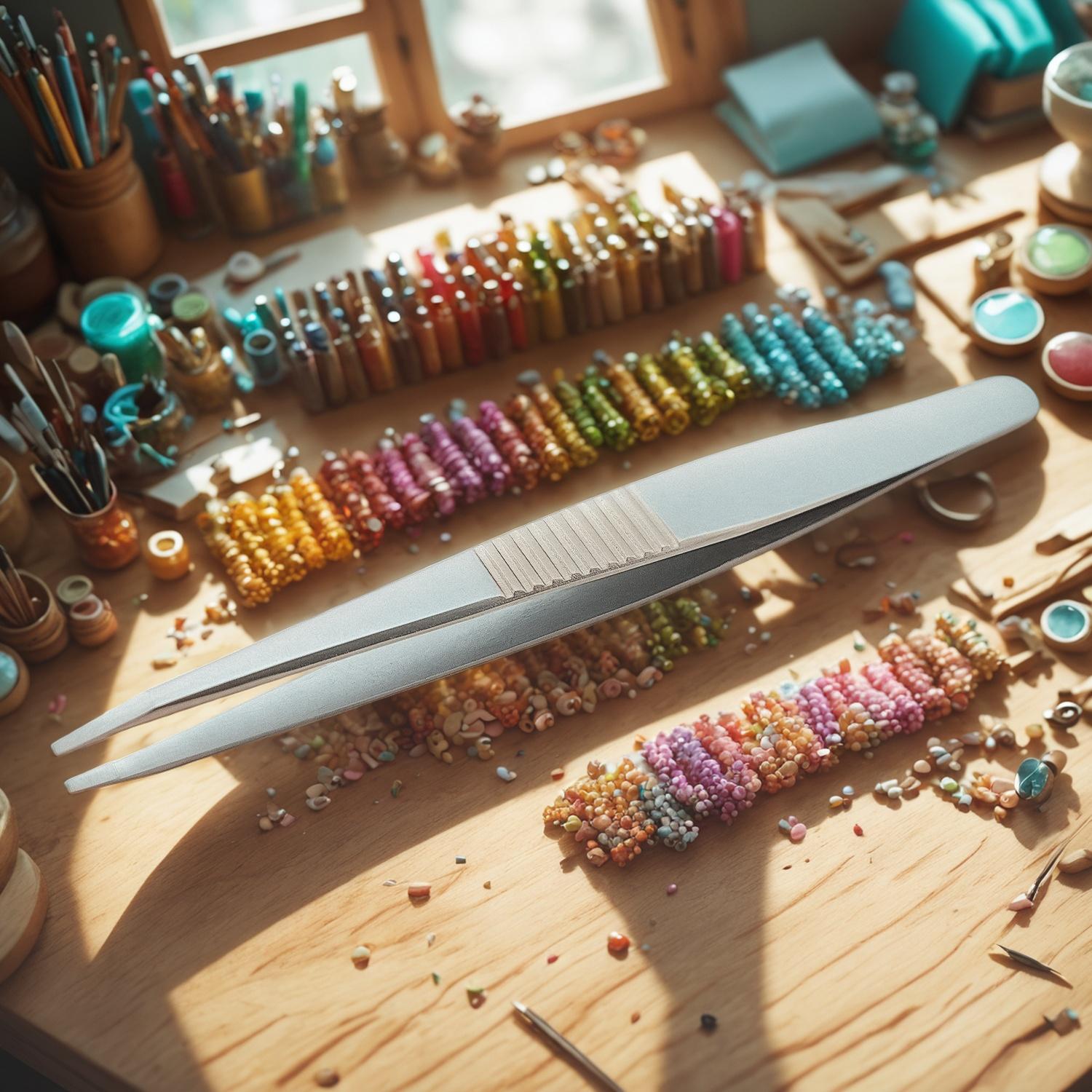
How to Choose Tweezers Exporters for Private Label Beauty Tools
Finding the right partner among tweezers exporters is not just a purchasing task. For beauty brands, wholesalers, salon suppliers and e-commerce sellers, tweezers are small tools that carry a large part of the customer experience. A pair that grips cleanly, aligns correctly and feels comfortable in the hand can build repeat orders. A pair with uneven tips, weak tension or poor finishing can quickly damage trust.
The best sourcing decision starts with understanding what makes tweezers reliable in daily use. Price matters, but it should not be the only point of comparison. Buyers should evaluate material choices, tip workmanship, hand feel, inspection processes, packaging readiness and the supplier’s ability to communicate clearly. This guide explains how to compare exporters in a structured way so you can select tools that fit your market and protect your brand reputation.

Start With the Intended Use of the Tweezers
Before comparing factories or exporters, define the use case. Tweezers may look similar in a catalogue, but the requirements for eyebrow grooming, lash application, precision hair removal, retail gift sets and professional salon kits are not identical. A beauty retailer may prioritize an attractive finish and comfortable shape, while a salon-focused distributor may care more about consistent grip and long-term durability.
Tip shape is one of the first choices to clarify. Slanted tips are widely used for brow shaping because they allow the user to approach hair at an angle. Pointed tips are selected for detailed work where precision is important. Flat or straight tips may suit broader gripping tasks. If a brand sells to beginners, a comfortable grip and forgiving tip design may be more important than an ultra-sharp point. If the buyer serves professionals, tip alignment and repeatable closing tension become critical.
When discussing requirements with a supplier, avoid vague descriptions such as “high quality” or “premium.” Instead, prepare a short product brief that describes the user, retail channel, preferred finish, packaging format and any functional priorities. This helps a tweezers exporter recommend suitable options and reduces the chance of receiving samples that do not match your market.
Quality Factors That Separate Reliable Tweezers Suppliers
A reliable tweezers supplier should be able to explain how the tool is made, inspected and packed. Even when the buyer does not have technical drawings, there are practical checkpoints that reveal whether a pair of tweezers is suitable for sale under a beauty brand.
- Tip alignment: The two ends should meet evenly without obvious gaps or crossing. Poor alignment makes it difficult to grip fine hair.
- Grip consistency: The tweezers should close smoothly and return naturally. Tension that is too weak can feel ineffective; tension that is too strong can cause hand fatigue.
- Edge finishing: Edges should feel clean and controlled, not rough or uncomfortable. Beauty tools are handled close to the face, so finishing matters.
- Surface appearance: Look for consistent polishing, coating or color treatment where applicable. Visible scratches, stains or uneven surfaces may suggest weak process control.
- Material suitability: Stainless steel is commonly used for tweezers because it offers strength and resistance to corrosion. Buyers should compare materials based on the intended market and care expectations.
- Packaging protection: Tips should be protected during transport. A good tool can still arrive damaged if packaging does not secure it properly.
These checks are simple, but they are effective. A buyer can use them when reviewing samples, comparing vendors or conducting internal product approval before placing an order.
Why Many Buyers Source Tweezers From China
China remains an important sourcing base for beauty tools because buyers can often find a broad range of manufacturing capabilities, finishing options and export experience in one supply chain. For tweezers, this can include different tip shapes, surface treatments, retail packaging formats and private label support. The main advantage is not simply low cost; it is access to a supplier ecosystem that understands export requirements and can support varied product programs.
However, sourcing from China should still be handled carefully. A low unit price does not guarantee stable quality, and an attractive sample does not always guarantee that bulk goods will be identical. The buyer’s role is to compare exporters with clear criteria, confirm samples, and define acceptance expectations before production. Working with a supplier that understands quality control and communication can save time over repeated corrections.
Olimor Beauty supports buyers looking for practical beauty tool sourcing options. If you are comparing different categories, you can review more beauty tool products to understand how tweezers may fit into a wider retail or salon assortment. For buyers building a coordinated range, browsing product collections can also help with planning color, finish and packaging consistency across multiple tools.
Sample Review: What to Check Before Ordering
Samples are the most useful step in comparing tweezers exporters. Do not review them only under bright lighting and then approve based on appearance. Use the sample as an actual tool. Open and close it repeatedly. Test whether the tips meet evenly. Check whether the hand feel is comfortable for different users. Examine the product after handling to see whether the surface finish marks easily.
A structured sample review can prevent emotional buying decisions. The following table gives a simple evaluation format that beauty brands and wholesalers can adapt for internal use.
| Checkpoint | What to Examine | Why It Matters |
|---|---|---|
| Tip contact | Do the two tips meet evenly from edge to edge? | Controls how well the tweezers grip fine hairs. |
| Tension | Is the closing pressure comfortable and repeatable? | Affects user comfort and perceived quality. |
| Finish | Are surfaces smooth, clean and consistent? | Supports retail presentation and user confidence. |
| Edges | Are there rough spots or uncomfortable corners? | Beauty tools should feel safe and refined in the hand. |
| Packaging | Are the tips protected and is the item easy to present? | Reduces transport damage and improves shelf appeal. |
| Batch expectation | Can the approved sample be used as the reference? | Helps align future production with buyer approval. |
If more than one stakeholder is involved, ask each reviewer to score the same sample independently. This makes it easier to identify whether concerns are personal preference or genuine product issues.
Private Label and Packaging Considerations
For many buyers, tweezers are not sold as a plain tool. They may be part of a private label line, a brow care kit, a travel grooming set or a promotional beauty product. This means the exporter’s packaging and branding support can be just as important as the tweezer itself.
Packaging should match both the price point and the sales channel. A product sold online needs protection during shipment and clear presentation in photos. A salon distributor may prefer practical packaging that is easy to store and handle. A retail buyer may need a format suitable for display, barcoding or gift presentation. The best choice depends on where and how the customer will buy the product.
When preparing a private label project, consider the following details early:
- Confirm whether the logo placement should be on the tweezers, packaging, insert card or outer carton.
- Decide whether the finish should match other items in the same beauty tool range.
- Prepare artwork files and packaging text carefully before sample approval.
- Check that care instructions and warnings are suitable for the destination market.
- Keep one approved sample and one approved packaging reference for future comparison.
This preparation helps the exporter understand your expectations and reduces the risk of delays during artwork confirmation or packaging approval.
Questions That Reveal a Supplier’s Working Style
A good supplier relationship depends on more than a single product sample. Communication style, documentation habits and response quality can show whether the exporter is ready for long-term cooperation. Buyers should look for clear answers, realistic timelines and willingness to discuss quality details.
Useful questions include: How are tweezers inspected before shipment? What sample will be used as the approval reference? How are tips protected during packing? What information is needed to quote a private label version? How are differences in finish, color or packaging confirmed before production? These questions do not require the supplier to make exaggerated promises. They simply reveal whether the supplier has a process.
If you are preparing a sourcing project or comparing options, you can send an inquiry with your product requirements, target market and preferred packaging direction. For more direct discussion about tool options or cooperation details, you may also contact Olimor.
Building a Long-Term Tweezers Sourcing Standard
Once a buyer identifies a reliable exporter, it is useful to create an internal standard for future orders. This does not need to be complicated. Keep records of approved samples, product photos, packaging artwork, preferred inspection points and any issues found in past orders. Over time, this becomes a sourcing playbook that protects consistency even when team members change.
A long-term standard is especially important for brands that sell tweezers across multiple channels. Online customers may leave detailed reviews about grip and finish. Retail buyers may focus on packaging and shelf presentation. Professional users may notice small changes in tension or tip sharpness. Consistency across these expectations is what turns a simple tool into a dependable product line.
Selecting tweezers exporters should be treated as a quality decision, not just a price comparison. Define the use case, review samples carefully, check tip precision and finishing, confirm packaging needs, and evaluate the supplier’s communication process. With a clear checklist and a dependable sourcing partner, beauty brands can offer tweezers that feel precise, look consistent and support repeat customer confidence.
Tag: