

How to Choose Reliable Tweezers Exporters for Beauty Tool Sourcing
For beauty retailers, distributors, salon suppliers, and private-label buyers, tweezers may look simple at first glance. In practice, they are precision grooming tools where small differences in alignment, tip finish, spring tension, and packaging consistency can strongly affect customer satisfaction. A tweezer that fails to grip fine eyebrow hairs cleanly can lead to returns, negative reviews, or complaints from professional users who depend on accuracy every day.
Choosing among tweezers exporters is therefore not just a price comparison. It is a sourcing decision that should balance tool performance, production control, communication, and long-term reliability. Olimor Beauty focuses on beauty tools where precision and durability matter, and this guide explains what buyers should review before placing a tweezer order or developing a new grooming tool line.

Why Exporter Reliability Matters for Tweezers
Tweezers are often sold in high volumes and used in detailed grooming tasks, especially eyebrow shaping. Because the tool is small, buyers sometimes underestimate the importance of manufacturing control. Yet the most common user complaints usually come from details that are difficult to judge in a catalog image: tips that do not meet evenly, edges that feel rough, handles that are uncomfortable, or tension that is too stiff for repeated use.
A reliable tweezers supplier helps reduce these risks by maintaining consistent production standards from material sourcing to final packaging. In the original product context, stainless steel is highlighted as a preferred material because it supports longevity and a rust-free experience when properly manufactured and cared for. Material selection is only one part of the equation. The finished tweezer also needs careful shaping, alignment, finishing, and inspection.
For importers and brand owners, exporter reliability also affects planning. Clear sampling, stable communication, organized packing information, and practical problem-solving can make the difference between a smooth launch and a delayed shipment. Buyers reviewing broader beauty tool products should apply the same discipline to tweezers as they would to brushes, manicure tools, or skincare accessories.
Key Features to Check Before Selecting a Tweezers Supplier
When comparing exporters, it helps to evaluate tweezers by use case rather than appearance alone. Eyebrow tweezers for consumers, professional salon tools, travel grooming kits, and promotional beauty sets may require different priorities. The following checklist covers the most useful points for sourcing decisions:
- Tip alignment: The two tips should meet evenly without visible gaps. Poor alignment makes it difficult to grip fine hairs and reduces control.
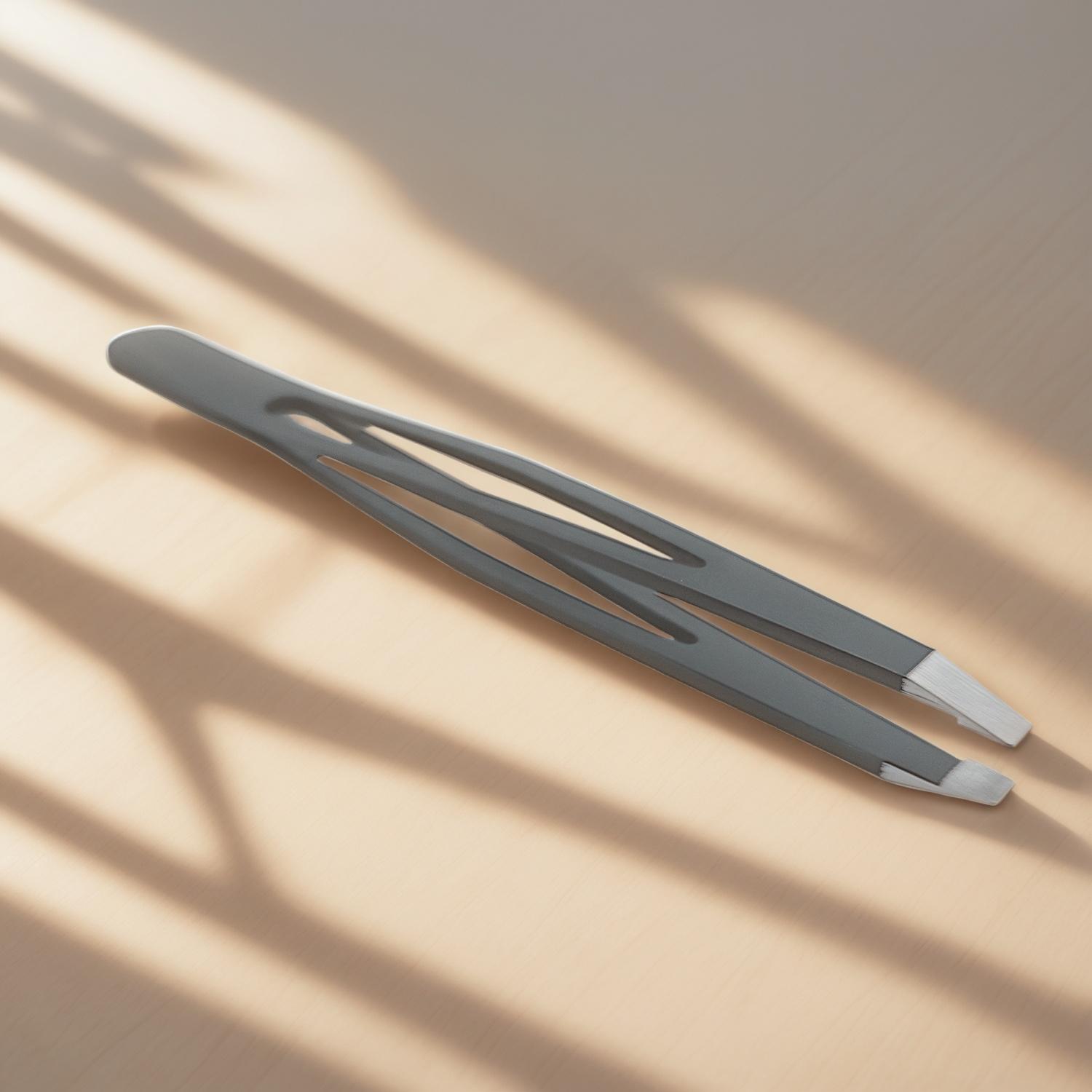
- Tip style: Slanted tips are widely used for eyebrow shaping because they combine precision with ease of access. Buyers should confirm whether the tip shape fits the target use.
- Grip performance: The tweezer should hold hair firmly without excessive pressure. Testing on fine hair or thread can reveal whether the tool slips.
- Handle tension: Tension should feel controlled and comfortable. Very stiff tools can fatigue professional users; very loose tools may feel weak.
- Surface finish: Edges should be smooth to the touch. A clean finish improves comfort and perceived quality.
- Material suitability: Stainless steel is commonly valued for durability and resistance to rust, but buyers should still review the supplier’s material statement and care guidance.
- Packaging fit: Tweezers should be protected during shipping and retail handling, especially at the tips.
- Inspection process: A dependable exporter should be able to explain how tip alignment, appearance, and packaging are checked before shipment.
These criteria are more useful than relying on broad claims such as “high quality.” A good sourcing process turns quality into observable checkpoints that can be inspected during sampling and pre-shipment review.
Choosing Tweezers for Eyebrow Shaping
Eyebrow grooming is one of the most demanding uses for tweezers because the tool must remove individual hairs cleanly without breaking them. For this application, slanted tips are often preferred because they allow the user to approach hairs at different angles while maintaining visibility. The tips need to be fine enough for precision but not so sharp or fragile that they become uncomfortable or easily damaged.
Professional users, including aestheticians and brow technicians, also care about comfort during repeated use. An ergonomic design can improve control, especially when the handle shape supports a secure grip. This does not always mean a heavily contoured handle; sometimes a well-balanced, simple design is easier to control. What matters is that the tweezer feels stable in the hand and closes predictably.
For consumer retail, the buyer should think about the end user’s grooming environment. A tweezer included in a home eyebrow kit should be easy to use without advanced training. A tool sold to salons may need a more precise feel and stronger consistency from unit to unit. If the tweezer will be part of a larger set, buyers can also review related product collections to align the finish, packaging style, and intended market level.
Quality Control Questions That Reveal Manufacturing Discipline
Strong exporters do not rely only on a final visual check. For tweezers, quality control should cover multiple points in production because small deviations can reduce performance. Olimor Beauty applies internal quality control through the production process, including checks from raw material sourcing to final packaging. For buyers, the goal is to understand how an exporter prevents defects rather than how it handles complaints after the fact.
Useful quality-control topics include tip matching, polishing consistency, handle symmetry, surface appearance, and packaging protection. Buyers do not need to request confidential factory information, but they should expect practical explanations. For example, how are poorly aligned tips identified? Are samples checked for grip performance? How are tips protected so they do not bend or rub during transport?
A practical evaluation table can help purchasing teams compare suppliers in a structured way:
| Evaluation Area | What to Review | Why It Matters |
|---|---|---|
| Tip precision | Alignment, closing contact, smooth edges | Determines whether fine hairs can be gripped cleanly |
| Material and finish | Stainless steel use, surface smoothness, rust-resistance expectations | Affects durability, appearance, and customer confidence |
| Comfort | Grip feel, handle tension, ease of control | Important for both home users and professionals |
| Packaging | Tip protection, retail presentation, label consistency | Reduces transit damage and supports brand presentation |
| Communication | Clear sampling, order details, inspection expectations | Helps prevent misunderstandings before production |
Using a table like this makes supplier comparison more objective. It also helps teams document why one exporter is a better fit for a specific product line.
Sampling and Testing Before a Bulk Order
Samples are essential when sourcing tweezers because performance cannot be fully judged from photos. When reviewing samples, test more than one piece if possible. A single excellent sample does not always prove batch consistency, while one weak sample may indicate that clearer specifications are needed. The aim is to understand the normal quality range the exporter can deliver.
During sample testing, try gripping fine hair, thread, or a similarly thin material. Check whether the tool catches cleanly near the tip and whether it slips when light pressure is applied. Open and close the tweezer repeatedly to feel whether tension remains comfortable. Inspect the tips under good lighting to see whether they meet evenly and whether edges appear smooth.
Packaging should be tested as well. If tweezers arrive with bent tips, scratched surfaces, or loose placement in packaging, the issue may not be the tool itself but the way it is protected. For retail buyers, packaging is also part of the customer experience. A clean, secure presentation helps communicate care and reduces the chance of returns caused by transit damage.
Working With an Export Partner for Long-Term Beauty Tool Supply
A good exporter should support both product quality and sourcing efficiency. That means clear product information, realistic lead-time discussions, attention to packaging details, and a willingness to clarify technical questions before production. For beauty tool buyers, a dependable supplier relationship is especially valuable when developing coordinated lines or repeat orders.
It is also useful to discuss how the tweezers will be sold. A distributor may prioritize durable, broadly appealing eyebrow tweezers. A salon supplier may focus on precision and comfortable handling. A retail brand may care about packaging consistency and the way the product fits into a complete grooming range. The more clearly the intended use is defined, the easier it is to select the right tool features.
Buyers who are planning a tweezer program can send an inquiry with the target market, preferred tip style, packaging direction, and sample expectations. For broader sourcing support or questions about available beauty tool options, you can also contact Olimor directly.
Final Sourcing Advice for Tweezers Buyers
The best tweezers exporters are not defined by a single claim or catalog image. They are identified through consistent samples, clear quality checkpoints, suitable materials, careful finishing, and practical communication. For eyebrow tweezers in particular, buyers should pay close attention to slanted tip accuracy, grip performance, ergonomic feel, and packaging protection.
By treating tweezers as precision tools rather than basic accessories, beauty brands and distributors can build a more reliable product offering. A structured sourcing process helps reduce defects, improves customer satisfaction, and supports repeat business. Olimor Beauty’s focus on beauty tool quality control makes it a practical partner for buyers who want dependable grooming tools with attention to detail from production through final packaging.
Tag: