

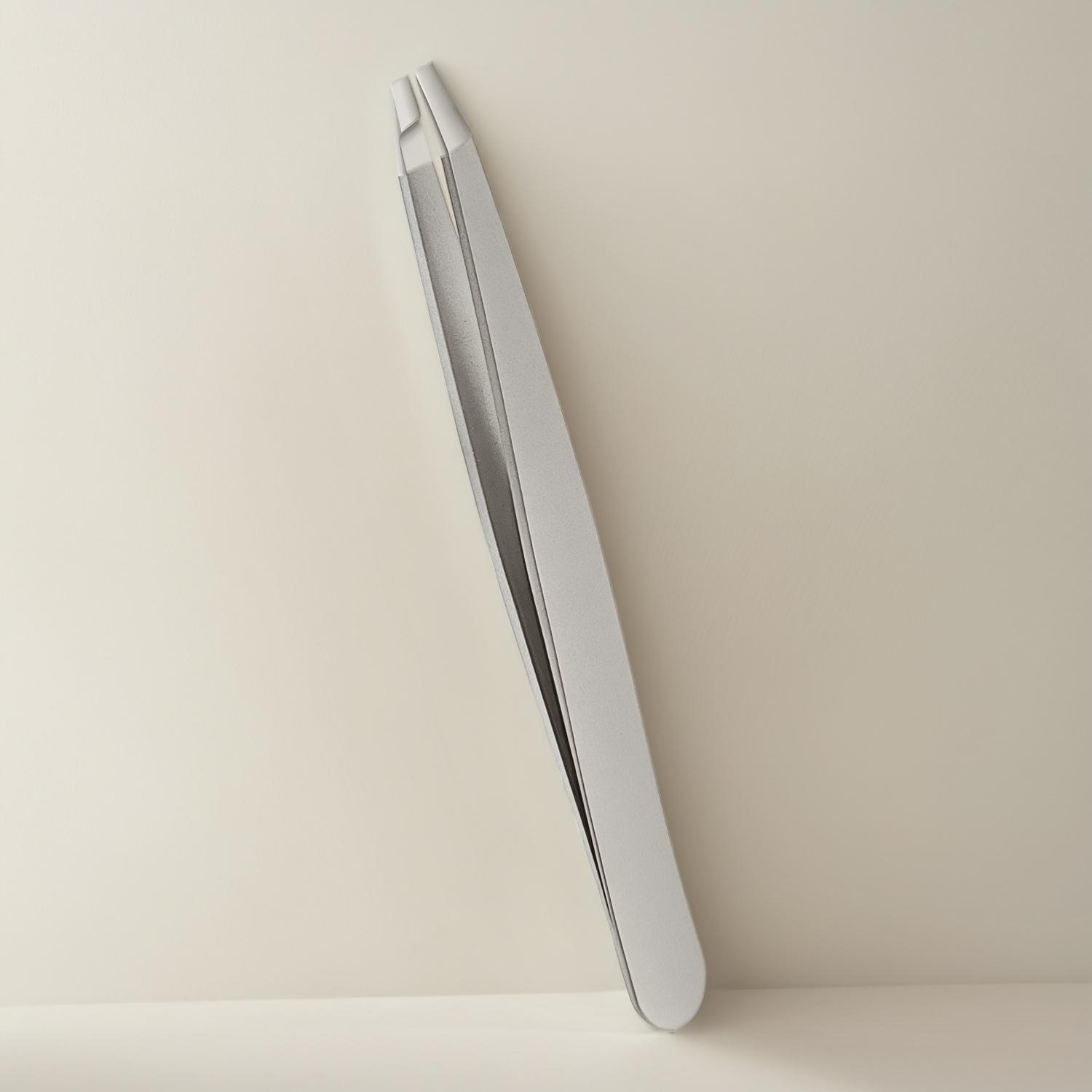
How to Choose a Reliable Tweezers Exporter for Beauty Tool Sourcing
Tweezers may look simple, but buyers who source them for beauty retail, salon supply, private label programs, or promotional kits know that small differences affect customer satisfaction. A pair that cannot grip fine hairs, loses alignment after light use, or shows rough finishing can create returns and damage brand trust. That is why choosing among tweezers exporters should be based on more than price and a product photo.
A dependable exporter should understand both manufacturing consistency and the expectations of beauty users. The tool must feel controlled in the hand, close evenly, and perform reliably across repeated use. Olimor Beauty focuses on beauty tools where precision, durability, and practical usability matter to professional and consumer buyers. If you are comparing beauty tool products for your next purchasing cycle, use the following criteria to evaluate whether a tweezers supplier can support your quality goals.

What Buyers Should Expect From a Tweezers Exporter
A tweezers exporter is not only a factory contact that ships metal tools. For business buyers, the exporter should be able to help maintain product consistency from order to order. That includes understanding the intended use of the tweezers, controlling the finishing process, inspecting tip alignment, and packing products in a way that protects the working edges during transport.
Different markets may prioritize different qualities. A salon supply buyer may focus on tip precision and ergonomic control. A retail buyer may care about visible finish, packaging presentation, and consistent product feel across a display. A brand owner may need reliable repeat production so the next shipment matches the first approved sample as closely as possible. Before choosing a supplier, define what your end user values most.
The strongest sourcing decisions usually start with a clear product brief. Instead of asking only for a quotation, outline the tweezer type, target user, expected finish, packaging direction, and quality risks you want controlled. This helps the exporter respond with practical production information rather than generic claims.
Precision Tips Are the Core Quality Point
The main job of tweezers is to grasp accurately. For beauty use, tip alignment is one of the most important indicators of quality. If the two ends do not meet evenly, users may pinch the skin, break hairs, or fail to grip fine hairs at all. Even when the material looks attractive, poor alignment makes the tool frustrating.
When reviewing samples, inspect the tips under normal light and, if possible, under magnification. Close the tweezers slowly and check whether the tips meet cleanly from the edge inward. Test them on very fine hair or fine thread to understand grip performance. A quality exporter should treat this as a functional requirement, not just a visual detail.
Buyers should also consider how the tip shape matches the intended use. Slanted tips are often chosen for eyebrow grooming because they can approach hairs at a comfortable angle. Pointed tips may be useful for precision tasks but require careful handling. Flat or straight tips can suit broader gripping needs. The correct selection depends on the audience, so the sourcing process should begin with use case rather than appearance alone.
Stainless Steel, Durability, and Surface Finish
The supplied product information states that Olimor Beauty engineers tweezers from stainless steel, a common material choice for beauty tools because it can support durability and resistance to rust when properly manufactured and maintained. For buyers, material selection is only part of the evaluation. The forming, finishing, polishing, and inspection processes also influence how the final tool performs.
Look for smooth surfaces without sharp burrs along the handles or near the tips. Edges should feel clean in the hand, and the spring tension should be comfortable enough for repeated use. If a pair requires too much pressure, customers may experience hand fatigue. If it is too loose, the tool may feel weak or imprecise.
Surface finish matters for both hygiene perception and retail appeal. A clean finish communicates quality before the customer uses the product. However, appearance should never replace functional testing. A polished tool with poorly aligned tips is still a poor tweezer. The best evaluation combines visual inspection, hand feel, and real gripping performance.
A Practical Quality Checklist for Sample Review
Before committing to a production order, create a simple inspection checklist and use it consistently across supplier samples. This makes comparisons more objective and helps your team avoid being influenced by packaging or photography alone.
- Tip alignment: Tips should meet evenly and grip fine hairs or fine fibers without slipping.
- Closing action: The tool should close smoothly without twisting or uneven resistance.
- Hand comfort: The tweezer should feel controlled and stable during repeated use.
- Surface condition: Check for burrs, rough edges, discoloration, scratches, or uneven finishing.
- Material suitability: Confirm that stainless steel construction matches your product positioning and care expectations.
- Packaging protection: Tips should be protected so they do not bend or become damaged during shipping.
- Batch consistency: Review multiple pieces, not only one sample, to understand variation.
- Labeling readiness: Make sure retail or distribution information can be presented clearly and accurately.
This checklist is useful because tweezers can fail in ways that are not obvious from a single product image. For example, a small tip gap may only appear when the tool is closed slowly. A rough handle edge may only become noticeable after several minutes of use. Testing multiple units helps reveal whether quality is stable or dependent on individual pieces.
Packaging and Shipping Details That Protect Performance
Many buyers focus heavily on the tool itself and overlook packaging. For tweezers, packaging is not only a sales presentation. It also protects the precision tips. If the tips are bent, compressed, or exposed during transport, a good product can arrive with poor functionality.
Packaging should reduce movement and prevent the working ends from hitting harder surfaces. For retail channels, it should also help the customer understand the product quickly: the tweezer type, intended use, and basic care guidance should be easy to read. For professional channels, protective packaging may be more important than decorative presentation, especially when products are stored in drawers, kits, or salon supply rooms.
If your project includes a custom retail program, compare packaging options early. A supplier may need different packing methods depending on whether the order is for bulk salon distribution, individual retail sale, or inclusion in a beauty kit. You can browse related product collections to think about how tweezers may fit alongside other grooming tools in a coordinated sourcing plan.
Questions to Clarify Before Placing an Order
A clear purchasing conversation helps reduce misunderstandings. The goal is not to ask for unnecessary paperwork, but to confirm that the exporter understands your quality expectations. Use questions that connect directly to product performance and order management.
- What tweezer styles are available for the intended use? Match slanted, pointed, straight, or other tip formats to the customer application.
- How is tip alignment checked? Precision gripping should be part of inspection, not left to chance.
- How are stainless steel surfaces finished and inspected? Smooth edges and consistent appearance matter for customer confidence.
- How are tips protected during packaging and shipment? The best tweezer can underperform if the tips are damaged in transit.
- Can pre-production samples be reviewed against an agreed checklist? A written checklist helps align expectations.
- How will product consistency be monitored across the order? Multiple-piece inspection is important for batch reliability.
- What information is needed for packaging or labeling? Provide artwork, language, barcode, and market requirements early if applicable.
These questions help buyers compare exporters based on process and communication, not only on unit cost. A lower quote may not be the best value if it leads to inconsistent gripping, higher defect rates, or packaging that fails to protect the product.
Why Long-Term Reliability Matters in Beauty Tool Sourcing
For retailers and distributors, a successful beauty tool is not only one that sells once. It should be repeatable. Customers who like a tweezer may come back for the same item, recommend it, or expect it to match the quality of other tools under the same brand. If the second shipment feels different from the first, the buyer may face complaints even when the product description has not changed.
Long-term reliability depends on communication, sample control, inspection standards, and practical production discipline. Keep an approved sample and use it as a reference for future orders. Record details such as tip style, finish, packaging structure, and any agreed inspection points. This makes reordering more efficient and reduces the risk of quality drift over time.
It is also useful to plan assortment decisions carefully. Tweezers may be sold alone, paired with scissors or grooming accessories, or included in a travel kit. Each channel has different requirements for packaging, finish, and price positioning. A focused supplier conversation will help you build a range that serves real buyer needs instead of simply adding more similar items.
Working With Olimor Beauty on Tweezers Sourcing
Olimor Beauty understands that buyers need beauty tools that combine usable design with dependable production quality. For tweezers, that means attention to stainless steel construction, ergonomic handling, precision-aligned tips, and careful checks through the production and packaging process. The details may be small, but they determine whether the user experiences clean control or daily frustration.
If you are sourcing tweezers for retail, salon distribution, promotional programs, or a broader grooming tool assortment, start with a clear brief and a realistic inspection checklist. Compare samples by performance, not just appearance. Consider how the product will be packed, shipped, displayed, and used after purchase.
To discuss a tweezers project or compare options for your market, you can contact Olimor with your sourcing requirements. If you already have a product brief, packaging direction, or sample benchmark, you may also send an inquiry so the team can review the details and respond with relevant next steps.
Tag: