

How B2B Buyers Should Evaluate Top Tweezers Exporters
For beauty brands, salon distributors, private label buyers, and retail sourcing teams, tweezers are small tools with a large impact on customer satisfaction. A pair that grips cleanly, aligns well, and feels balanced in the hand can become a repeat-purchase product. A poorly finished pair can lead to returns, complaints, and damage to a brand’s reputation. That is why comparing top tweezers exporters should be more than a price exercise.
The right exporter needs to understand both the technical side of tweezer manufacturing and the commercial needs of B2B beauty supplies. Buyers are usually looking for consistent performance across batches, durable stainless steel construction, thoughtful ergonomic design, and the ability to support standard or custom made tweezers without losing quality control. Olimor Beauty focuses on these priorities by combining practical product design with internal quality checks intended to support dependable grooming tools for business buyers.
Why Tweezers Require Careful Exporter Selection
Tweezers may appear simple, but their performance depends on a chain of details: material selection, cutting, forming, tip finishing, alignment, surface treatment, inspection, and packaging. Any weakness in that chain can affect how the tool grips hair or handles repeated use. For B2B buyers, the concern is not just whether one sample performs well. The real question is whether the exporter can deliver reliable quality repeatedly.
Salons and beauty professionals often use tweezers in close-up, detailed work where control matters. Retail customers judge the product quickly: if the tips do not meet properly or the hand feel is uncomfortable, they notice. Beauty brands also need a product that can support a clear positioning, whether that is a practical everyday grooming tool, a premium stainless steel accessory, or a more specialized tweezer with a distinctive finish or tip angle.
When reviewing potential suppliers, pay attention to how much detail they provide about production control, finishing, and inspection. A capable exporter should be able to discuss the factors that affect tweezer performance in plain language, not only provide a catalog and quotation. You can also review broader beauty tool products to understand whether the supplier’s range matches your channel and positioning.
Core Quality Criteria for B2B Tweezers
Quality in tweezers is not a single feature. It is the combined result of precision, material, comfort, and finish. The original product information highlights high-quality stainless steel construction, ergonomic designs, internal quality control, and salon-quality results. Those are important starting points for B2B evaluation, but buyers should translate them into practical checks.
- Tip alignment: The two tips should meet evenly without visible gaps that could reduce gripping performance.
- Grip consistency: Tweezers should hold fine hair securely without requiring excessive pressure.
- Spring tension: The tool should feel responsive, not too stiff for repeated use and not too loose for control.
- Edge and surface finishing: Surfaces should feel smooth in the hand, with no rough edges that affect comfort or safety.
- Stainless steel construction: Stainless steel is valued in grooming tools for durability and a clean, professional appearance.
- Ergonomic shape: A comfortable profile helps both professionals and everyday users maintain control during detailed work.
- Batch consistency: Samples should be compared against later production to confirm that the approved feel and finish are maintained.
For retailers, packaging appearance also matters, but it should not be used to hide weak tool performance. For professional channels, the first priority is usually function: clean contact, controlled pressure, and durable finishing. A strong exporter will treat packaging, branding, and presentation as additions to a well-made tool rather than substitutes for quality.
Custom Made Tweezers: What to Define Before Production
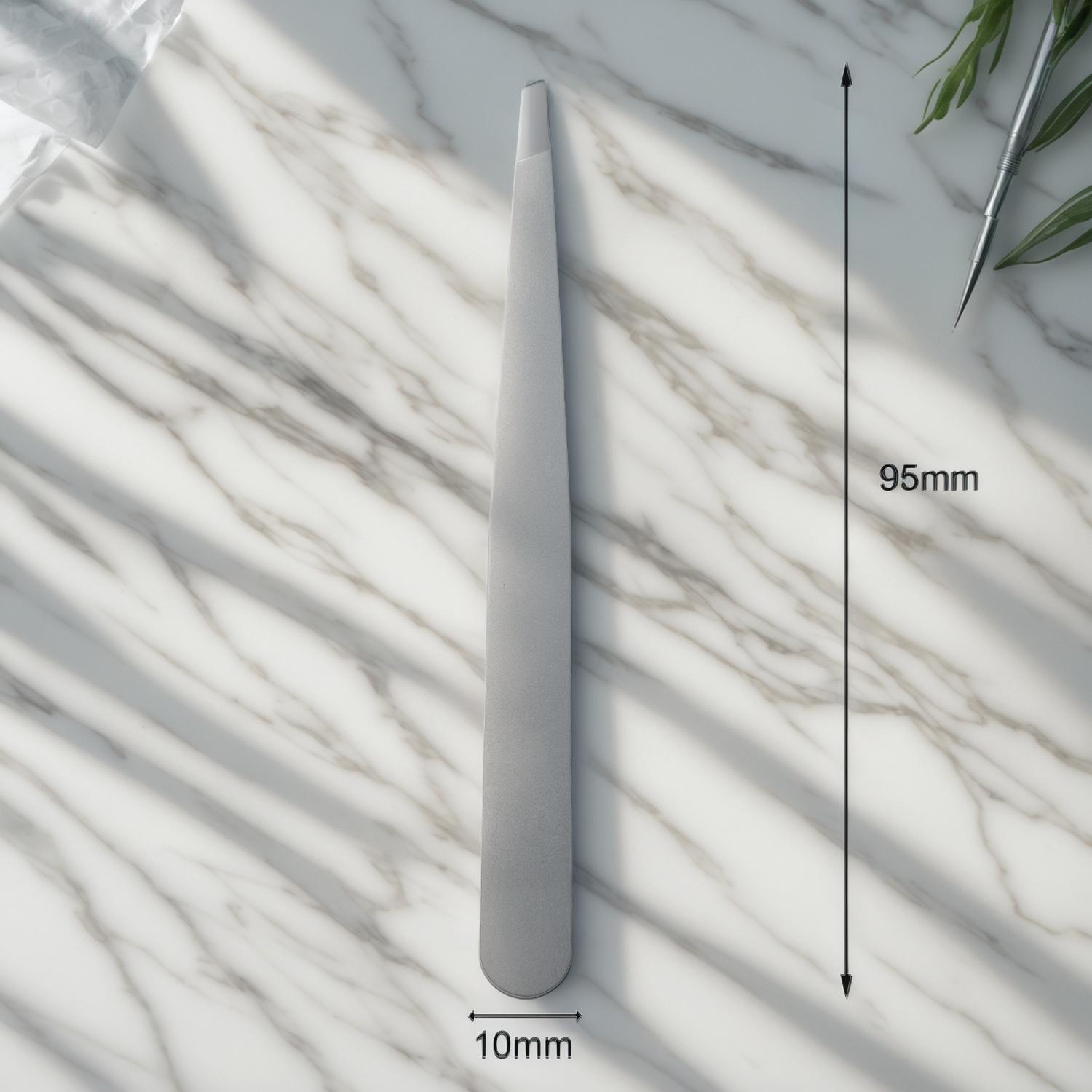
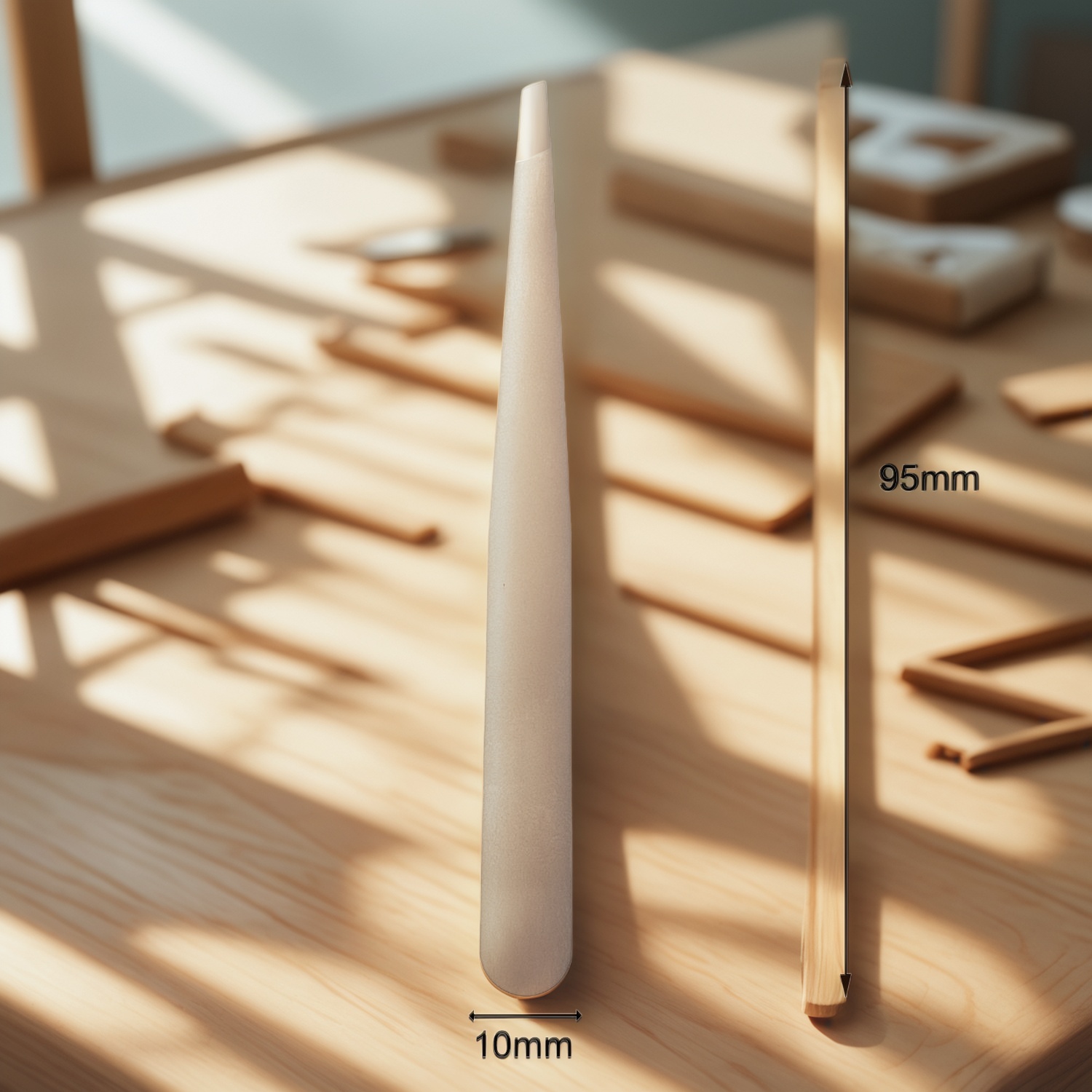
Custom made tweezers can help a brand separate its product from generic grooming tools. Customization may include a distinctive finish, a different hand feel, or a tip design intended for a particular use case. The supplied information notes possibilities such as a matte finish for grip and specially engineered tips for accuracy. It also references SleekTip tweezers, designed with expertly angled tips and a durable, stylish build. These are examples of how design details can shape product positioning.
Before requesting a custom program, define what the customization is meant to achieve. A matte finish may be selected because it supports grip and a clean visual identity. Angled tips may be chosen because many users prefer them for eyebrow shaping and detailed grooming. A brand color or surface treatment may help retail recognition, but it should be balanced against comfort, durability, and production consistency.
Use a clear brief when discussing custom tweezers. Include the sales channel, target user, intended price tier, packaging expectations, preferred finish direction, and any functional priorities. If you need a complete product direction rather than a single item, explore Olimor’s product collections to see how tweezers may fit into a broader beauty tool assortment.
A Practical Comparison Table for Exporter Shortlisting
Many buyers compare exporters by unit cost first. Cost is important, but it is only useful when the product requirements are identical and the quality level is confirmed. The table below gives a more balanced sourcing framework for comparing top tweezers exporters.
| Evaluation Area | What to Review | Why It Matters |
|---|---|---|
| Material and construction | Stainless steel build, surface finish, overall durability | Supports long-term use and a professional product impression |
| Tip precision | Alignment, contact point, gripping performance | Directly affects user satisfaction and product reviews |
| Ergonomics | Shape, tension, comfort during repeated use | Important for salons and frequent grooming customers |
| Quality control | Inspection steps during and after production | Helps reduce inconsistent batches and avoid avoidable defects |
| Customization support | Finish, tip direction, branding, packaging discussion | Allows the product to match brand identity and market position |
| Communication | Clear answers, practical sampling process, documented requirements | Reduces misunderstandings before mass production |
This framework helps sourcing teams move beyond broad claims. If two exporters both describe their tweezers as premium, the difference should appear in the sample, the inspection approach, and the clarity of the production discussion.
Sample Testing for Salons, Retailers, and Beauty Brands
Samples should be tested in conditions that resemble real customer use. A retail buyer may focus on packaging, shelf appearance, and first impression, while a salon distributor may put more weight on grip accuracy and comfort after repeated use. Beauty brands preparing private label or custom made tweezers should test both function and how well the design supports the brand story.
- Inspect the tips visually: Check whether the tips meet evenly and whether the contact area appears clean.
- Test on different hair types: A good tweezer should grip fine hair without slipping and should not require uncomfortable pressure.
- Compare several samples: Do not judge consistency from only one piece if multiple samples are available.
- Check hand comfort: Open and close the tweezer repeatedly to evaluate tension and fatigue.
- Review finish quality: Look for rough edges, uneven coating, or visible finishing defects.
- Confirm packaging fit: The package should protect the tips and present the product clearly for the intended channel.
Document the approved sample carefully. Notes, photos, and confirmed details reduce confusion when moving from sampling to production. For buyers comparing several product directions, a structured inquiry can help clarify options; you can send an inquiry with your target channel, quantity expectations, and customization needs.
Maintenance Guidance That Improves Customer Experience
Even well-made tweezers perform better when users understand basic care. B2B buyers can improve customer satisfaction by including simple maintenance guidance in packaging inserts, product pages, or sales training materials. Keep instructions practical and avoid overcomplicating the message.
Users should keep tweezer tips clean and dry after use, store them in a way that protects the tip alignment, and avoid dropping them onto hard surfaces. If the tweezers include a protective cap or dedicated packaging, customers should be encouraged to use it. Retail brands can also explain that tip precision is central to performance, so bending, twisting, or using the tool for non-grooming tasks can reduce effectiveness.
For salons, hygiene routines should match the salon’s own professional standards and local requirements. The exporter’s role is to provide a well-made tool; the buyer’s role is to ensure that the tool is presented with clear care guidance appropriate to the sales channel.
Why Olimor Beauty Is Relevant for Tweezers Sourcing
Olimor Beauty serves B2B beauty supply buyers that need dependable grooming tools, including tweezers with stainless steel construction, ergonomic design, and controlled production quality. The emphasis is on tools that can meet the expectations of salons, retailers, and beauty brands looking for consistency rather than one-off samples.
For brands that need differentiation, custom made tweezers can be discussed around practical goals such as grip, finish, tip angle, and presentation. The SleekTip tweezers referenced in the product information show how angled tips and a durable build can support a more precise grooming experience. For standard purchasing, the same evaluation principles apply: confirm the feel, inspect the finish, and make sure the tool matches the end user’s needs.
Choosing among top tweezers exporters is ultimately about reducing risk while building a product customers will trust. A strong partner should help you evaluate design, performance, and repeatability with enough detail to make a confident sourcing decision. If your team is preparing a tweezer program for retail, salon distribution, or private label beauty tools, contact Olimor to discuss the product direction and next steps.
Tag: