


How B2B Beauty Buyers Should Evaluate Tweezers Exporters
Choosing the right partner among global tweezers exporters is a practical sourcing decision, not just a price comparison. For beauty brands, salon suppliers, retail distributors, and private-label buyers, tweezers are small products with a high expectation of precision. A customer may forgive plain packaging, but they will quickly notice tips that do not meet evenly, arms that feel weak, coating that scratches too easily, or a grip that becomes uncomfortable during detailed grooming.
In B2B beauty supplies, tweezers also need to fit commercial realities: consistent batches, reliable inspection, export-ready communication, suitable packaging, and the option to customize when a brand wants a more distinct product line. This guide explains what to check before selecting a supplier and how ODM cooperation can help a buyer bring a well-positioned tweezer product to market.
Why Tweezers Quality Matters in B2B Beauty Supplies
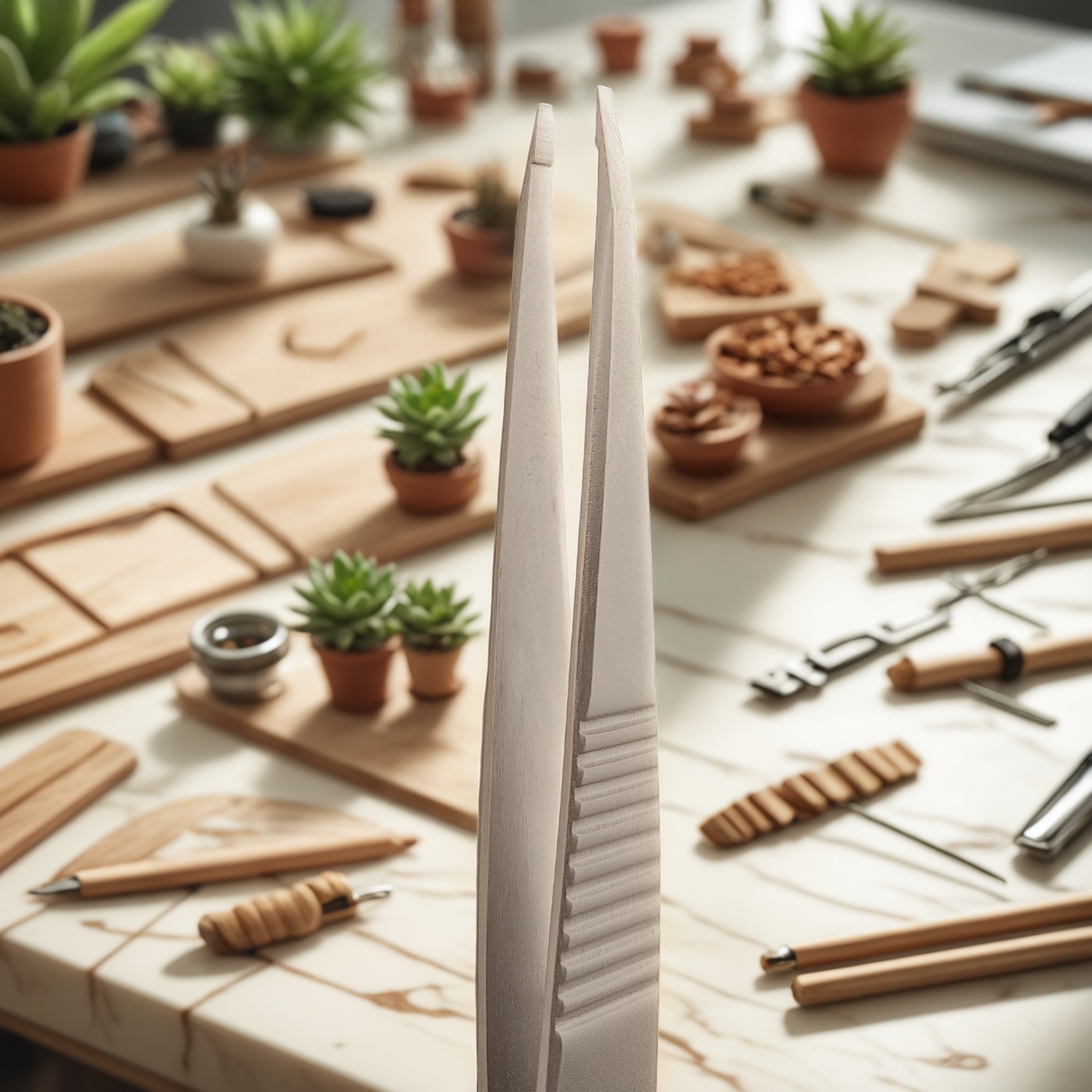
Tweezers may look simple, but their performance depends on several manufacturing and finishing details. The tool must grip fine hairs accurately without cutting them, slipping, or requiring excessive pressure. That performance comes from the relationship between material strength, arm tension, tip finishing, alignment, and surface treatment.
For a consumer brand or wholesaler, inconsistent tweezers can create problems across the entire sales chain. Retailers may receive complaints, salons may stop reordering, and online reviews may focus on performance rather than brand presentation. A reliable exporter helps reduce these risks by treating tweezers as precision grooming tools rather than basic metal accessories.
Different markets may also prefer different tweezer styles. Some buyers focus on slant-tip tweezers for eyebrow grooming, while others need pointed tips for detailed work or assorted sets for retail shelves. Before choosing from available beauty tool products, it is worth defining the intended user, selling channel, and expected price position. A low-cost promotional tweezer, a salon-focused tool, and a giftable private-label item should not be evaluated with the same criteria.
Core Criteria for Comparing Tweezers Exporters
When comparing suppliers, the strongest candidates usually provide clear answers about quality expectations, customization workflow, packaging options, and inspection standards. The following criteria can help buyers organize their evaluation without relying only on sample appearance.
- Tip alignment: The two tips should meet cleanly and evenly. Poor alignment is one of the most common reasons tweezers fail in real use.
- Grip performance: A good tweezer should hold fine hairs or small targets with controlled pressure. It should not require the user to squeeze too hard.
- Arm tension: Tension should feel balanced. If the arms are too soft, the tool may feel unstable; if too stiff, it can become tiring.
- Material suitability: Stainless steel is commonly valued in beauty tools because it supports durability and hygiene when properly manufactured and finished.
- Edge and surface finishing: Rough edges, burrs, uneven coatings, or weak polishing can reduce perceived quality and may affect comfort.
- Batch consistency: A single good sample is not enough. B2B buyers need repeatable quality across production runs.
- Packaging readiness: Exporters should understand barcode placement, retail display needs, protective packing, and private-label artwork requirements.
- Communication discipline: Clear confirmation of drawings, samples, colors, logos, and packing details helps prevent avoidable production errors.
Price still matters, but it should be considered after the buyer understands the product standard being quoted. Two tweezers may look similar in a catalog while differing significantly in finishing, inspection level, packaging, or customization complexity.
ODM Tweezers: When Customization Is Worth It
Tweezers ODM services are valuable for brands that want a product with their own identity but do not want to develop every detail from the beginning. In an ODM arrangement, the buyer can often start from an existing product concept and adapt elements such as finish, logo, packaging, set combination, or presentation. This can shorten development time while still supporting brand differentiation.
ODM is especially useful when a buyer wants to test a new grooming category, expand a beauty accessory range, or build a more cohesive private-label collection. For example, a brand may choose a proven tweezer shape and then coordinate it with a branded pouch, printed card, or retail box. The goal is not only to add a logo, but to create a product that matches the customer’s expectations for quality and presentation.
However, customization should be managed carefully. Every change can affect cost, lead time, inspection needs, and final appearance. Surface color, printing method, packaging structure, and set composition should be confirmed through samples before bulk production. Buyers should also consider whether the product will be sold online, in salons, through distributors, or in retail stores, because each channel may require different packaging durability and product information.
A Practical Sourcing Checklist Before Placing an Order
A structured checklist helps prevent common sourcing mistakes. The table below outlines questions buyers can use when reviewing exporters or preparing an inquiry.
| Area to Review | What to Confirm | Why It Matters |
|---|---|---|
| Product function | Tip style, alignment, grip strength, and tension feel | These factors determine whether the tweezer performs well in daily grooming. |
| Material and finish | Material type, polishing, coating, color, and edge smoothness | Finish affects durability, comfort, hygiene perception, and retail appeal. |
| Branding | Logo position, printing or marking method, artwork format, and color match | Clear branding specifications reduce the risk of production differences. |
| Packaging | Individual sleeve, card, box, set packaging, labels, and outer carton needs | Packaging protects the tool and shapes how buyers perceive the product. |
| Inspection | Functional checks, visual checks, sampling plan, and final packing review | Inspection supports consistency across a full B2B order. |
| Export process | Documentation, communication timeline, sample approval, and shipment packing | Export experience helps avoid delays and misunderstandings. |
For buyers comparing several suppliers, it can be useful to request the same information from each one. This makes quotations easier to compare and prevents a cheaper quote from hiding differences in packaging, finishing, or inspection scope.
How to Assess Samples Like a Professional Buyer
Sample evaluation should go beyond checking whether the product looks attractive in photos. Open the package, handle the tweezer as an end user would, and test it under realistic conditions. Look at the tips from multiple angles. They should meet cleanly without visible gaps or crossing. Squeeze the arms repeatedly to assess whether the tension feels stable and whether the tool returns to shape properly.
Next, inspect surface quality. Check for scratches, uneven finishing, rough inner edges, color variation, or printing defects. If the tweezer has a coating or colored finish, consider whether it matches the intended price point and selling channel. A product positioned for a professional or premium beauty category needs more consistent finishing than a basic giveaway item.
Packaging should also be reviewed as part of the sample, not as an afterthought. A good tweezer can lose value if the card bends easily, the pouch looks unfinished, or the printed information is unclear. For e-commerce, packaging must also survive shipping and handling. For retail, hanging holes, barcode location, product visibility, and shelf presentation may be important.
Working With Olimor Beauty on Tweezer Sourcing
Olimor Beauty supports beauty businesses that need dependable grooming tools for wholesale, retail, or private-label programs. The supplied product information references stainless steel tweezers and the Precision Deluxe Stainless Steel model, reflecting the importance of durable material choice and careful tool construction in this category. For buyers building a broader assortment, tweezers can also be considered alongside other product collections to create a more complete beauty tool range.
A strong sourcing discussion should begin with the intended market and use case. Is the tweezer for eyebrow shaping, travel kits, salon resale, gift sets, or a private-label beauty accessory line? Is the priority a clean professional look, a colorful retail presentation, or a compact item for promotional distribution? These answers guide decisions about tip style, finish, packaging, and branding.
When preparing a project, buyers can organize their requirements before contacting a supplier. Useful information includes target style, preferred finish, logo needs, packaging concept, sales channel, and any destination-market labeling requirements. If you are ready to review options or discuss an ODM project, you can send an inquiry with your project details. For broader sourcing questions or coordination, you may also contact Olimor.
Build a Better Tweezer Program Through Clear Standards
The best tweezers exporters help buyers reduce uncertainty. They understand that B2B beauty supplies require more than attractive catalog images; they require consistent function, careful finishing, clear branding, and packaging that fits the way the product will be sold. By defining performance expectations early and evaluating samples with a structured checklist, buyers can avoid many common quality issues.
ODM cooperation can be an efficient route for brands that want a customized tweezer without developing every detail from zero. The key is to treat customization as a controlled process: confirm the base design, test samples, approve artwork, and align packaging before production. With clear standards and a reliable manufacturing partner, tweezers can become a dependable part of a beauty tool range rather than a small accessory that creates outsized problems.
Tag: