

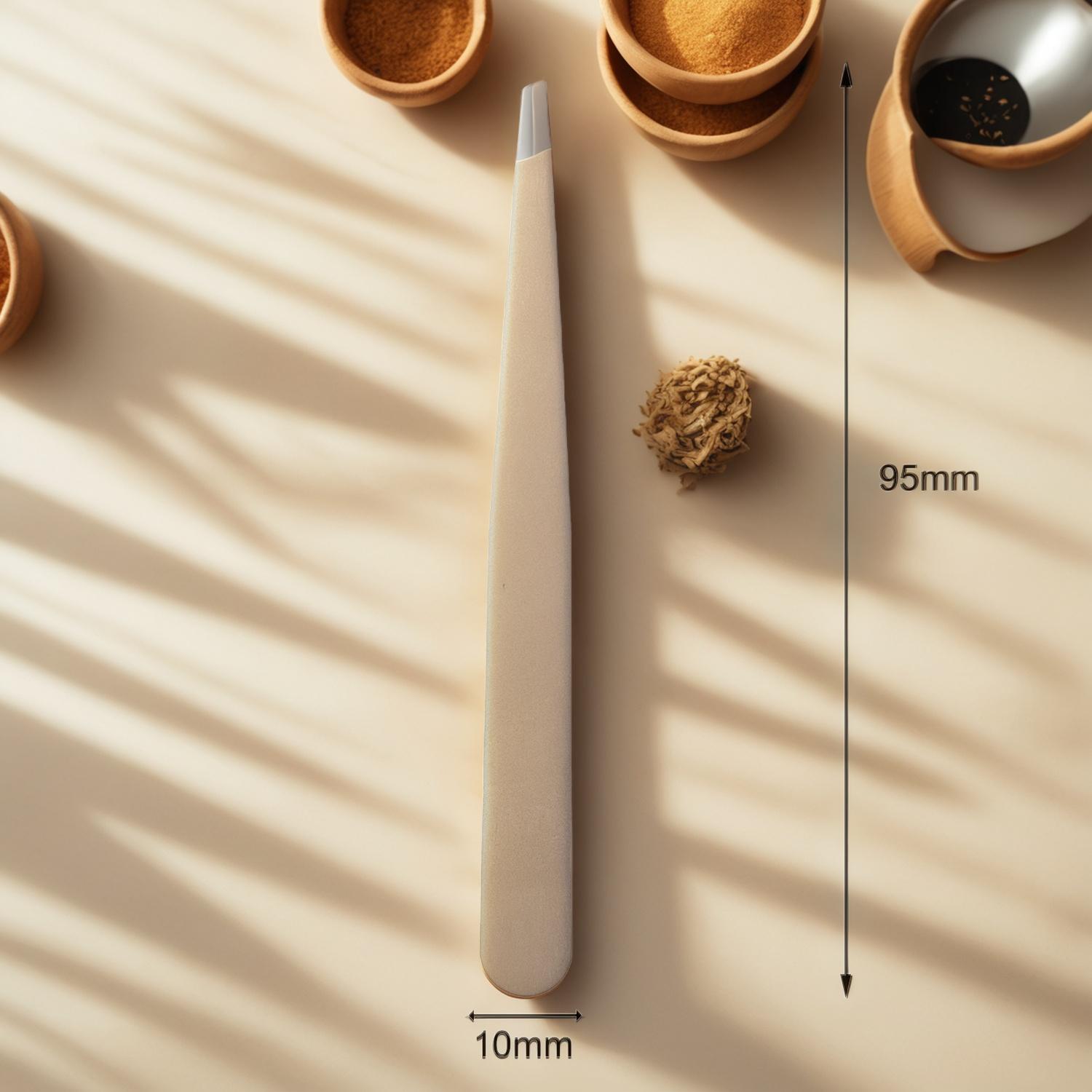
How to Choose Tweezers Exporters for B2B Beauty Supply Programs
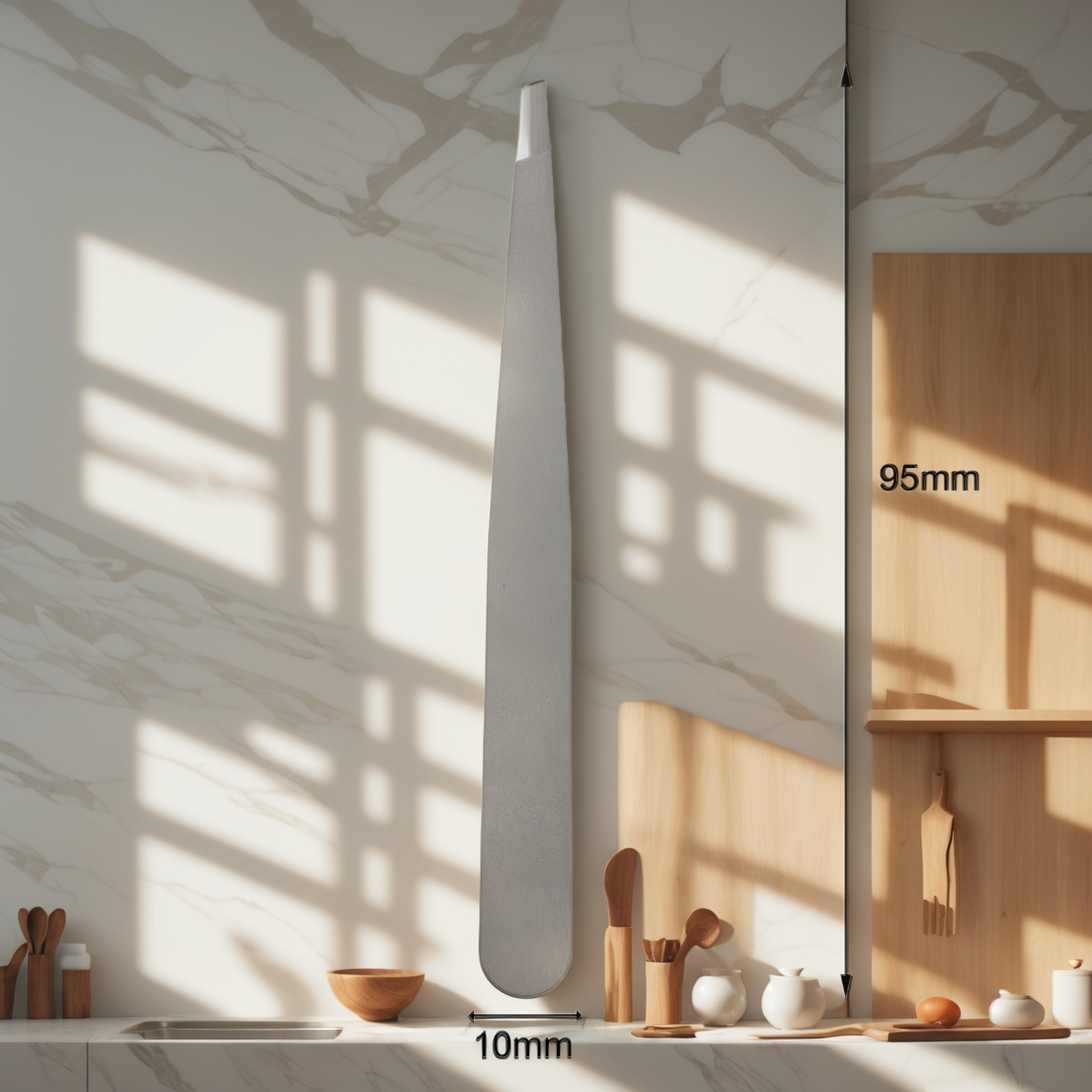
For beauty brands, wholesalers, distributors, salon suppliers and private-label buyers, tweezers are small tools with a large quality burden. Customers expect them to grip fine hair cleanly, align accurately, feel comfortable in the hand and arrive in good condition. If the tool slips, pinches skin, has rough edges or varies from one shipment to the next, it can affect reviews, returns and brand trust.
The right tweezers exporter should be evaluated on more than unit cost or catalog appearance. A dependable sourcing decision looks at product function, material and finish options, tip protection, packaging readiness, inspection discipline, customization support and communication quality. This guide explains how B2B buyers can compare exporters and choose a supply route that fits their sales channel, whether the goal is a standard retail item, a salon-use tool, a grooming kit component or a custom made tweezer program.
Start With One Clear Product Use and Sales Channel
Before comparing quotations, define who will use the tweezers and where they will be sold. A professional brow artist may prioritize precise tip alignment, controlled tension and repeat handling comfort. A retail consumer may care about safe packaging, easy grip, attractive presentation and reliable performance for general grooming. A kit assembler may need tweezers that pair well with scissors, lash tools, mirrors or other personal care accessories.
The sales channel also changes the specification. E-commerce supply needs packaging that protects the tips during parcel handling and supports clear product photography. Retail shelf programs need packaging that communicates the product simply and fits display requirements. Salon distributors often need repeatable quality across ongoing orders because professional users notice small differences quickly.
If these conditions are not defined early, buyers may compare quotes that look similar but represent different product standards. A lower price may exclude protective packaging, a tighter inspection process or a finish option that your market expects. The first sourcing question should be: what user experience must this tweezer deliver?
Why Tweezer Quality Matters in B2B Beauty Supplies
Tweezers may look simple, but performance depends on several details working together. Tip alignment affects grip. Edge finishing affects comfort. Tension affects hand fatigue. Surface finish affects appearance and handling. Packaging affects whether the tips remain protected before the consumer opens the product.
For B2B buyers, the challenge is not finding one good sample. The more important question is whether the exporter can maintain the same feel, finish and function across bulk production and repeat orders. A sample may pass an internal review, but ongoing supply must also meet expectations for inspection, labeling, packing, carton marking and delivery coordination.
When products are sold through retail, e-commerce, salon supply or promotional channels, consistency becomes part of the product value. Buyers can review Olimor’s broader beauty tool product range to compare how tweezers may fit within a coordinated grooming or beauty accessories program.
Key Tweezer Features B2B Buyers Should Evaluate
A good tweezer is the result of suitable material selection, forming, finishing and inspection. Stainless steel is commonly valued in beauty tools because it supports durability and resistance to rust in normal beauty-tool use, but buyers should confirm the actual material and finish offered by the exporter rather than assuming a grade or performance level.
- Tip alignment: Both tips should meet evenly when light pressure is applied. Visible gaps or uneven contact can cause slipping or broken hairs.
- Tip shape: Slant tips are widely used for eyebrow grooming because they approach hairs at a controlled angle. Pointed or specialty tips may suit more precise beauty tasks, depending on the end user.
- Grip consistency: The tweezer should grasp short, fine hairs without requiring excessive pressure or repeated attempts.
- Tension: The arms should close smoothly, return reliably and not feel so stiff that they tire the hand during repeated use.
- Edge finishing: Edges should be smooth and clean, with no burrs around the tips, arms or handle area.
- Surface finish: The body should appear clean and consistent, without obvious stains, uneven polishing marks or rough areas.
- Hand feel: Shape, weight, grip texture and balance all affect control, especially for salon or repeated-use applications.
- Protective packaging: Tip guards, sleeves, trays or suitable retail packs help reduce the risk of tip damage in transit and before sale.
These points should be assessed across multiple samples, not only one demonstration piece. For wholesalers and private-label programs, batch consistency is often as important as the initial sample quality.
A Practical Sample Evaluation Process for Importers
A structured sample review helps purchasing, quality and sales teams compare tweezers exporters fairly. It also prevents decisions based only on catalog photos or decorative finishes.
- Inspect appearance first. Check whether the finish is consistent, the body is symmetrical and the tips look clean under normal lighting.
- Test tip closure. Open and close the tweezer several times and check whether the tips meet at the same point each time.
- Try realistic grooming tasks. Use the sample on fine hair or a suitable testing material that simulates the grip challenge of eyebrow shaping.
- Assess comfort over repetition. Open and close the tool repeatedly to evaluate tension, control and possible hand fatigue.
- Review edge safety. Feel for burrs or rough areas that could scratch skin during ordinary grooming use.
- Check packaging fit. Confirm that the tool is held securely and the tips are protected from bending or rubbing.
- Record defects and preferences. Use a simple checklist so teams can compare options objectively.
A sample that looks attractive may not perform as well as a more modest-looking option with better tip finishing. Consistent testing keeps the decision focused on customer satisfaction and repeat supply suitability.
Standard Tweezers vs Custom Made Tweezers
Not every buyer needs a fully custom product. In many cases, a standard tweezer with appropriate packaging is the fastest and most practical sourcing route. In other situations, custom made tweezers can help a beauty brand create a more distinctive product through shape, finish, color, logo application, packaging or set composition.
| Buyer Need | Standard Tweezers | Custom Made Tweezers | What to Check |
|---|---|---|---|
| Fast product launch | Often suitable when existing options meet the market need | May require more preparation and sample review | Confirm available stock styles, packaging choices and approval steps |
| Unique brand identity | Can be supported through simpler labeling or packaging choices | Better for custom finish, logo placement, handle style or set concept | Check artwork requirements and sample approval process |
| Cost control | Usually easier to compare because specifications are established | Cost depends on development scope, finish, packaging and order planning | Compare the full landed product plan, not only unit price |
| Professional user focus | Works if the standard tool has strong grip and comfort | Useful when the buyer needs a more specific handling experience | Test tension, alignment and comfort with real users if possible |
| Retail display or gift set | May work with ready packaging formats | Useful for coordinated colors, packaging and multi-tool concepts | Confirm tip protection and visual consistency across the set |
Customization should begin with the user scenario, target channel and quality expectation rather than color selection alone. Every custom feature can affect sampling, cost structure, packaging coordination or repeat production. A useful custom feature should improve market fit, product usability or brand clarity without compromising handling or shipping protection.
If you are planning a private-label beauty tool range, Olimor can discuss standard and customized options through a focused custom tweezer inquiry.
Questions That Reveal Exporter Reliability
Many suppliers describe their products as high quality, but B2B buyers need to understand how that quality is controlled. A capable tweezers exporter should be able to explain product options clearly, confirm what can be customized and discuss practical packaging and inspection expectations without overpromising.
- What tip shapes are available for eyebrow grooming, lash handling or general beauty use?
- What material and finish options are offered, and how should buyers position them for different sales channels?
- How are tips checked for alignment during production and before packing?
- Are production samples compared with the approved sample before shipment?
- How are rough edges, surface marks, stains or uneven finishes identified?
- How are the tips protected during packing and transport?
- Can packaging artwork, barcode placement, language information and display requirements be coordinated clearly?
- How are product changes, artwork revisions or quality concerns documented?
- What communication process is used for repeat orders?
These questions help reveal whether the exporter understands repeat B2B beauty supply programs or is only prepared for one-time transactions. Strong communication does not remove the need for inspection, but it reduces misunderstandings before sampling and production.
Quality Control Points That Protect Your Brand
Quality control for tweezers should include both function and appearance. A tweezer can look polished but still fail to grip properly. A practical inspection plan may include incoming material review, in-process checks, final functional inspection, visual inspection and packaging verification. Buyers should ask the supplier which checks are routine and which require special agreement.
For tweezers, the most important quality points include tip alignment, grip performance, smooth edge finishing, surface consistency, correct packaging, tip protection, label accuracy and carton quantity. If a coated or colored finish is used, buyers should also clarify what level of appearance variation is acceptable between batches.
Some buyers use recognized sampling concepts such as ISO 2859-1 when discussing acceptance sampling plans with suppliers. This does not mean every order automatically follows that standard, and it does not prove certification. Buyers should verify the applicable version, agree on the inspection criteria in writing and request supplier documentation that matches their own compliance process. Where a business requires a formal quality management framework, ISO 9001 may be relevant as a reference for evaluating supplier systems, but buyers should confirm any claimed certificate directly and review its scope.
Cost Factors Beyond the Unit Price
For long-tail B2B sourcing questions such as how to compare tweezers exporters, how to choose a private label beauty tool supplier or what affects custom tweezer cost, the answer is rarely only the quoted unit price. Several factors can change the real commercial value of a quotation.
- Material and finish: Different materials, surface finishes and color effects can change appearance, handling and cost.
- Tip precision: Better alignment and finishing require tighter process control and may affect pricing.
- Packaging format: Simple bulk packing, retail cards, sleeves, boxes and set packaging create different preparation requirements.
- Logo and artwork: Logo placement, printing, packaging artwork and revisions require clear files and approval steps.
- Inspection requirements: Additional checks or special reporting may affect preparation time and cost.
- Order planning: Repeat orders, mixed product ranges and coordinated shipments require communication discipline.
- Defect risk: A very low unit price can become expensive if it leads to returns, rework, repacking or customer complaints.
A good sourcing comparison should ask what level of precision, finishing, packaging and repeatability the price represents. This is especially important for wholesalers and distributors serving multiple customers, where one quality issue can spread across many accounts.
How Olimor Supports B2B Beauty Tool Buyers
Olimor Beauty works with business customers that need practical beauty tool sourcing support rather than vague product claims. For tweezers, the discussion typically begins with the intended user, sales channel, preferred tip style, finish direction, packaging needs and inspection priorities. This helps connect the product choice with the actual commercial use.
Buyers developing a coordinated range can review related beauty tool collections to consider how tweezers may sit alongside other grooming, brow or personal care accessories. For buyers who already know the target market, packaging direction or customization scope, the next step is to share project details through Olimor contact support so the team can discuss feasible options.
The best supplier relationship is built on clear references: approved samples, confirmed artwork, agreed packaging, practical inspection points and documented communication. This approach helps buyers avoid confusion between attractive samples and repeatable bulk production.
Buyer Checklist Before Choosing a Tweezers Exporter
- Define the target user: professional, retail consumer, travel-kit user, promotional buyer or distributor customer.
- Choose the intended use: eyebrow shaping, fine hair removal, lash handling, general grooming or kit inclusion.
- Confirm the preferred tip style and test it in realistic conditions.
- Ask for material and finish details without assuming undocumented grades or claims.
- Check edge finishing, grip tension, tip alignment and comfort across several samples.
- Confirm how the approved sample will be used as a reference for production.
- Review packaging for tip protection, retail presentation and shipping suitability.
- Clarify artwork, barcode, label and carton-marking requirements before production.
- Discuss inspection checkpoints and how defects or concerns will be reported.
- Compare suppliers based on repeatability, communication and problem-solving, not only price.
FAQ
Can B2B buyers request tweezers samples before placing an order?
Yes, sample review is an important step for evaluating alignment, grip, finish, hand feel and packaging. Buyers should confirm sample availability, customization limits and approval steps directly with the supplier before committing to bulk production.
What information is needed for custom made tweezers?
Prepare the target user, sales channel, preferred tip style, finish direction, logo placement, packaging concept and inspection priorities. Clear project details reduce unnecessary sample revisions and help the exporter understand the commercial purpose of the product.
How should buyers discuss MOQ or lead time?
MOQ and lead time depend on the selected product, customization scope, packaging and order plan. Buyers should avoid assuming a fixed answer and instead ask for the current requirement based on their exact specification.
What quality checks matter most for tweezers?
The most important checks are tip alignment, grip performance, smooth edges, consistent finish, correct packaging and adequate tip protection. Buyers should also confirm how production is compared with the approved sample.
Are certifications required for tweezers exporters?
Requirements depend on the buyer’s market and internal compliance process. If a supplier references standards or certificates, buyers should verify the applicable version, certificate scope and supporting documentation before relying on the claim.
Tag: