


Choosing Tweezers Exporters for Custom Made and Bulk Beauty Tool Orders
For beauty brands, wholesalers, salons, and retail buyers, tweezers are small products with a large impact on customer satisfaction. A pair that grips cleanly, feels balanced in the hand, and keeps its tip alignment after repeated use can help a product line earn repeat orders. A pair with rough edges, weak tension, or inconsistent finishing can create complaints even when the unit cost is low. That is why choosing among tweezers exporters should involve more than comparing a price list.
Olimor Beauty produces stainless steel tweezers for professional beauty and personal care use, with options for custom design and bulk ordering. Whether you are building a private-label grooming range, adding accessories to a cosmetic kit, or sourcing economical stock for distribution, the goal is the same: select tweezers that match the intended use, packaging channel, and quality expectation of your customers.
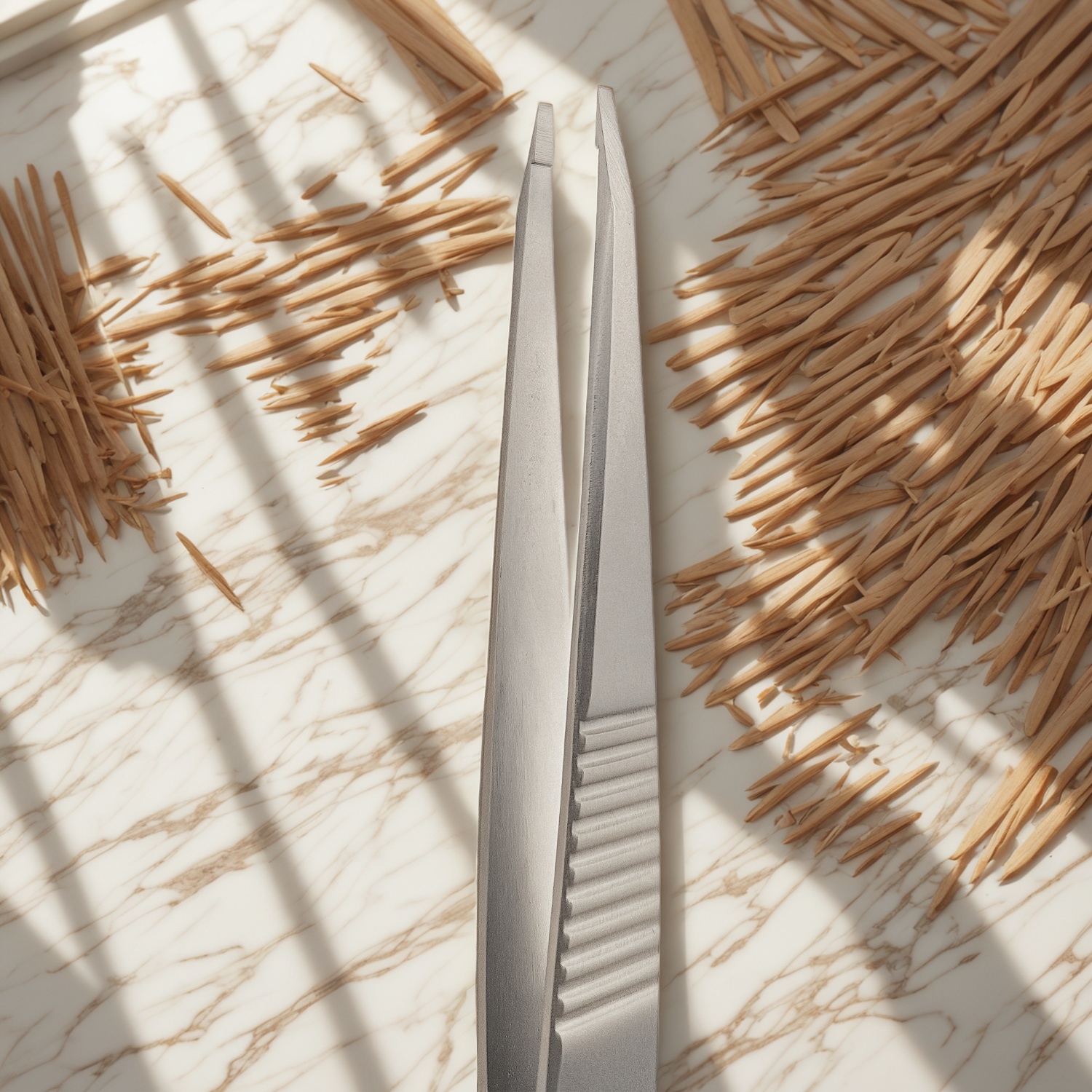
What separates reliable tweezers exporters from basic suppliers?
A reliable exporter should understand both product performance and the practical needs of cross-border buyers. Tweezers are not complicated in appearance, but production consistency matters. Tip alignment, spring tension, surface finish, edge smoothness, and packaging protection all influence how the tool feels when the end user opens it and uses it for the first time.
When reviewing potential suppliers, look for clear communication around what can be customized, how samples are approved, what quality checks are used, and how bulk goods are packed for transit. Buyers should also consider whether the exporter can support different market levels, from everyday retail tweezers to more refined professional tools. The best fit is not always the lowest quotation; it is the source that can repeatedly deliver the right quality at the right cost level.
Olimor Beauty focuses on stainless steel beauty tools with ergonomic design and functional performance. For buyers comparing product categories, the wider range of beauty tool products can help identify whether tweezers should be sourced alone or as part of a broader grooming or cosmetic accessory program.
Key performance details to check before placing a bulk order
Before ordering cheap tweezers in bulk, define what “cheap” should mean for your business. It should mean cost-efficient, scalable, and suitable for the sales channel, not poorly made. A low-cost tweezer still needs dependable gripping performance and safe finishing. If the tool pinches unevenly or slips on fine hairs, the savings disappear through returns, poor reviews, or weak sell-through.
Use the following checklist when comparing samples from tweezers exporters:
- Tip alignment: The tips should meet evenly without a visible gap. Slanted, pointed, or flat tips each require a different alignment standard.
- Grip strength: Tweezers should hold fine hairs or small cosmetic items without excessive hand pressure.
- Hand feel: The arms should flex smoothly and return without feeling too stiff or too loose.
- Surface finish: Edges should feel smooth, and the finish should look consistent across the visible surfaces.
- Material suitability: Stainless steel is widely used for tweezers because it supports durability and a clean appearance.
- Packaging protection: Tips should be protected during packing and shipping to reduce damage before retail display.
- Batch consistency: Randomly check several pieces from a sample run or shipment rather than judging from one hand-selected piece.
For distributors and retailers, these checks should be written into the buying process. They are simple, but they prevent many common problems in bulk beauty tool sourcing.
Custom made tweezers: where brand identity meets function
Custom made tweezers are useful when a brand wants to create a distinct product rather than sell a generic accessory. Customization can support brand recognition, but it should not interfere with the core function of the tool. A beautiful finish or logo placement is only valuable if the tweezer still grips accurately and feels comfortable in the hand.
Customization may involve visible and functional choices such as tip style, surface finish, textured grip, logo engraving, and packaging presentation. The original concept should begin with the end user. A brow studio, a beauty retail chain, an online cosmetic accessory brand, and a travel grooming kit may all need different tweezers even if they appear similar at first glance.
For example, a product intended for eyebrow shaping should prioritize precise tip contact and controlled tension. A multipurpose retail tweezer may need a balanced shape that works for general grooming. A promotional or kit accessory may require efficient packaging and strong value, while still passing basic comfort and quality checks. When discussing custom projects, prepare reference samples, preferred dimensions if available, artwork requirements, and the intended sales channel. This makes the development conversation more practical and reduces misunderstandings.
Bulk value sourcing without reducing customer trust
The phrase “cheap tweezers in bulk” can describe a smart purchasing strategy when it is handled carefully. Many buyers need competitive pricing for large-volume programs, seasonal kits, beauty subscription boxes, wholesale distribution, or retail refill orders. The challenge is to remove unnecessary cost without removing the features customers notice most.
Instead of only cutting the tool specification, review the full cost structure. Packaging complexity, finish selection, logo method, inspection level, carton configuration, and order planning can all affect the final landed cost. A simpler package with a reliable tweezer may perform better than an overly decorative presentation paired with inconsistent tool quality.
The following table shows practical sourcing priorities for different buying situations:
| Buying goal | Most important checks | Where to avoid cutting cost |
|---|---|---|
| Private-label beauty line | Logo clarity, finish consistency, retail packaging, sample approval | Tip alignment and visible surface quality |
| Wholesale bulk distribution | Unit consistency, carton protection, repeatable supply | Tip protection and batch inspection |
| Salon or professional use | Hand feel, grip precision, durability under repeated handling | Tension, edge smoothness, and ergonomic comfort |
| Gift set or cosmetic kit | Size fit, package compatibility, appearance, safe handling | Functional gripping and clean finishing |
This approach helps buyers maintain a value position while still protecting the reputation of the finished product line.
Questions to settle before sample approval
Sample approval is the best time to confirm details because changes become harder after bulk production begins. Buyers should evaluate both appearance and performance under realistic use. If the tweezers will be sold in a brow category, test them on fine hair. If they will be included in a compact grooming kit, check that the size and tip protection suit the package. If they will be shipped internationally in large cartons, consider whether the retail pack protects the tool during movement.
Important points to confirm include the approved tip style, finish, logo position, grip texture, packaging format, barcode or labeling needs, and any market-specific instructions required by the buyer. Keep an approved sample or signed specification record as a reference for future production. This protects both sides by making quality expectations visible.
Buyers planning a broader accessory launch may also review Olimor Beauty product collections to coordinate tweezers with related tools. Matching finish direction, packaging language, and quality level across several items can make a product range feel more coherent without requiring unnecessary complexity.
Maintenance and handling guidance for end users
Good sourcing does not end at delivery. Clear care instructions can reduce avoidable damage and improve customer satisfaction. Tweezers should be kept dry after cleaning, stored with the tips protected where possible, and not used as a pry tool or craft tool if they are sold for beauty care. Dropping tweezers tip-first can affect alignment, even when the material is durable.
Retail packaging or product inserts can include simple care language: clean after use, dry before storage, keep away from children, and protect the tips. These instructions are especially useful for private-label brands because they show attention to the full user experience, not just the sale.
Building a practical supplier comparison process
To compare tweezers exporters fairly, create a simple scorecard before requesting quotations. Include product quality, customization ability, sample communication, packaging support, export experience, and responsiveness. Price should be included, but it should not be the only deciding factor. A supplier that helps clarify specifications early can save time and reduce risk later.
For a custom made tweezers project, share your intended use, target retail level, preferred finish direction, logo artwork requirements, and packaging expectations. For bulk value orders, define the acceptable quality level and the features that cannot be compromised. If you are ready to discuss a sourcing program, you can send an inquiry with your project details or contact Olimor for communication on suitable options.
The right tweezers exporter should help you balance cost, consistency, and user experience. With stainless steel construction, ergonomic design attention, and custom production support, Olimor Beauty is positioned to help buyers develop tweezers that fit both brand goals and practical market needs.
Tag: