

Choosing a Tweezers Exporter for Reliable Beauty Tool Supply
For beauty retailers, distributors, salon suppliers and private label brands, tweezers look simple at first glance. In practice, they are precision tools. A small difference in tip alignment, edge finishing, spring tension or surface treatment can decide whether a customer keeps using the tool or returns it. That is why choosing a tweezers exporter should be treated as a sourcing decision, not just a price comparison.
A dependable exporter helps buyers translate market expectations into a practical product specification: which tip shape is suitable, how the tool should feel in the hand, what packaging is appropriate for the sales channel, and how quality should be checked before shipment. Olimor Beauty supplies beauty and personal care tools for business buyers and supports OEM/ODM discussions for brands that need a tailored product line. You can browse related beauty tool products or review broader product collections while planning your range.
What Buyers Should Evaluate Before Choosing a Tweezers Exporter
The best exporter for your business is not always the one with the longest product list. It is the one that can help you define the right tweezers for your customer, maintain consistent finishing, and communicate clearly through sampling, production and shipment preparation. Buyers should start by deciding where the tweezers will be sold and how they will be used.
A professional salon channel may value exact tip contact and a stable grip. A retail beauty aisle may require attractive packaging and a balanced price point. A travel or gift set may need compact sizing and coordinated colors. A private label skincare brand may want a cleaner, minimal appearance that matches its existing packaging system. These differences affect the sourcing brief.
- Target user: retail consumers, salon professionals, travel buyers, gift set customers or promotional clients.
- Use case: eyebrow grooming, fine hair removal, general beauty maintenance or inclusion in a grooming kit.
- Sales channel: e-commerce, beauty stores, pharmacies, salons, distributors or private label programs.
- Brand position: value, everyday quality, premium presentation or coordinated accessory range.
- Compliance and documentation needs: market-specific labeling, packaging information and import paperwork requirements.
Tip Shape, Alignment and Hand Feel Matter More Than Decoration
Color, finish and packaging help sell a product, but tweezers earn repeat purchases through performance. Tip geometry is one of the most important factors. Slant tips are commonly chosen for eyebrow grooming because they combine control with visibility. Pointed tips can be useful for fine, precise work but may require more careful handling by the user. Flat or straight tips may suit general tasks, depending on the buyer’s range.
Tip alignment should be checked from multiple angles. The two ends should meet cleanly without an obvious gap, twisting or uneven pressure. When the tips close, they should grip fine material consistently, not only at one corner. The closing action should feel controlled: too stiff and the tool becomes tiring; too loose and it may feel weak or imprecise.
Hand feel is another practical criterion. Edges should be smooth enough for comfortable handling. The body should provide enough resistance for control without feeling sharp, slippery or awkward. If a product is intended for repeated salon use, the grip and pressure balance become even more important. For consumer retail, the tool should be intuitive for people who are not trained professionals.
Material and Finishing Questions for Tweezers Sourcing
The supplied article references stainless steel forging and quality checks, and stainless steel is widely used for beauty tweezers because it can provide strength, durability and a clean appearance when properly processed. However, buyers should avoid relying on material names alone. The full result depends on forming, polishing, tip grinding, surface finishing, cleaning and final inspection.
When comparing suppliers, build your questions around the finished tool rather than only the raw material. Ask how tip contact is checked, how surface defects are identified, whether samples represent mass production finishing, and how packaging protects the tips in transit. If you are sourcing for a humid retail environment or long storage cycle, pay attention to surface protection and packaging choices.
| Selection Area | What to Check | Why It Matters |
|---|---|---|
| Tip alignment | Even contact, no visible gap, stable grip | Determines hair-gripping performance |
| Edge finishing | Smooth outer edges and comfortable handling | Reduces discomfort during use |
| Spring tension | Controlled opening and closing feel | Affects precision and user fatigue |
| Surface quality | Consistent polish, coating or color finish | Supports retail appearance and brand trust |
| Packaging protection | Tip cap, insert, pouch or secure retail pack | Helps prevent damage before sale |
OEM/ODM Tweezers: What Can Be Customized Sensibly
OEM/ODM tweezers can help a brand build a recognizable product line, but customization should be practical. The goal is not to add features for their own sake; it is to match the tool to the buyer’s channel, customer expectations and packaging system. Possible discussion points include color direction, surface finish, handle shape, logo placement, retail packaging, set configuration and accessory pairing.
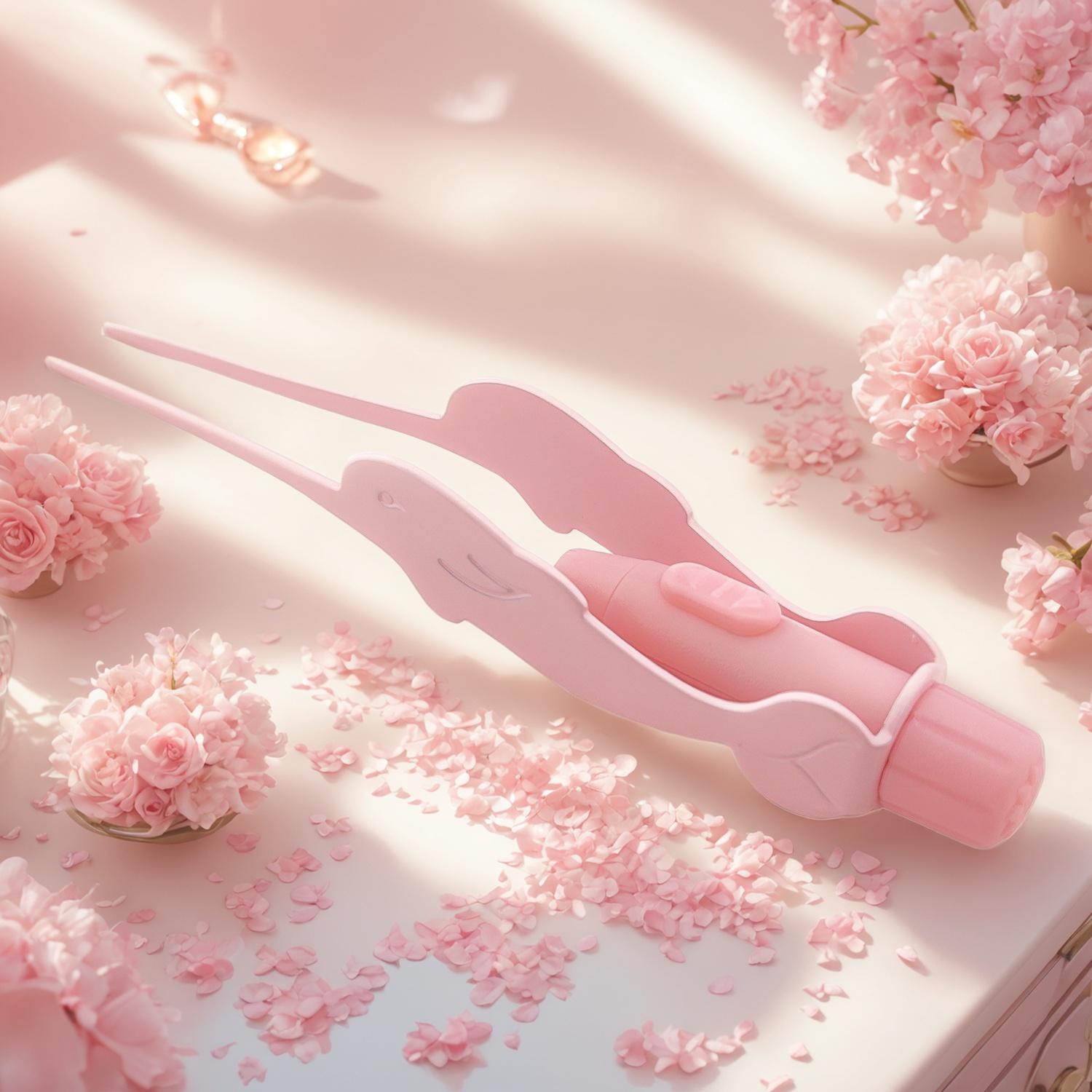
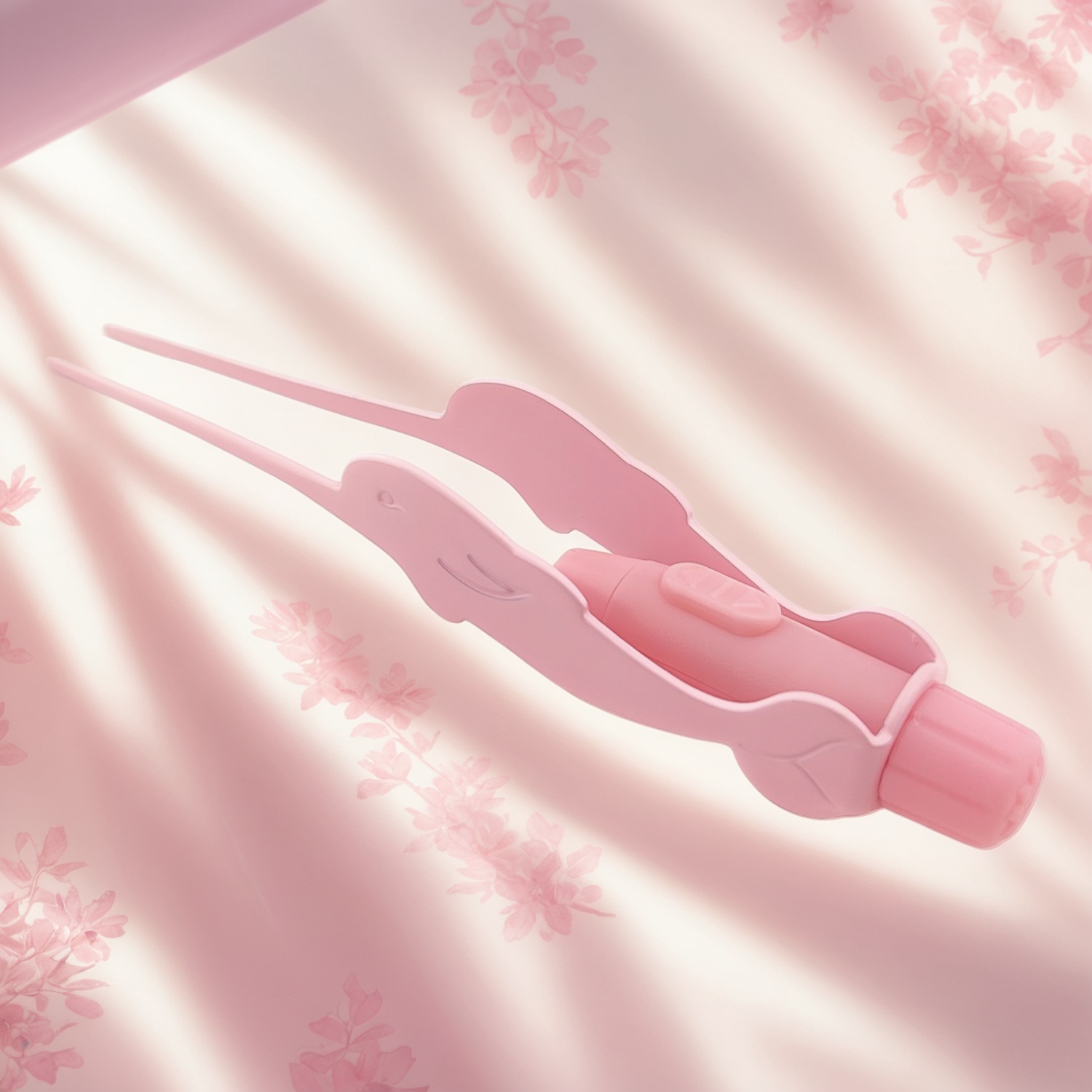
The original product information also mentions the chic “Pink Flamingo” LED Ear Wax Removal Tool and a dual-ended pink ear cleaner as examples of adjacent grooming items. If your business sells a wider personal care range, it may make sense to coordinate tweezers with related grooming tools through color, packaging style or set presentation. At the same time, tweezers should still be specified according to their own performance requirements, especially tip contact and hand feel.
For private label projects, prepare a simple but complete brief before sampling. Include your intended market, expected retail positioning, preferred finish, packaging format, logo requirements and any handling preferences. If you do not yet know the exact specification, request comparable options and evaluate them side by side. This is often more useful than choosing from photos alone.
Quality Control Points to Confirm Before Shipment
Quality control for tweezers should be visible in the sourcing process. Buyers do not need to manage every production detail, but they should define what an acceptable product looks and feels like. A good sample approval process should include physical testing, packaging review and agreement on appearance standards.
- Approve a reference sample: Keep a sealed or clearly identified sample for comparison during future production.
- Check functional performance: Test whether the tips grip fine hair or fine fibers consistently along the contact point.
- Inspect appearance: Look for scratches, uneven color, stains, burrs, dents or inconsistent polishing.
- Review packaging fit: Make sure the tweezers do not move excessively inside the pack and that the tips are protected.
- Confirm labeling needs: Align product name, barcode area, country-specific text and brand information before mass printing.
- Plan carton handling: Consider how retail packs will be arranged, protected and identified for warehouse receiving.
These steps help reduce common problems such as attractive packaging paired with weak tip performance, or good tools arriving with damaged retail boxes. They also make communication easier if the order will be repeated in future seasons.
How Importers Can Build a Strong Tweezers Range
A focused product range is often stronger than a broad but inconsistent one. Instead of sourcing many similar tweezers at once, buyers can build a clear structure: one everyday slant tweezer, one more precise option, one travel-friendly pack, or one coordinated set with other grooming accessories. The exact mix depends on your channel.
For e-commerce, product photography and clear descriptions are critical. Customers need to understand the tip type, size impression, packaging and intended use. For retail distribution, shelf presentation and barcode-ready packaging may matter more. For salon supply, durability, replacement consistency and professional handling are important. For private label programs, the product should match the brand’s tone without compromising function.
It is also helpful to collect customer feedback after launch. Complaints about slipping, weak grip or uncomfortable pressure may indicate a need to adjust tip finishing or tension. Positive feedback about grip, appearance or packaging can guide reorder decisions. Sourcing improves when it is connected to real market response.
Working With Olimor Beauty on Tweezers and Grooming Tools
Olimor Beauty supports buyers looking for tweezers and related personal care tools, including OEM/ODM discussions for customized product presentation. The most productive conversations begin with a clear sourcing purpose: Are you building a private label line, replacing an existing supplier, testing a new retail category or expanding a grooming set? From there, the discussion can move toward sample options, packaging needs and order planning.
If you are comparing exporters, prepare your checklist before requesting samples. Include the tip shape you prefer, the retail channel, expected packaging style and any brand elements you want considered. If your project is still early, you can review available beauty tool products and then contact Olimor to discuss suitable directions. For sourcing projects with defined requirements, you can also send an inquiry with your target market and customization notes.
Choosing a tweezers exporter is ultimately about consistency. A good product should look right in the package, feel right in the hand and perform reliably when the customer uses it. By focusing on tip precision, finishing, packaging protection and a clear OEM/ODM brief, buyers can build a tweezers range that supports both brand reputation and repeat sales.
Tag: