

How to Choose Pedicure Tool Suppliers for Reliable Salon Manicure and Pedicure Tools
For salons, nail studios, beauty distributors, and professional technicians, pedicure tool sourcing is not only a purchasing task. The right supplier affects service consistency, tool hygiene, client comfort, staff efficiency, and the way a salon manages replacement stock. A cuticle pusher may look simple, but when it is used repeatedly in manicure and pedicure services, small differences in material, edge finish, balance, and cleanability can influence daily work.
Olimor Beauty supplies stainless steel beauty tools for professional and personal care use, including the Classic Dual-Ended Stainless Steel Cuticle Pusher referenced for manicure and pedicure services. For buyers comparing pedicure tool suppliers, the goal should be to identify tools that are durable, precise, easy to sanitize, and suitable for consistent salon handling rather than choosing only by appearance or lowest unit cost.
Why Supplier Choice Matters for Pedicure and Manicure Services
Pedicure and manicure tools are handled frequently, cleaned repeatedly, and expected to perform with controlled pressure around sensitive nail and cuticle areas. A poor-quality tool can create uneven pushing, uncomfortable scraping, or premature wear. For salon teams, inconsistent tools also make training harder because each technician may need to adjust technique depending on the item in hand.
Reliable pedicure tool suppliers help buyers maintain a stable baseline. When tools are made with attention to durability and precision, salons can standardize service steps more easily. This is especially important for businesses that buy in bulk, open multiple workstations, or supply technicians across different locations.
When reviewing suppliers, buyers should look beyond a product photo. Consider whether the supplier can provide clear product descriptions, stable communication, and sensible quality-control expectations. For professional buyers reviewing wider options, Olimor’s beauty tool products page is a practical starting point for comparing available personal care tools and identifying items that fit salon use.
What to Look for in a Stainless Steel Cuticle Pusher
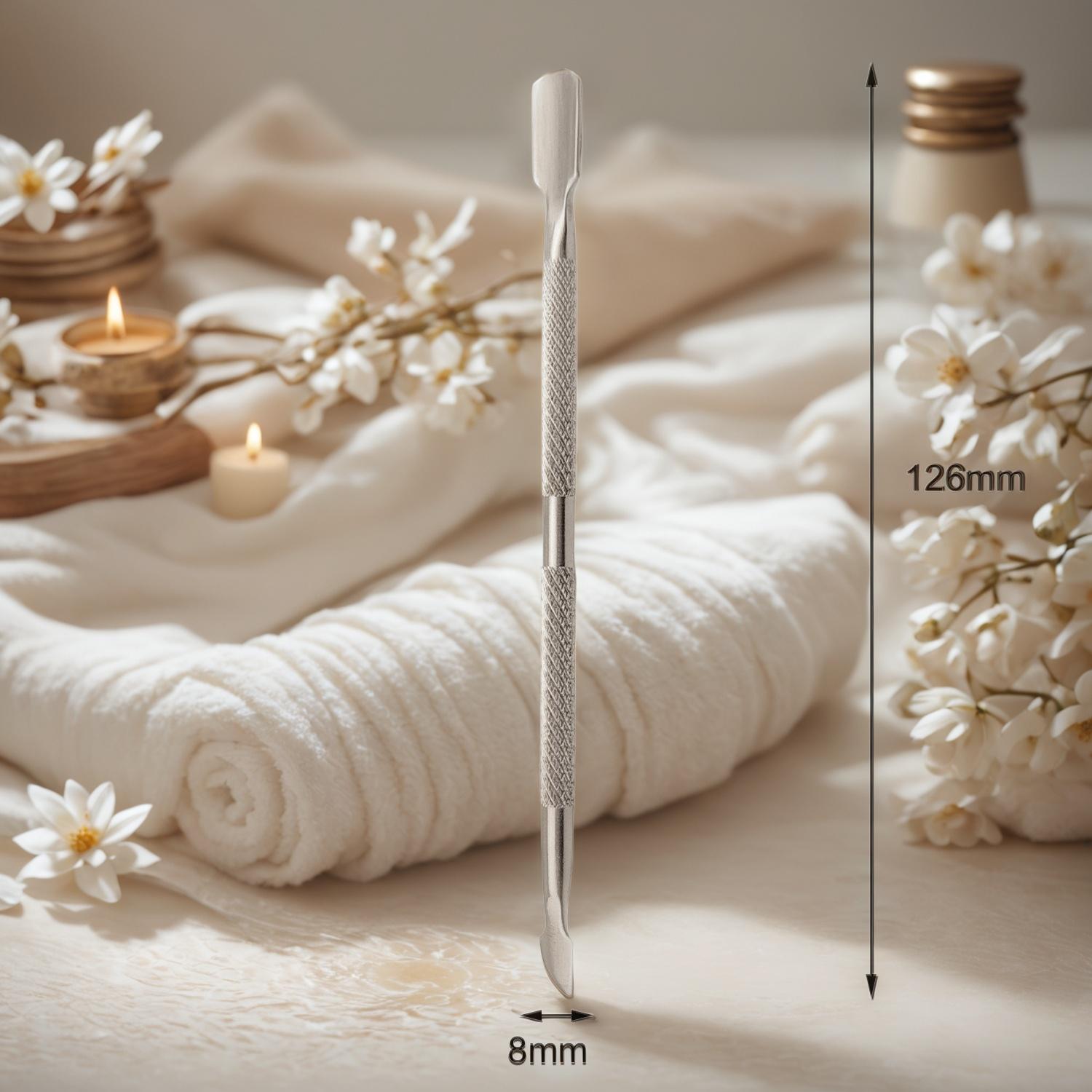
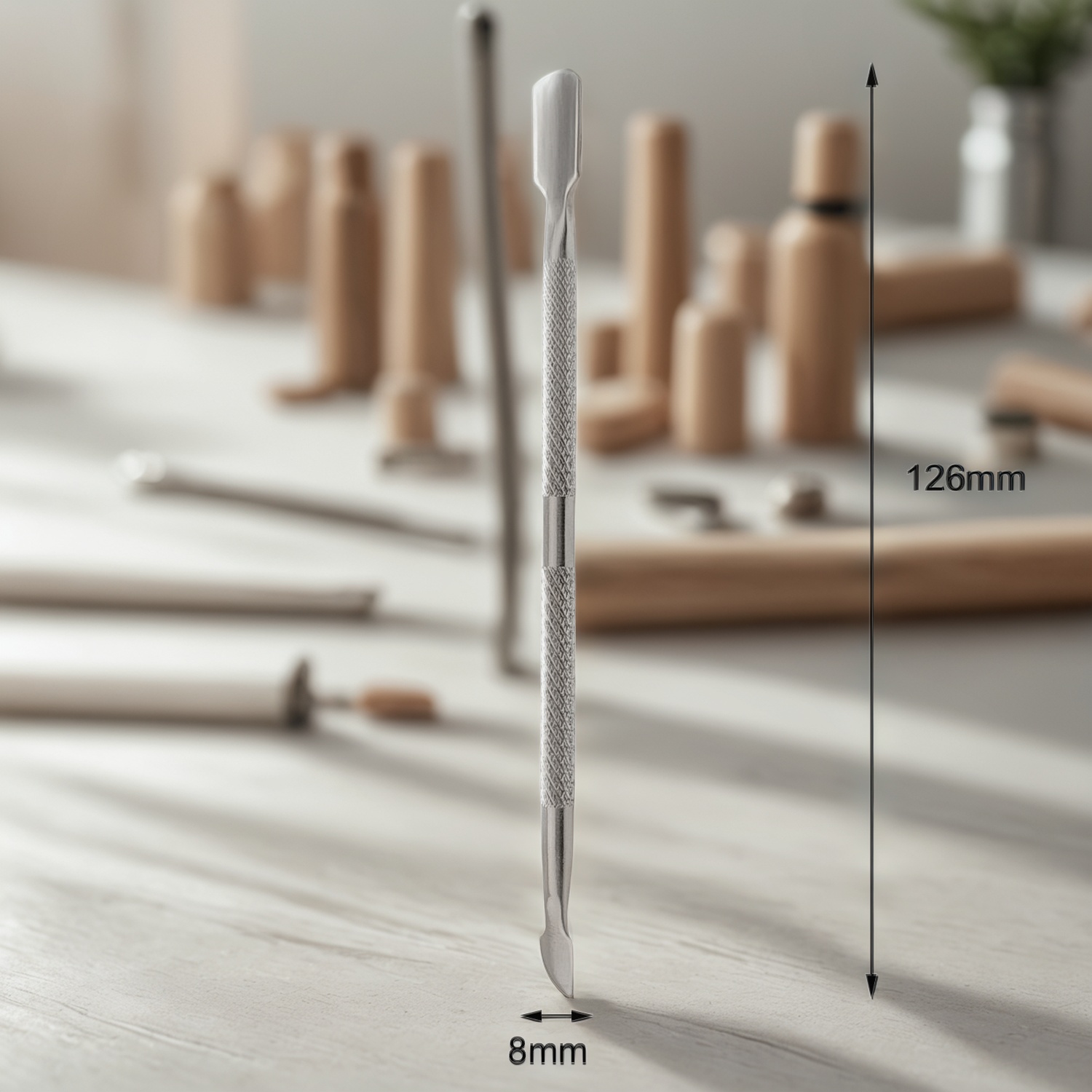
A cuticle pusher is commonly used to gently push back cuticles and help prepare the nail surface during manicure or pedicure care. The Classic Dual-Ended Stainless Steel Cuticle Pusher is described as stainless steel, ergonomic, rust-free, easy to sanitize, durable, and precise. These are useful qualities for salons because the tool must be comfortable to control and simple to maintain between uses.
When evaluating a stainless steel cuticle pusher from any pedicure tool supplier, focus on practical handling rather than decorative claims. The tool should feel stable in the hand, with ends shaped for controlled use. A dual-ended design can be useful because it allows technicians to handle different nail shapes or service steps without immediately switching tools.
- Material suitability: Stainless steel is valued in salon tools because it supports durability and routine sanitation when maintained correctly.
- Edge comfort: The working ends should be precise without feeling harsh or poorly finished.
- Grip and balance: Ergonomic handling helps technicians work with controlled pressure, especially during repeated appointments.
- Cleaning practicality: Smooth, easy-to-sanitize surfaces reduce unnecessary buildup and support better tool care procedures.
- Consistency across bulk orders: Salons need tools that feel and perform consistently from one workstation to another.
Bulk Beauty Products for Salons: Buying for Consistency, Not Just Quantity
Bulk buying can help salons keep enough tools available for daily appointments, replacements, staff kits, and hygiene rotation. However, buying bulk beauty products for salons should not mean accepting vague quality. A large order of unreliable tools can create more waste, more complaints, and more staff frustration than a smaller order of well-selected products.
Before placing a bulk order, salons should define how the tools will be used. A busy nail salon may need separate sets for manicure stations, pedicure chairs, mobile technicians, and backup stock. A distributor may need packaging suitability, repeat availability, and product descriptions that make sense for professional buyers. Training schools may prioritize durability and ease of cleaning because students are still developing technique.
A simple purchasing plan helps prevent overbuying the wrong item. Estimate how many technicians need tools, how many sets should be in cleaning rotation, and how frequently replacements are expected. This turns supplier comparison into a practical decision rather than a purely price-based negotiation.
Questions to Compare Pedicure Tool Suppliers
Good sourcing decisions come from specific questions. Instead of asking only whether a tool is “high quality,” buyers can review the supplier’s product details, inspection approach, materials, and suitability for professional use. Olimor Beauty is described as having technical commitment, stringent quality assurance, and tight inspections for tools such as the cuticle pusher. For buyers, that kind of supplier focus is relevant because tools must perform reliably across repeated salon services.
| Buyer checkpoint | Why it matters |
|---|---|
| Tool material and finish | Supports durability, cleaning, and consistent contact with the nail area. |
| Working-end shape | Affects precision, technician control, and client comfort. |
| Sanitation compatibility | Tools should be easy to clean and maintain according to salon hygiene procedures. |
| Bulk order consistency | Salons and distributors need repeatable quality across multiple units. |
| Supplier communication | Clear answers reduce errors in product selection, packaging, and reorder planning. |
If you are comparing items for a new salon setup, retail assortment, or technician kit, it is useful to review available product collections and group tools by service type. This makes it easier to decide whether a single cuticle pusher is enough or whether it should be sourced alongside other manicure and pedicure essentials.
Professional Use Cases for Dual-Ended Cuticle Pushers
Dual-ended cuticle pushers are useful across several buyer profiles. In a professional nail salon, they support standard preparation steps before polish, gel, or general nail grooming. For pedicure services, they help technicians work carefully around toenails where access and angles differ from fingernails. For training environments, the tool gives students a practical way to learn pressure control and sanitation routines.
Wholesale personal care tools also serve beauty distributors, spa suppliers, and retailers that sell to both professionals and informed home users. In these channels, the product description should be clear: stainless steel construction, dual-ended functionality, ergonomic handling, and easy sanitation are more meaningful than broad beauty claims. Buyers want to understand how the item performs in real use.
For home users, a professional-style stainless steel cuticle pusher can be valuable when used carefully and cleaned properly. However, the audience for bulk sourcing is often professional, so suppliers should present the tool in a way that addresses salon workflow, not only individual grooming.
Maintenance and Hygiene Considerations
Even a durable stainless steel tool needs proper care. Salons should build clear cleaning and storage routines so tools remain ready for service. Because the cuticle area is sensitive, hygiene cannot be treated as an afterthought. A tool that is easy to sanitize supports better daily practice, but the salon still needs a consistent process.
- Remove visible residue immediately after use according to the salon’s cleaning procedure.
- Clean the tool thoroughly before any sanitation or disinfection step used by the business.
- Dry tools properly before storage to help preserve the surface condition.
- Store clean tools separately from used tools to avoid cross-contamination.
- Inspect working ends regularly and remove damaged tools from service.
Maintenance should also be part of supplier evaluation. If a tool has rough areas, unnecessary crevices, or inconsistent finishing, it may be harder to clean well. Smooth stainless steel construction and simple tool geometry are practical advantages for manicure and pedicure environments.
How to Decide Whether a Supplier Fits Your Salon or Wholesale Program
The best pedicure tool supplier for one buyer may not be the best for another. A boutique nail studio may prioritize feel in the hand and a polished appearance at each station. A wholesale buyer may focus on repeat availability and consistent product presentation. A training academy may need tools that withstand frequent use while remaining straightforward for beginners.
Use a structured review before committing to larger quantities. Compare the product description, visible finish, intended use, sanitation practicality, and how the supplier responds to technical questions. If you need to discuss tool selection for salon purchasing or wholesale personal care tools, you can contact Olimor or send an inquiry with your intended use and quantity planning needs.
Pedicure tool sourcing is ultimately about reducing uncertainty. A stainless steel, dual-ended cuticle pusher that is durable, precise, ergonomic, rust-free, and easy to sanitize can support both manicure and pedicure work when selected and maintained correctly. For salons and professional buyers, choosing a reliable supplier helps create a more consistent service experience, better tool rotation, and a purchasing process that supports long-term operations.
Tag: