

How to Choose Pedicure Tool Suppliers for Salon and Wholesale Buying
Choosing pedicure tool suppliers is not only a purchasing task. For salon owners, nail technicians, beauty distributors, and personal care retailers, the supplier you choose affects service consistency, hygiene workflows, customer trust, and repeat purchasing. A low-cost tool that bends, scratches easily, feels uncomfortable in the hand, or arrives with inconsistent finishing can create more problems than it solves.
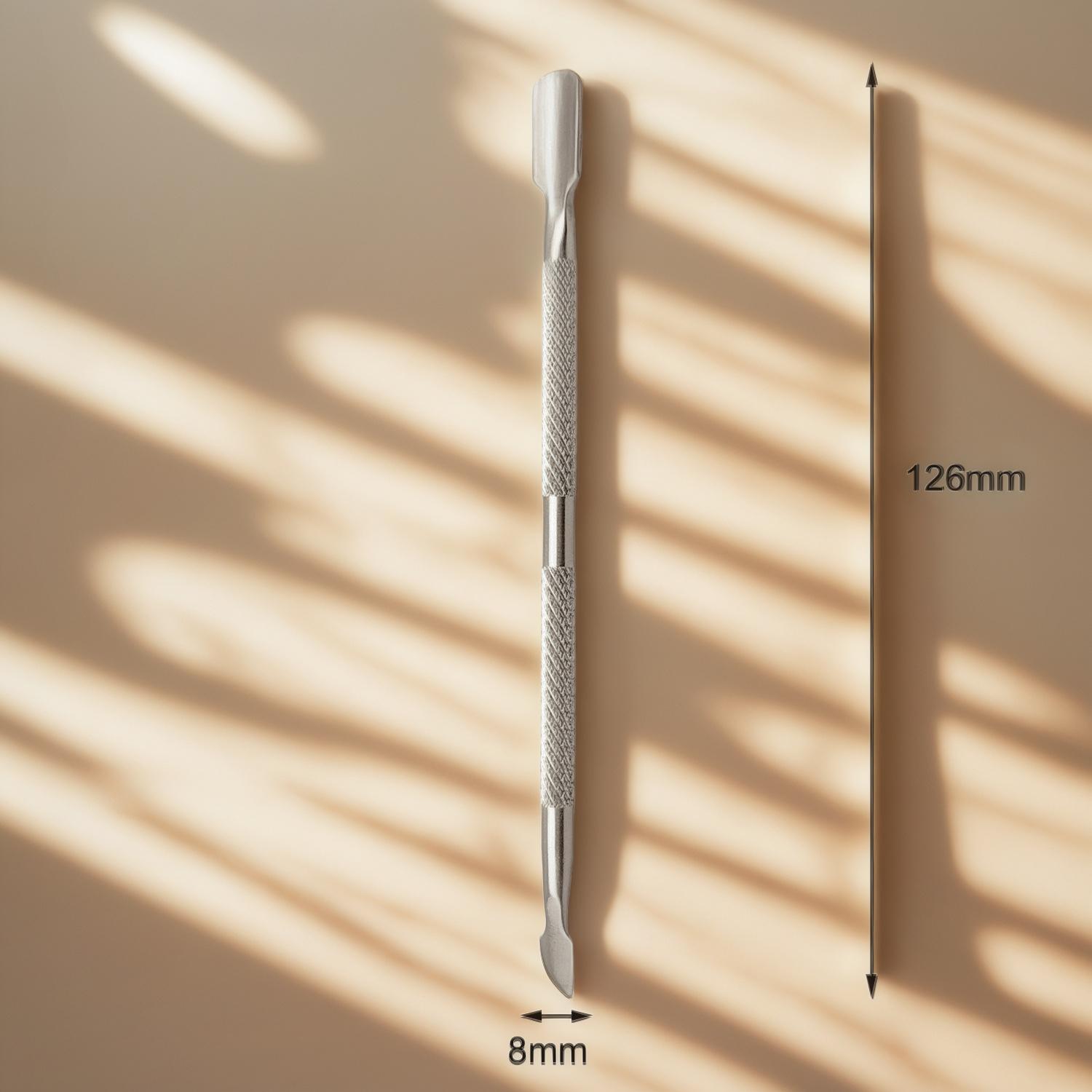
This guide focuses on practical buying criteria for pedicure and nail care tools, especially stainless steel tools such as the Dual-ended Stainless Steel Cuticle Pusher from Olimor Beauty. It is written for buyers comparing wholesale options, stocking salons, or adding personal care tools to a retail assortment. Instead of relying on vague claims, use the checkpoints below to evaluate tool design, supplier communication, maintenance needs, and order suitability.
What a Reliable Pedicure Tool Supplier Should Help You Control
Pedicure tools are handled repeatedly, cleaned often, and used in close contact with the nail and surrounding skin. A reliable supplier should help you maintain predictable quality across every order rather than simply provide a catalog. For salon buyers, that means tools should feel consistent from one technician’s station to another. For distributors, it means the product should be easy to explain, package, and reorder.
When comparing pedicure tool suppliers, look beyond the product photo. Consider whether the supplier can support your intended use case. A professional salon may need bulk beauty products for salons that can withstand frequent cleaning and daily use. A retail buyer may prioritize a clean appearance, comfortable grip, and easy-to-understand function for at-home users. A distributor may need a stable supply of personal care tools wholesale that fits different customer segments without overcomplicating the product line.
Olimor Beauty offers beauty tool products for professional and personal care applications, including stainless steel tools designed for nail grooming tasks. You can browse related beauty tool products to compare categories and identify items suitable for salon use, retail programs, or wholesale sourcing.
Why Stainless Steel Matters for Cuticle and Pedicure Tools
Stainless steel is commonly used for nail and pedicure tools because it supports durability, a smooth working surface, and repeated cleaning when properly maintained. For a cuticle pusher, the material is especially important because the tool must maintain its shape and surface finish through repeated use. A tool that feels rough, uneven, or weak can reduce control and may create a poor user experience.
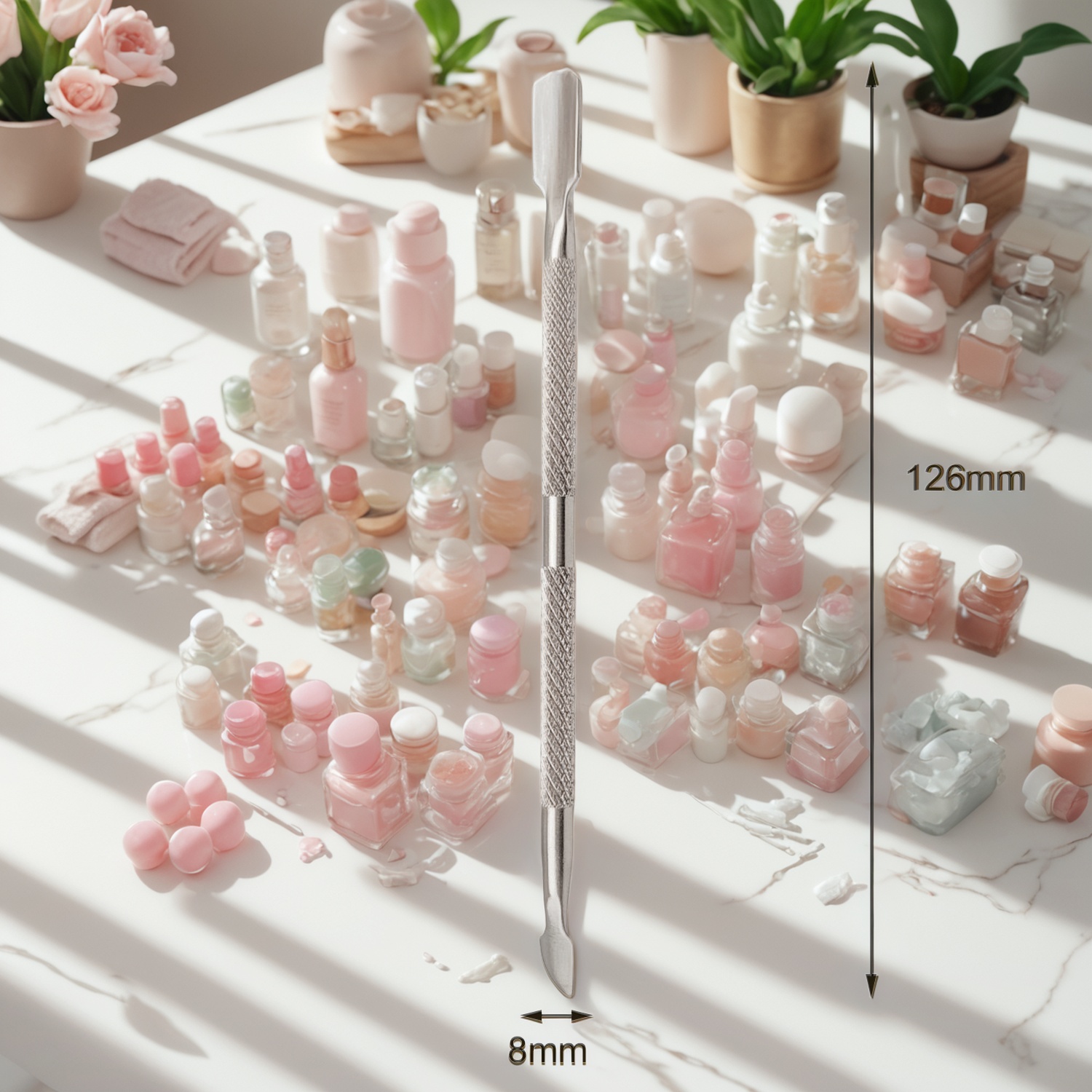
The Dual-ended Stainless Steel Cuticle Pusher is a practical example of a tool category where material and finishing both matter. A dual-ended design can support more than one grooming motion, while stainless steel construction helps the tool remain stable during routine use. When evaluating similar tools from any supplier, inspect how the working edges are finished, whether the handle is comfortable to hold, and whether both ends are shaped with a clear purpose.
For wholesale buyers, stainless steel also simplifies product education. It is easier to explain why a salon or end user should choose a durable, reusable tool when the material is familiar and the tool’s purpose is clear. However, stainless steel alone is not enough. The overall design, finishing, inspection process, and packaging consistency still determine whether the product is suitable for professional or retail sale.
Key Selection Criteria for Salon and Wholesale Buyers
Before placing a wholesale order, define what the tool must do for your business. A salon may measure success by technician comfort and long service life. A retailer may focus on presentation, safe storage, and customer satisfaction. A distributor may compare supplier responsiveness, product consistency, and reorder reliability.
Use this checklist when comparing pedicure tool suppliers:
- Material suitability: Confirm that the tool material fits the intended cleaning process and daily handling needs. For stainless steel tools, review surface smoothness and overall finish.
- Functional design: For a dual-ended cuticle pusher, check whether each end has a useful shape and whether the transition between handle and working end feels stable.
- Ergonomics: A tool used many times per day should be comfortable to grip and easy to control without forcing the technician’s hand position.
- Finish consistency: Look for uniform polishing, clean edges, and a professional appearance across multiple samples rather than judging a single item only.
- Inspection approach: Prioritize suppliers that pay attention to quality controls and product checks during production, not only after packing.
- Wholesale practicality: Consider whether the product is easy to store, distribute, reorder, and combine with other salon essentials.
- End-user clarity: If the product will be sold at retail, make sure the function is easy to understand and the tool does not require excessive explanation.
These criteria help prevent overbuying based on price alone. A cheaper tool can become expensive if it leads to complaints, returns, inconsistent service quality, or early replacement.
How to Compare Bulk Beauty Products for Salons
Buying bulk beauty products for salons requires a different mindset from buying a single tool for personal use. In a salon, tools must fit into service routines, storage systems, cleaning procedures, and staff preferences. A cuticle pusher that feels acceptable for occasional use may not be comfortable for technicians performing multiple services each day.
When assessing bulk options, create a small internal review process. Have more than one technician handle the tool. Compare how it feels during typical nail preparation tasks. Review whether the grip remains comfortable when hands are dry, damp, or wearing gloves. Check whether the tool is easy to identify and return to the correct station after cleaning.
It is also useful to evaluate how the tool fits with your wider salon inventory. Pedicure tools are often purchased alongside nail care implements, grooming accessories, and other personal care items. A supplier that offers a broader selection can make category planning simpler. Olimor buyers can review product collections to consider how individual tools may fit into a more complete sourcing plan.
Maintenance and Handling Considerations for Reusable Tools
Even a well-made pedicure tool performs best when it is maintained correctly. Reusable stainless steel tools should be handled with care to preserve their surface finish and working edges. Proper cleaning and storage also support a more professional salon environment.
Basic handling habits can extend the useful life of the tool. Avoid dropping tools into hard containers where edges can collide. Keep cleaned tools dry before storage. Store them in a way that prevents rubbing against sharp or abrasive items. For salon settings, align maintenance practices with your local hygiene rules and internal service protocols.
For at-home users, maintenance is usually simpler but still important. A personal cuticle pusher should be cleaned after use, dried thoroughly, and stored away from moisture. Users should avoid using excessive force and should not use a cuticle tool for tasks it was not designed to perform. Clear aftercare guidance can reduce misuse and improve customer satisfaction when tools are sold through retail channels.
Questions to Prepare Before Sending a Wholesale Inquiry
A well-prepared inquiry helps both the buyer and supplier move faster. Instead of sending a general request for pedicure tools, outline your business type, target market, and expected use case. This helps narrow the discussion to suitable products and avoids unnecessary back-and-forth.
Before you send an inquiry, prepare the following information:
- Your business type, such as salon, distributor, retail store, or e-commerce seller.
- The product category you are sourcing, such as stainless steel cuticle pushers or broader pedicure tool assortments.
- Your intended market, including professional salon use, personal home care, or mixed channels.
- Any packaging, labeling, or assortment requirements you need to evaluate.
- Your preferred timeline for sampling, review, and potential repeat ordering.
- Any quality points that are especially important, such as handle comfort, surface finish, or consistency across bulk quantities.
These details make the sourcing conversation more productive without requiring you to know every technical specification in advance. If you are comparing several beauty tool categories, you can also contact Olimor to discuss which items are most relevant to your buying plan.
Supplier Fit: Matching Product Quality With Your Sales Channel
The best pedicure tool supplier for one buyer may not be the best for another. A high-traffic salon needs tools that support efficient professional service. A retail brand needs products that are easy for consumers to understand and use responsibly. A distributor needs stable product presentation and practical wholesale handling.
For professional salons, focus on durability, cleaning compatibility, and technician comfort. For retail buyers, consider whether the tool can be presented clearly and whether its function is obvious to a first-time buyer. For wholesale distributors, look at consistency, category coverage, and communication. A supplier that understands these differences can help you choose products that fit the way you actually sell or use them.
Olimor Beauty’s pedicure and nail care tools are positioned for buyers who need practical personal care tools wholesale rather than decorative items with little functional value. The Dual-ended Stainless Steel Cuticle Pusher reflects a product category where simple design decisions, material choice, and inspection discipline can have a real impact on user experience.
Making a Confident Pedicure Tool Sourcing Decision
Finding the right pedicure tool suppliers is about balancing product function, quality consistency, wholesale practicality, and end-user needs. Do not rely only on a low unit price or a polished photo. A strong sourcing decision considers how the tool feels in hand, how it performs during repeated use, how it is maintained, and how well it fits your sales channel.
If you are sourcing for a salon, start with the tools your technicians use most often and evaluate them carefully. If you are buying for retail or distribution, prioritize clear function, durable materials, and supplier communication. Stainless steel pedicure tools, including dual-ended cuticle pushers, can be a dependable part of a professional or personal care assortment when selected with these criteria in mind.
By approaching wholesale buying with a structured checklist, you reduce avoidable quality issues and build a more dependable beauty tool offering for your customers, technicians, or retail buyers.
Tag: