

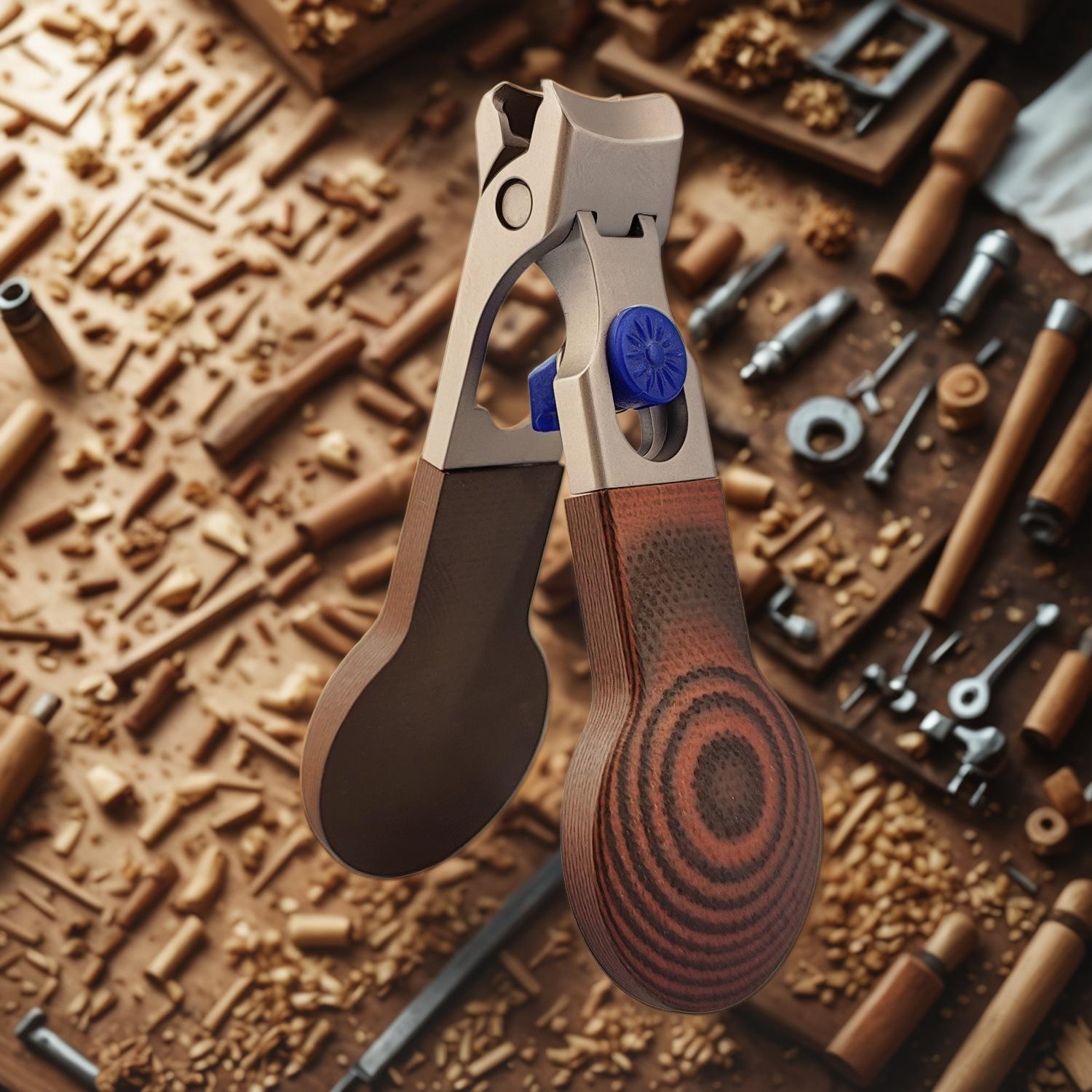
How to Choose a Nail Clippers Supplier for Beauty and Grooming Lines
Nail clippers look simple, but they are one of the grooming tools customers judge quickly. A clipper either cuts cleanly, feels controlled in the hand and stays reliable, or it creates rough edges, pinching and returns. For salons, retailers, distributors and beauty brands, choosing the right nail clippers supplier is not only a purchasing task. It affects customer trust, repeat orders and the overall impression of a personal care range.
Olimor Beauty works in the beauty-tools category where consistency, comfort and inspection matter. If you are comparing suppliers for nail clippers, grooming kits or wholesale beauty accessories, the most useful approach is to look beyond a product photo and check how the tool is designed, made, inspected and prepared for your sales channel.
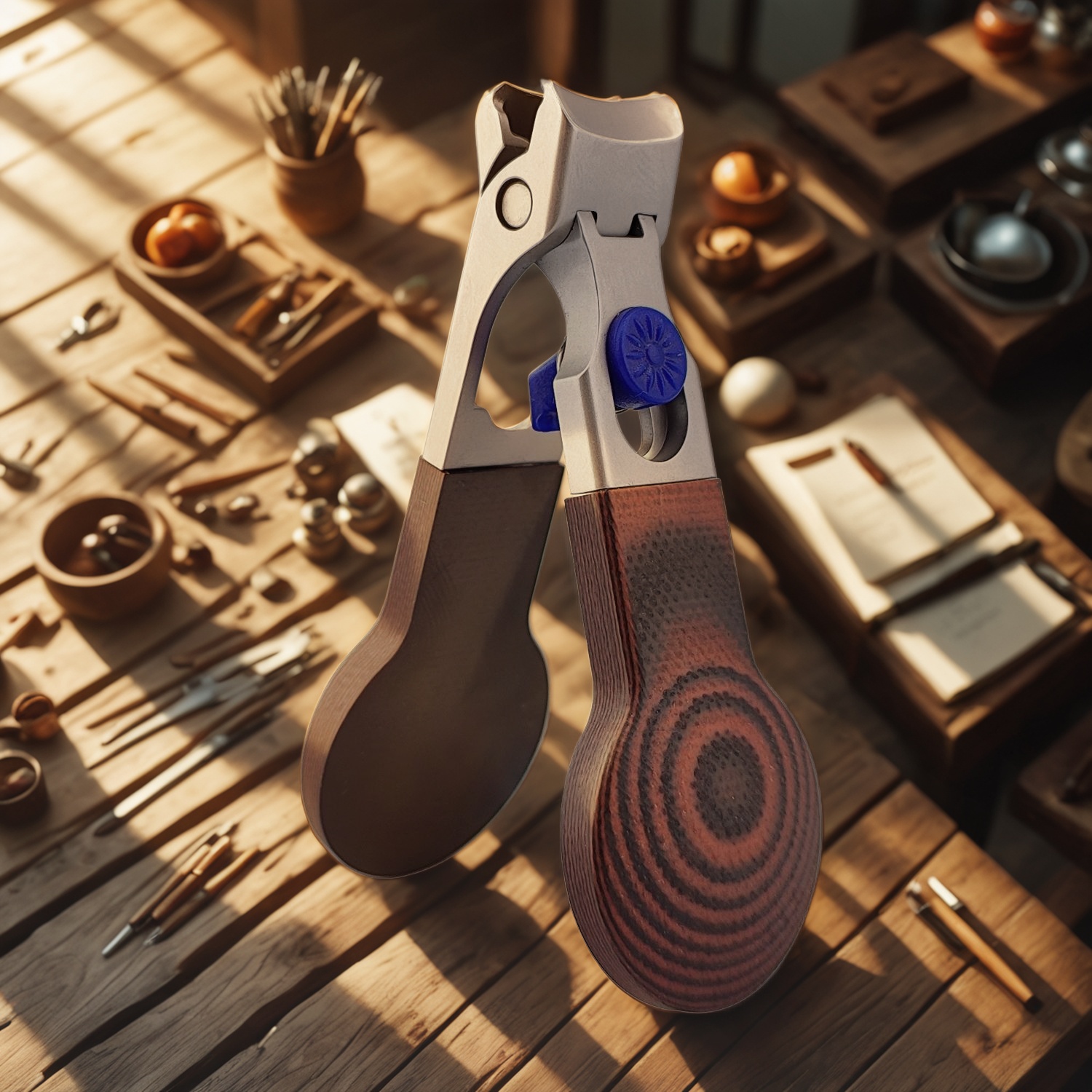
Why Nail Clipper Quality Matters in a Grooming Range
A nail clipper is often a small-ticket item, but it has a high-contact function. Customers use it on fingernails, toenails and sometimes in shared family or salon environments. A poor clipper can leave jagged edges, require repeated pressure or feel unsafe around the nail bed. A better clipper gives a controlled cut, stable grip and predictable movement.
For buyers, that means nail clippers should be assessed as functional tools, not just accessories. In a retail display, the finish, weight and appearance may attract attention. During actual use, however, the cutting edge alignment, lever tension and hand comfort decide whether the customer buys again. This is why a dependable nail clippers supplier should be able to support both visual presentation and practical performance.
Material and Cutting Edge Considerations
The supplied product information highlights high-grade stainless steel as a material used for tools such as the Luxury Nail Clipper. Stainless steel is commonly valued in grooming tools because it supports durability, clean appearance and easier maintenance. For commercial sourcing, the key is not simply to see the words “stainless steel,” but to evaluate whether the finished clipper feels solid and performs consistently.
When reviewing samples, pay attention to the cutting jaws. They should meet evenly from side to side, without obvious gaps or misalignment. The edge should cut the nail in one controlled motion instead of crushing it. The lever should provide enough pressure without requiring excessive force. If the clipper is intended for toenails, consider whether the jaw opening and leverage are suitable for thicker nails, while still remaining easy to control.
Surface finishing also matters. Sharp burrs, rough corners and uneven plating can affect the user experience even when the cutting edge is acceptable. For beauty and grooming sales channels, a refined finish helps the tool feel more hygienic and giftable, especially if it will be part of a grooming kit or travel set.
Ergonomics: Comfort, Control and Daily Use
The original product description notes an ergonomic design intended to improve comfort and precision. In practice, ergonomics for nail clippers should be judged by how naturally the tool sits in the hand and how much control the user has during the cut. A clipper that looks sleek but slips under pressure can create frustration. A clipper with a lever that is too short may be difficult for some users. A tool that is too bulky may be inconvenient for travel kits.
Different sales channels may need different handling characteristics. A salon may prefer a stable, sturdy clipper that withstands frequent use. A travel retail buyer may prioritize compact size and protective packaging. A personal care brand may want a balanced design that works for broad household use. Rather than choosing only by appearance, test how the clipper performs for several hand sizes and common nail types.
Supplier Inspection and Quality Control Questions
A reliable beauty tools manufacturer should maintain checks from development through finished goods. The supplied article references Olimor Beauty’s technical commitment, stringent quality checks, internal controls and comprehensive inspections. For buyers, the practical point is to translate those ideas into clear review steps before placing repeat orders.
Use the following checklist when comparing a nail clippers supplier or reviewing samples:
- Cutting alignment: Do the jaws meet evenly across the full edge?
- Cut quality: Does the clipper cut cleanly without tearing or flattening the nail?
- Lever movement: Is the action smooth, stable and free from rattling?
- Edge safety: Are non-cutting edges free from burrs or rough finishing?
- Surface appearance: Is the finish consistent across the body, lever and underside?
- Packaging fit: Does the package protect the cutting edge during transport and storage?
- Batch consistency: Do multiple samples perform similarly, not just one selected piece?
This kind of checklist helps purchasing teams separate a presentable sample from a supplier that can support ongoing wholesale orders. It is also useful when building internal quality standards for private label or multi-product grooming collections.
Wholesale Sourcing for Retailers, Salons and Beauty Brands
Grooming tools wholesale purchasing is different from buying a single clipper for personal use. A retailer needs shelf appeal, reliable replenishment and a product that does not generate avoidable complaints. A salon supplier needs tools that feel professional and hygienic. A beauty brand may need consistent design language across nail clippers, tweezers, scissors and other accessories.
If nail clippers are only one part of your assortment, consider how they will sit beside other categories. Olimor offers broader beauty tool products and product collections, which can help buyers think in terms of coordinated grooming ranges instead of isolated items. A clipper may be sold alone, bundled into a manicure set or offered as a practical add-on near nail care products.
Wholesale sourcing should also consider packaging format. Blister cards, boxes, travel pouches or kit packaging each serve a different purpose. Without making assumptions about a supplier’s standard options, buyers should define the channel first: online shipping, salon resale, supermarket display, gifting or distributor cartons. The right packaging choice protects the tool and supports the way customers discover it.
How to Evaluate Samples Before a Larger Order
Sample testing does not need to be complicated, but it should be structured. Testing one clipper once is not enough. A better method is to compare several samples under the same conditions and record results. Include people with different hand sizes if possible, because lever comfort varies noticeably from user to user.
- Visual check: Inspect the body, lever, pivot area and cutting edges under good lighting.
- Dry handling: Open, close and press the lever repeatedly to feel stability and smoothness.
- Cutting trial: Test on appropriate nail types and note whether the cut is clean or rough.
- Comfort review: Ask testers whether the tool feels secure and easy to control.
- Packaging review: Check whether the product arrives protected and presents well for the intended sales channel.
- Comparison notes: Rate each sample against the same criteria instead of relying on memory.
For brands or distributors, keep an approved sample as a reference. Future deliveries can then be compared against the accepted finish, cutting feel and packaging condition. This simple reference process is especially useful when ordering grooming tools wholesale across multiple purchase cycles.
Maintenance Guidance Customers Will Appreciate
A good nail clipper supplier can also help you think about after-purchase value. Customers often keep clippers in bathrooms, handbags, drawers or travel kits, so basic care instructions can reduce misuse and extend product satisfaction. The guidance does not need to be lengthy. It should be clear and realistic.
Recommended customer-facing care points include wiping the clipper clean after use, drying it before storage, avoiding use on materials other than nails and keeping the cutting edge away from children. If the clipper is part of a salon or shared environment, users should follow the hygiene procedures required for that setting. Simple maintenance language on packaging or product pages can make an ordinary grooming tool feel more considered and professional.
Choosing Olimor Beauty as a Grooming Tool Partner
When buyers search for a nail clippers supplier, they are usually trying to reduce risk: inconsistent quality, poor cutting performance, unattractive finishing or products that do not match the intended market. Olimor Beauty’s role as a beauty tools manufacturer is relevant because the buying decision should include design, material choice, inspection and wholesale suitability.
The right supplier should help you source tools that match your audience, whether you sell daily personal care items, salon accessories or curated grooming sets. Focus on measurable factors: stainless steel construction where specified, ergonomic handling, clean cutting performance, smooth lever action, consistent finish and packaging that supports your channel.
If you are building or refining a grooming tools assortment, compare nail clippers alongside related beauty accessories and define your selection criteria before ordering. To discuss sourcing needs, contact Olimor or send an inquiry with your product category, intended market and packaging requirements. A clear brief makes it easier to evaluate samples and choose nail clippers that customers will trust in daily use.
Tag: