

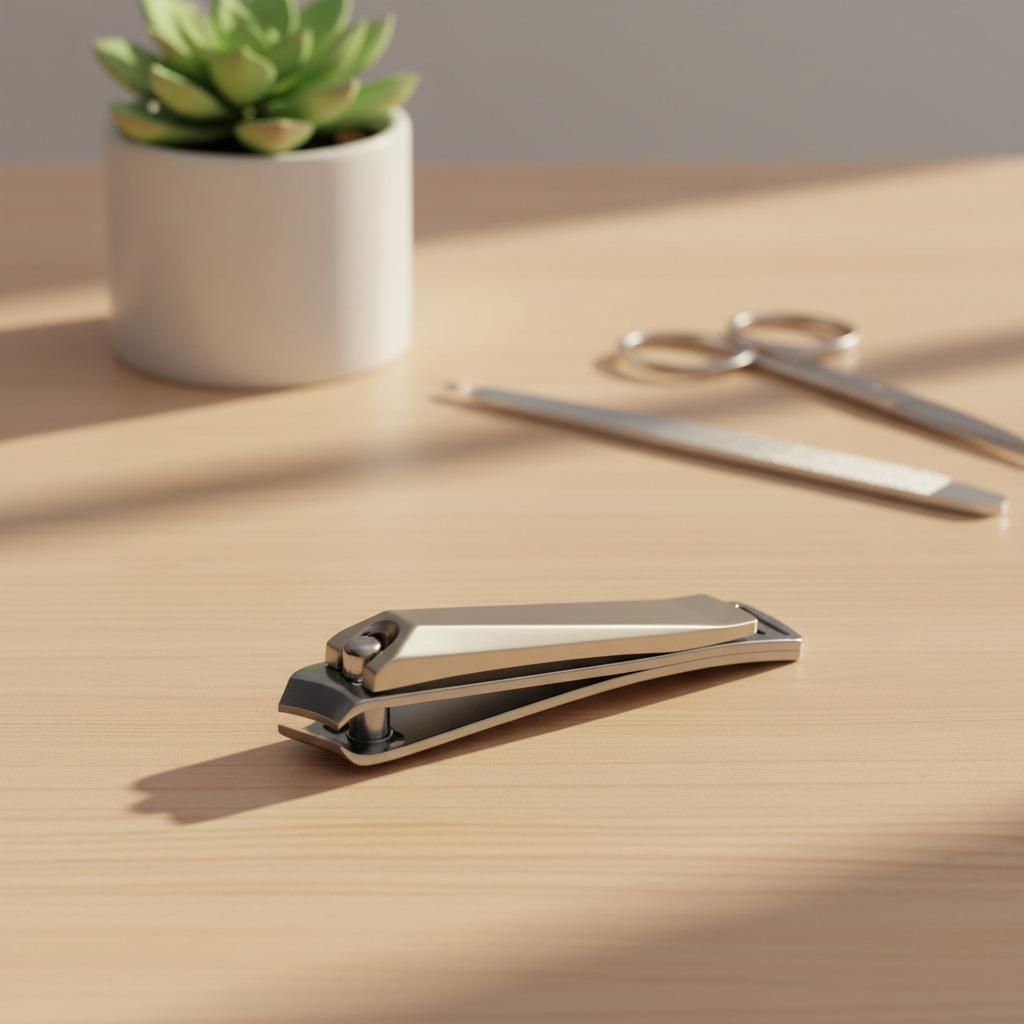
How to Choose a Nail Clipper Manufacturer for Reliable Global Grooming Tools
Nail clippers look simple, but buyers who source them for retail, private label, salons, travel kits or promotional grooming sets know that small differences can affect the entire customer experience. A clipper that feels loose, cuts unevenly or arrives with inconsistent finishing can quickly damage confidence in a product line. For that reason, choosing the right nail clipper manufacturer is not only a price decision. It is a sourcing decision that should consider materials, cutting performance, ergonomic comfort, inspection habits, packaging readiness and OEM communication.
Olimor Beauty works in the beauty-tools category with a focus on practical grooming tools for global buyers. For nail clippers, the important purchasing questions are often straightforward: Will the lever action feel smooth? Is the cutting edge aligned? Does the polished metallic finish look consistent? Can the clipper be supplied for wholesale or customized OEM use without compromising day-to-day reliability? This guide explains how brands, wholesalers and importers can evaluate those issues before placing a bulk order.
Why Nail Clipper Manufacturing Quality Matters
A nail clipper is a high-contact personal care tool. Consumers use it near skin, on fingernails and toenails, and often expect it to perform for a long period without special handling. Unlike decorative beauty accessories, the product must be both visually acceptable and mechanically dependable. The lever, pin, body and cutting edges all need to work together. If one part is poorly formed or assembled, the clipper may bend the nail instead of cutting cleanly.
For wholesale buyers, quality consistency is especially important because a single shipment may go to many retail locations, online customers or kit assemblers. A few defective pieces can create returns and extra service costs. A professional nail clipper factory should therefore be evaluated on process control, not just on sample appearance. A sample can look good, while mass production may reveal variation in tension, edge sharpness or surface finish.
The most useful way to assess a manufacturer is to think about the full product journey: raw material selection, forming, grinding or sharpening, polishing, assembly, inspection, packaging and carton protection. Olimor Beauty emphasizes technical steps and quality checks from material choice through final packaging, which is the type of manufacturing discipline buyers should look for when building a reliable grooming tool program.
Key Product Features to Evaluate Before Buying
When comparing nail clipper suppliers, buyers should move beyond general descriptions such as “premium” or “durable.” Instead, review the physical features that determine how the item performs in real use. Nail clippers commonly rely on a lever mechanism, a cutting jaw and a compact metal body. The goal is a tool that feels controlled in the hand and trims smoothly without requiring excessive pressure.
- Cutting alignment: The upper and lower cutting edges should meet evenly. Misalignment can cause tearing, slipping or incomplete cuts.
- Lever action: A smooth lever mechanism helps users apply pressure comfortably. It should not feel overly loose, stiff or unstable.
- Grip comfort: Ergonomic handling matters for consumers who trim multiple nails at once, including salon users and home users.
- Surface finish: A polished metallic finish should appear even, without rough edges, visible stains or inconsistent shine.
- Portability: Compact designs are useful for travel kits, handbags, toiletry bags and personal grooming sets.
- Edge safety: Corners and contact areas should be finished carefully so the tool feels secure during ordinary use.
These features are not only consumer-facing benefits. They also help buyers write clearer specifications and inspect received goods more efficiently. If the intended channel is travel retail, compactness and packaging protection may be priorities. If the product is for a salon or professional grooming assortment, repeat cutting performance and hand feel may deserve more attention.
Material, Finish and Ergonomics in Nail Clipper Sourcing
Many modern nail clippers use stainless steel because it is associated with strength, a clean appearance and suitability for grooming tools. However, buyers should avoid assuming that the phrase “stainless steel” alone guarantees performance. The finished product still depends on forming precision, edge preparation, polishing and assembly. During supplier evaluation, it is useful to request clear confirmation of the material being offered and to check whether the production sample matches the expected finish and function.
Finish quality is particularly visible on a nail clipper because the product is small and handled closely. A polished metallic finish can give the tool a clean retail look, but it should be consistent across the body, lever and visible surfaces. Rough areas around the edges can make the clipper feel cheap even if the cutting edge works. Uneven polish can also make private-label products appear inconsistent when displayed together.
Ergonomics should be evaluated through handling rather than only through photos. A clipper may look sleek online but feel awkward if the lever angle, body length or thumb contact area is uncomfortable. For bulk purchasing, buyers should test samples with different users and nail types where appropriate. The best feedback often comes from simple use: how easily the clipper opens, whether the lever stays stable, whether the cutting force feels controlled and whether the user can see the trimming area clearly.
Wholesale and OEM Considerations for Beauty Brands
The nail clipper wholesaler market includes buyers with very different needs. Some want a ready-to-sell grooming item. Others need a component for manicure sets, travel kits, subscription boxes or branded personal care programs. OEM services are valuable when the buyer wants customized presentation, coordinated packaging or a product that fits an existing beauty-tool assortment.
Before starting an OEM nail clipper project, define the commercial role of the item. Is it a standalone retail product, an add-on in a kit or a promotional tool? The answer affects packaging, finish, inspection level and budget. For example, a clipper sold as a single retail item may need more visual emphasis on the card, box or display. A clipper included in a larger grooming kit must coordinate with other tools and fit the case or tray securely.
Buyers exploring Olimor Beauty’s wider offering can review beauty tool products to understand how nail clippers may fit within a broader personal care range. For assortment planning, the product collections page can also help buyers think about complementary grooming tools and packaging direction.
A Practical Checklist for Factory Evaluation
A strong supplier conversation should produce clear answers, not vague promises. The following checklist can help buyers compare a nail clipper China manufacturer, wholesaler or OEM partner in a structured way.
| Evaluation Area | What to Check | Why It Matters |
|---|---|---|
| Sample consistency | Compare several samples for cutting alignment, lever tension and surface finish. | One good sample is not enough to predict bulk reliability. |
| Material confirmation | Clarify the material used for the body, lever and cutting parts. | Material choice affects strength, appearance and positioning. |
| Edge performance | Test clean trimming on typical fingernails or agreed testing material. | The main function must be dependable before packaging decisions. |
| Assembly control | Review the stability of the pin, lever and jaw movement. | Loose assembly can lead to poor cutting and customer complaints. |
| Packaging fit | Confirm how the clipper is protected, displayed and packed for shipment. | Good tools can still arrive damaged or look poor if packaging is unsuitable. |
| OEM communication | Check how artwork, samples, approvals and production changes are managed. | Clear communication reduces errors in private-label projects. |
This checklist is also useful for internal purchasing teams. It gives product managers, quality staff and sourcing teams a common language when reviewing samples or comparing supplier quotations.
Quality Control From Raw Material to Packaging
Quality control for nail clippers should not be limited to a final visual check. Many important problems begin earlier in the process. If raw material selection is inconsistent, the finished clipper may vary in strength or appearance. If forming is inaccurate, the jaw may not align. If polishing is rushed, the product may look uneven or feel rough. If packaging is not secure, the product may be scratched or displaced during transport.
Olimor Beauty’s approach includes internal controls from raw material selection to final packaging. For buyers, this kind of process awareness is important because it shows that the manufacturer understands the full chain of responsibility. A useful supplier should be able to explain how defects are found and corrected, how approved samples are used for comparison and how packaging is checked before shipment.
When reviewing finished goods, buyers can create a simple inspection plan. Open and close the lever several times. Check whether the jaws meet evenly. Look for burrs or sharp non-cutting edges. Review the polish under normal lighting. Confirm that packaging copy and branding match the approved artwork. For private-label programs, these small checks can prevent avoidable disputes after the goods have already entered distribution.
How Nail Clippers Fit Into Modern Grooming Assortments
Consumer grooming habits continue to support demand for compact, practical and easy-to-store tools. Nail clippers are often purchased as personal essentials, travel accessories, family grooming items or components in manicure sets. Their usefulness makes them attractive for wholesalers and OEM buyers, but it also means that customers notice performance problems quickly.
A well-sourced clipper can support multiple retail strategies. It can be sold alone, paired with files or other manicure tools, added to travel kits or included in seasonal personal care assortments. The key is to match the clipper specification with the channel. A minimalist travel item may prioritize compact size and secure packaging. A beauty-focused retail product may need a more refined finish and a presentation that communicates cleanliness and durability.
For brands developing a nail clipper program, early alignment with the manufacturer helps avoid unnecessary revisions. Share the intended market, packaging format, visual expectations and any private-label requirements as early as possible. Buyers ready to discuss a project can send an inquiry or contact Olimor for sourcing communication.
Choosing a Manufacturer With Long-Term Value
The best nail clipper manufacturer for a buyer is not always the one offering the shortest description or lowest quote. Long-term value comes from stable production, clear sampling, practical OEM support and repeatable quality. A reliable supplier helps protect the buyer’s brand by making sure that the finished tool performs as expected and arrives ready for its sales channel.
When comparing options, focus on evidence that can be tested: sample feel, cutting action, finish consistency, packaging accuracy and communication quality. These factors reveal more than broad marketing claims. For beauty brands, wholesalers and importers, a carefully selected nail clipper can become a dependable part of a grooming tools assortment and a product customers continue to use because it simply works well.
Tag: