

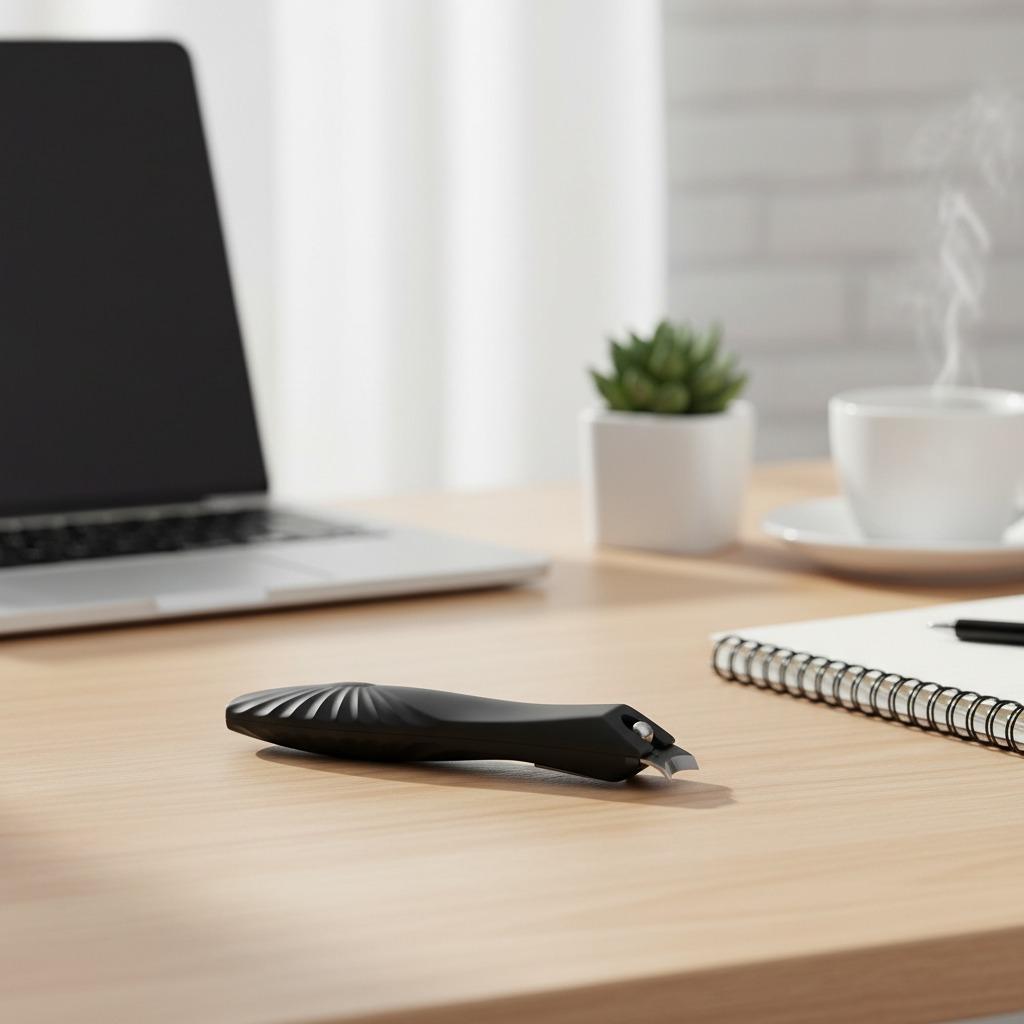
How to Choose Nail Clipper Exporters for ODM Beauty Tool Programs
Nail clippers look simple, but buying them well takes more than comparing catalog photos. A strong exporter should help you secure clean cutting performance, comfortable handling, stable finishing, and repeatable production for retail, salon, travel, or private-label grooming programs. For beauty brands, wholesalers, and salon suppliers, the right partner is not just a shipper. It is a manufacturing and communication partner that can support sample review, packaging discussion, and practical ODM decisions.
The best sourcing approach is to focus on how the clipper will be used by the end customer. Will it sit in a manicure kit, travel set, countertop display, or gift assortment? Will the product need a modern matte look, a compact form, or a grip that feels secure in daily use? Answering those questions early helps buyers compare exporters more objectively and avoid weak cutting action, rough edges, or inconsistent finish quality later.
Why exporter selection matters more than the product category suggests
Nail clippers are small, but they touch a brand’s reputation every time a customer uses one. If the tool feels flimsy, slips in the hand, or leaves nails jagged, the customer usually does not blame the clipper alone. They remember the brand behind it. That is why choosing among nail clipper exporters is a product-quality decision, not only a purchasing decision.
A capable exporter should understand both the technical and commercial sides of the category. On the technical side, the supplier needs control over forming, blade alignment, surface treatment, and assembly. On the commercial side, the supplier should understand the buyer’s channel: e-commerce, retail, salon supply, promotional kits, or private label grooming sets. These channels often need different packaging styles, presentation standards, and communication detail.
For buyers reviewing the Olimor beauty tool range, it helps to think of the nail clipper as part of a wider assortment rather than a single isolated item. You can review current grooming products on the product page or see how a clipper might fit into a broader assortment on related beauty tool collections.
What a reliable nail clipper supplier should be able to demonstrate
Reliability comes from consistency. A sample may look acceptable, but the real question is whether the supplier can reproduce that same cutting feel, surface finish, and assembly quality in later production. Buyers should evaluate the supplier’s process, not only the finished item.
Cutting performance and blade alignment
The most important question is simple: does the clipper cut cleanly? Good cutting should feel controlled, not forced. The blades should close evenly, without a visible offset or an obvious gap on one side. A poor fit can crush or tear the nail instead of trimming it cleanly.
When evaluating samples, check whether the tool handles normal nails comfortably and whether the action remains stable when used repeatedly. If your target market includes buyers with thicker nails or expects a more demanding grooming routine, confirm the performance with real samples rather than relying on a general description.
Material, finish, and hand feel
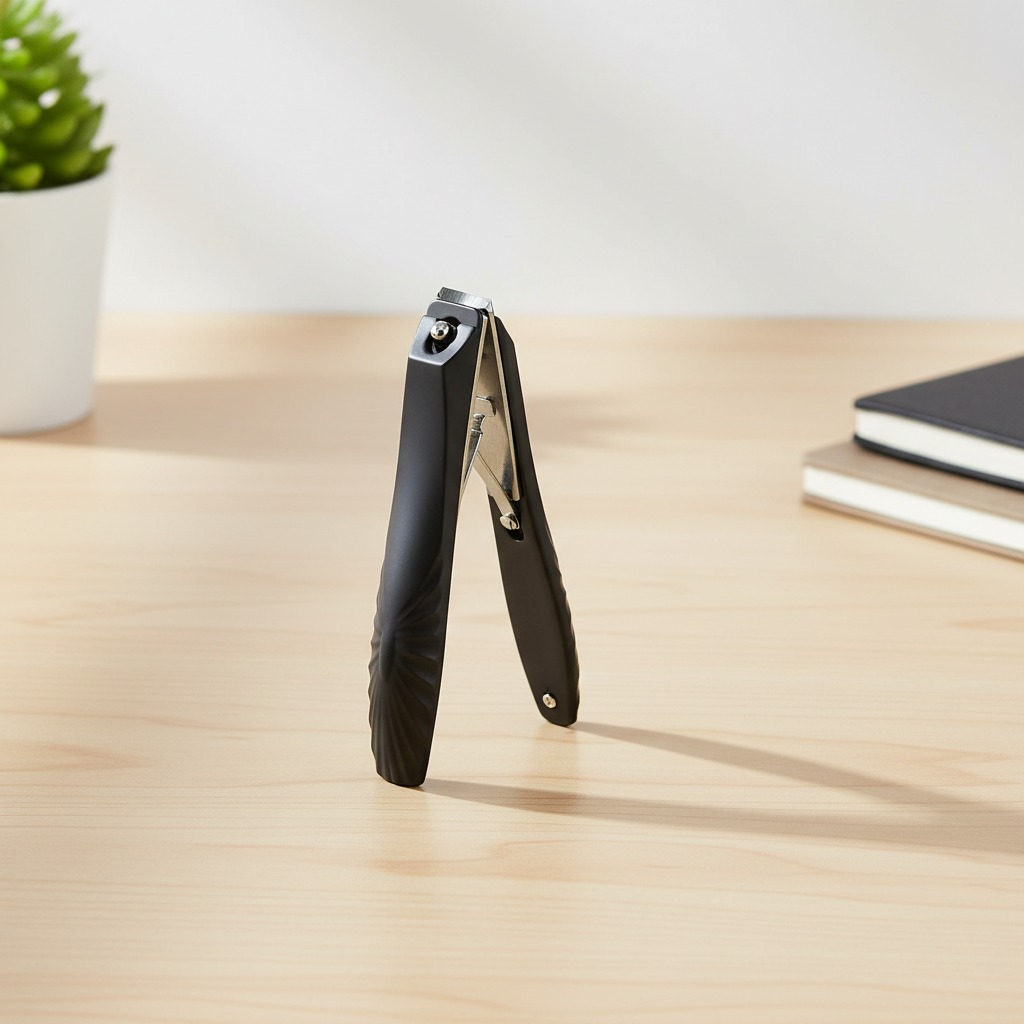
The supplied Olimor example uses stainless steel construction and is described with a matte finish and a textured handle. It is also presented as a compact tool, with a height of 93 mm, a width of 14 mm, and a weight of 75 g. Those details are useful because they give buyers a practical reference point for handling, storage, and kit compatibility.
A tool that is too light can feel weak. A tool that is too bulky may not suit travel sets or compact grooming kits. A textured handle can improve control when hands are slightly damp, while a matte surface may present a clean, modern look. Buyers should still inspect the sample directly, because appearance alone does not show how the tool feels under pressure.
Inspection and repeatability across production
Good suppliers pay attention to inspections from raw materials through final packaging. That matters because a nail clipper’s quality depends on several linked stages: material consistency, forming accuracy, blade finishing, hinge or rivet stability, and clean assembly. A problem at any stage can affect the finished result.
Ask how the supplier checks incoming materials, in-process output, and final goods. Ask how they handle visible issues such as scratches, rough edges, coating variation, or inconsistent closure. If the supplier cannot explain those steps clearly, it is harder to trust repeat orders.
For process control, buyers sometimes ask whether supplier documentation follows recognized quality management practices such as ISO 9001-style systems. For market access, they may also need applicable material or import documentation such as REACH-related paperwork in certain markets. Verify the current version, the actual scope, and the supplier’s documents rather than assuming coverage or certification.
How to compare ODM nail clipper options without losing focus
ODM can be valuable when a buyer wants a clipper that fits a specific brand position instead of a purely generic product. The key is to customize in a way that supports function first. Decorative changes should not weaken grip, leverage, or cutting quality.
Before discussing tooling or artwork, define the use case. Is the clipper meant for a premium men’s grooming kit, a minimalist beauty accessory, a family care set, or a travel-friendly retail item? The answer changes the ideal finish, handle profile, packaging style, and brand presentation.
| What to compare | Good sign | What to verify | Common risk |
|---|---|---|---|
| Cutting action | Clean, even trimming with controlled pressure | Blade contact, alignment, and repeated use feel | Blades that crush or snag nails |
| Handle and grip | Secure hold in dry or slightly damp hands | Texture, leverage, and comfort during use | Slipping, fatigue, or awkward handling |
| Surface finish | Uniform matte or matte-black presentation | Coating consistency, edge coverage, visible defects | Scratches, stains, or patchy appearance |
| Packaging | Fits the sales channel and protects the tool | Card, box, pouch, tray, or kit compatibility | Damage in transit or weak shelf presentation |
| ODM flexibility | Practical changes without harming function | Logo placement, finish direction, package format | Over-customization before sample approval |
This kind of comparison is especially useful when a buyer is building a coordinated range. For example, a matte-finished clipper may need to visually match tweezers, scissors, or other grooming accessories in the same set. If that is your goal, use matching tool collections as a visual reference and keep the functional standard consistent across the range.
Sample evaluation: the step most buyers should not rush
Samples are where exporter claims become visible. A photograph can show shape and finish, but it cannot show leverage, spring feel, cutting control, or how the tool behaves after repeated use. A simple, consistent sample review process reduces the risk of expensive mistakes.
- Inspect the appearance for scratches, uneven coating, burrs, rough edges, and visible assembly issues.
- Test the cutting action on real nails to judge alignment and trim quality.
- Hold the tool in dry and slightly damp hands to check grip and comfort.
- Review how the product sits in its packaging and whether it is protected during transit.
- Compare several samples rather than judging only the best-looking piece.
- Record comments clearly so the supplier understands what must change.
This process matters even more in ODM work, because small design changes can affect the result. A revised handle may look better but reduce leverage. A different finish may improve appearance but show fingerprints more easily. A short sample cycle often saves time later because it reveals these tradeoffs before production starts.
Commercial questions buyers should ask before placing an order
Beyond product feel, buyers should think about the business side of sourcing. The right exporter should be able to discuss packaging options, branding placement, and the intended sales channel without vague answers.
- Packaging fit: Does the clipper need a hanging card, boxed presentation, pouch, or part of a larger kit?
- Branding method: Where can the logo or brand mark appear without affecting use or finish quality?
- Channel fit: Is the tool designed for retail display, salon supply, e-commerce fulfillment, or travel sets?
- Cost factors: How do finish type, packaging structure, and customization changes affect the project?
- Repeatability: Can the supplier reproduce the approved sample across later batches?
These questions help buyers compare suppliers in a practical way. They also make internal discussions easier when you need to align merchandising, sourcing, and packaging teams around one purchase decision.
When Olimor is a fit for your beauty tool program
Olimor Beauty works in the beauty tools category and offers nail clipper solutions for buyers who need a balance of function, appearance, and manufacturing control. The supplied product information highlights stainless steel construction, a matte finish, a textured handle, and compact sizing that can suit grooming bags or kit-based retail programs. The broader product range can be useful if you want one supplier conversation to cover more than one tool category.
If you are evaluating a private-label project or a coordinated grooming assortment, a focused supplier conversation can help you compare design direction, packaging needs, and sample expectations. You can start an inquiry through the ODM request page or contact the Olimor team for a product discussion.
Keep the conversation practical. Ask about sample review, available customization areas, packaging choices, inspection stages, and the documentation you may need for your market. A good supplier should be ready to discuss those points clearly.
FAQ
Can I request samples before placing a bulk order?
Yes, sample review is one of the most important steps in nail clipper sourcing. Use samples to check cutting action, grip, finish quality, and packaging fit before moving forward.
What should I ask about MOQ?
Ask how MOQ changes with finish type, packaging style, and customization. The right answer depends on the supplier’s production setup and your project scope, so it is best discussed directly.
What parts of a nail clipper can usually be customized in ODM work?
Common discussion areas include finish direction, handle texture, logo placement, packaging format, and visual styling. Functional elements such as blade performance and grip should stay central.
How do I check quality without a lab?
Start with practical checks: blade alignment, cutting feel, finish consistency, edge smoothness, and packaging protection. Ask the supplier how they inspect materials, in-process output, and final goods.
How long does lead time take?
Lead time depends on sample approval, customization level, order size, and the supplier’s production schedule. Ask for an estimate after your requirements are confirmed.
For buyers building a dependable grooming range, the best exporter is the one that can prove consistent product behavior, not just attractive presentation. If you need a practical starting point, review the current tool range, compare sample details carefully, and open a clear sourcing conversation before committing to production.
Tag: