


How to Choose a Reliable Nail Clipper Exporter in China
For importers, distributors, salon suppliers, and private label beauty businesses, nail clippers may look like simple grooming tools. In reality, they are detail-sensitive products where small differences in blade alignment, leverage, grip, finishing, and packaging can affect user comfort and repeat sales. Choosing among top nail clipper exporters is therefore not only about finding a factory that can ship on time. It is about selecting a partner that understands grooming tool quality, export expectations, and the commercial needs of your market.
Olimor Beauty focuses on beauty tools for global buyers, including nail clipper products designed for everyday grooming and professional retail channels. If you are comparing suppliers in China, the following guide explains what to examine before placing an order, how to judge product construction, and which sourcing questions help reduce quality risk.
What Separates a Reliable Nail Clipper Exporter from a Basic Supplier?
A reliable nail clipper supplier should be evaluated on consistency, not only on a single attractive sample. A sample may feel sharp and look polished, but bulk production must match that same level. For nail clippers, consistency covers the cutting edge, spring tension, handle movement, finish, packaging condition, and the way each unit sits inside a set.
Export experience also matters because beauty tool buyers often need organized communication, stable carton labeling, clear product photos, and realistic production updates. A strong exporter can explain how products are checked before shipment and can help buyers compare different nail clipper styles for retail, e-commerce, salon resale, or promotional use.
When reviewing beauty tool products, look for a supplier that can discuss both appearance and function. Attractive plating or a sleek metallic finish is valuable, but the product must still cut cleanly, feel controlled in the hand, and resist ordinary corrosion during use and storage.
Product Details to Check Before You Buy Nail Clippers
The original product description highlights a stainless steel nail clipper set with ergonomic design, precision-engineered blades, non-slip grips, and a sleek metallic finish. It also describes the LuxeTrim® Nail Clipper Set as including three specialized clippers: a large clipper for toenails, a medium clipper for fingernails, and an angled detailer for cuticles. These details are useful because they show the type of product configuration many buyers want: a practical set that covers different grooming needs rather than a single generic clipper.
For sourcing decisions, review the product from the user’s point of view. A toenail clipper needs stronger leverage and a wider cutting area. A fingernail clipper should be easier to control for smaller nails. An angled detailer needs precision because it is used in tighter areas around the nail edge. The more specific the use case, the more important it is to verify the shape, opening width, blade contact, and grip comfort.
- Blade alignment: The two cutting edges should meet evenly without visible gaps or twisting.
- Cutting feel: A good clipper should cut cleanly with controlled pressure rather than crushing or tearing the nail.
- Grip design: Non-slip grips help users maintain control, especially when trimming toenails or working with small details.
- Handle leverage: The lever should move smoothly and return properly after each cut.
- Surface finish: The finish should be even, clean, and free from rough edges that could scratch the skin or catch on packaging.
- Set completeness: For three-piece sets, each clipper should have a clear purpose and fit securely in the package.
Why Stainless Steel and Finishing Decisions Matter
Stainless steel is commonly preferred for nail grooming tools because buyers associate it with durability, hygiene, and resistance to everyday moisture. However, not every stainless steel tool performs the same. Buyers should focus on practical outcomes: does the edge remain clean after repeated use, does the surface resist visible spotting under normal storage, and does the product feel solid enough for the intended retail price point?
The description of the LuxeTrim® set notes a sleek metallic finish that resists corrosion. For importers, this should lead to a broader inspection plan. Check whether the finish is consistent across all pieces in the set, including the underside of the handle and the area near the pivot. Inconsistent polishing can make a product look lower value, even if the basic cutting function is acceptable.
Finishing also affects user safety. Corners, lever edges, and the nail file area, if included in a design, should not feel sharp in the wrong places. A nail clipper should cut nails, not scrape fingers during handling. This is especially important for retail products where customers may judge quality immediately after opening the package.
How to Compare Nail Clipper Sets for Different Sales Channels
The best nail clipper manufacturer in China for your business is the one that can match product design to your customer segment. A drugstore retail buyer may prioritize simple packaging, value, and dependable function. A salon supply distributor may focus on tool feel, corrosion resistance, and repeat professional use. An online seller may need a set that photographs well, includes clear product positioning, and arrives with packaging strong enough for fulfillment handling.
| Sales Channel | What Buyers Usually Need | Key Nail Clipper Checks |
|---|---|---|
| Retail stores | Clean presentation and easy-to-understand set value | Packaging clarity, finish consistency, barcode and labeling space |
| E-commerce | Products that photograph well and survive parcel delivery | Secure inner tray, surface protection, accurate product dimensions |
| Salon supply | Reliable cutting performance and comfortable handling | Blade sharpness, leverage, grip stability, easy cleaning |
| Promotional programs | Practical use at a target cost level | Basic function, logo area, simple packaging, batch consistency |
Before selecting a design, compare similar items within Olimor’s product collections to understand how different beauty tools can fit into a coordinated grooming range. A nail clipper set may sell better when paired with other manicure or personal care tools that target the same customer group.
Quality Control Points for Export Nail Clippers
Quality control for nail clippers should be concrete. Instead of using broad terms like “premium” or “high quality,” define what will be inspected. A practical inspection plan may include visual checking, functional cutting tests, packaging review, and carton condition. For multi-piece sets, every component should be checked as part of the set, not only as an individual tool.
- Raw material and component review: Confirm that the tool body, lever, pin, grip area, and finish match the approved sample.
- Blade and alignment inspection: Examine whether the cutting edges meet evenly from one side to the other.
- Function test: Open and close the clipper repeatedly to check movement, leverage, and stability.
- Surface inspection: Look for scratches, uneven color, plating marks, stains, burrs, or rough corners.
- Packaging inspection: Confirm that each clipper is positioned correctly and protected from rubbing during transport.
- Carton review: Check shipping marks, carton strength, inner packing, and whether mixed items are clearly identified.
These steps help buyers avoid common problems such as dull cutting edges, loose levers, inconsistent finishing, and packaging damage. They also make communication clearer because defects can be described in measurable terms.
Questions to Prepare Before Contacting a Manufacturer
A serious sourcing inquiry should include more than a product name. The clearer your requirements are, the easier it is for a supplier to recommend a suitable nail clipper or set. Include your target market, expected sales channel, packaging preference, quantity planning, and whether you need a single clipper or a multi-piece set. If you are interested in a configuration like the three-piece LuxeTrim® Nail Clipper Set, specify whether your customers need separate tools for toenails, fingernails, and detail work.
Useful questions include:
- Which nail clipper sizes and set combinations are available?
- Can the blade alignment and cutting function be checked against an approved sample?
- What packaging formats are suitable for retail shelves or e-commerce delivery?
- How are finished products protected from scratches during packing?
- What information is needed for logo placement, product labeling, or carton marks?
- Can product photos or samples be reviewed before bulk confirmation?
For project-specific support, buyers can send an inquiry with product goals, packaging ideas, and target market details. If you need help narrowing down options across grooming tools, you can also contact Olimor for direct communication.
Choosing an Export Partner for Long-Term Nail Tool Sourcing
A dependable exporter should make your sourcing process more predictable. That means clear product information, careful sample confirmation, attention to packaging, and a practical understanding of how nail clippers are used by real customers. It also means being able to discuss improvements when needed, such as grip comfort, set composition, visual finish, or packaging protection.
For buyers comparing top nail clipper exporters in China, Olimor Beauty offers a focused beauty tool sourcing option with products such as stainless steel nail clipper sets designed for controlled trimming and everyday grooming. The right choice depends on your market position and quality expectations, but the evaluation process should always begin with function, finish, consistency, and export readiness.
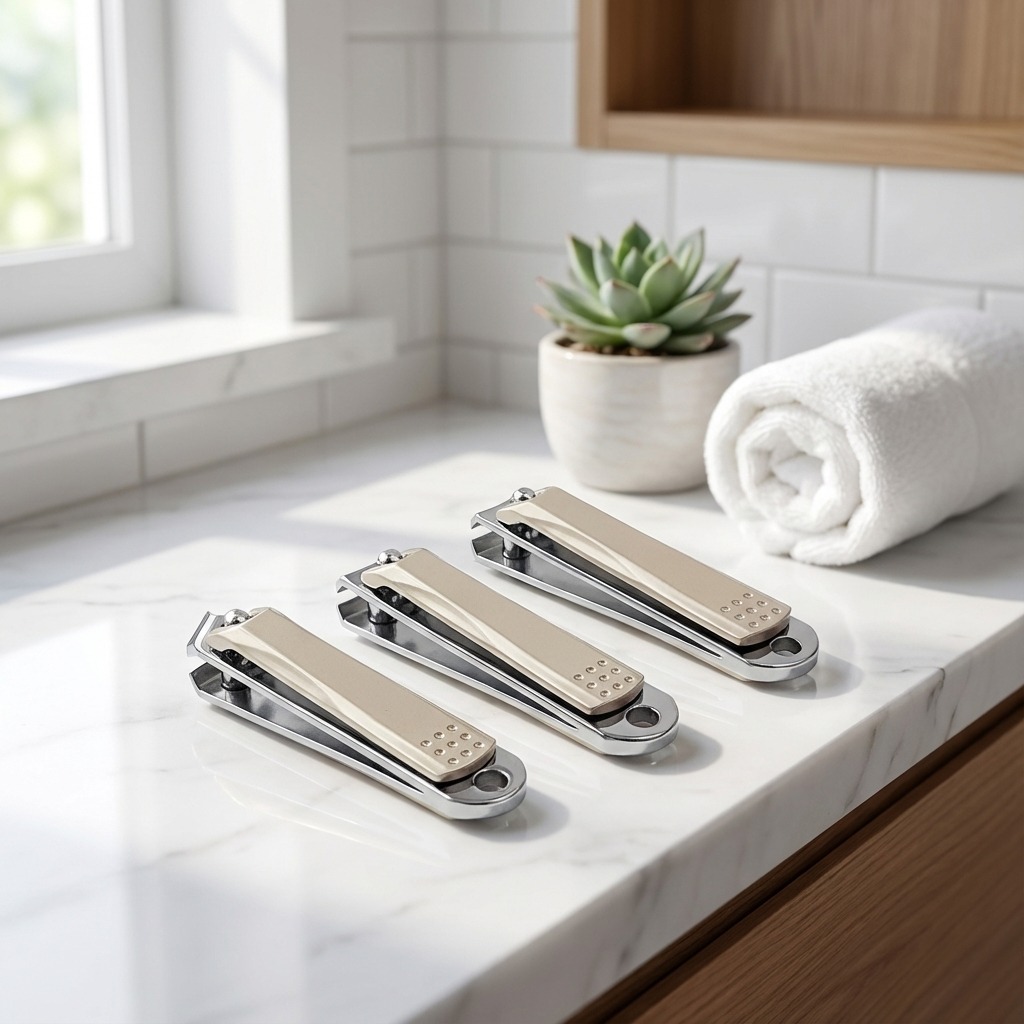
Whether you are building a nail care line, adding grooming tools to an existing beauty assortment, or comparing suppliers for a private label project, a well-made nail clipper set can support repeat business when it feels precise, looks clean, and arrives ready for sale. Use the checklist above to compare options carefully and choose a supplier that can support both product quality and your export buying process.
Tag: