

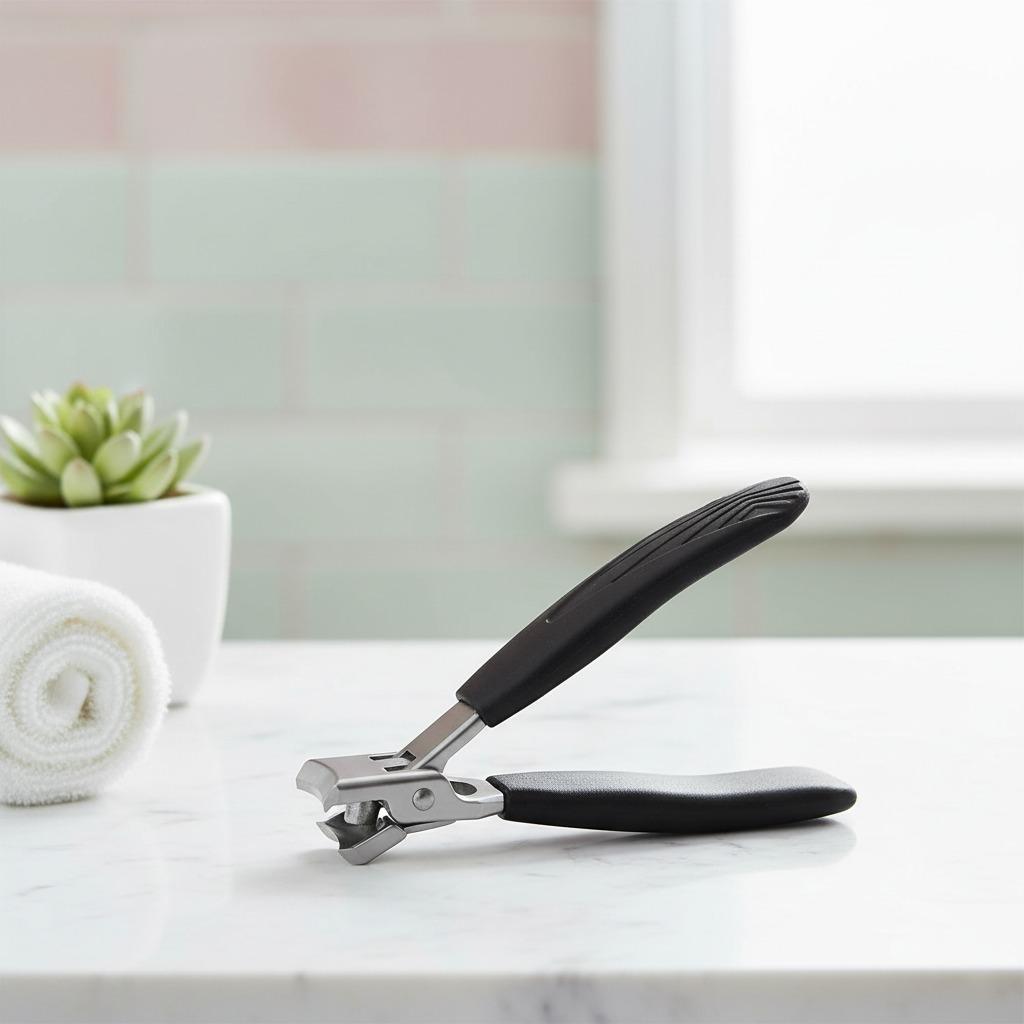
How to Choose Nail Clipper Exporters for Quality, Reliability and Innovation
For importers, distributors, private label buyers and beauty tool retailers, choosing nail clipper exporters is not only about finding a low unit cost. A nail clipper is a small product, but it is handled directly by the consumer, used on hard nail edges and judged immediately by its cutting feel. If the blade is dull, the lever is uncomfortable or the finish rusts too quickly, customers notice. That is why the best sourcing decisions look at product engineering, quality checks, packaging readiness, communication and long-term supply stability together.
Olimor Beauty works in the beauty tools sector with nail clippers designed around practical use: stainless steel construction, ergonomic handles, smooth edges and anti-rust coatings are all important considerations for buyers comparing suppliers. This guide explains how to evaluate a nail clipper exporter with a buyer’s mindset, so you can select products that fit your market and reduce avoidable sourcing risk.
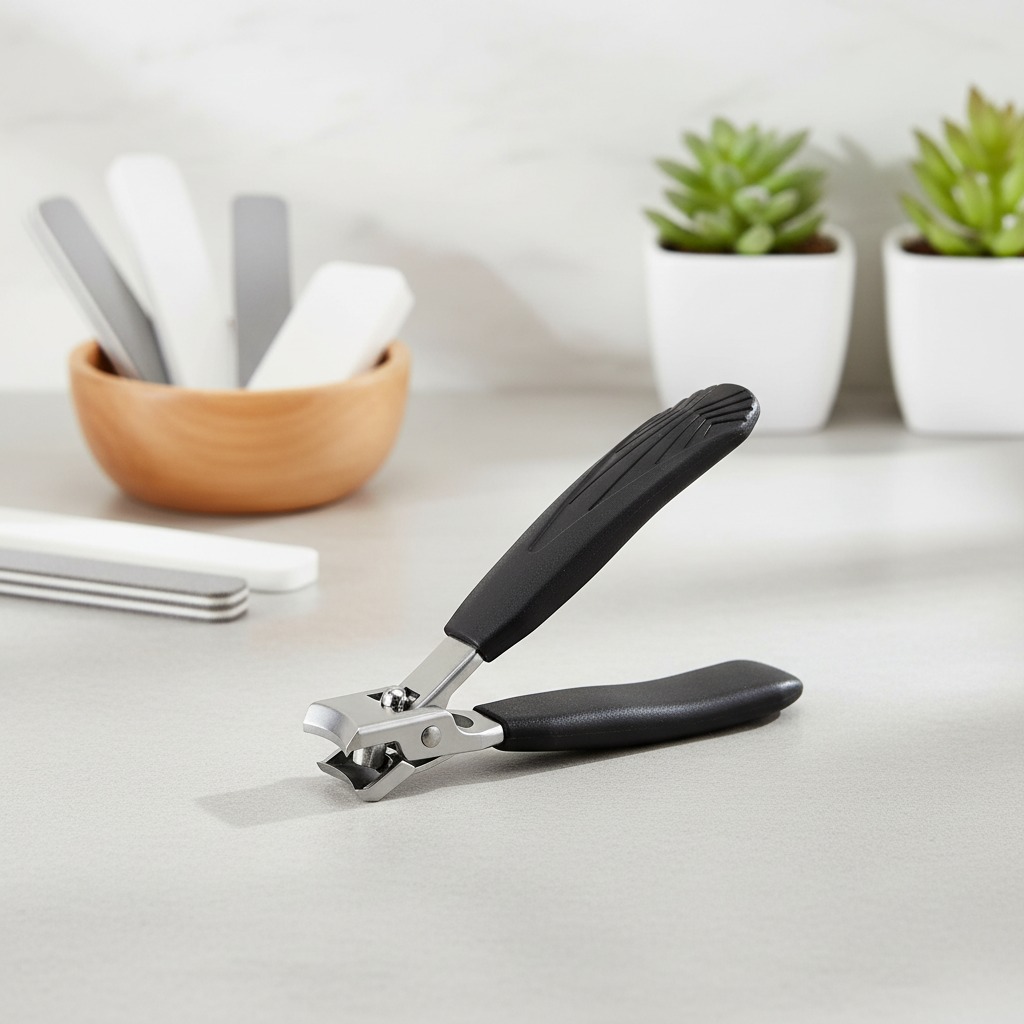
What separates strong nail clipper exporters from basic suppliers?
A capable exporter understands that a nail clipper must perform consistently across large batches. It is not enough for one sample to cut well. The finished goods must maintain sharpness, alignment, surface finish and comfortable leverage from batch to batch. For wholesale buyers, this consistency is often more important than an impressive first impression.
When reviewing potential partners, look beyond a catalog photo. A reliable nail clipper supplier should be able to discuss material selection, cutting-edge finishing, assembly control and final inspection in plain language. The aim is not to collect technical claims for a sales sheet; the aim is to know whether the product will satisfy the end user after repeated trimming. A good supplier will also help you compare design choices, such as compact travel clippers versus larger clippers for toenails, and explain how these choices affect comfort, perceived value and retail positioning.
Export experience also matters. Beauty tool buyers often need coordinated documentation, stable packaging output and communication that works across time zones. An exporter that understands shipment preparation and buyer-side review procedures can help reduce delays before the goods leave the factory.
Product quality criteria buyers should check first
The most important test of a nail clipper is the cut. A good clipper should trim cleanly without crushing, tearing or requiring excessive hand force. Sharpness, blade alignment and lever strength work together. If the jaws do not meet correctly, even a polished product can feel poor in the user’s hand.
Use the following checklist when evaluating samples or comparing nail clipper products from different exporters:
- Cutting performance: Test on different nail thicknesses where appropriate. The clipper should cut smoothly without splitting the nail edge.
- Jaw alignment: The two cutting edges should meet evenly. Misalignment can cause incomplete cuts and customer complaints.
- Handle comfort: Ergonomic handles can reduce hand fatigue, especially for users trimming multiple nails in one session.
- Surface finish: Check for smooth edges, burrs, rough corners or uneven polishing that may affect comfort and perceived quality.
- Rust resistance: Stainless steel and anti-rust coatings are useful features, but the finish should also look consistent and clean.
- Lever movement: The lever should rotate and press smoothly without wobbling excessively or feeling loose.
- Packaging fit: Retail packaging should hold the clipper securely and protect the finish during transport.
These checks help buyers separate functional quality from cosmetic appeal. A shiny clipper may photograph well, but the real value comes from reliable trimming, safe handling and durable presentation.
Why China remains a key sourcing base for nail clippers
China is widely recognized as an important manufacturing base for beauty tools, including nail clippers. For buyers, the advantage is not simply production scale. The real benefit is access to suppliers that understand metal grooming tools, export workflows and different retail expectations across markets. A manufacturer in China can often support a range of grooming tool needs, from classic household nail clippers to more design-focused items intended for beauty retailers or gift sets.
Olimor Beauty’s expertise as a beauty tool supplier is relevant for buyers who want products that combine function with a clean, market-ready appearance. Nail clippers may be simple in form, but their production requires attention to stamping, sharpening, finishing, assembly and inspection. Each stage can affect the final user experience. For example, smooth edges help prevent discomfort, while anti-rust coatings can support a cleaner product appearance over time.
If you are building a broader grooming category, it may also be useful to compare nail clippers with other beauty tool products to keep material choices, packaging style and retail positioning consistent. Buyers who manage multiple SKUs often benefit from sourcing related items through a supplier that understands category-level presentation, not just single-product production.
How to evaluate reliability before placing a larger order
Reliability is measured by how well a supplier performs after the sample stage. Many problems appear only when the buyer moves from a few pieces to a commercial order: inconsistent finishing, late packaging adjustments, unclear labeling requirements or slow responses when details need confirmation. A structured evaluation process can reduce these risks.
Before placing a larger order, confirm the practical details that affect your sales channel. If you sell through retail stores, packaging strength and barcode placement may be important. If you serve salons or grooming distributors, bulk packaging, reorder consistency and product durability may matter more. If your business uses private label packaging, artwork review, color consistency and sample approval steps need to be clear.
A useful sourcing review can include these steps:
- Request representative samples: Samples should reflect the intended material, finish, size and packaging direction as closely as possible.
- Test real use cases: Evaluate grip, cutting feel, finish and packaging after handling, not only by visual inspection.
- Confirm inspection points: Clarify how sharpness, alignment, surface finish and assembly are checked before shipment.
- Review customization requirements: If you need logo, color, packaging or set configuration options, define them early.
- Agree on communication milestones: Set points for sample approval, packaging approval, production update and pre-shipment review.
These steps make supplier comparison more objective. They also help both sides understand expectations before production begins.
Customization and product positioning for different markets
Nail clippers are sold in many different channels: supermarkets, pharmacies, beauty shops, travel kits, salon supply stores, e-commerce bundles and promotional grooming sets. The right product choice depends on where and how it will be sold. A compact clipper may be suitable for travel and everyday handbag use, while a larger clipper may be better for toenails or household grooming kits. A clean stainless steel look can fit a practical value range, while refined finishing and coordinated packaging can support a more premium shelf position.
Customization can help a buyer build a more coherent product line, but it should be guided by function first. Logo placement, packaging design and color decisions should not interfere with the clipper’s grip, opening movement or cutting edge. A good exporter will help balance appearance with usability. If you are comparing multiple categories, Olimor’s product collections can be a useful starting point for thinking about how nail clippers fit into a broader beauty tool assortment.
For private label buyers, the most useful questions are practical: Does the clipper match the customer’s preferred size? Is the packaging appropriate for shipping and display? Is the finish suitable for the climate and storage conditions of the target market? Does the cutting feel support repeat purchase? These questions are more valuable than choosing a design only because it looks different.
Quality control questions that protect your brand
A nail clipper failure can be highly visible. Customers may complain about tearing nails, rust marks, loose levers or rough corners. Because the item is often low-cost at retail, buyers sometimes underestimate the brand impact of defects. A structured quality control conversation helps protect your reputation before goods are shipped.
When comparing nail clipper exporters, focus on inspection methods that connect directly to consumer experience. Sharpness checks, alignment checks, surface inspections and packaging reviews all matter. For stainless steel nail clippers, it is also reasonable to review the finish quality and anti-rust treatment approach without relying on vague claims. If you require specific compliance documentation for your market, define that requirement at the beginning of the project so it can be considered during sourcing and production planning.
Buyers should also keep approved samples and packaging references. These references make it easier to compare future shipments and resolve disagreements. Consistency is especially important when you reorder the same item for a retail program or online listing, because customers expect the product they receive to match the images and descriptions already published.
Building a long-term sourcing relationship
The best nail clipper exporter for your business is the one that supports both product quality and repeatable supply. A long-term supplier relationship can help reduce the time spent rechecking basic requirements for every order. Over time, both sides develop a clearer understanding of preferred finishes, packaging standards, labeling needs and communication habits.
For buyers planning a new grooming tool range, it is helpful to share the intended market, sales channel and product positioning. This allows the supplier to recommend practical options rather than simply quoting the cheapest item. If you need to discuss nail clippers, related grooming tools or customized packaging, you can contact Olimor or send an inquiry with your target product details.
Choosing among nail clipper exporters is ultimately a quality and reliability decision. Strong materials, ergonomic handling, smooth finishing, anti-rust surface treatment, clear inspection steps and responsive export support all contribute to a product that buyers can sell with confidence. By evaluating these factors before ordering, distributors and retailers can build a nail clipper program that is practical for the supply chain and satisfying for the end user.
Tag: