

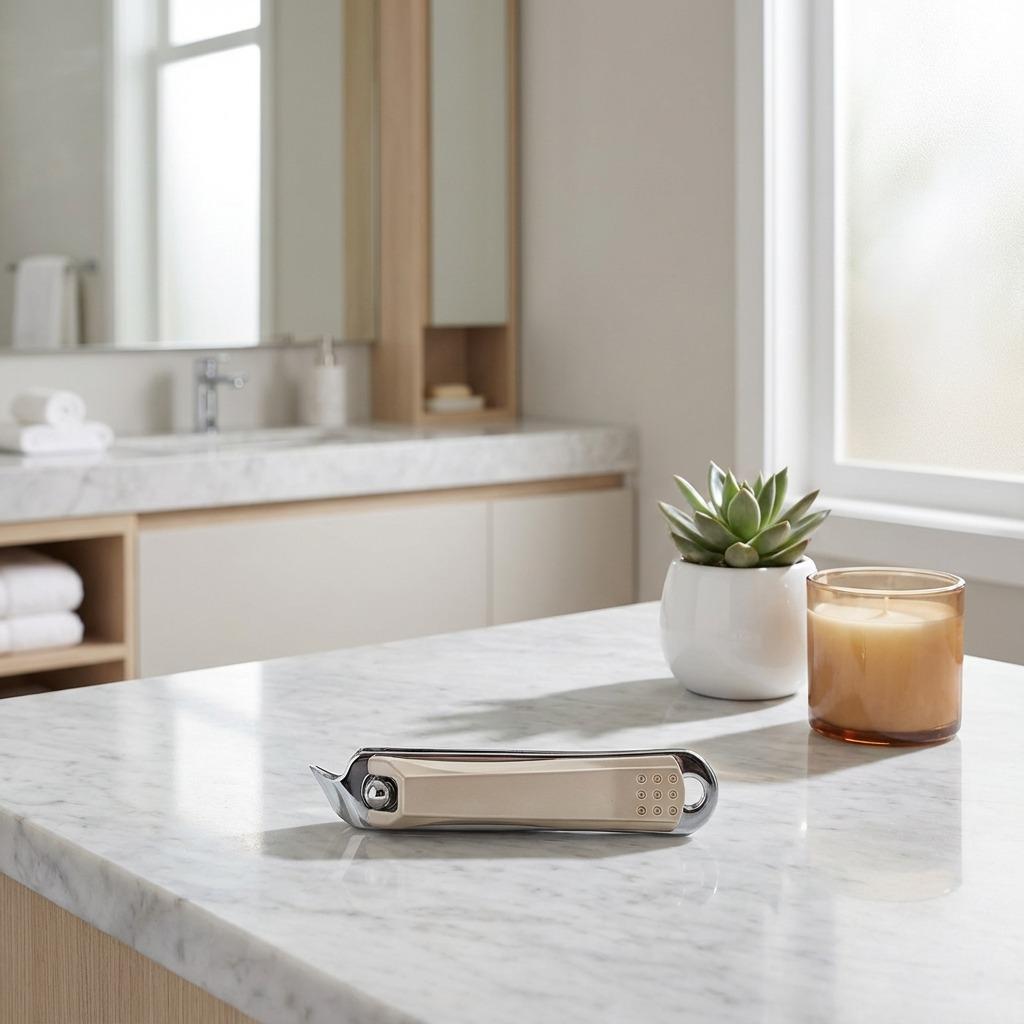
How to Choose Nail Clipper Exporters for Retail Supply
Nail clippers look simple, but buyers know they are easy to get wrong. A clipper with uneven blade alignment, weak leverage, rough edges or inconsistent plating can create returns quickly, especially when it is sold through retail, e-commerce or salon channels. For importers, distributors and private-label buyers, the right nail clipper exporter is not only a source of stock; it is a partner in product consistency, packaging execution and repeat supply.
This guide explains how to compare nail clipper exporters with practical criteria. It is written for buyers who need dependable grooming tools rather than broad claims. If you are building a new personal care range or improving an existing assortment, it can help you evaluate samples, communicate requirements and reduce avoidable sourcing risk.
What Makes a Nail Clipper Exporter Worth Shortlisting?
A capable exporter should understand both the product and the commercial requirements behind it. Nail clippers may be sold as low-cost daily essentials, premium grooming accessories, travel tools, salon add-ons or gift set components. Each sales channel has different expectations for finish, packaging, price positioning and inspection.
When reviewing potential exporters, begin with the basics: the range of available styles, responsiveness to product questions, ability to provide clear sample information and experience handling export documentation. A supplier that answers only with generic promises may not be ready for detailed buyer requirements. A stronger partner can discuss blade shape, handle comfort, surface finish, packaging protection and carton details in a practical way.
Olimor Beauty focuses on beauty and grooming tool supply, including nail clipper products that can fit retail and distribution programs. Buyers comparing options can review wider beauty tool products to understand how a nail clipper may sit beside other personal care items in a complete range.
Product Quality Checks for Stainless Steel Nail Clippers
The original appeal of a stainless steel nail clipper is durability, hygiene and a clean, familiar appearance. A high-gloss finish can make the tool look more refined, while curved blades help follow the natural shape of the nail for a cleaner cut. However, material and appearance alone do not guarantee performance. Buyers should evaluate how the clipper feels and cuts in real use.
Sample testing does not need to be complicated. A practical evaluation should cover cutting smoothness, blade alignment, lever pressure, edge safety and finish consistency. Check several samples from the same batch when possible, not only one perfect piece. The best sample is the one that reflects repeatable production, not just a showroom item.
- Blade alignment: The two cutting edges should meet evenly without visible gaps or twisting.
- Cutting feel: The clipper should cut cleanly without crushing or tearing the nail.
- Lever action: Pressure should feel controlled, not loose, stiff or unstable.
- Surface finish: High-gloss areas should be consistent, with no sharp burrs or rough edges.
- Grip and handling: The user should be able to hold the tool securely, including during travel or quick grooming use.
- Packaging protection: The tool should not scratch easily in transit because of poor packing or loose contact.
For many retailers, small differences in hand feel can influence reviews and repeat orders. A slightly smoother lever or cleaner blade edge may matter more to the end user than a dramatic product description.
How Exporters Support Retail, Distributor and Private-Label Needs
A nail clipper exporter should help buyers turn a basic grooming tool into a sellable retail item. That does not always mean complicated customization. Sometimes the most valuable support is clear packaging coordination, stable product matching and practical communication before production begins.
Retail buyers often need packaging that explains the product quickly and protects the finish. E-commerce sellers may care more about compact packaging, barcode placement, product photography readiness and reduced damage during fulfillment. Distributors may prefer carton consistency, assortment planning and reorder stability. Private-label buyers need to clarify branding placement, packaging artwork responsibilities and approval steps before the order moves forward.
When details are unknown, build a written checklist before confirming the purchase. Include product dimensions if available, finish expectation, blade style, packaging format, labeling requirements, inspection points and shipping marks. This checklist reduces ambiguity and gives both sides a reference point. Buyers planning a broader grooming program can also compare related product collections to decide whether the nail clipper should be sold alone, in a set or as part of a personal care assortment.
Comparing Exporter Claims with Real Buyer Evidence
Many suppliers describe their products as high quality, durable or innovative. These terms are useful only when connected to observable evidence. Before choosing an exporter, buyers should convert broad claims into verifiable questions. Instead of accepting a statement such as premium finish, request sample photos under normal lighting and inspect the surface after handling. Instead of relying on ergonomic wording, test whether the lever shape and body size feel comfortable for the intended customer.
| Buyer concern | What to check | Why it matters |
|---|---|---|
| Cut quality | Blade alignment, sharpness and smooth cutting on real nails or suitable test materials | Poor cutting is the fastest path to complaints and low reviews |
| Appearance | Gloss consistency, scratches, burrs and visible marks | Retail customers judge small grooming tools quickly by finish |
| Handling | Lever pressure, grip comfort and control | A clipper used often must feel stable, not awkward |
| Packaging | Protection, labeling space and presentation | Good packaging supports both shelf appeal and transit safety |
| Repeat supply | Clear sample approval, item reference and inspection criteria | Reorders should match the approved product as closely as possible |
This approach protects buyers from overpaying for surface-level claims while also helping serious exporters demonstrate their strengths. A professional supplier should welcome clear requirements because they reduce misunderstandings.
Why Many Buyers Consider China for Nail Clipper Manufacturing
China remains an important sourcing region for grooming tools because buyers can often find a wide range of designs, finishes and packaging options in one market. For nail clippers, this can include compact travel-friendly pieces, classic stainless steel shapes and designs with a polished appearance. The value for buyers is not simply low cost; it is the ability to compare multiple product directions and develop an assortment that fits the target channel.
That said, choosing a manufacturer or exporter should not be based on country alone. The better question is whether the supplier can match your quality level, explain production choices clearly and maintain consistency after sample approval. A buyer serving pharmacies, supermarkets, salons or online marketplaces may have different tolerance levels for finish, packaging and price. Define the selling environment first, then compare exporter options against that environment.
Olimor Beauty can be considered by buyers looking for a nail clipper supplier with attention to grooming tool presentation, including stainless steel construction, curved blades and a high-gloss appearance where suitable. Buyers with a specific project can send an inquiry with product expectations, target packaging and order planning details.
Questions to Resolve Before Confirming an Export Order
Before placing an order, align on practical details that affect both cost and satisfaction. A nail clipper is small, but unclear expectations can still create problems. For example, two clippers may look similar in photos but differ in blade curve, lever strength, finish brightness or package quality. A written confirmation process helps prevent these differences from becoming disputes.
- Confirm the exact sample that will become the production reference.
- Specify visible finish expectations, including whether minor marks are acceptable.
- Define the packaging format, artwork responsibility and labeling requirements.
- Agree on basic inspection points such as cutting function, blade alignment and surface condition.
- Clarify carton packing, shipping marks and any marketplace or retail labeling needs.
- Keep approved sample photos and written notes together for future reorders.
These steps are especially useful for buyers who manage multiple SKUs or work with several factories. They create a shared standard and make future communication easier.
Building a Nail Clipper Range That Sells Consistently
A strong nail clipper program does not need to be complicated. Many retailers perform well with a focused selection: a classic everyday clipper, a more polished stainless steel option and perhaps a travel-friendly size. The key is to make each item easy to understand. Customers should know whether the product is intended for regular home grooming, compact carrying, salon resale or inclusion in a gift set.
Product pages and packaging should describe real benefits without exaggeration. Phrases such as curved blades, stainless steel construction, high-gloss finish, clean cutting and compact handling are useful when they are true to the item. Avoid overloading the message with vague luxury language if the customer mainly wants a reliable tool.
For sourcing teams, the most effective exporter relationship is one that balances product quality, communication and commercial practicality. By testing samples carefully, documenting requirements and choosing a supplier that understands grooming tool standards, buyers can create a nail clipper range with fewer surprises and stronger repeat potential. To discuss a sourcing plan or compare suitable options, buyers can contact Olimor with their target market and product requirements.
Tag: