

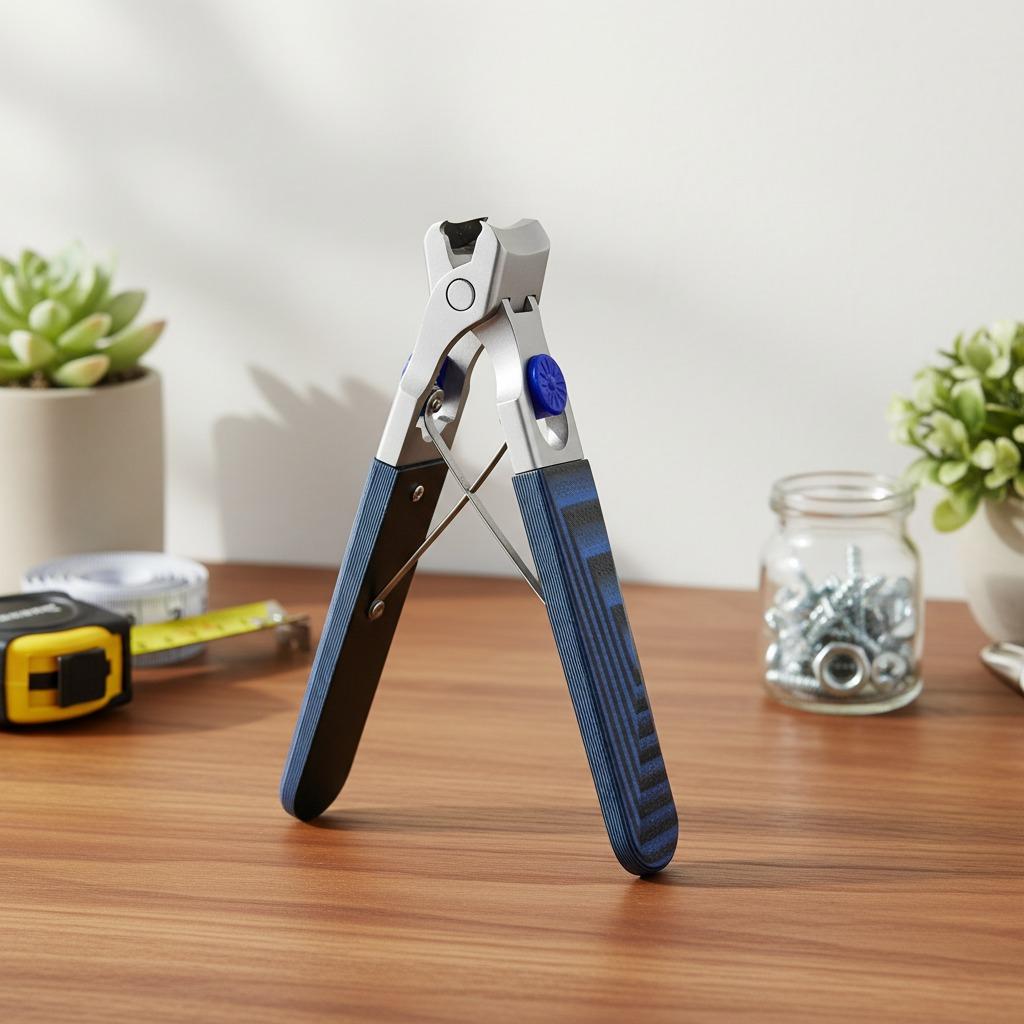
How to Choose Nail Clipper Exporters for Reliable Grooming Tool Supply
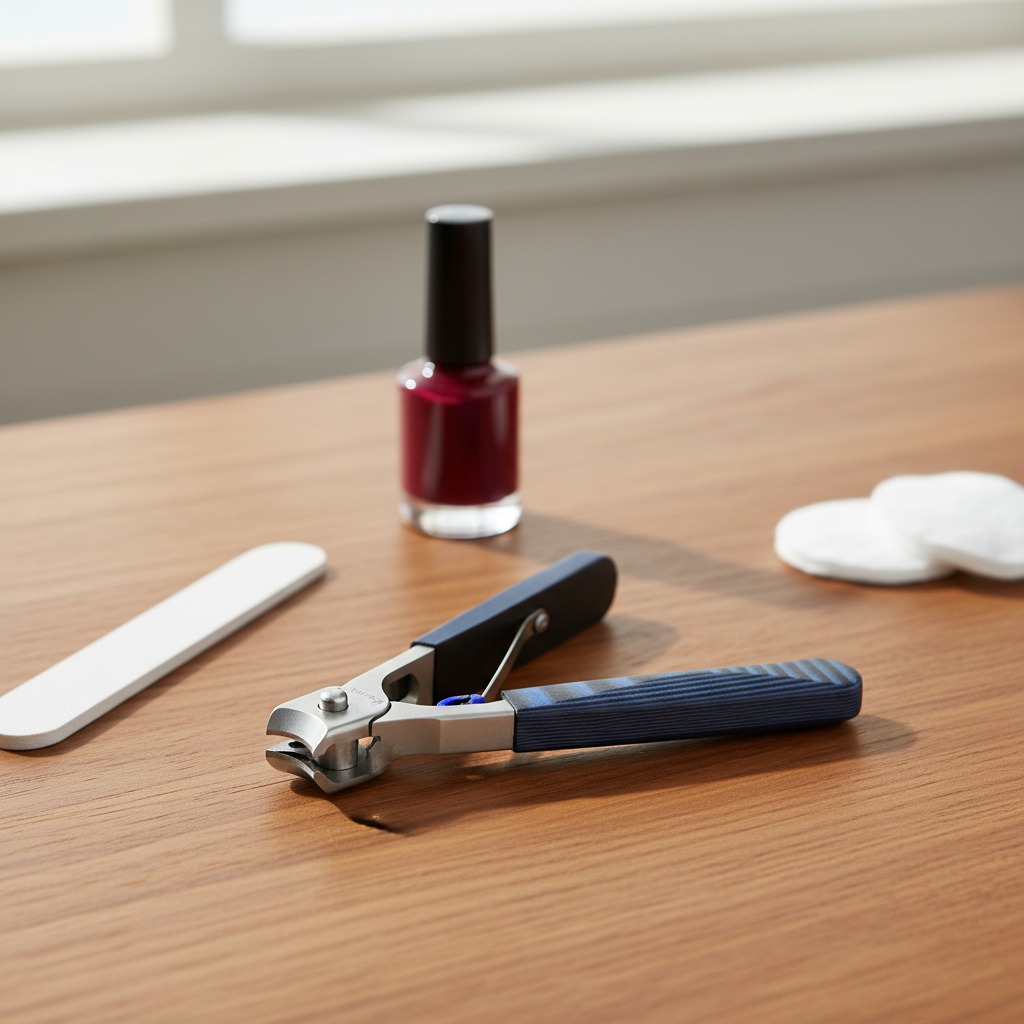
Nail clippers may look like simple items, but sourcing them well takes more than checking a sample and comparing quotations. Buyers need a supplier that can keep cutting quality consistent, protect finish during packaging, support customization without weakening performance, and handle repeat orders without drift. For distributors, retailers, private label brands, travel-kit sellers, pet care buyers, and grooming wholesalers, the right exporter is the one that helps reduce risk at every step.
Olimor supplies beauty tools and grooming-related products, including stainless steel nail clipper options designed for practical handling and internal quality control. If you are comparing product lines before a project starts, you can browse the Olimor product range or review related grooming collections to narrow your sourcing brief. The guidance below focuses on what matters most when you evaluate nail clipper exporters for dependable supply.
What a dependable nail clipper exporter should solve
The best exporter is not always the one with the lowest price or the broadest catalog. A stronger supplier helps you avoid complaints caused by poor cutting feel, uneven edges, stiff levers, rough finishing, or packaging that damages the product in transit. These are small defects, but they can affect shelf appeal and repeat sales quickly.
When buyers compare exporters, they should look for evidence that the supplier understands both the tool and the channel. A pharmacy customer, a supermarket buyer, a travel-kit brand, and a private label grooming line may all need different packaging, different visual presentation, and different handling preferences. The exporter should be able to explain what can be customized, what should remain standard for performance, and which details should be confirmed with a sample first.
That is especially important for repeat orders. A sample can look strong, but the real test is whether the later shipment matches the approved sample in edge alignment, lever action, surface finish, and packing protection. Reliable exporters build that consistency into their process rather than relying on luck.
Core product quality checks before you place an order
Buyers should evaluate a nail clipper as a cutting instrument, not only as a metal accessory. The material matters, but it is only one part of the product experience. A practical evaluation focuses on how the tool cuts, how it feels in hand, and how it is finished and packed.
1) Cutting performance
The blades should meet evenly and cut with controlled pressure. If the clipper needs too much force, it can feel uncomfortable and may crush or tear the nail instead of trimming cleanly. Buyers should test the sample on the kind of nail the product is intended for, whether that is everyday personal care, thicker toenails, or pet grooming use.
2) Edge alignment and lever stability
Misalignment can cause uneven trimming and poor user feedback. The lever should feel secure and return smoothly. Excessive looseness often indicates weak assembly or inconsistent production, and that can reduce confidence even if the clipper looks acceptable at first glance.
3) Surface finish and safety of handling
Inspect the full tool, not only the blades. Look for scratches, burrs, sharp outer corners, or uneven polish. These details affect both comfort and perceived value. A well-finished clipper should feel smooth to hold and safe to carry in a grooming kit or drawer.
4) Material choice and practical durability
Stainless steel is commonly valued in grooming tools because it supports durability and a clean appearance. Still, buyers should not rely on the material description alone. Ask how the supplier handles raw material checks, how the product is assembled, and what inspection happens before packing. The quality of the finished tool is what the end user experiences.
5) Packaging protection
Small metal tools can scratch each other if packing is loose or poorly designed. Packaging should preserve appearance, reduce movement in transit, and present the item clearly for retail or set-based sales. If the clipper will sit in a shelf-ready package or a travel kit, ask the exporter how they prevent scuffs, dents, and carton damage.
How to evaluate nail clipper exporters as suppliers
A simple price comparison is not enough. Use a supplier checklist that reveals how the exporter manages materials, production, inspection, and communication. The goal is to understand whether the company can keep quality stable across batches and support your actual buying channel.
| Evaluation area | What to check | Why it matters |
|---|---|---|
| Sample performance | Cutting feel, blade alignment, lever action, comfort, finish, and packaging condition | Shows whether the product is usable and suitable for your market |
| Material and construction | Stainless steel use, grip design, handle shape, and assembly quality | Affects durability, handling, and customer confidence |
| Inspection process | Incoming material review, in-process checks, final inspection, and packing review | Helps reduce defects and batch-to-batch inconsistency |
| Customization scope | Logo options, handle color, packaging style, and other brand details | Clarifies what can be tailored without harming performance |
| Order communication | Carton details, labeling needs, documentation, and production updates | Supports smoother purchase planning and shipment preparation |
| Repeat-order reliability | Whether approved samples are kept as references and used for future runs | Reduces quality drift across later orders |
This kind of structured review helps separate a general trading offer from a supplier that understands grooming-tool requirements. If you need to discuss a project in more detail, you can send an inquiry with your product brief or contact Olimor directly for clarification before sampling.
Choosing the right clipper style for the intended user
Different buyers need different clipper formats. The right choice depends on the user, the sales channel, and the packaging plan. A compact everyday clipper may fit travel accessories or pharmacy shelves. A more solid-feeling version may be better for men’s grooming sets or professional beauty assortments. A pet grooming clipper may need a secure grip and design features that help reduce over-trimming risk.
- Personal grooming: prioritize compact size, clean appearance, and smooth cutting.
- Travel kits: look for space-saving packaging, safety in storage, and durable finish.
- Professional beauty use: focus on repeatable cutting performance, comfortable handling, and dependable assembly.
- Pet care: consider grip security, control, and safety-oriented design details.
- Retail or private label: balance shelf appeal, packaging clarity, and brand-ready presentation.
When comparing these formats, think about how the clipper will be used in real life. A tool that performs well in a sample test but feels awkward in daily use can still create returns or complaints. Asking the exporter about intended use is a good way to see whether they can guide product selection instead of simply quoting an item.
Customization decisions to make before sampling
Custom made nail clipper projects work best when the buyer defines the non-negotiable basics first. Customization can support branding and retail presentation, but it should not interfere with cutting safety, comfort, or repeatability. Buyers should clarify the intended use before asking for design changes.
- Define the application: personal care, pet grooming, salon use, promotional retail, or private label distribution.
- Set comfort expectations: consider grip texture, handle shape, and the amount of pressure needed to cut.
- Confirm branding needs: decide whether logo placement, handle color, or packaging artwork matters most.
- Check functional limits: ask what can be customized without affecting blade alignment or lever stability.
- Review the sample carefully: evaluate both appearance and actual use before approving production.
Customization should be discussed early because some changes are easy to make visually but risky to change structurally. A different handle finish may be acceptable, while a poor change in geometry may reduce comfort or cutting accuracy. That is why exporters should explain their limits clearly and not overpromise.
Packaging, inspection, and repeat orders
Many sourcing problems appear after the sample phase. A good sample is useful, but buyers also need proof that the exporter can keep the same level of quality during production, packing, and shipment. This is where internal controls matter.
A reliable supplier should be able to describe how raw materials are checked, how in-process inspections are handled, and how finished goods are reviewed before packing. For a small mechanical product like a nail clipper, the essential checks include edge alignment, lever action, surface finish, and packaging condition. If the product is sold in sets or as part of a larger grooming assortment, the packing method should also protect surrounding items from scratches.
Buyers should also ask whether approved samples are retained as references. That detail can help reduce disputes later, especially if the order is repeated months later under the same brand. Consistent sample retention and clear reference handling support more stable procurement decisions.
If your sourcing plan includes several grooming items, it can help to review the broader assortment on the Olimor collection page so the clipper selection fits the rest of the product line. That is often useful for private label buyers building a coordinated grooming range.
Supplier evaluation checklist for business buyers
Use the checklist below when comparing nail clipper exporters. It helps keep the conversation focused on product performance and supply reliability rather than sales language.
- Does the exporter explain material selection and why it suits the product?
- Can the supplier describe cutting performance in practical terms?
- Are inspection points clear from raw material to final packaging?
- Can the exporter confirm what branding or packaging changes are available?
- Does the team understand the needs of your channel, such as retail, travel, professional, or pet care?
- Will the approved sample be used as a reference for future runs?
- Can the supplier support questions about labeling, cartons, and shipment preparation?
For some buyers, it is also useful to ask whether the supplier can support relevant documentation expected in your market. If a supplier references a quality management system or any external standard, buyers should verify the applicable version and confirm the supporting paperwork. Where product safety rules or labeling requirements apply, check the rules in your destination market rather than assuming one format fits all.
How Olimor fits buyer needs
Olimor focuses on beauty tools and grooming-related products with attention to ergonomic design and internal quality control. For buyers that want a practical sourcing conversation, the value is in clear communication about product selection, usable customization options, and the steps used to check quality before packing.
If you are building a private label line or comparing clipper options for wholesale distribution, the next useful step is usually a focused inquiry rather than a broad search. Share the intended use, target user, packaging preference, and any brand requirements so the supplier can advise on fit. You can start that process through the inquiry form or reach out through contact details if you want to discuss a project before requesting samples.
FAQ
Can I request samples before placing a larger order?
Yes. Samples are the best way to check cutting feel, finish, packaging, and comfort before you commit to a production run.
What should I ask about minimum order quantity?
Ask the exporter how MOQ changes with customization, packaging style, and branding needs. Do not assume the same MOQ applies to every version.
What customization options are usually worth discussing first?
Start with logo placement, handle color, packaging design, and any grip or presentation changes. Confirm that these do not affect cutting function.
How do I check quality before shipment?
Request details on incoming material checks, in-process inspections, final inspection, and packaging review. Ask whether approved samples are kept as production references.
How long will production take?
Lead time depends on the order details, customization, and current production schedule. The exporter should confirm timing after reviewing your specifications.
Bottom line: the right nail clipper exporter is the one that can repeat quality, explain choices clearly, and support your channel with practical packaging and communication. If you are comparing grooming-tool options, Olimor can help you discuss product fit and next steps in a focused way.
Tag: