

How to Evaluate Nail Clipper Exporters for Reliable Global Sourcing
Finding the right nail clipper exporter is not only about getting a sharp cutting edge at a competitive cost. For distributors, salon suppliers, private-label buyers and beauty tool retailers, the better question is whether the supplier can deliver consistent tools that feel comfortable, cut cleanly and arrive in saleable condition. A nail clipper may look simple, but small differences in jaw alignment, handle comfort, finishing and packaging can have a direct impact on returns, customer reviews and repeat orders.
Olimor Beauty supplies beauty tools for buyers who need practical grooming products and dependable communication throughout sourcing. If you are comparing global nail clipper exporters, this guide explains what to check before placing an order, how to assess product suitability and what details matter when a tool is intended for daily grooming, salon use or multipurpose trimming tasks.
What Makes a Nail Clipper Exporter Worth Shortlisting?
A strong exporter should be able to discuss product construction, finishing, packaging and order requirements in a clear and practical way. Buyers should look beyond broad claims and focus on details that can be checked through samples and pre-shipment review. For example, an end-cutting plier style tool used for nail care should have jaws that meet evenly, handles that provide control and a finish that feels smooth in the hand.
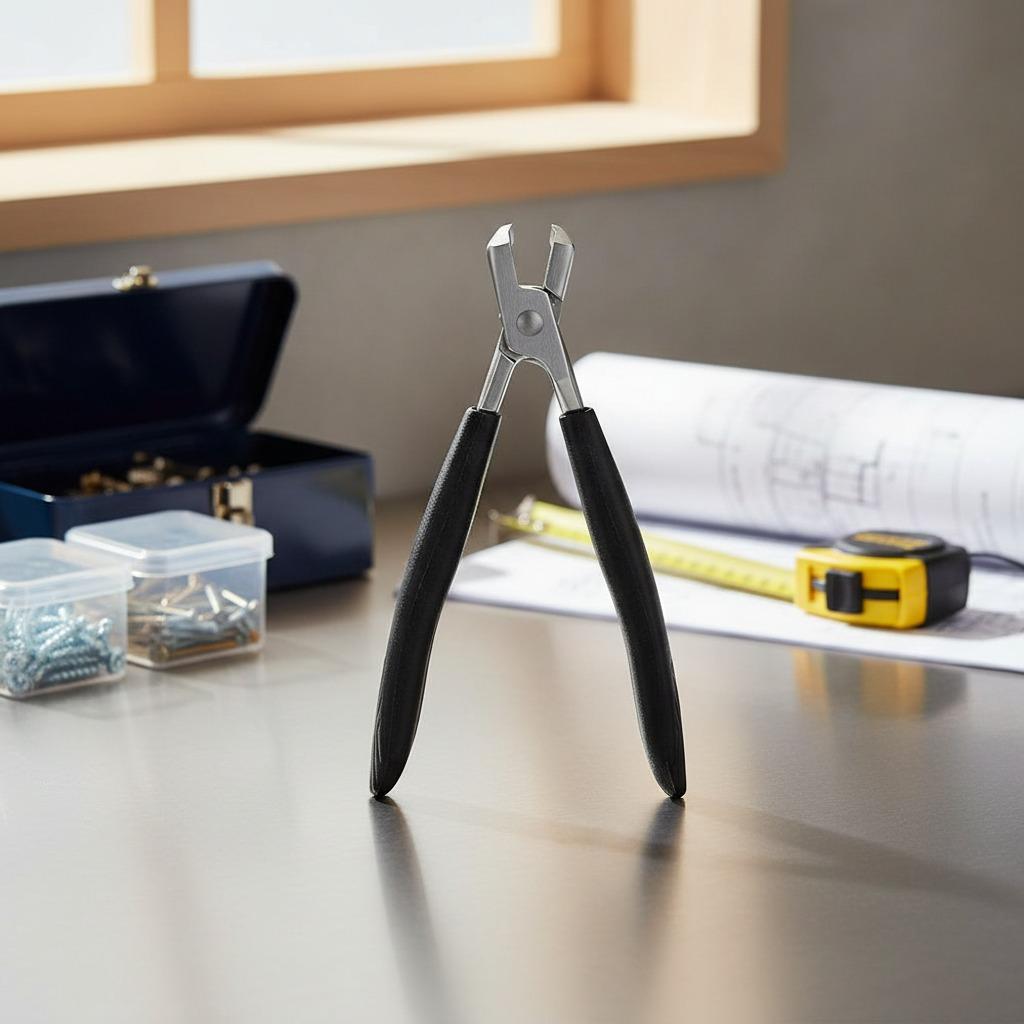
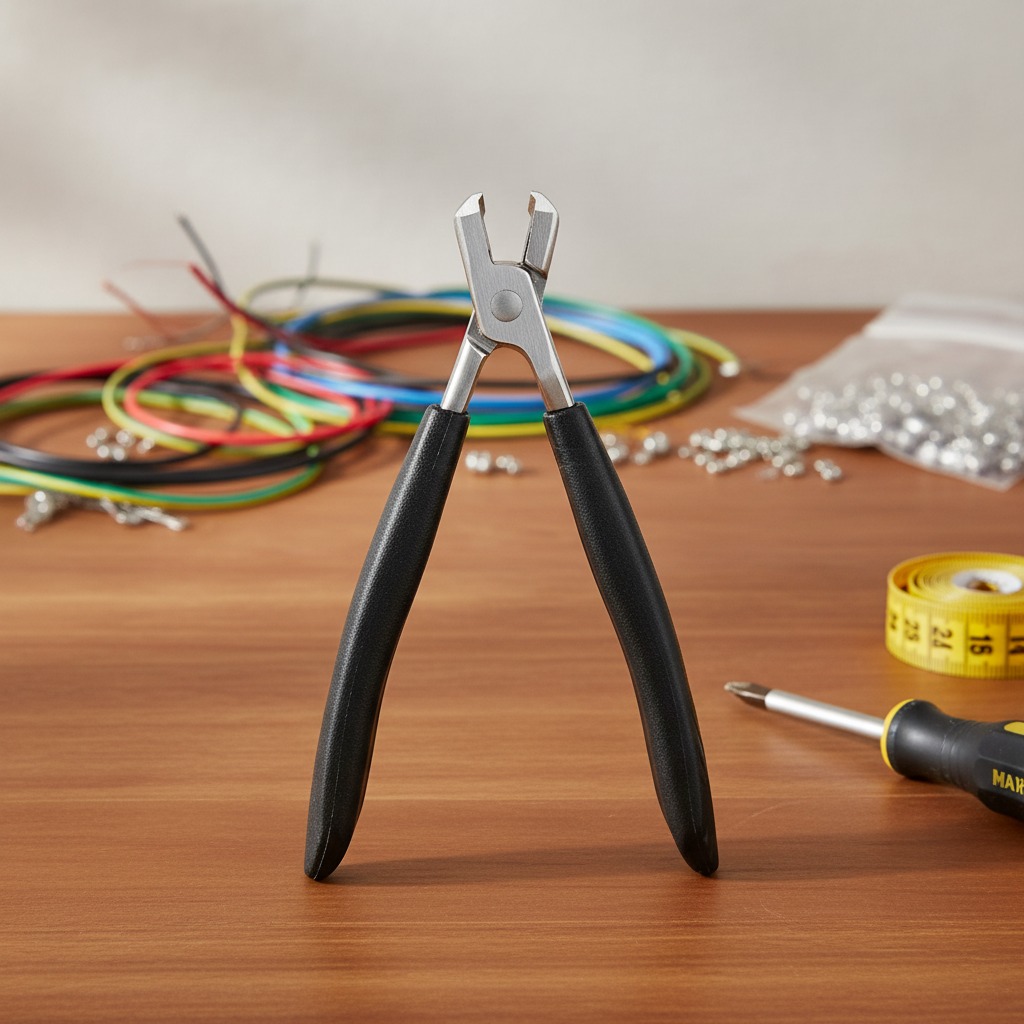
The supplied product shown for this page features stainless steel jaws and black ergonomic handles. These are useful design points because the cutting area needs strength and resistance to everyday moisture exposure, while the handle needs to reduce hand strain during repeated use. For professional users, comfort is not a minor feature. A tool that feels awkward after several cuts may be unsuitable for salon counters, grooming kits or retail customers who expect safe control.
When reviewing exporters, consider whether the supplier can support more than one buyer type. Some customers need standard beauty tools for retail shelves, while others may source compact cutting tools for craft, jewelry, electrical or DIY applications. The original product description notes uses beyond nail care, including wires and intricate crafts. That versatility can be useful, but only if the intended use is matched to the tool design and communicated clearly in your product listing or packaging.
Key Product Checks Before Ordering Nail Clippers
Samples are the most reliable way to compare nail clipper suppliers. Photographs can show the general shape, but they cannot confirm cutting feel, spring resistance, jaw alignment or comfort under repeated use. Before moving from sample approval to a larger order, create a simple evaluation process that your purchasing, quality or merchandising team can repeat.
- Jaw alignment: The cutting edges should meet cleanly without visible gaps or twisting.
- Cutting performance: The tool should trim smoothly without crushing, tearing or requiring excessive force.
- Handle comfort: Black ergonomic handles, as shown in the supplied product, should feel secure and reduce strain during repeated use.
- Surface finishing: Check for rough edges, burrs, uneven coating, discoloration or sharp non-cutting areas.
- Opening and closing action: The movement should be controlled, not loose, sticky or uneven.
- Packaging condition: Retail packaging should protect the cutting edge and present the product cleanly on arrival.
- Application fit: Confirm whether the tool is being marketed for nail care only or also for light craft and trimming tasks.
These checks help prevent a common sourcing mistake: approving a product based on appearance while missing the usability issues that customers notice immediately. A low-quality nail tool can create complaints even when the packaging is attractive, because the main value is precision and control.
How to Compare Nail Clipper Manufacturers in China and Beyond
China remains an important sourcing region for beauty tools, including nail clippers, cuticle tools, tweezers and related grooming accessories. However, choosing a nail clipper manufacturer in China should still involve the same careful review used for any global supplier. The location alone does not guarantee quality; the supplier’s inspection habits, product understanding and response quality matter more.
When comparing factories or exporters, organize questions around measurable order decisions. Instead of asking only whether a product is “high quality,” request information that helps you evaluate risk: available materials, handle options, packaging formats, labeling support, sample timing and inspection procedure. If you sell through retail channels, pay special attention to barcode placement, warning text, carton marking and how the cutting edge is protected during transport.
Olimor Beauty offers a range of beauty tool products for buyers building grooming assortments. You can browse related categories through beauty tool products or review broader product collections to compare how a nail clipper or end-cutting style trimming tool may fit with other manicure and personal care items.
Sourcing Criteria for Different Buyers
Not every buyer needs the same nail clipper. A salon supplier may prioritize hand comfort and repeat cutting performance. A retail buyer may focus on packaging, shelf presentation and customer-friendly use instructions. A distributor may care most about consistent cartons, stable replenishment and clear product identification. Matching the product to the sales channel is the fastest way to reduce sourcing problems.
| Buyer type | Main concern | What to verify |
|---|---|---|
| Salon and grooming suppliers | Comfort during repeated use | Handle grip, cutting resistance, cleaning convenience and edge consistency |
| Retail brands | Customer satisfaction and presentation | Packaging protection, product finish, instructions and visual consistency |
| Distributors | Stable supply and easy handling | Carton labeling, item identification, repeat order consistency and communication speed |
| Multipurpose tool buyers | Application clarity | Whether the tool is suitable for nails, light trimming, crafts or other listed uses |
This comparison is especially important for end-cutting plier style tools. They can be useful for nail care and other precise trimming work, but product claims should be accurate. Avoid marketing a tool for heavy-duty uses unless the design, material and testing support that claim. Clear positioning protects both the buyer and the end user.
Quality Control Points That Reduce Returns
Reliable nail clipper exporters usually take quality control seriously at several stages: incoming materials, in-process assembly, final appearance checks and packaging review. Buyers do not need to know every factory detail before requesting a quote, but they should define the problems they cannot accept. Typical unacceptable defects include misaligned jaws, chipped edges, loose handles, rust marks, oil stains, damaged packaging and mixed products inside cartons.
For a stainless steel jaw tool, it is also sensible to check how the product will be stored and packed before shipment. Moisture, poor wrapping or rough carton handling can affect the appearance of metal tools. For handled tools, inspect whether the grip is firmly attached and whether the surface feels comfortable without residue or rough seams.
A written inspection checklist is more useful than a vague request for “good quality.” It gives your supplier a clear target and gives your team a consistent way to approve or reject goods. For repeat orders, keep approved samples and product photos so that changes in finish, handle shape or cutting action are easier to identify.
Packaging, Labeling and Export Communication
Packaging can determine whether a nail clipper reaches the customer in good condition. The cutting edge should be protected from rubbing against other products, and retail packaging should not open easily during transit. If the item will be sold online, packaging should also be strong enough to survive warehouse handling and parcel shipment.
For export orders, buyers should confirm the product name, item description, packing method, carton quantity, shipping marks and any required label content before production. If you are building a private-label grooming line, provide artwork, color references and placement requirements early so the supplier can review feasibility. If you are sourcing a standard item, check whether the packaging supports your channel and whether additional warning or care information is needed for your market.
Clear communication is one of the practical advantages of working with an organized exporter. Before confirming an order, align on the sample version, packaging version and acceptable inspection criteria. To discuss a sourcing project with Olimor Beauty, you can contact Olimor or send an inquiry with your target product, packaging needs and expected use case.
Maintenance Guidance Buyers Can Pass to End Users
Useful after-sale guidance can improve customer satisfaction. Nail clippers and end-cutting style grooming tools should be kept clean and dry after use. Users should avoid dropping the tool onto hard surfaces because jaw alignment can be affected. If the product is used for nails, it should not be mixed casually with workshop tasks unless the buyer has positioned it as a multipurpose tool and the end user understands the limits.
- Wipe the cutting area after use to remove residue.
- Store the tool in a dry place away from bathroom moisture when possible.
- Do not force the jaws through materials beyond the intended use.
- Check the cutting edge regularly and stop using the tool if the jaws become damaged or misaligned.
Including simple care instructions in product copy, packaging inserts or online listings helps reduce misuse and gives customers a clearer understanding of the tool’s purpose.
Building a Better Nail Clipper Sourcing Decision
The best nail clipper exporter for your business is the one that can match product performance, packaging and communication to your sales channel. Stainless steel jaws, ergonomic handles and compact construction are useful features, but they should be supported by sample testing and clear expectations. Buyers should compare cutting action, comfort, finishing, packaging and shipment readiness before committing to a larger order.
Olimor Beauty supports buyers looking for practical beauty tools and sourcing cooperation. Whether you are adding nail clippers to a manicure range, building a grooming set or evaluating an end-cutting style tool for precise trimming work, a structured checklist will help you choose with more confidence and reduce avoidable quality issues.
Tag: