

How to Evaluate Nail Clipper Exporters for Retail and ODM Sourcing
Choosing among nail clipper exporters is not only a price comparison. For retailers, beauty brands, distributors and sourcing teams, the right partner must deliver a grooming tool that feels precise in the hand, cuts cleanly, resists everyday wear and arrives in packaging suitable for the target market. A nail clipper is a small item, but customers quickly notice poor cutting alignment, weak leverage, uncomfortable edges or packaging that looks inconsistent on shelf.
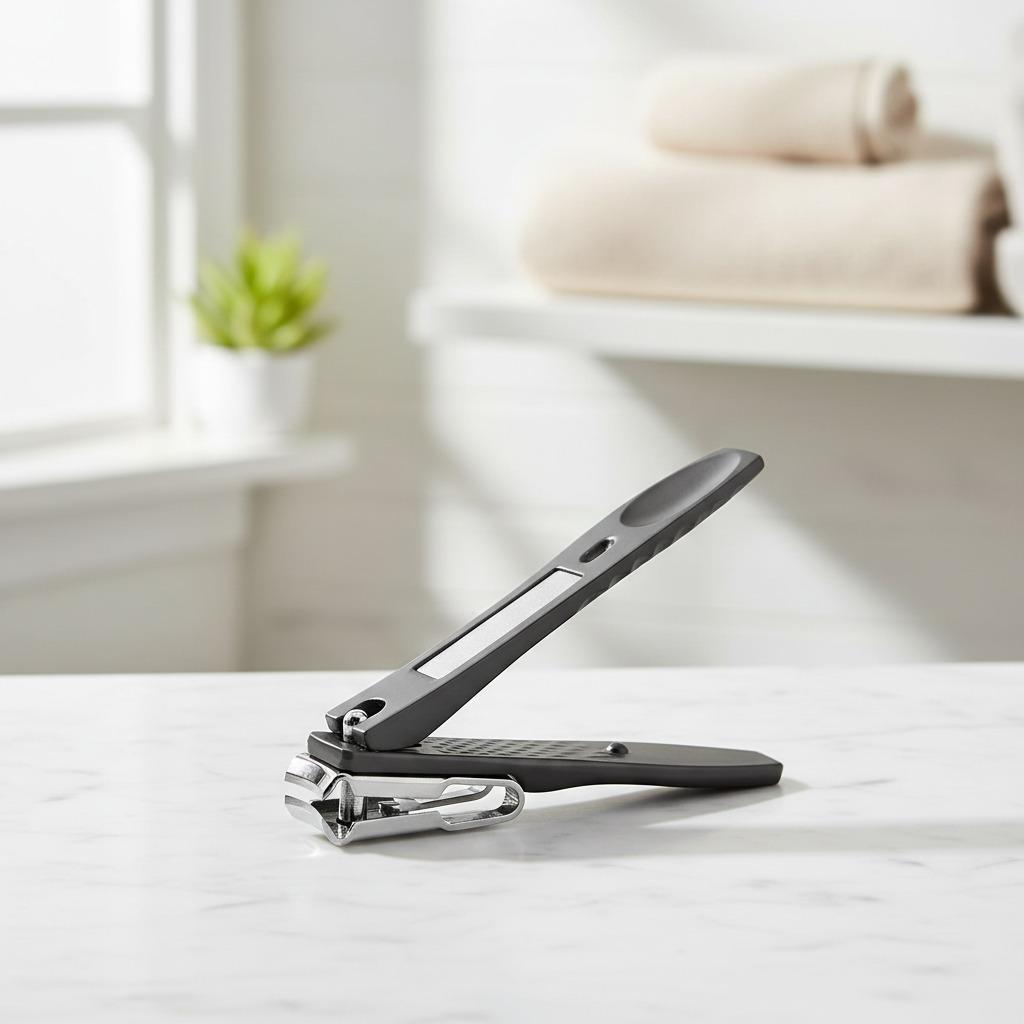
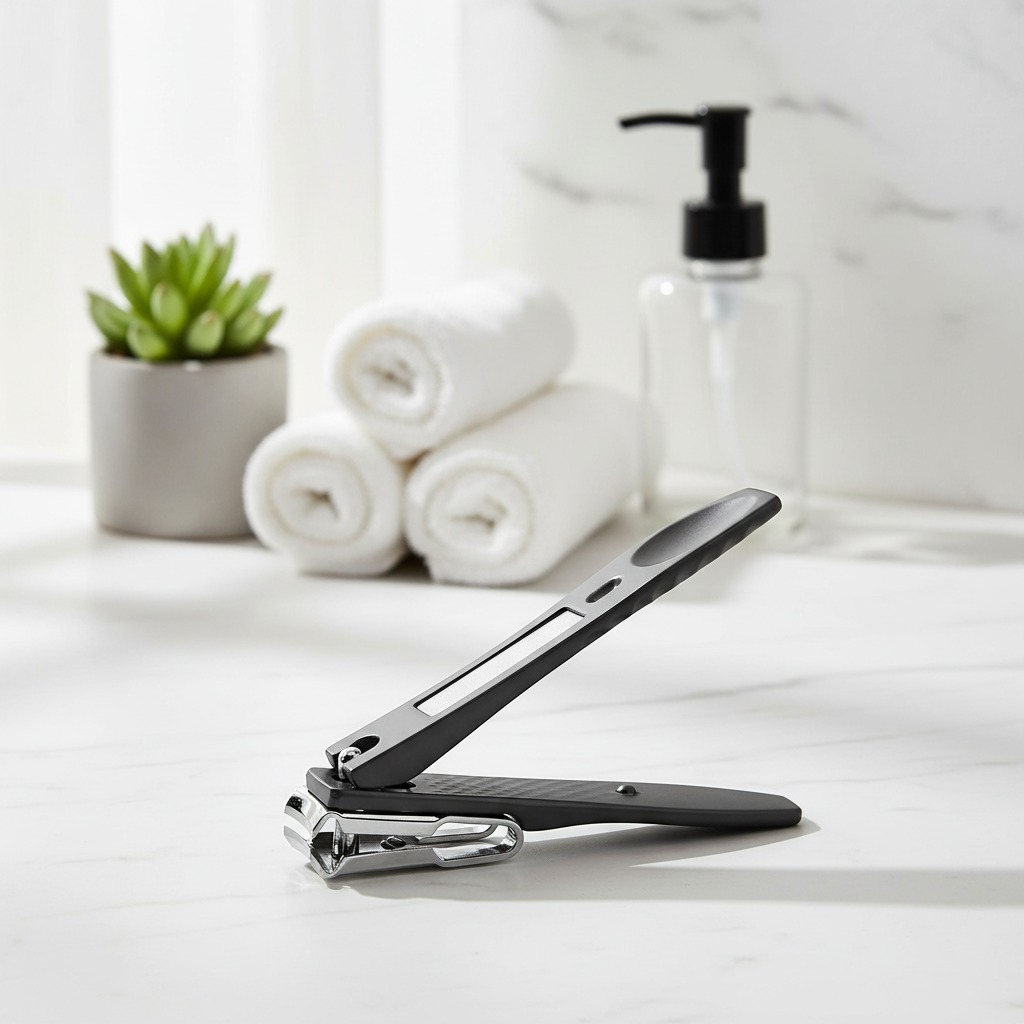
Olimor Beauty works in the beauty-tools category with products such as a heavy-duty nail clipper made from stainless steel, featuring an ergonomic matte black finish and a built-in nail file. Those visible product qualities point to the main areas buyers should evaluate: material, cutting performance, grip comfort, finishing, functionality, inspection process and suitability for retail or private-label development. This guide explains how to assess a nail clipper exporter before placing a production order or starting an ODM project.
What Makes a Nail Clipper Exporter Worth Shortlisting?
A strong exporter should understand both manufacturing details and buyer-side requirements. Nail clippers may appear simple, yet they involve multiple decisions: the metal used for the body and cutting edge, the sharpness and alignment of the jaws, the smoothness of the lever, the finish on the handle, and the way the product is packed for shipping and display. If any one of these factors is weak, the finished product can create complaints even when the design looks attractive in photos.
When reviewing exporters, start by looking for evidence of repeatable product control. A supplier should be able to explain how raw materials are selected, how cutting edges are formed, how the clipper is assembled, and how finished pieces are checked. This does not require exaggerated claims; it requires clear process thinking. For example, a heavy-duty nail clipper should feel stable when pressed, the blades should meet evenly, and the lever should not wobble excessively during use.
Export readiness also matters. A company serving overseas buyers should be comfortable discussing packaging protection, carton labeling, product photos, barcode placement, documentation needs and communication timelines. For a broader view of available categories, buyers can review Olimor beauty tool products and compare nail clippers with adjacent grooming tools to build a more complete assortment.
Key Product Details Buyers Should Inspect
The best nail clipper for a retail line is not always the most complicated design. It is the one that performs consistently for the customer group you serve. A salon-focused buyer may prioritize durability and comfort for repeated use, while a travel retail buyer may prioritize compact size, safe packaging and a built-in nail file. A gift-set buyer may focus on finish consistency and visual appeal across a full kit.
For the heavy-duty nail clipper described by Olimor Beauty, several practical features are worth noting: stainless steel construction, ergonomic matte black finish, and a built-in nail file for smoothing edges after trimming. These are meaningful because they address real usage concerns. Stainless steel supports a clean grooming experience, the matte finish can improve grip comfort, and the file reduces the need for a second loose tool in a travel pouch or manicure set.
- Blade alignment: The upper and lower cutting edges should meet cleanly without visible offset.
- Cutting feel: The clipper should cut without crushing the nail or requiring excessive force.
- Lever stability: The handle should move smoothly and return properly after pressure is released.
- Surface finish: Matte or polished finishes should be even, with no rough burrs where fingers rest.
- Built-in file usability: If included, the file should be positioned conveniently and have a practical texture.
- Cleaning practicality: Corners and joints should not trap residue unnecessarily.
- Packaging fit: The product should sit securely in its card, pouch, box or blister without shifting in transit.
Comparing Standard Supply and Nail Clipper ODM
Not every buyer needs a fully customized nail clipper. Some retailers need a stable, ready-to-source item that can be added to an existing grooming range. Others need nail clipper ODM support to create a product that fits a specific brand identity, package style or customer segment. Understanding the difference helps avoid unnecessary development time.
| Buying approach | Best suited for | Key points to confirm |
|---|---|---|
| Existing product selection | Retailers, distributors and quick assortment expansion | Product finish, sample quality, packing options and repeat order consistency |
| Private-label packaging | Brands with existing visual identity | Logo placement, packaging structure, artwork files and labeling requirements |
| ODM development | Brands seeking differentiated shape, finish or product set integration | Design feasibility, tooling discussion, sample review process and inspection standards |
For ODM projects, it is helpful to prepare a concise product brief before contacting an exporter. Include the target user, retail channel, desired finish, packaging preference, expected use case and any restrictions from your market. If the brief is clear, the supplier can respond with more relevant recommendations instead of offering a generic catalog item. Buyers exploring assortment planning can also browse Olimor product collections to consider how a nail clipper may fit with other beauty and grooming tools.
Questions That Reveal Supplier Reliability
A reliable nail clipper supplier should communicate clearly before production begins. The goal is not to collect promises, but to understand how the exporter manages practical details. A quality supplier can usually explain what is fixed, what can be customized and which decisions may affect cost, lead time or packaging complexity. This is especially important when sourcing for chain retail, e-commerce bundles, promotional programs or salon resale.
- Request representative samples. Evaluate cutting performance, finish, grip comfort and packaging before discussing a larger order.
- Define the acceptable sample standard. Keep an approved sample as the reference for production checks.
- Clarify packaging materials. Confirm whether the clipper will be packed in a box, pouch, blister card or another retail-ready format.
- Review branding details carefully. Logos, color, text, barcode placement and warnings should match your market requirements.
- Discuss inspection points. Blade alignment, lever movement, surface finish and packaging condition should be part of the review.
- Plan shipping protection. Small metal tools can rub against packaging or each other if inner packing is not secure.
Good sourcing conversations are specific. Instead of asking whether the product is “high quality,” ask how the cutting edge is checked, how the matte finish is protected, how many samples can be reviewed, and what happens if packaging artwork needs revision. These questions encourage objective answers and reduce misunderstandings.
Design Choices That Affect Customer Satisfaction
A nail clipper’s design must support the way people actually trim their nails. A wide lever may feel comfortable for some users, while a slimmer profile may suit travel kits. A matte black finish can create a clean, modern appearance, but it should also be assessed for tactile comfort and consistency across batches. A built-in file can be useful, but only if it is easy to access and not placed where it interferes with grip.
For retail buyers, design also includes how the product looks when displayed. A heavy-duty nail clipper may be positioned as a practical grooming essential, a men’s grooming accessory, a salon resale item or part of a manicure set. Each positioning choice affects packaging copy, color direction and bundle planning. Before committing to a design, compare it with the rest of your product range. A nail clipper that looks premium but does not match nearby items may weaken shelf consistency.
Customer feedback often focuses on everyday details: whether the clipper feels sharp, whether it slips in wet hands, whether the file is useful, and whether the tool feels solid after repeated use. These are the details that turn a basic grooming tool into a repeat-purchase item for retailers and a dependable daily item for consumers.
Quality Control and Maintenance Considerations
Quality control begins before production and continues through packaging. For nail clippers, visual inspection alone is not enough. A product can look attractive while still cutting poorly. Buyers should define the functional checkpoints that matter most for their channel. These may include cutting action, jaw alignment, lever pressure, burr removal, finish uniformity and packaging condition.
Maintenance instructions are also useful for the end customer. Even stainless steel grooming tools benefit from basic care. Customers should keep the clipper dry after use, remove nail dust from the file area, avoid dropping the tool on hard surfaces, and store it away from excessive moisture. If the product is included in a kit, the packaging can include simple care language to reduce misuse and improve product longevity.
For a supplier relationship, it is wise to keep records of approved samples, packaging artwork, order requirements and inspection notes. This creates continuity for repeat orders and helps both sides resolve questions quickly. If your team is comparing nail clipper exporters or preparing a private-label project, you can send an inquiry with your product direction, or contact Olimor to discuss suitable sourcing options.
Building a Better Nail Clipper Sourcing Plan
The strongest sourcing plan balances design, performance, packaging and risk control. A nail clipper should not be chosen only because it photographs well or has a low unit cost. It should be tested as a tool: how it cuts, how it feels, how it survives handling, and how clearly it communicates value to the customer.
Olimor Beauty’s focus on beauty tools, including stainless steel heavy-duty nail clippers with ergonomic finishing and a built-in nail file, provides a useful starting point for buyers seeking dependable grooming products. By comparing samples carefully, defining inspection standards and deciding early whether you need standard supply, private-label packaging or ODM development, you can select nail clipper exporters with greater confidence and build a product line that serves real customer needs.
Tag: