

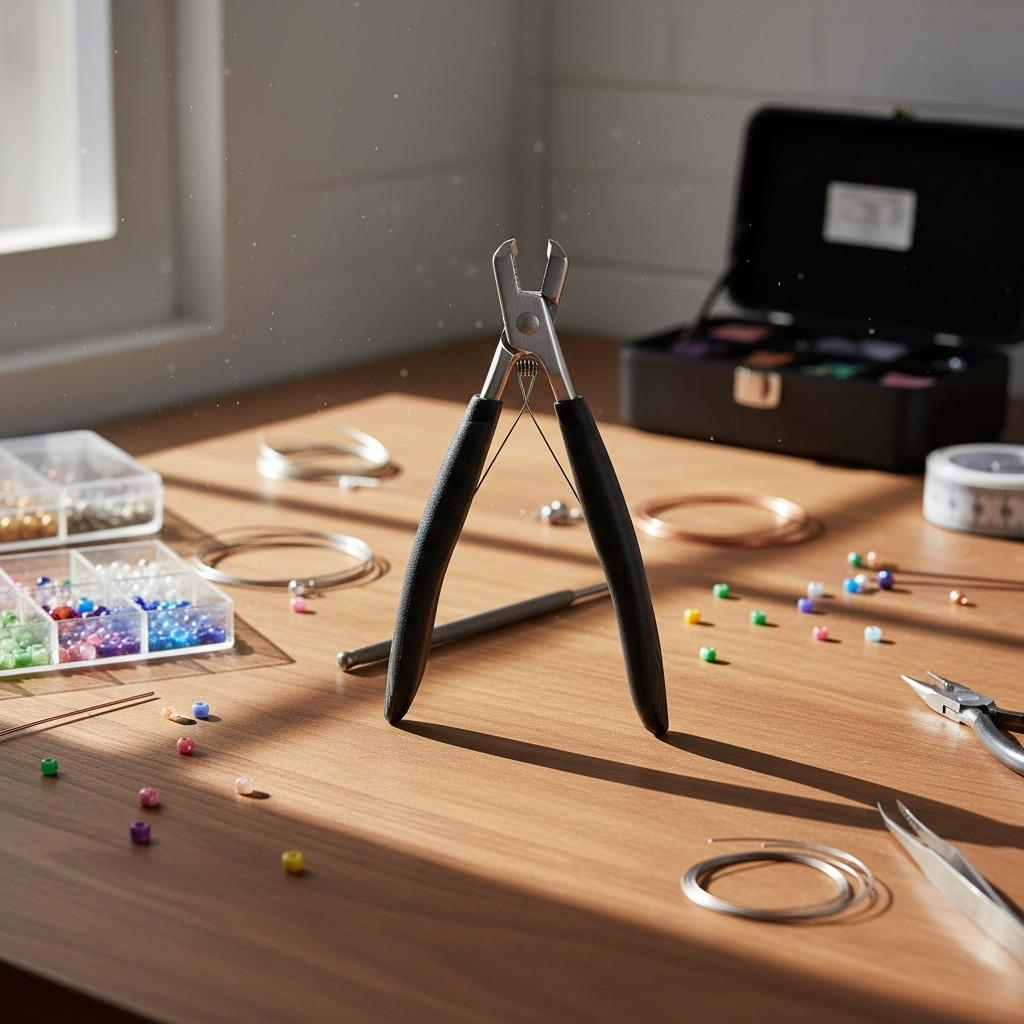
How to Choose Nail Clipper Exporters for Reliable Beauty Tool Sourcing
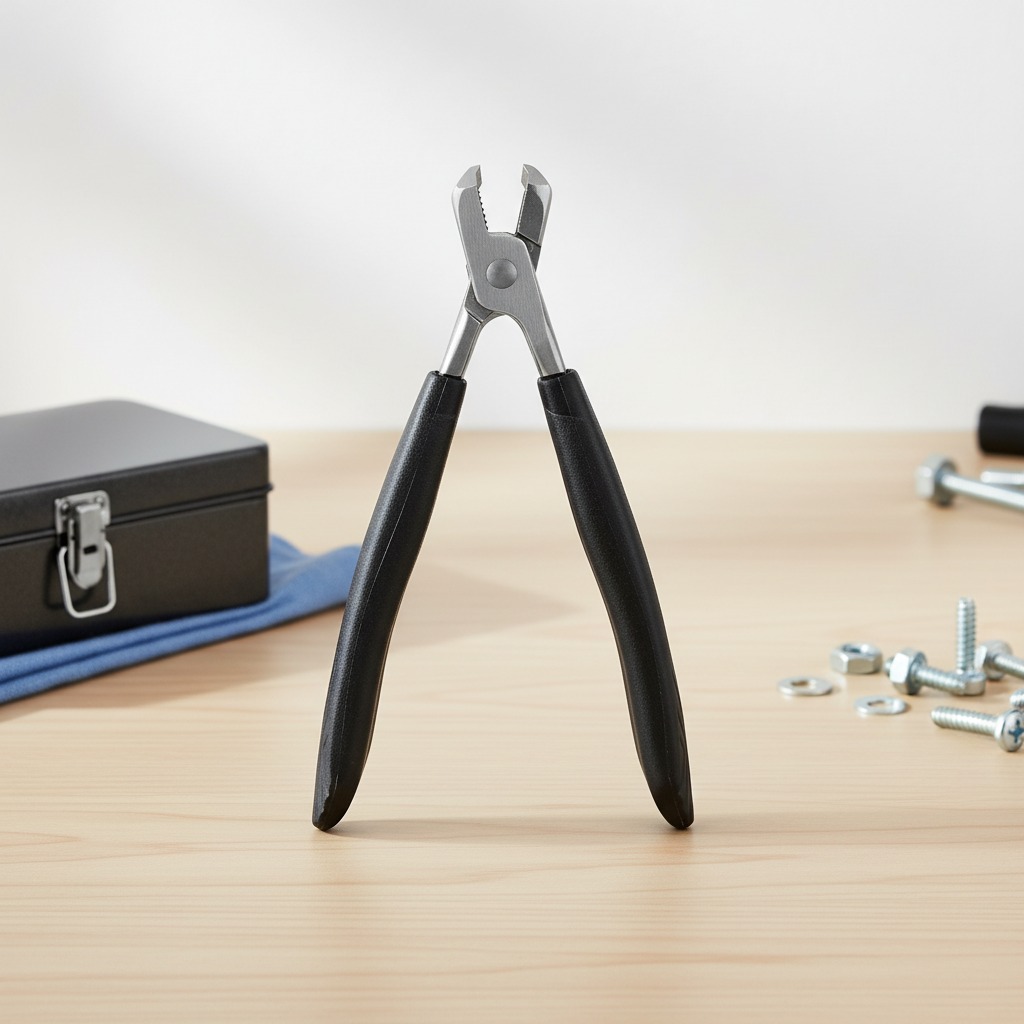
Choosing nail clipper exporters is a product-quality decision as much as a purchasing decision. For distributors, salon supply companies, private-label beauty brands, retail buyers and manicure tool wholesalers, the best supplier is not simply the one offering the lowest unit price. A nail clipper or cuticle nipper that looks acceptable in a catalog can still disappoint users if the blades do not meet cleanly, the lever feels unstable, the handle is uncomfortable, the cutting edge dulls quickly, or the packaging fails during transport.
This guide explains how to evaluate nail clipper exporters with a practical B2B sourcing mindset. It focuses on the details that affect user satisfaction and repeat orders: cutting performance, stainless steel construction, ergonomic handling, inspection discipline, packaging suitability, customization discussion and supplier communication. Olimor Beauty supplies beauty tools for buyers who need dependable manicure and pedicure products, including stainless steel nail clippers and professional cuticle nippers with ergonomic handles, sharp blades and compact, durable designs. Buyers comparing assortment options can review Olimor beauty tool products or browse relevant manicure and grooming tool collections.
What Makes a Nail Clipper Exporter Worth Shortlisting?
A strong nail clipper exporter helps reduce uncertainty before production, during inspection and after delivery. In beauty tools, the exporter’s role is more than arranging shipment. The supplier should understand how manicure tools are used, what buyers check when samples arrive, and why consistency matters across repeat orders.
When comparing exporters, look for evidence of process control rather than broad claims. Useful signs include clear product photos, consistent item descriptions, practical discussion of materials and finishing, attention to packaging details, and a willingness to define inspection steps from raw materials to final packing. Olimor Beauty emphasizes strict internal checks from raw material selection to packaging, which is the type of process awareness buyers should prioritize because nail tool quality depends on more than final appearance.
The central sourcing question is simple: will the delivered order perform like the approved sample? A reliable nail clipper supplier should help you define that standard before the purchase order moves forward. That means agreeing on observable expectations for blade alignment, cutting feel, surface finish, lever movement, packaging protection and any approved branding or presentation requirements.
Why Exporter Selection Matters for Nail Clippers and Cuticle Nippers
Nail clippers are compact, affordable and often purchased in quantity for retail shelves, grooming kits, promotional sets, e-commerce bundles and salon stations. Because they are small products, buyers may be tempted to treat them as commodities. In practice, customers judge grooming tools immediately by touch, sharpness and durability. If the tool pulls instead of cuts, bends under pressure, rusts too quickly, or feels rough in the hand, complaints can affect trust in the seller’s wider beauty range.
This is especially important for repeat-order programs. A retailer, distributor or private-label buyer needs the second and third shipment to match the first approved sample as closely as possible. Consistency allows buyers to build stable customer expectations instead of constantly solving quality variation problems.
Different channels also need different priorities. A salon distributor may focus on durable tools for frequent professional use. A retail buyer may emphasize attractive packaging, safe handling and comfortable consumer grip. A beauty brand may need a clean, consistent appearance that fits a broader grooming line. A capable exporter should be able to discuss these use cases clearly and recommend product options that fit the intended selling scenario.
Key Product Quality Checks Before Approving Samples
The basic promise of a nail clipper is straightforward: it should cut nails cleanly with reasonable pressure. For a cuticle nipper, the requirement is even more precise because the tool is used around delicate skin. A sample review should test function, not only appearance. Buyers should examine several pieces where possible instead of judging a supplier by one selected sample.
- Blade alignment: Cutting edges should meet evenly. Misaligned jaws can cause tearing, slipping or incomplete cuts.
- Sharpness and cutting feel: The tool should cut cleanly with controlled pressure and should not require excessive force.
- Lever or joint stability: A clipper lever, nipper pivot or spring area should feel secure and smooth, without unwanted wobble.
- Handle comfort: Ergonomic stainless steel handles, as used in Olimor Beauty’s professional cuticle nipper designs, help improve control during detailed trimming.
- Surface finishing: Non-cutting edges should feel clean to the touch, especially around handles, corners and tips.
- Appearance consistency: Polish, surface finish, shape, logo placement if applicable and packaging presentation should look uniform across the reviewed batch.
- Packaging condition: Packaging should protect the cutting edge, support the sales channel and arrive in suitable condition for retail, wholesale or kit assembly.
For cuticle nippers, avoid evaluating the tool only by how sharp it appears. The real test is controlled trimming. A nipper should cut cleanly rather than pull. Sample review is strongest when performed by someone familiar with manicure use, using realistic practice conditions such as training materials or approved practice hands.
Why Stainless Steel, Finish and Ergonomics Matter
Stainless steel is commonly valued in manicure tools because buyers associate it with durability, clean appearance and suitability for repeated handling. Olimor Beauty’s nail clippers and professional cuticle nippers are positioned around stainless steel construction, ergonomic design, rust resistance expectations and long-term grooming use. These are practical priorities because nail tools are frequently stored in bathrooms, salons and travel bags where humidity and handling conditions vary.
However, buyers should not assume every stainless steel nail clipper performs the same way. The final user experience depends on forming, sharpening, alignment, assembly, polishing and inspection. A tool can be made from stainless steel and still feel uncomfortable, cut poorly or arrive with finish defects if the manufacturing and inspection process is weak.
Ergonomics also affects repeat use. A nipper or clipper that looks attractive but feels awkward will not satisfy salon technicians who use tools repeatedly during the day. Handles should support stable finger placement and controlled pressure. For home users, comfort reduces the chance of slipping or over-cutting. For professional users, balanced handling supports accuracy during detailed work.
When reviewing samples, ask more than one person to hold and operate the tool. Hand size, grip strength and technique vary. A design that feels comfortable to one reviewer may feel too narrow, too stiff or too heavy to another. This does not mean one model must satisfy every user, but it helps you match the tool to the right customer segment.
Manufacturing and Export Readiness: What Buyers Should Verify
Many B2B buyers search for nail clipper manufacturers and exporters in China because China has an established beauty-tool manufacturing base and export infrastructure. The advantage is not only cost control; it is also the ability to combine tool production, packaging supply, export documentation and logistics coordination within a mature sourcing environment.
Even so, buyers should evaluate each supplier on practical evidence. Ask how samples are prepared, how inspections are organized, how defects are categorized, and how production communication is handled. Claims such as “premium quality” are less useful than clear discussion of cutting alignment, edge finishing, packaging protection and batch consistency.
For quality planning, some buyers refer to public inspection frameworks such as ISO 2859-1 for sampling procedures or ISO 9001 as a general quality management reference. These standards can be useful conversation points, but buyers should verify the applicable version, scope and supplier documentation for their own order. Do not assume a supplier holds any certification unless it provides valid, relevant evidence.
Inspection Checklist for Nail Clipper Export Orders
Many sourcing problems occur because buyer and supplier never define what “good quality” means in observable terms. Even when an order is not technically complex, a written checklist helps reduce misunderstandings. Retain approved physical samples when possible; photos are useful, but a physical reference sample is often better for comparing cutting feel, handle comfort and finish.
| Inspection area | What to review | Why it matters |
|---|---|---|
| Cutting edge | Blade meeting, sharpness, visible defects and clean trimming performance | Directly affects customer satisfaction and repeat purchase potential |
| Lever, joint or spring | Opening, closing, pressure, stability and unwanted wobble | Prevents stiffness, looseness and inconsistent cutting control |
| Handle and grip | Comfort, symmetry, smooth surfaces and practical finger placement | Supports safe, controlled manicure or pedicure use |
| Material and finish | Stainless steel appearance, polish, burrs, stains, scratches and rough edges | Influences durability perception, handling comfort and retail presentation |
| Packaging | Protection, labeling, presentation, carton condition and suitability for the channel | Reduces damage risk and supports retail, wholesale or kit readiness |
| Batch consistency | Comparison against approved sample across multiple pieces | Helps ensure repeat orders match the agreed product standard |
How to Compare Nail Clipper Exporters Without Choosing Only on Price
Price matters, but it should be evaluated with the full sourcing risk in view. A slightly lower unit cost can become expensive if the order has inconsistent cutting, weak packaging or unclear after-sales communication. Instead of asking only for the lowest quotation, compare exporters by how well they help you control the final product outcome.
Supplier evaluation questions
- Can the supplier explain the difference between available nail clipper, cuticle nipper and manicure tool options?
- Can they provide clear product photos, descriptions and sample options before bulk confirmation?
- How do they check blade alignment, sharpness, lever movement and finish?
- What packaging options are suitable for retail display, e-commerce shipping, salon supply or kit assembly?
- Can they discuss logo, packaging or assortment customization without overpromising?
- How will approved samples be used as production references?
- What information is needed from the buyer to prepare an accurate quotation?
- How are quality concerns handled if inspection findings differ from the approved standard?
The best conversations are specific. A supplier that can discuss cutting feel, finish, packaging protection and use scenarios is usually more helpful than one that answers every question with generic promises. For buyers developing a line or comparing product categories, Olimor can be contacted through the Olimor contact page to discuss suitable beauty tool options.
Customization, Packaging and Private-Label Considerations
Private-label and wholesale buyers often need more than a standard product. They may require a specific package style, a coordinated grooming kit, a consistent finish, or a logo presentation that matches an existing beauty range. Customization should be discussed early because it can affect cost, sampling, production coordination and inspection requirements.
Packaging deserves special attention. A nail clipper’s cutting edge must be protected, but the package also needs to support the sales channel. Retail packaging may need clear presentation and shelf appeal. E-commerce packaging may need protection during parcel handling. Salon supply packaging may prioritize efficiency and easy storage. Grooming kits may require compact layout and consistent appearance across several tools.
Buyers should provide artwork, packaging expectations and market requirements as early as possible. If you do not yet have a finalized specification, ask the supplier what information they need to quote accurately. Olimor buyers can start with a concise request through the product inquiry form, including intended use, target channel, customization needs and sample questions.
Cost Factors That Affect Nail Clipper Sourcing
A reliable quotation depends on more than the tool shape. Cost can be affected by material selection, tool size, finish quality, blade processing, assembly complexity, packaging type, order quantity, customization, inspection requirements and logistics arrangements. Buyers should avoid comparing two quotations as equal unless the product specification, packaging and quality expectations are also equal.
For example, a compact travel clipper for a grooming kit may have different cost priorities from a professional salon tool or a retail gift set. A value retail program may emphasize cost control and simple packaging, while a private-label range may require more attention to finish consistency and brand presentation. The supplier should help clarify these trade-offs without inventing unsupported performance claims.
When requesting quotations, include the intended sales channel, product type, packaging preference, branding needs, sample expectations and any inspection checklist you want applied. This gives the exporter a better basis for a realistic quote and reduces the chance of later misunderstandings.
Common Sourcing Problems and How to Prevent Them
Most nail clipper sourcing problems are preventable when expectations are documented before production. If the first discussion focuses only on price, important details may be missed until the order arrives.
- Problem: Sample cuts well but bulk order varies. Prevention: keep approved physical samples and define batch inspection checks.
- Problem: Tool looks good but feels uncomfortable. Prevention: test grip and lever pressure with several reviewers before approval.
- Problem: Packaging is damaged or unsuitable for the channel. Prevention: review packaging structure, protection and presentation before final confirmation.
- Problem: Buyer and supplier disagree on defects. Prevention: create a written checklist covering cutting edge, finish, movement and packaging.
- Problem: Customization delays approval. Prevention: prepare artwork, logo placement requirements and packaging references early.
Practical Buying Process for B2B Nail Tool Orders
- Define the use case. Decide whether the product is for retail, salon supply, travel kits, private label, e-commerce bundles or professional manicure use.
- Shortlist suitable exporters. Review product range, communication quality, material descriptions, packaging awareness and sample support.
- Request samples. Test cutting performance, blade alignment, handle comfort, lever action, finish and packaging.
- Document approval standards. Use photos, written notes and physical samples where possible.
- Confirm customization and packaging. Approve logo, artwork, presentation and any kit requirements before bulk production.
- Agree on inspection focus. Clarify the checks that matter most for your market and product type.
- Maintain supplier communication. Keep records of specifications, approved changes and quality expectations for repeat orders.
This process is useful for both standard nail clippers and related manicure tools such as cuticle nippers. The goal is not to make sourcing complicated; it is to make expectations clear enough that the supplier can deliver consistently.
Why Consider Olimor for Nail Clipper and Beauty Tool Sourcing?
Olimor Beauty works with beauty tools designed for practical grooming use in home, salon and professional settings. Its relevant product information highlights stainless steel construction, ergonomic handles, sharp blades, compact durable designs and internal inspections from raw materials to final packaging. These details align with the checks B2B buyers should use when selecting nail clipper exporters: cutting function, hand feel, finish consistency and packaging readiness.
For buyers building or improving a nail care assortment, Olimor can support product comparison across manicure and grooming categories. The most productive starting point is a clear sourcing brief: product type, intended channel, packaging needs, branding questions, sample request and quality concerns. Olimor can then respond around practical product options rather than a generic price-only discussion.
FAQ: Nail Clipper Exporter Selection
Can I request samples before placing a bulk nail clipper order?
Yes. Buyers should request samples and evaluate cutting performance, blade alignment, handle comfort, lever action, finish and packaging before confirming bulk production. Approved samples should be retained as references for later inspection.
Does Olimor offer customization for nail clippers or packaging?
Customization may be discussed based on the product and order requirements. Buyers should provide logo, packaging, channel and presentation expectations early so the supplier can review feasibility and quotation details without assumptions.
How should I ask about MOQ or lead time?
Ask with a complete sourcing brief, including product type, packaging, customization needs, destination and sample status. MOQ and lead time can vary by item and order requirements, so buyers should confirm current details directly with the supplier.
What quality checks are most important for nail clippers?
The most important checks are blade alignment, clean cutting feel, lever stability, smooth non-cutting edges, stainless steel finish appearance, packaging protection and consistency against the approved sample.
Should I require certification from a nail clipper exporter?
Certification requirements depend on your market, product category and buyer policy. If standards or certifications are relevant, verify the applicable version, scope and supplier documentation. Do not rely on unsupported claims.
Final Buying Guidance
The right nail clipper exporter should make your sourcing process clearer, not more uncertain. Look for a supplier that can discuss how the tool cuts, how it feels, how it is inspected, how it is packed and how repeat orders will be kept consistent. For B2B buyers, the strongest decision combines sample testing, written inspection criteria, realistic packaging review and supplier communication.
If you are sourcing stainless steel nail clippers, cuticle nippers or related manicure tools, prepare a concise specification and compare suppliers by product performance, process discipline and export readiness. Olimor Beauty offers a restrained starting point for buyers who want practical beauty tool options and a supplier conversation focused on real product requirements.
Tag: