

Eyelash Curler Wholesalers: What B2B Beauty Buyers Should Check Before Ordering

Eyelash curlers are small beauty tools, but they can have a large effect on customer satisfaction, product reviews and repeat purchasing. A curler that pinches, bends unevenly, feels unstable or loses pad resilience too quickly can create returns and weaken trust in a beauty assortment. A well-made curler is easier to demonstrate, easier to merchandise and more suitable for both professional and home users.
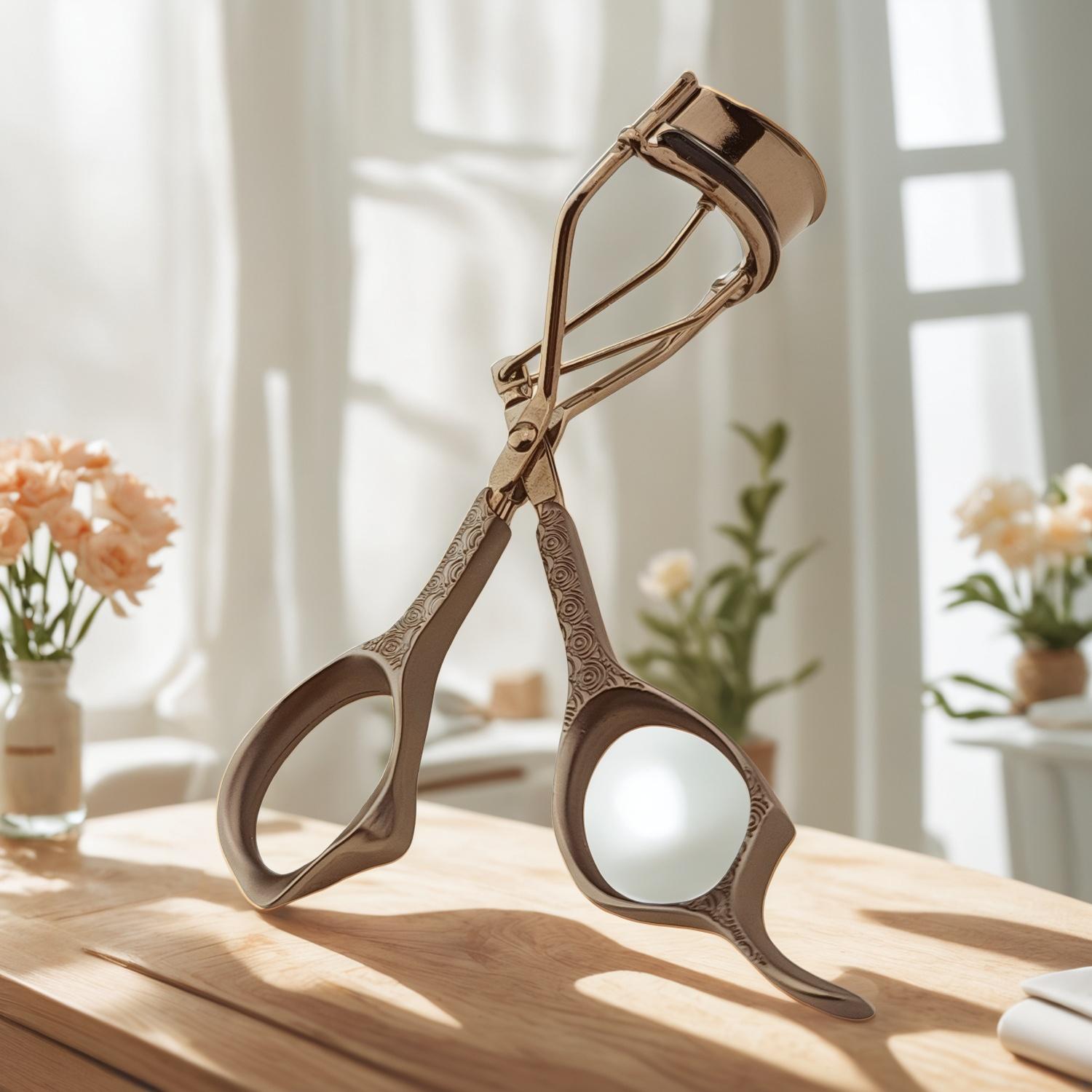
For B2B buyers, choosing eyelash curler wholesalers should not be only a low unit-cost decision. The better question is whether the tool is comfortable, consistent, safe to handle, suitable for your sales channel and supported by a supplier that understands beauty tool quality. Olimor Beauty supplies beauty tools for business buyers, including eyelash curlers positioned for everyday retail and professional beauty use. Relevant product details include ergonomic handling, a polished stainless-steel frame, a calibrated arc, a robust metal structure and a cushiony silicone pad, with some designs also offering distinctive mint green and caramel-colored styling for retail presentation.
This guide explains how retailers, salons, makeup artists, e-commerce sellers and distributors can evaluate wholesale eyelash curlers with a practical sourcing mindset: product structure, pad comfort, finish, packaging, inspection questions, cost factors and supplier communication.
Why Eyelash Curlers Remain a Reliable B2B Beauty Tool
Eyelash curlers remain relevant because they solve a simple and familiar beauty need: creating visible lift before mascara, makeup application or photography. They do not require charging, formulas or complicated instructions. That makes them easy for retail staff to explain, simple for salons to keep in a makeup kit and convenient for consumers to store in a cosmetics bag.
For B2B beauty supplies, eyelash curlers can serve several channels at once:
- Retail beauty stores: A practical add-on near mascara, false lashes, tweezers, lash combs and makeup brushes.
- Salons and brow-lash studios: A tool for makeup prep, demonstration or finishing services when used appropriately.
- Makeup artists: A portable tool that must work reliably across different eye shapes and makeup styles.
- Gift and cosmetic sets: A compact accessory that can complement other beauty tools.
- E-commerce sellers: A product where clear photos, comfort details, packaging and user guidance influence reviews.
Because the product looks familiar, buyers sometimes underestimate the differences between suppliers. In bulk purchasing, small quality issues become visible quickly: uneven opening and closing, misaligned pads, weak handles, rough edges, inconsistent surface finishing or packaging that does not protect the tool during transport. These issues can affect returns, ratings and retailer confidence.
Buyers building a wider tool assortment can review Olimor beauty tool products to see how an eyelash curler may fit alongside related grooming and cosmetic accessories.
Core Product Features to Compare Across Eyelash Curler Wholesalers
When comparing eyelash curler wholesalers, start with the parts that affect the user experience directly. A curler may look attractive in a catalog image, but the important questions are how it sits near the lash line, how smoothly it closes and how gently the pad contacts the lashes.
Frame Structure and Alignment
The frame should feel stable, not flimsy. Olimor’s referenced eyelash curler details include a polished stainless-steel frame and robust metal structure. For buyers, the key is not only the material description but also the alignment of the upper bar, lower pad area and handles. Both sides should close evenly without twisting. Misalignment can pinch skin, miss part of the lash line or create an uneven curl.
Arc Shape and Fit
A calibrated arc helps the curler sit more naturally along the lash line for different eye shapes. No single tool fits every user perfectly, so buyers should evaluate the curve with the intended market in mind. A curler for broad retail distribution should feel accessible to ordinary consumers, while a professional tool should allow controlled positioning during repeated use.
Pad Comfort and Seating
The pad is the contact point with lashes, so its comfort and placement matter. Olimor product descriptions reference a cushiony silicone pad, and the supplied product detail also mentions a hypoallergenic silicone pad. B2B buyers should check that the pad sits securely in the groove, contacts the upper bar evenly and does not shift easily during opening and closing. A soft, resilient pad can help distribute pressure more gently and reduce harsh crimping, but buyers should still verify sample feel before ordering.
Opening, Closing and Grip Control
A wholesale eyelash curler should open and close smoothly without scraping, wobbling or sudden looseness. Ergonomic handling is important for both salon professionals and retail consumers who may not have advanced technique. Finger loops should feel smooth, pressure should be easy to control and the hinge should return predictably.
Surface Finish and Visual Consistency
Surface finish influences both safety perception and shelf value. Inspect for burrs, rough edges, uneven polishing, scratches, peeling, discoloration or areas that feel uncomfortable when held. For wholesale orders, visual consistency matters because buyers are not purchasing one sample; they are purchasing a repeatable product experience.
| Feature to Check | Why It Matters for B2B Buyers | What to Look For in Samples |
|---|---|---|
| Frame alignment | Misalignment can pinch skin or curl lashes unevenly. | Both sides close evenly with no twisting or uneven contact. |
| Handle comfort | Retail customers and professionals need steady control. | Smooth finger openings, stable pressure and no rough edges. |
| Pad material and seating | The pad is the main contact point with lashes. | Soft silicone feel, secure fit and even contact with the upper bar. |
| Opening width | Affects positioning on different eye shapes. | Enough space to place lashes without forcing the tool. |
| Surface finish | Visible finishing influences perceived value and comfort. | No burrs, scratches, peeling, sharp areas or rough polishing. |
| Packaging readiness | Important for resale, transport and shelf presentation. | Clean presentation, protection from damage and space for required product information. |
Matching the Curler to Your Sales Channel
Not every buyer needs the same eyelash curler presentation. The right wholesale option depends on where and how the tool will be sold.
Retail Stores
Retailers usually prioritize shelf appeal, product clarity and customer confidence. Packaging should show what the tool is, how it is used and why the design is comfortable. Color can also matter because shoppers often choose small beauty tools visually. A mint green and caramel-colored curler can stand out in a display without relying on exaggerated claims.
Salons, Makeup Artists and Professional Beauty Users
Professional users evaluate curlers by control, consistent pressure, fast positioning and ease of cleaning between uses according to their own hygiene procedures. A salon or makeup artist may use the tool alongside mascara, lash combs, tweezers and other beauty accessories, so the curler must be simple to handle in a busy workflow. A polished frame and ergonomic design can support a professional-looking kit.
Distributors and E-Commerce Sellers
Distributors need broad suitability. A wholesale eyelash curler should be easy to explain to retailers, salons and online customers. E-commerce sellers should pay particular attention to product images, pad detail, instructions and packaging durability, because online buyers cannot test the grip before purchase. Buyers planning a coordinated range can compare assortment ideas through Olimor product collections.
Eyelash Curlers and Lash Extensions: Use With Care
Eyelash curlers and lash extension services are connected in the wider beauty market, but they should not be positioned carelessly. A traditional mechanical eyelash curler is generally intended for natural lashes. If consumers have lash extensions, they should follow the instructions from their lash technician and avoid pressure that could bend, loosen or damage extensions.
For B2B buyers, this affects product copy, packaging and sales training. A curler may complement a broader lash category that includes false lashes, lash tools and extension-related services, but unsupported claims can create disputes. A responsible approach is to describe the curler as a natural-lash tool, explain basic use clearly and avoid suggesting that every curler is automatically suitable for extension wearers.
Quality Control Questions Before Placing a Wholesale Order
Quality assurance is one of the main differences between a casual supplier and a dependable B2B partner. Olimor Beauty emphasizes quality assurance, including inspections from raw materials to final packaging. For eyelash curlers, quality control should cover more than a clean appearance. It should include alignment, movement, pad contact, finishing, packaging condition and batch consistency.
Before placing a wholesale order, create a simple inspection checklist. This helps purchasing teams compare suppliers using practical evidence rather than vague words such as premium or standard.
- Compare multiple samples: Do not judge only one piece. Check several samples for color, frame alignment, pad seating and finish consistency.
- Inspect the frame: Look for scratches, burrs, uneven polishing, rough edges or areas that feel uncomfortable in the hand.
- Test the hinge: Open and close the curler several times to evaluate smoothness, stability and return movement.
- Check pad placement: The silicone pad should sit securely and make even contact with the upper bar.
- Review lash line fit: Where appropriate, test positioning around different eye shapes without applying excessive pressure.
- Assess packaging: Packaging should protect the tool during transport and present it clearly for the intended sales channel.
- Confirm order documentation: Ask what product specifications, packaging details and inspection procedures can be documented before production or shipment.
For supplier evaluation, some buyers use quality management frameworks such as ISO 9001 as a reference point when discussing process control, documentation and corrective actions. For consumer product safety expectations, buyers may also need to consider applicable public rules in their destination market, such as the European Union General Product Safety Regulation for products sold in the EU. These references should be used carefully: verify the applicable version, the product scope and the supplier’s actual documentation. Do not assume a supplier holds a certification unless it is specifically provided and verifiable.
Cost Factors Beyond the Unit Price
Unit price matters, but it is not the full cost of a wholesale eyelash curler program. A very low-cost tool can become expensive if it produces returns, negative reviews, inconsistent batches or weak reorder confidence. Buyers should compare total commercial value rather than only the first quotation.
Important cost factors include:
- Material and finish expectations: A polished stainless-steel frame or robust metal structure may carry different sourcing implications than a basic appearance-focused item.
- Pad quality and spare pad planning: The pad affects comfort and perceived longevity, so its seating and resilience should be reviewed during sampling.
- Packaging format: Retail-ready packaging, display packaging or simpler bulk packing may affect cost, freight efficiency and shelf impact.
- Customization needs: Color, packaging artwork and branding requirements can change production planning and quotation details.
- Inspection requirements: More detailed checks may require clearer specifications, sample approvals and quality documentation.
- After-sales risk: Returns, complaints and marketplace reviews can cost more than a small unit-price difference.
A strong supplier conversation should cover the complete buying scenario: target market, retail channel, packaging needs, customization, quality checks, sample approval and reorder expectations.
How to Evaluate an Eyelash Curler Supplier
A good eyelash curler wholesaler should be able to discuss both the product and the buying process. B2B buyers should look for clear communication, realistic claims and willingness to provide sample-based evaluation. Avoid suppliers that rely only on attractive photos or broad claims without addressing frame alignment, pad fit, packaging protection and inspection steps.
Useful supplier evaluation questions include:
- What materials and product features are confirmed for the quoted curler?
- Can samples be reviewed before a bulk order?
- What customization options are available for color, branding or packaging?
- How is quality checked from raw materials to final packaging?
- What information can be provided for packaging, labeling and destination-market requirements?
- How should buyers communicate concerns if sample quality and bulk quality do not match?
These questions help separate a simple product listing from a supplier relationship. If you are comparing eyelash curler wholesalers for a retail, salon or distribution program, you can send product and packaging requirements through Olimor’s wholesale inquiry page for a focused discussion.
Practical Buying Checklist for Wholesale Eyelash Curlers
Use this checklist before confirming an order:
- Define the primary sales channel: retail, salon, e-commerce, distributor or gift set.
- Request samples and compare more than one piece.
- Check frame alignment, hinge movement, pad seating and surface finish.
- Confirm whether the curler design, color and packaging match your target customer.
- Review product copy for responsible natural-lash positioning and avoid unsupported extension-use claims.
- Ask what quality checks are performed before final packaging.
- Confirm customization, packaging and documentation requirements before approval.
- Verify any applicable standards, public rules or buyer-specific compliance requirements for your destination market.
Why Consider Olimor for Eyelash Curler Sourcing
Olimor Beauty focuses on beauty tools for business buyers and describes inspection attention from raw materials to final packaging. For eyelash curlers, the practical value is in details buyers can verify: ergonomic handling, polished metal appearance, calibrated arc design, silicone pad comfort, consistent movement and packaging suitable for the sales channel.
The best next step is not to rely on assumptions. Review samples, compare them against your target customer needs and discuss packaging or customization requirements before ordering. For tailored sourcing support, contact Olimor through the beauty tool sourcing team with your channel, expected presentation and quality priorities.
FAQ
Can B2B buyers request eyelash curler samples before ordering?
Sample review is a practical step for wholesale eyelash curlers because buyers need to test frame feel, hinge movement, pad seating, finish and packaging. Discuss sample availability directly with the supplier before confirming a bulk order.
What is the MOQ for customized eyelash curlers?
MOQ can depend on the selected design, color, packaging format, branding method and production plan. Buyers should confirm the current requirement with Olimor during inquiry rather than assuming one fixed quantity.
Can eyelash curlers be customized for retail packaging or brand presentation?
Customization may include product appearance, packaging artwork or other presentation details depending on the project. Provide your target market, sales channel and packaging expectations so the supplier can review what is feasible.
What quality checks matter most for wholesale eyelash curlers?
Important checks include frame alignment, smooth opening and closing, secure silicone pad seating, comfortable finger loops, clean surface finish, consistent samples and packaging protection. Buyers should also ask what inspection steps are used before final packaging.
How should buyers confirm lead time?
Lead time can vary by order size, customization, packaging requirements and production schedule. Confirm timing during the quotation stage and again after sample or artwork approval, especially for retail launch planning.
Tag: