

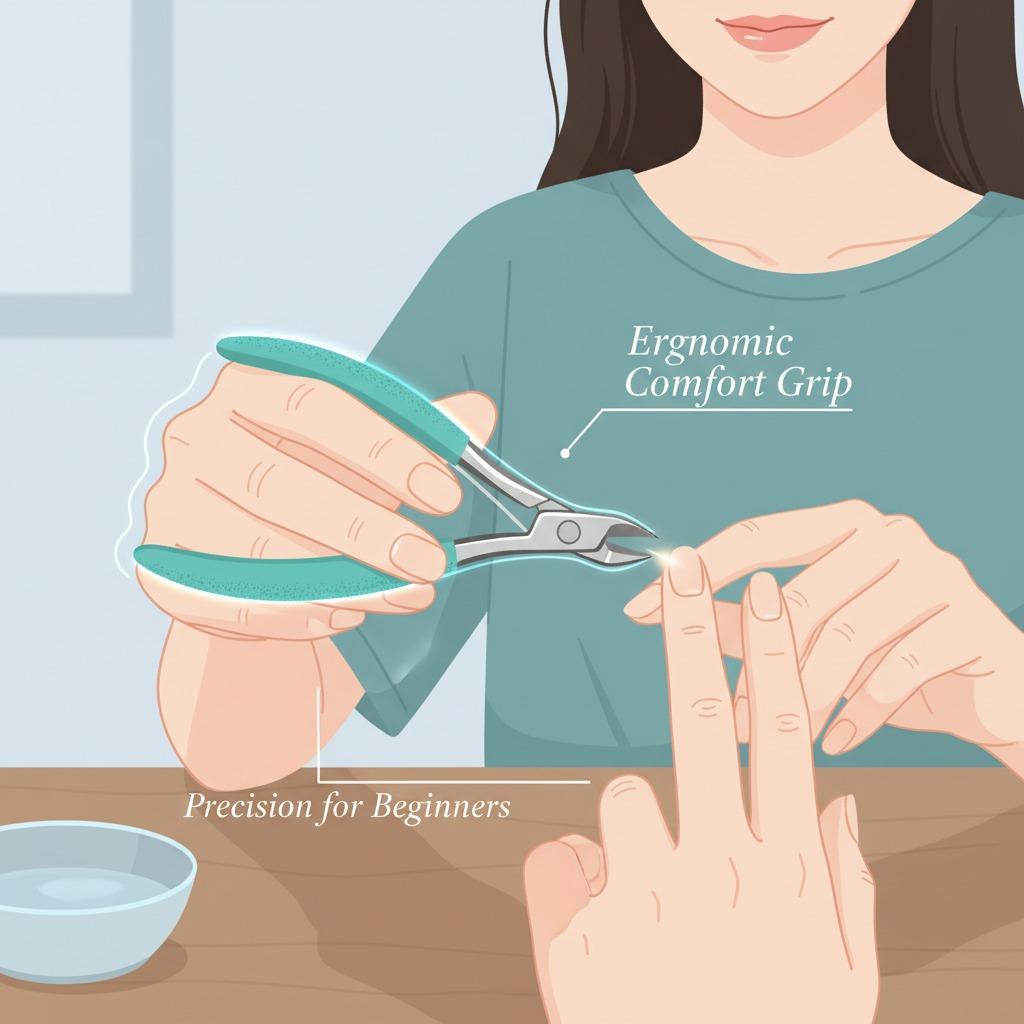
Beginner Cuticle Nippers: How to Choose an Ergonomic Pair
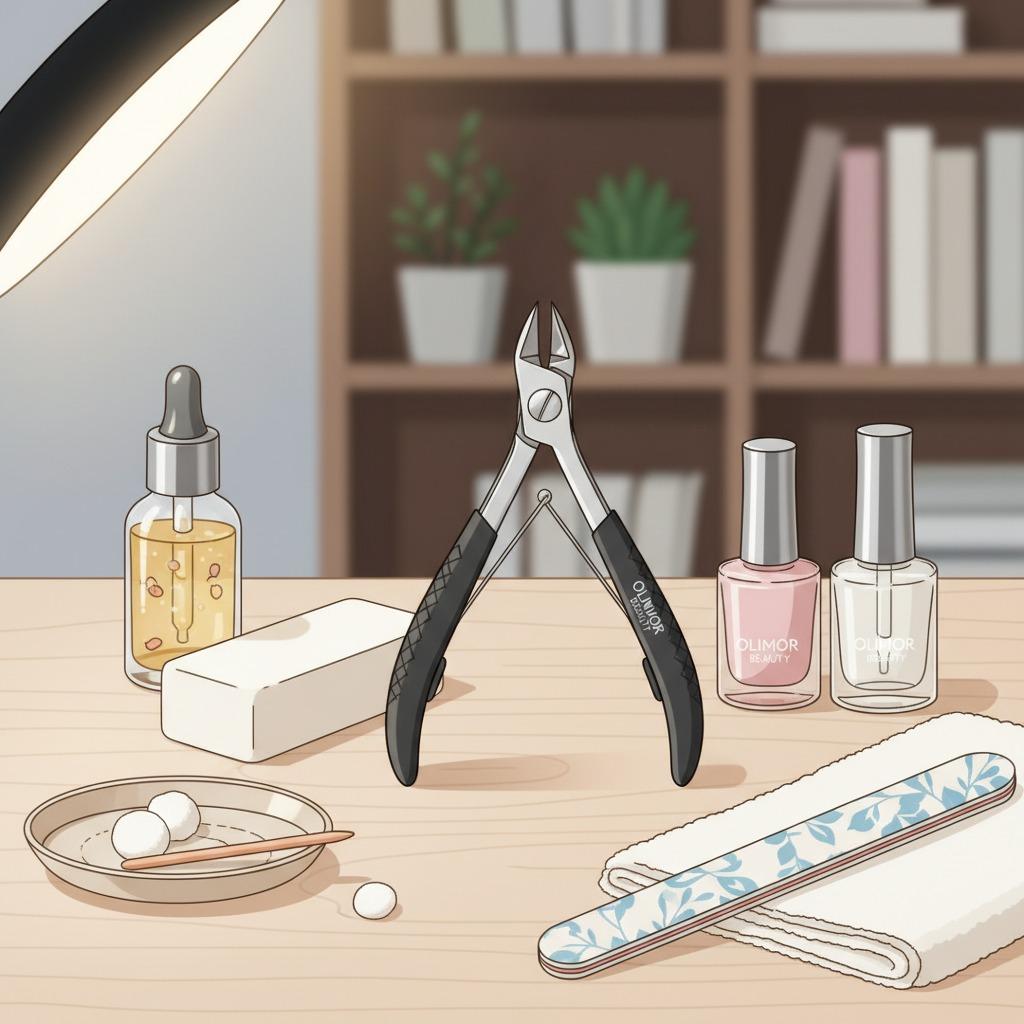
Cuticle nippers are small tools, but they demand good control. For beginners, the right pair should feel steady in the hand, trim only what needs to be removed, and stay easy to clean between uses. A nipper that is too stiff, too loose, or uncomfortable can make nail care harder than it needs to be. A well-chosen tool helps you work slowly, see what you are cutting, and avoid pulling at delicate skin around the nail.
Olimor Beauty cuticle nippers are presented for users who want reliable at-home nail care tools with professional handling characteristics. The supplied product information highlights high-quality stainless steel, an ergonomic design, sharp angled blades, and a sturdy double spring mechanism. Those details matter most for a beginner because they affect durability, precision, grip comfort, and the smoothness of each cut. If you are comparing options across beauty tool products, this guide explains what to look for before you buy and how to use a nipper responsibly.
What Makes a Cuticle Nipper Beginner-Friendly?
A beginner-friendly cuticle nipper is not simply the sharpest tool available. It is a tool that gives you predictable control. The cutting edges should meet cleanly, the handles should move smoothly, and the spring should help reopen the tool without forcing your hand into an awkward position. When you are still learning, those handling details reduce the chance of cutting too deeply or squeezing too hard.
Ergonomics are especially important. Nail care often involves short, careful movements rather than one large cut. A comfortable handle shape can help reduce hand fatigue during a manicure session, particularly when you are working on your non-dominant hand. A beginner should be able to hold the nipper lightly, position the angled blades accurately, and trim in small sections without feeling rushed.
Stainless steel is also a sensible material choice for cuticle tools because it supports durability and routine cleaning. Beginners sometimes focus only on appearance, but the surface, hinge area, and blades should all be easy to wipe and maintain. A sleek design is useful when it is paired with practical cleaning access and stable construction.
Key Features to Check Before Buying
When choosing cuticle nippers, evaluate the tool as a whole rather than judging by a single claim. The following checklist helps beginners compare options in a practical way:
- Blade alignment: The blades should meet evenly at the tips and along the cutting edge. Uneven contact can lead to snagging instead of clean trimming.
- Angled blade visibility: Angled blades can help you see the area you are trimming, which is useful around the sidewalls of the nail and near the cuticle line.
- Smooth spring action: A double spring mechanism should open and close smoothly, giving you control without a jerky feel.
- Comfortable grip: Handles should sit securely in your fingers without forcing you to squeeze excessively.
- Easy cleaning: Look for surfaces and joints that can be wiped after use so residue does not build up.
- Durable construction: Stainless steel and well-finished edges support longer use when the tool is cleaned and stored properly.
For product sourcing or private selection decisions, buyers may also want to compare finish consistency, packaging protection, hinge movement, and inspection standards. Olimor Beauty describes a quality assurance process that checks details from raw materials to packaging, which is relevant for businesses reviewing beauty tools for retail, salon, or kit assembly use. To explore broader sourcing options, visit Olimor Beauty product collections.
Why Ergonomic Handling Matters for New Users
Beginners often make mistakes when a tool feels unstable. If the handles are slippery, too narrow, or hard to close, the user may compensate by squeezing harder. That pressure can reduce precision. An ergonomic cuticle nipper should help the hand remain relaxed while the blades do the cutting work.
Good handling also helps with pacing. Cuticle care should be slow and selective. The goal is to trim small lifted pieces of dead skin or hangnails, not to remove living tissue. A nipper with smooth spring response allows you to make controlled, repeated cuts without fighting the tool. This is where the double spring mechanism described for Olimor Beauty cuticle nippers is useful: it supports a steady open-close rhythm and helps reduce unnecessary hand strain.
The blade angle is another beginner advantage when used carefully. Sharp, angled blades can reach small areas with less twisting of the wrist. However, sharpness must be paired with restraint. Beginners should avoid cutting in long continuous strips. Instead, make tiny trims only where the skin is clearly loose. If the area is attached, painful, red, or inflamed, do not cut it.
How to Use Cuticle Nippers Safely at Home
Cuticle nippers should be used after the nail area has been cleaned and softened. Rushing into dry, tight skin increases the chance of pulling or over-cutting. A simple, careful process is enough for most at-home users:
- Wash and dry your hands. Start with clean nails and clean skin so you can see the cuticle area clearly.
- Soften the skin. Use warm water or your usual nail care preparation method to make dry edges easier to identify.
- Push gently if needed. If you use a cuticle pusher, use light pressure and avoid scraping the nail plate.
- Trim only lifted skin. Hold the nipper steadily and cut tiny sections of loose skin or hangnails. Do not dig under the cuticle fold.
- Stop if there is discomfort. Pain, bleeding, or redness means you should stop immediately and allow the area to recover.
- Clean the tool after use. Wipe the blades and joint area carefully before storing the nipper in a dry place.
This method is not about making the cuticle disappear. Healthy cuticles protect the nail area. The best use of a nipper is targeted tidying: removing ragged, detached edges that may catch or tear further.
Maintenance Habits That Protect Performance
A good cuticle nipper can lose performance if it is stored wet, dropped, or left with residue around the hinge. Maintenance should be simple but consistent. After each use, remove visible debris from the blades and around the spring area. Dry the tool thoroughly before storage. Moisture left in joints or near cutting edges can shorten the useful life of many metal tools.
Storage matters because the tips are fine and precise. Do not toss a nipper loosely into a crowded drawer where it can strike other tools. If the blades become misaligned from impact, they may pinch or tear rather than cut. For personal use, keep the tool separated from general household scissors or grooming items. For salon, training, or retail environments, establish a clear cleaning and storage process so each tool remains traceable and ready for inspection.
Beginners should also pay attention to cutting feel over time. If the blades begin to drag, crush, or require extra pressure, stop using the tool until it can be evaluated. Forcing a dull or damaged nipper is one of the easiest ways to lose control.
Buying for Personal Use, Kits, or Professional Supply
The best cuticle nipper for a first-time user depends on the setting. A home user may prioritize comfort, easy cleaning, and confidence. A beauty kit assembler may care about consistency across many pieces, packaging protection, and how the tool pairs with other manicure items. A salon or training buyer may focus on durability, repeat handling, and whether beginners can learn correct technique with the same tool.
Before placing a larger order or comparing product lines, define the intended user. Are the nippers for occasional at-home grooming, beginner manicure students, gift sets, or resale? Then review the tool against specific criteria: handle comfort, spring smoothness, blade alignment, stainless steel finish, packaging condition, and cleaning access. For customized purchasing questions or product availability, you can send an inquiry or contact Olimor.
Final Selection Advice for Beginners
For beginners, the top cuticle nipper is the one that supports careful technique. Look for stainless steel construction, an ergonomic grip, sharp angled blades, and smooth spring movement. These features help the tool feel controlled rather than aggressive. Olimor Beauty cuticle nippers are positioned around those core qualities, making them a practical option for users building better nail care habits.
Still, the tool is only part of the result. Work on clean, softened skin; trim in very small sections; avoid cutting healthy attached tissue; and clean the nipper after every use. With the right selection criteria and patient technique, beginners can maintain neater nails while protecting the delicate skin around them.
Tag: