

Choosing a Beauty Tools Manufacturer for OEM Personal Care Products
For beauty brands, retailers and distributors, selecting a beauty tools manufacturer is not only a purchasing decision. The right partner affects product consistency, user comfort, packaging presentation, repeat orders and customer trust. A tweezer, facial tool, grooming accessory or stainless steel personal care item may look simple, but small differences in material selection, edge finishing, surface treatment and inspection can change how the product feels in the hand and performs over time.
Olimor Beauty works in the beauty and personal care tools category, with a focus on practical stainless steel tools designed for both professional and personal use. If you are comparing suppliers in Asia or preparing an OEM personal care tools project, the most useful approach is to look beyond a catalog image and evaluate how each product is made, checked and prepared for market.
What a Beauty Tools Manufacturer Should Help You Solve
A reliable manufacturer should help buyers reduce uncertainty. For an established brand, that may mean maintaining a consistent look across repeat orders. For a new private label project, it may mean selecting tools that match the audience, sales channel and target packaging style. For a distributor, it may mean finding durable, easy-to-present products that can fit multiple retail programs.
Beauty tools are often used close to the skin, nails or hair, so the product must feel controlled and comfortable. The finish should not have sharp, unfinished edges where they are not intended. Moving parts, if present, should open and close smoothly. The surface should be clean enough for presentation and practical enough for regular handling. These points sound basic, but they are the difference between a product that is reordered and one that creates customer complaints.
When reviewing beauty tool products, buyers should consider both the single item and the full product line. A brand may begin with one stainless steel tool and later expand into a coordinated set. Choosing a manufacturer that understands personal care categories can make future development easier.
Why Many Buyers Compare Personal Care Tools Manufacturers in Asia
Asia is an important sourcing region for personal care tools because buyers can often find manufacturers with experience in metal forming, polishing, assembly and packaging. However, location alone does not guarantee quality. The better question is whether a supplier can translate your product requirements into a repeatable production process.
For stainless steel beauty and personal care tools, several production factors matter. The tool should be shaped to suit its intended use, whether it is a grooming accessory, a salon support item or a compact personal care product for retail. The grip should feel secure. The polished or brushed surface should match the brand position. Packaging should protect the finish during transit and make the product easy to identify in storage or on a shelf.
Olimor Beauty emphasizes quality checks and technical commitment, including inspection from raw materials to final packaging. For buyers, this matters because problems can appear at different stages: material defects at the beginning, inconsistent finishing during production, or scratches and mixed items during packing. A structured inspection mindset helps reduce avoidable risk before goods leave the factory.
OEM Personal Care Tools: What to Define Before Production
OEM projects work best when the buyer defines the commercial goal before focusing on small design details. A product for professional salon use may need a different hand feel and packaging approach than a compact tool sold through an online bundle. A giftable set may require closer attention to visual consistency, while a functional single tool may prioritize durability and straightforward packaging.
Before confirming an OEM personal care tools supplier, prepare a product brief that covers the intended user, sales channel and preferred presentation. This does not need to be complicated, but it should reduce assumptions. Useful points include:
- Product purpose: Identify whether the item is for grooming, nail care, facial care, salon support or general personal care.
- Target user: Define whether the buyer is a professional, a home user, a gift purchaser or a distributor serving multiple channels.
- Material expectation: If stainless steel is required, clarify the desired appearance, finish and care expectations without assuming unspecified grades.
- Comfort requirements: Consider grip shape, tool weight, edge finishing and ease of use.
- Branding needs: Decide whether the product, packaging or both should carry brand elements.
- Packaging role: Choose whether packaging is mainly protective, retail-facing, giftable or designed for e-commerce shipping.
- Inspection focus: List the most important visual and functional checks before shipment.
If you already know the type of tool you need, you can send an inquiry with drawings, photos, packaging references or a written brief. Clear early information helps the manufacturer review feasibility and identify questions before sampling or production planning.
Key Evaluation Criteria for Stainless Steel Beauty Tools
Stainless steel tools are popular in beauty and personal care because they can offer a clean appearance, strength and a professional feel. Still, not every stainless steel item is equal. Buyers should compare samples with attention to actual handling, not just product photos.
| Evaluation point | What to check | Why it matters |
|---|---|---|
| Surface finish | Look for scratches, uneven polishing, stains or rough areas. | The finish affects both product appearance and user confidence. |
| Edge treatment | Check areas that touch the hand or skin for unwanted sharpness. | Poor edge finishing can make a tool uncomfortable or unsafe to handle. |
| Ergonomics | Hold the tool as the end user would and test basic movement. | Comfort supports better control and repeat use. |
| Consistency | Compare multiple samples for shape, finish and packaging alignment. | Consistency is essential for retail presentation and reorder confidence. |
| Packaging protection | Review whether the tool is protected from rubbing, moisture and mixed handling. | Good packing helps preserve appearance during transport and storage. |
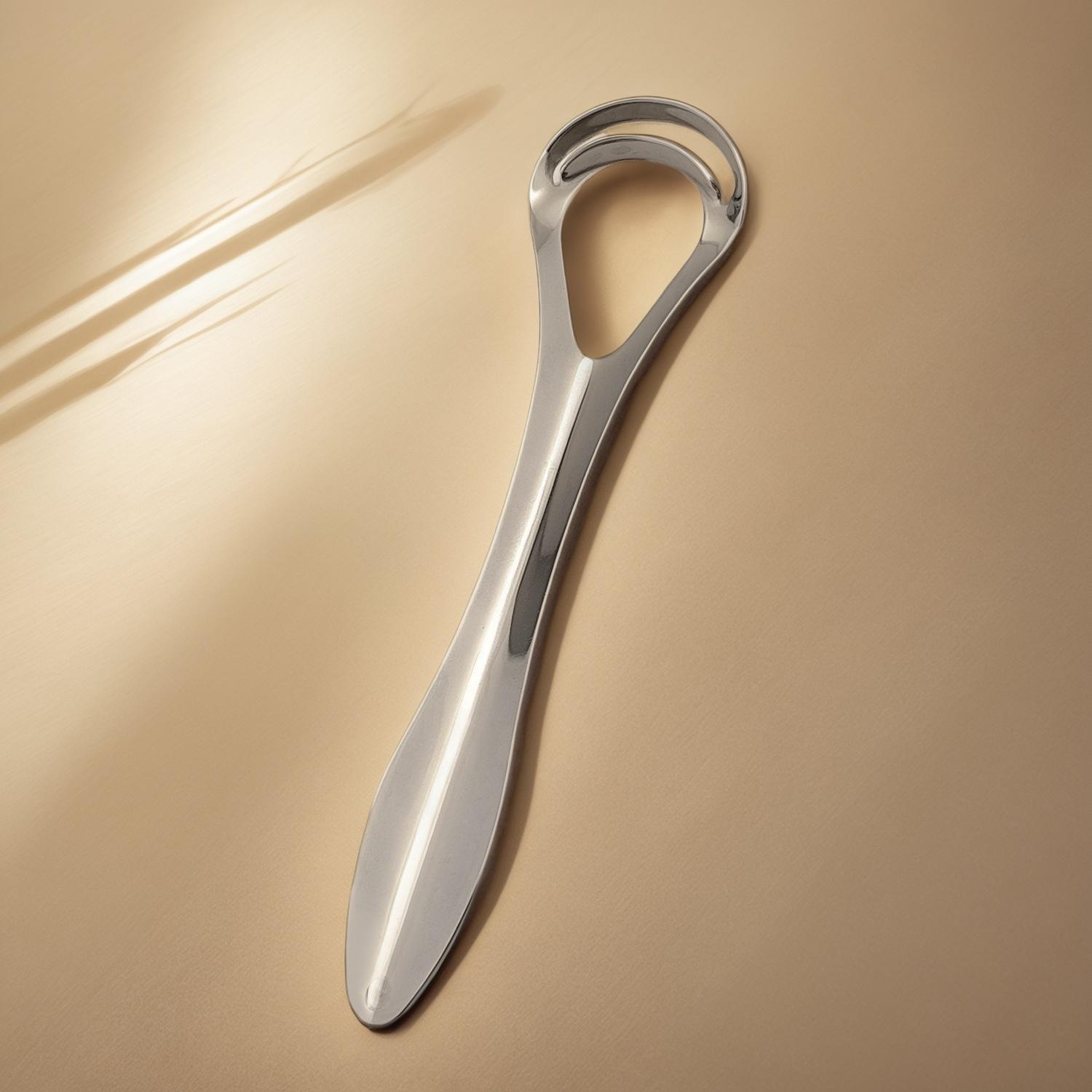
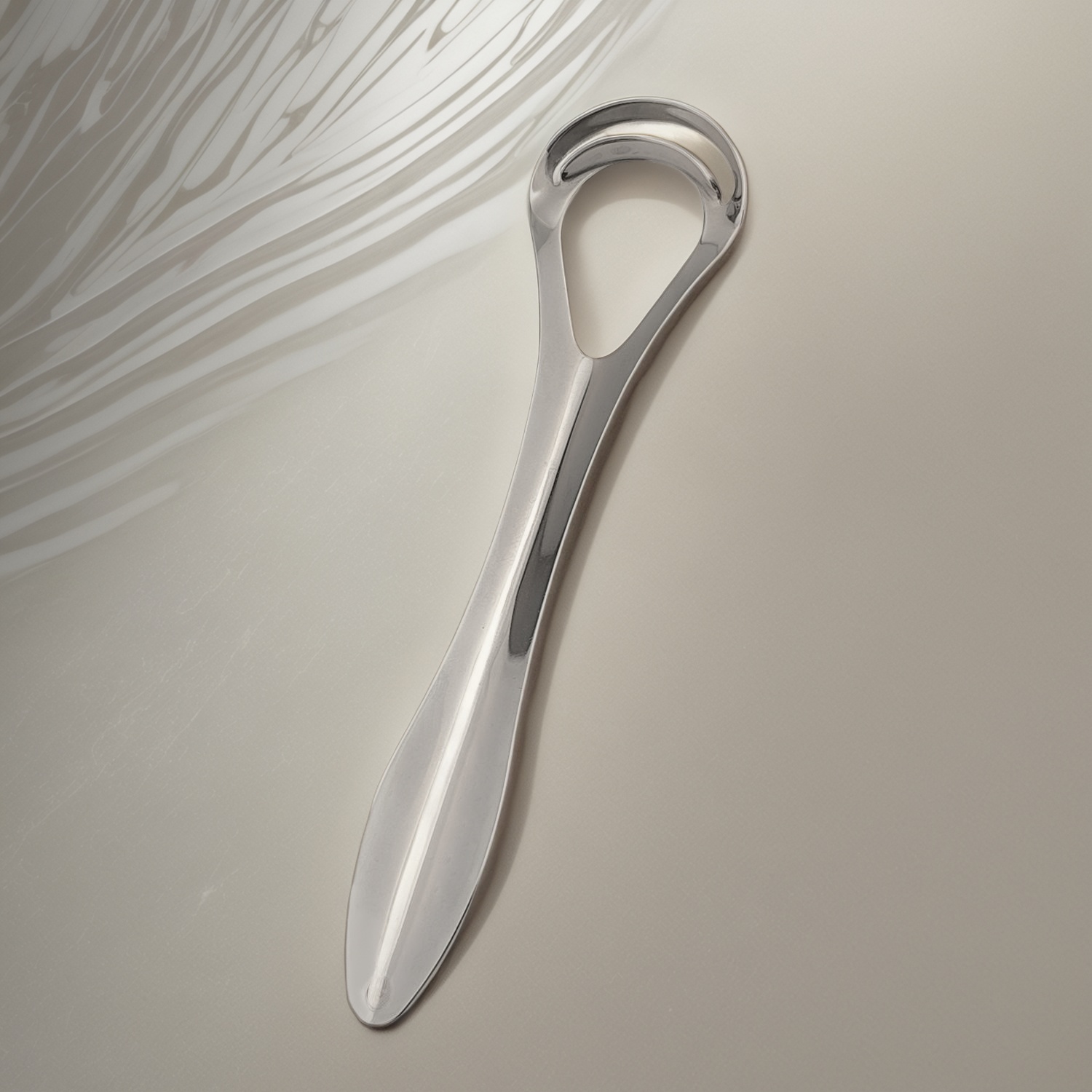
The original product range referenced by Olimor Beauty includes stainless steel beauty and personal care tools, including an item described as a Stainless Steel Bottle Opener. For mixed personal care, lifestyle or gift assortments, this type of functional stainless steel accessory may be evaluated with the same practical criteria: finish, comfort, branding space, packaging and inspection control.
Questions That Reveal Manufacturing Discipline
Instead of relying only on broad claims, buyers can learn a great deal by asking process-based questions. The goal is not to make sourcing complicated; it is to confirm that the supplier understands how to control product quality from start to finish.
- How are raw materials checked before production? This helps identify whether there is a starting-point inspection process.
- Which product features are inspected during production? For beauty tools, this may include shape, finish, movement, alignment or surface condition.
- What is reviewed before final packaging? Final inspection should catch visible defects and packing errors before goods are sealed.
- How are samples compared with bulk production? Buyers need confidence that approved samples are not treated as one-off pieces.
- What packaging options fit the product? The best option depends on whether the item is for retail display, e-commerce, kits or professional distribution.
These questions also help separate a basic trading conversation from a serious manufacturing discussion. A capable OEM personal care tools supplier should be comfortable talking through practical control points, even when a project is still at the early idea stage.
How to Match the Tool to Your Sales Channel
A beauty tool that works well in one channel may need adjustments for another. Retail shelves require clear presentation and packaging that communicates value quickly. E-commerce orders need protection during parcel delivery and product photos that accurately show scale and finish. Professional channels often care about durability, repeatable performance and easy cleaning routines. Gift sets may emphasize a consistent finish and a tidy unboxing experience.
Before choosing from product collections or requesting OEM development, map the tool to its selling environment. If the product will be sold individually, packaging should explain its purpose without relying on a salesperson. If it will be included in a set, the size and finish should coordinate with the other items. If the tool is positioned for salon or professional use, the handling experience may matter more than decorative packaging.
Maintenance and User Guidance for Better Customer Satisfaction
Even a well-made beauty tool benefits from clear care instructions. Stainless steel personal care tools should generally be kept clean and dry after use, stored in a way that avoids unnecessary rubbing, and handled according to their intended purpose. For retail brands, simple care guidance can reduce misuse and help customers understand the value of the product.
Useful packaging or insert copy may include cleaning reminders, storage suggestions and warnings against using the tool for unintended tasks. Keep these instructions practical and specific to the item. Overly broad claims can create confusion, while clear usage guidance supports a better customer experience.
Building a Practical Sourcing Relationship with Olimor Beauty
The best manufacturing relationship is built on clear requirements, realistic evaluation and consistent communication. Olimor Beauty is positioned as a beauty tools and personal care tools manufacturer with attention to stainless steel products, ergonomic use and inspections from raw materials through final packaging. For buyers, those points are most valuable when matched with a detailed brief and careful sample review.
If you are sourcing a new stainless steel beauty tool, comparing OEM personal care tools suppliers in Asia or planning a broader product line, begin with the product purpose and the user experience. Then review materials, finish, comfort, packaging and inspection steps before moving forward. To discuss a project direction or confirm what information is needed for review, contact Olimor with your product concept, target market and packaging expectations.
Tag: