

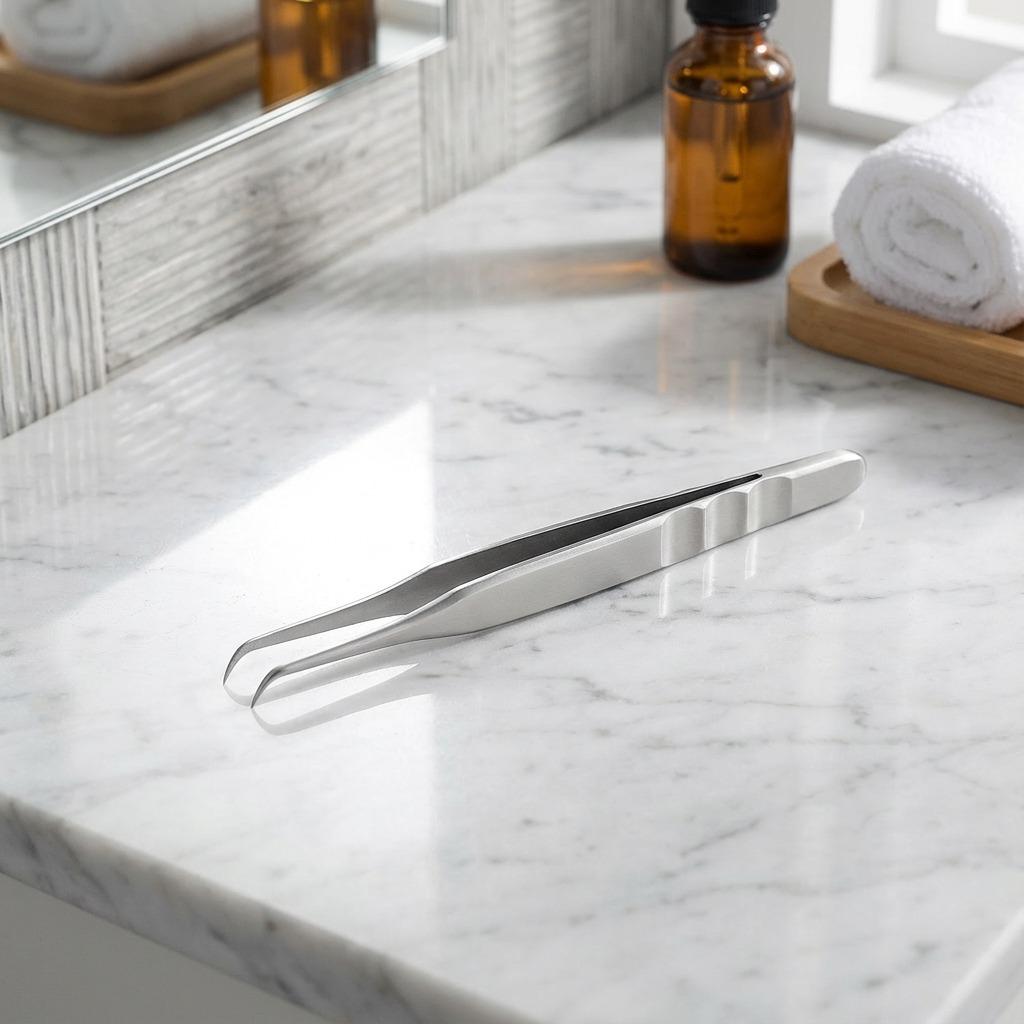
Top 10 Tweezers Manufacturers: What to Look for Before Choosing a Supplier
For beauty brands, salons, distributors, and private-label buyers, searching for the top 10 tweezers manufacturers is usually not about finding a simple ranking. It is about identifying a manufacturing partner that can deliver consistent grip, accurate tip alignment, comfortable handling, attractive finishing, and dependable quality control across repeat orders. A tweezer may look like a small beauty tool, but small differences in tip grinding, tension, surface finishing, and inspection standards can strongly affect the user experience.
Whether you are sourcing eyebrow tweezers, lash application tweezers, curved precision tweezers, or personalized tweezers for a retail line, the best choice is rarely based on appearance alone. A useful comparison should examine material selection, manufacturing process, OEM flexibility, packaging capability, and how clearly the supplier communicates tolerances and inspection steps. Olimor Beauty works with beauty tool buyers who need practical product development support, and this guide explains how to compare manufacturers with a buyer-focused approach.
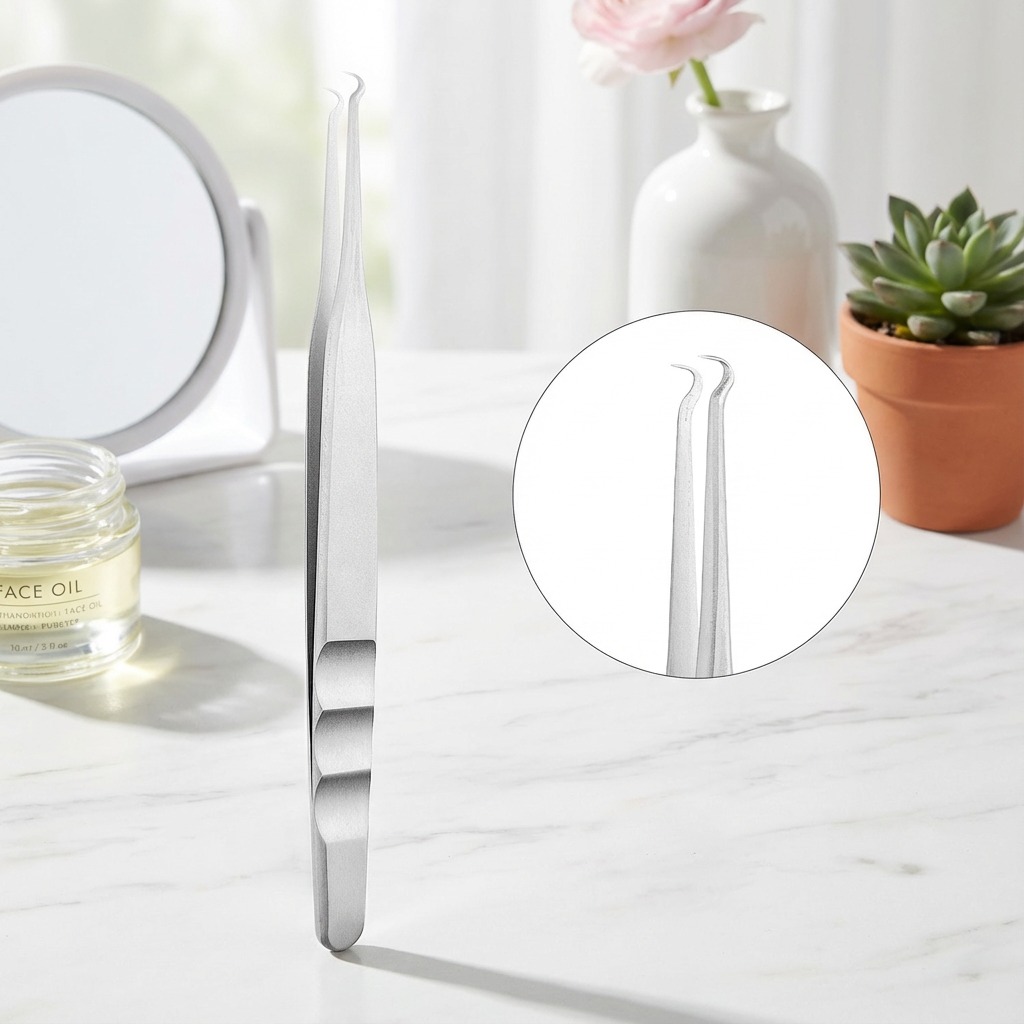
Why Tweezers Manufacturing Requires More Precision Than It Seems
Tweezers are often judged in seconds. A customer picks them up, presses the arms together, checks whether the tips meet evenly, and decides whether the tool feels reliable. Behind that quick judgment are multiple production variables: steel hardness, arm spring, tip symmetry, grinding accuracy, polishing quality, and surface treatment. If any step is inconsistent, the tweezer may fail to grip fine hairs, pinch skin, feel too stiff, or lose alignment after repeated use.
For eyebrow grooming, a slanted tweezer needs clean contact along the edge so it can remove short hairs without cutting them. For lash work, curved or pointed tweezers must allow controlled placement without excessive hand pressure. For retail beauty kits, the product also has to look clean and well finished when displayed in packaging. This is why experienced buyers compare manufacturers by performance and process, not only by catalog photos.
What Separates Leading Tweezers Manufacturers From Basic Suppliers
Many suppliers can provide tweezers, but the stronger manufacturers tend to be more disciplined in the details. They understand that beauty tools are both functional and visual products. A buyer evaluating OEM custom tweezers should look for evidence that the supplier can manage consistency from raw material handling to final packaging.
- Tip alignment: The two tips should meet evenly without visible gaps, twisting, or offset edges.
- Grip performance: The tweezer should catch fine hairs or lashes without requiring excessive pressure.
- Comfortable tension: The arms should return smoothly and should not fatigue the hand during repeated use.
- Surface finish: Edges should feel smooth, with no burrs, rough polishing marks, or uncomfortable corners.
- Corrosion resistance: Stainless steel tools should be suitable for normal beauty tool use and cleaning routines.
- Repeatability: A sample that performs well should be supported by production controls that maintain the same standard.
These criteria apply whether you are buying a standard product or developing personalized tweezers with custom color, logo, packaging, or tip style. When reviewing beauty tool products, buyers should test real samples under the same use conditions their customers will face.
Key Tweezers Types and Their Best Use Cases
Before comparing manufacturers, define the type of tweezer your audience needs. A brow studio, lash technician, makeup kit brand, and mass-market retailer may all require different tool characteristics. Selecting the wrong tip shape can lead to returns even when the general build quality is acceptable.
| Tweezer type | Common use | Selection focus |
|---|---|---|
| Slanted tweezers | Eyebrow shaping and general grooming | Even slant edge, balanced tension, smooth grip |
| Pointed tweezers | Fine hair removal and detail work | Accurate tips, safe finishing, controlled pressure |
| Curved tweezers | Lash application and angled access | Tip curvature, visibility, hand comfort |
| Flat or straight tweezers | General handling or kit use | Stable contact area and simple handling |
If your product line serves professional lash users, performance at the tip matters more than decorative finishing. If your target is gift sets or retail displays, finishing and packaging become more important, but the tool still needs to pass practical grip testing. A manufacturer that understands the intended use can recommend a more suitable shape, surface, and packaging structure.
How to Evaluate OEM Custom Tweezers Capabilities
OEM custom tweezers can support brand differentiation, but customization should not weaken function. Logos, colors, coatings, handle textures, and packaging all need to be considered together with the tool’s gripping performance. A beautiful finish is not enough if the tweezer does not close properly.
A practical OEM evaluation should cover the following points:
- Define the user: Decide whether the tweezer is for brow grooming, lash work, travel kits, professional salons, or retail beauty sets.
- Confirm the shape: Choose slanted, pointed, curved, straight, or another style based on the main task.
- Review decoration options: Consider logo placement, handle finish, color treatment, and whether decoration may affect grip or cleaning.
- Test samples: Check tip contact, pressure, edge smoothness, and real use performance before approving production.
- Check packaging fit: Make sure the tool is protected during shipping and presented in a way that matches the sales channel.
- Clarify inspection points: Define what will be checked before shipment, especially alignment, appearance, and finishing.
Buyers developing a new line can browse Olimor product collections to think through category positioning before finalizing a tweezer specification. A focused brief helps the manufacturer avoid vague assumptions and produce samples closer to your intended result.
Material, Finish, and Ergonomics: Details That Affect Customer Reviews
Stainless steel is commonly used for beauty tweezers because it supports durability, cleaning, and a refined appearance. However, the final product depends not only on the material name but also on forming, grinding, finishing, and inspection. A well-made tweezer should feel stable in the hand and should not have sharp, unfinished edges along the arms.
Ergonomics are especially important for professionals who use tweezers repeatedly throughout the day. If the tweezer is too stiff, hand fatigue increases. If it is too loose, it may feel imprecise. Handle width, arm thickness, and surface texture all influence control. For lash and brow work, the user should be able to see the working area clearly while applying enough pressure to grip accurately.
Finishing also affects brand perception. Matte, polished, colored, or coated surfaces each create a different look and feel. The right finish should match your sales channel and care instructions. For example, a professional tool may prioritize secure handling and easy cleaning, while a retail gift set may place more emphasis on visual presentation. In both cases, the finish should be consistent across pieces and should not hide defects at the working tips.
Quality Control Questions for Comparing the Top 10
When people search for the top 10 tweezers manufacturers, they often expect a shortlist. A more reliable approach is to compare each candidate against quality control questions that reveal how production is managed. The goal is not to collect impressive claims, but to understand whether the supplier can reproduce the approved sample.
- How are tweezer tips aligned and checked during production?
- What visual defects are considered unacceptable on the arms, edges, and tips?
- How is tension consistency assessed across a batch?
- Are samples tested for the intended use, such as brow hair gripping or lash handling?
- How are personalized tweezers protected from scratches during packing and transport?
- What information is needed to prepare a clear OEM quotation and production sample?
These questions help buyers avoid focusing only on unit appearance. They also make communication more efficient, because both sides can discuss measurable expectations. If you are preparing a new sourcing project, you can send an inquiry with product type, target market, preferred finish, logo needs, packaging direction, and sample expectations.
Packaging and Sourcing Decisions for Beauty Brands
Packaging is not separate from the tweezer itself. A precise tool can be damaged or scratched if it is packed poorly. Retail packaging should protect the tips, present the product clearly, and support the customer’s buying decision. Professional buyers may prefer simpler packaging if the tool is purchased for salon use, while consumer brands may need packaging that explains the tip shape and intended use.
When comparing manufacturers, consider whether the supplier can support the packaging format you need without overcomplicating the project. A clear artwork file, logo placement guide, barcode area, and product description all reduce avoidable delays. For personalized tweezers, packaging should also be checked against the finish, because darker or polished surfaces may show scratches more easily during handling.
Sourcing decisions should balance product quality, communication, customization capability, and repeat order consistency. A low-cost sample is not useful if bulk production does not match it. A visually attractive product is not successful if users complain that it cannot grip fine hairs. A good manufacturer should help turn your idea into a practical tool that fits the target audience and sales channel.
Working With Olimor Beauty on Tweezers Projects
Olimor Beauty supports buyers looking for precision beauty tools, including OEM custom tweezers and related grooming tools. The most productive projects begin with a clear brief: intended use, preferred tweezer type, finish direction, branding needs, packaging expectations, and the market where the product will be sold. From there, samples can be evaluated for comfort, alignment, grip, appearance, and packaging suitability.
For brands comparing tweezers manufacturers, the strongest decision comes from structured testing rather than broad claims. Check how the tool performs in real use, inspect the finish closely, and confirm that customization choices support the function of the tweezer. If your team is developing a retail line, salon tool set, or private-label beauty accessory, you can contact Olimor to discuss the product direction and sourcing details.
The right manufacturing partner should make precision easier to control, not harder to verify. By focusing on tip performance, stainless steel workmanship, ergonomic feel, OEM execution, and protective packaging, buyers can move beyond a generic top 10 list and select a tweezers supplier that fits their brand, users, and long-term quality expectations.
Tag: