

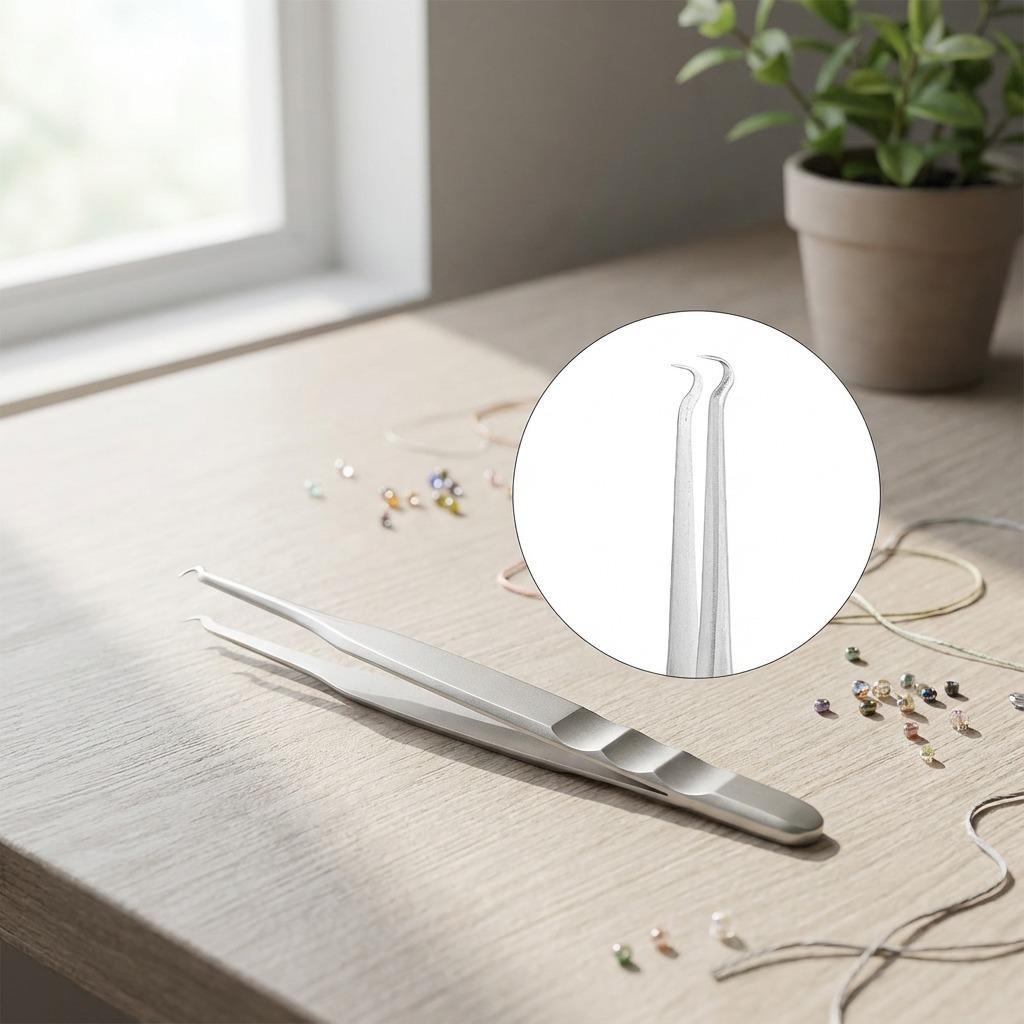
How to Evaluate Top Tweezers Manufacturers for Precision Beauty Tools
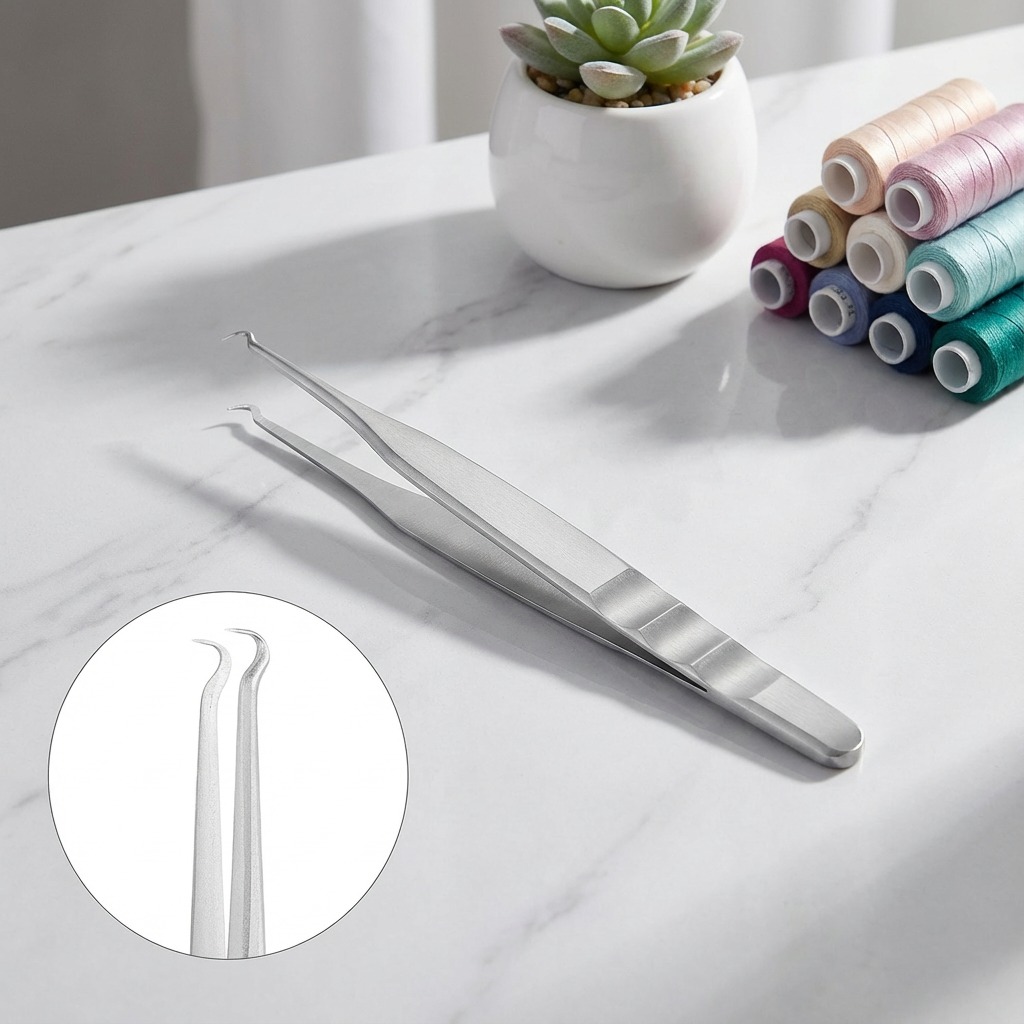
Choosing a tweezers manufacturer is not only about finding a supplier with a broad catalog. For beauty brands, salons, lash professionals, brow artists, grooming kit buyers, distributors, and private-label teams, the real question is whether the manufacturer can deliver tweezers that feel precise in the hand, grip fine hair cleanly, resist everyday wear, and fit the positioning of your product line. A well-made tweezer is a small tool, but it has to perform consistently at the tip, handle, finish, and packaging level.
Olimor Beauty focuses on stainless steel beauty instruments for professional and consumer grooming needs, including precision tweezers and OEM custom tweezers. This guide explains how to compare manufacturers in a practical way, what details matter during sourcing, and how personalized tweezers can be developed without sacrificing tool performance.
What separates a reliable tweezers manufacturer from a basic supplier?
A basic supplier may offer tweezers that look acceptable in product photos. A reliable manufacturer must control the details that affect daily use. For brow shaping, lash extension placement, splinter removal, or precise grooming, the tips need to meet evenly, close smoothly, and hold fine material without slipping. If the closing tension is too stiff, the hand tires quickly. If it is too loose, the tool feels unstable and imprecise.
When comparing top tweezers manufacturers, look beyond vague claims such as premium quality or professional grade. Useful evaluation focuses on inspectable elements: raw material selection, tip alignment, finishing consistency, edge smoothness, ergonomic balance, surface cleanliness, and packaging protection. These factors help determine whether the final product will satisfy repeat buyers rather than simply pass a first visual check.
Olimor Beauty’s precision tweezers, including curved and slant styles, are examples of beauty tools designed for controlled work. Stainless steel construction, clean finishes, curved or slanted tips, and contoured handling are the kinds of features buyers should examine when comparing suppliers for brow grooming, eyelash use, or detailed grooming tasks.
Match the tweezer shape to the job
Before comparing manufacturers, define what the tweezer needs to do. Different tip geometries serve different tasks, and a manufacturer should understand how small design changes affect function. A curved tip can improve visibility and access for lash work. A slant tip is often preferred for eyebrow shaping because it combines a practical contact edge with control. Straight, pointed, and fine-tipped styles can support other grooming needs, from general pickup to more delicate precision work.
The right shape also depends on the end user. A salon professional may use the same tool many times per day and will notice small problems quickly. An at-home user may value easy control and comfortable maintenance. Retail brands must also consider how the tool will look in packaging, how clearly the use case is communicated, and whether the tweezer feels trustworthy when a customer first handles it.
Tip geometry and use case
- Curved tips: useful when visibility and controlled placement matter, especially in lash-related work.
- Slant tips: commonly chosen for brow shaping and general grooming because they balance contact area and precision.
- Straight tips: helpful for direct control and certain pickup tasks.
- Pointed or fine tips: suited to delicate, precise work where accuracy matters more than broad contact.
Two tweezers may look similar online but feel very different in use. That is why manufacturers should be evaluated on the function of the tip, not only on the appearance of the handle or finish.
What to inspect in a sample
Samples are the most important part of manufacturer comparison. A sample should be evaluated in real use, not only checked on a desk. For beauty applications, test how the tool grips fine hairs, short hairs, and slightly thicker hairs. Notice whether the tweezer catches hair at the first attempt or requires repeated squeezing. Also check whether the tips feel too sharp against the skin, because precision should not come at the expense of comfort.
A structured sample review helps teams compare suppliers objectively. Use the same criteria for every sample instead of relying on a general impression. Several pieces should be checked, because one polished sample is not enough to prove that production will stay consistent.
| Evaluation area | What to check | Why it matters | Buyer note |
|---|---|---|---|
| Tip alignment | Tips close evenly without visible gaps or crossing | Supports clean gripping and reduces missed hairs | Test several samples, not only one |
| Tip contact and grip | Tool holds fine hair or lash material securely | Affects precision and user confidence | Test under normal hand pressure |
| Spring tension | Opening and closing feel controlled, not too stiff or too loose | Helps reduce fatigue during repeated use | Watch for hand comfort in longer sessions |
| Material and finish | Stainless steel body, smooth surface, no rough edges or visible defects | Supports durability, hygiene, and a professional look | Inspect under normal lighting |
| Ergonomics | Handle balance and grip feel steady in the fingers | Improves control during detailed work | Consider salon and at-home use separately |
| Packaging fit | Tweezer sits securely and the tips are protected | Reduces damage in storage and shipping | Check retail, kit, and travel packaging needs |
Stainless steel is widely used in beauty tweezers because it supports durability and resistance to rust when properly maintained. Buyers should still review finish quality, handling comfort, and cleaning expectations instead of assuming that all stainless steel tools perform the same way.
OEM custom tweezers and personalized tweezers
OEM custom tweezers are valuable for brands that want a cohesive grooming kit, a salon retail product, or a promotional beauty accessory with real utility. Personalization may include logo application, engraving, surface finish choices, packaging formats, color direction, or adjustments to curvature and handle feel. However, customization should never be treated as decoration only. A personalized tweezer still needs to function as a precision instrument.
Before approving a custom tweezers project, clarify the product role. Is it designed for professional lash technicians, brow artists, general grooming customers, or travel beauty kits? Each use case influences the best tip style, finish, and packaging. A salon-focused product may prioritize comfort during extended use, while a retail kit may require clear packaging communication and strong visual consistency with other beauty tools.
A practical OEM development path
- Define the target user and core task, such as brow shaping, lash handling, or everyday grooming.
- Select the tweezer type and tip geometry based on performance needs rather than appearance alone.
- Review stainless steel finish options, grip comfort, and cleaning expectations.
- Confirm branding requirements, including logo position, engraving style, or packaging layout.
- Test samples for tip alignment, closing tension, surface smoothness, and repeated handling comfort.
- Set inspection expectations for production consistency and packaging protection.
Olimor Beauty supports OEM custom tweezers and personalized tweezers for buyers who need branding flexibility while keeping precision-engineered tips and ergonomic handling in focus. If you are planning a broader line, you can browse the current tweezer range and see how different shapes support different tasks.
How packaging and presentation affect buyer decisions
Packaging is not just a visual detail. It protects the tips, helps preserve alignment, and supports retail presentation. A tweezer with excellent tip performance can still disappoint if the packaging allows the tips to bend or if the product arrives with cosmetic damage. For retail brands, packaging also needs to communicate the intended use clearly so customers understand whether the tool is meant for brows, lashes, general grooming, or a mixed kit.
Packaging should match the channel. Professional buyers may want efficient, durable packaging for kit storage and transport. Retail buyers may want presentation that fits a display shelf or gifting format. In both cases, the tool should remain protected from pressure on the tip area.
If your assortment includes multiple grooming items, it can help to review coordinated beauty tool sets so finish, feel, and presentation stay consistent across the range. This is especially useful when building a branded line rather than a single standalone tool.
Questions that reveal whether a manufacturer is worth trusting
Good sourcing conversations are specific. Instead of asking only whether a manufacturer can make custom tweezers, prepare questions that connect to quality, use, and brand expectations. This helps the supplier respond with relevant options and helps your team compare sources fairly.
- Which tweezer shapes are suitable for my target use?
- How is tip alignment checked during production and final inspection?
- What customization choices may affect performance or comfort?
- How are tweezers protected during packing and shipping?
- Can samples reflect the intended finish and packaging?
- What information is needed to quote accurately for my project?
If your market requires formal documentation, ask whether the factory’s quality process is aligned with a recognized system such as ISO 9001, and request the current applicable documents. Do not assume certification without proof. Verify the version, scope, and supplier paperwork that apply to your order and destination market.
Manufacturers should also be able to explain how they inspect raw materials, review in-process output, and check the final packaging stage. A reliable partner is usually transparent about what it can and cannot customize without affecting function.
How to balance price, quality, and customization
For buyers, the lowest unit cost is rarely the best decision if the tool misses fine hairs, feels uncomfortable, or arrives with inconsistent tips. The better question is which manufacturer can deliver the right balance of performance, appearance, customization, and repeatable quality for the intended channel.
Price is affected by several factors: tip complexity, finish type, branding method, packaging requirements, and how much inspection is needed to maintain consistency. A simple retail tweezer and a fully customized OEM version do not have the same production needs. That is why a clear specification matters before asking for pricing.
When comparing supplier options, look at more than the sample in your hand. Ask whether the same result can be reproduced across a larger order, whether the finish is stable, and whether the packaging protects the product through storage and shipment. Consistency matters as much as the first impression.
Where Olimor fits in a sourcing shortlist
Olimor Beauty works in the precision beauty tools space with stainless steel instruments, including precision tweezers and OEM custom tweezers. For buyers who need practical sourcing support, the key is not just picking a product but building a tool that suits the user, the channel, and the brand story. Whether you are sourcing a curved tip tool for lash use, a slant tweezer for brow work, or a personalized retail item, the evaluation criteria stay the same: tip alignment, tension, finish, ergonomics, inspection, and packaging.
If you are comparing options or planning a custom tool line, talk with the Olimor team about your use case, and send a custom sourcing request when you are ready to discuss specifications. A focused brief makes the sample stage more useful and helps both sides judge whether the tool fits the project.
The most reliable manufacturer is not the one that promises everything. It is the one that can explain how the tweezer will work in real hands, how it will be inspected, and how it will stay consistent from sample to shipment.
FAQ
Can I request samples before placing a larger order?
Yes. Samples are important for checking tip alignment, tension, finish, and real-use comfort. If possible, ask for samples that reflect the intended finish and packaging too.
What should I ask about MOQ?
MOQ depends on the customization scope, packaging, and production setup. Ask the supplier to explain how MOQ changes with logo work, special finishes, or packaging upgrades.
Which customization options are safest for performance?
Logo placement, engraving, finish selection, packaging design, and some shape adjustments can be practical if they are tested first. Any change should preserve tip precision and comfortable handling.
How do I check quality control capability?
Ask how the manufacturer checks raw materials, inspects tip alignment during production, reviews finished goods, and protects the packaging. A good supplier should be able to describe each step clearly.
How should I discuss lead time?
Lead time depends on order size, customization, sample approval, and packaging requirements. Confirm the timing after your specification is clear so the answer reflects the real project scope.
Tag: