

Tongue Scraper: A Practical Tool for Taste, Breath and Daily Hygiene

A tongue scraper is a simple oral care tool designed to remove the coating that can collect on the tongue’s surface. That coating may include food residue, dead cells and odor-causing bacteria. Brushing the teeth is essential, but a toothbrush is not always the most effective shape for cleaning the broad, textured surface of the tongue. A dedicated scraper gives more controlled contact and can be easier to rinse clean between passes.
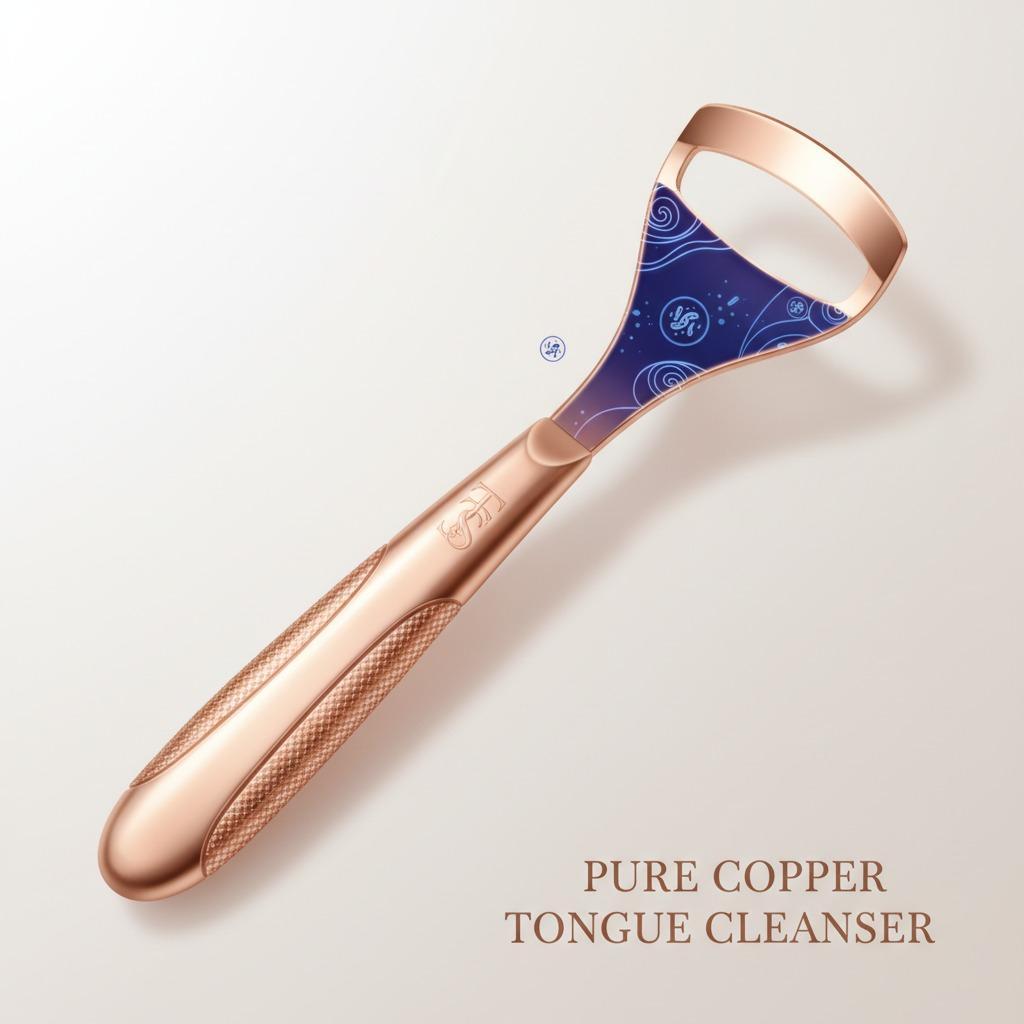
For people searching for fresher breath, a cleaner mouthfeel or better taste perception, tongue scraping is a practical habit that takes less than a minute. Olimor Beauty offers a copper tongue scraper made from 100% pure copper, with an ergonomic grip intended for effortless daily use. Copper is also valued for its natural anti-bacterial properties and its fit with reusable, lower-waste personal care routines.
This guide explains when a tongue scraper is useful, how to choose one, how to use it safely and how to maintain it so it stays clean and comfortable over time. If you are sourcing oral care accessories for retail, spas, wellness stores or professional gift sets, you can also browse related beauty tool products or contact Olimor for product questions.
Why Tongue Cleaning Matters Beyond Brushing
The tongue has a textured surface with tiny grooves and papillae. These areas can hold residue after meals, especially after coffee, dairy, sugary foods or strongly seasoned dishes. When this film remains, it can contribute to a coated appearance and an unpleasant taste in the mouth. Many people notice it most in the morning, after fasting, or when hydration has been low.
A tongue scraper works by gently drawing this coating forward and away from the tongue. The goal is not to scrub aggressively or remove healthy tissue. Instead, the tool should glide over the surface and lift loose buildup. Used consistently, it can support a mouth that feels cleaner after brushing and flossing.
Tongue hygiene can also affect how food tastes. A heavy coating on the tongue may dull taste buds and make flavors seem less clear. While a scraper is not a medical treatment, many users find that regular tongue cleaning helps food and drinks feel fresher and more distinct. This makes it relevant not only for oral hygiene, but also for people who care about cooking, tasting, hospitality or personal wellness routines.
What Makes a Copper Tongue Scraper Different?
Tongue scrapers are available in several materials, including plastic, stainless steel and copper. A copper tongue scraper is often chosen by buyers who want a reusable tool with a traditional feel and a more durable profile than disposable plastic options. The Olimor Beauty tongue scraper is described as crafted from 100% pure copper and designed with an ergonomic grip, which helps users control pressure and angle during use.
Copper’s natural anti-bacterial properties are one reason it is commonly associated with hygiene tools. For a tongue scraper, material choice also influences weight, flexibility, cleaning method and perceived quality. A tool that feels balanced in the hands is more likely to become part of a routine, because it is quick to use and easy to rinse.
For buyers comparing oral care tools, consider these points:
- Material: Choose a reusable material that can be rinsed thoroughly and maintained easily.
- Edge comfort: The scraping edge should be smooth, not sharp or rough.
- Grip design: Handles should allow steady control, especially when the tool is wet.
- Shape and width: A wider curve can cover more of the tongue in fewer passes, while a narrower shape may feel easier for beginners.
- Cleaning needs: The tool should not have unnecessary grooves that trap residue.
- Packaging suitability: For retail or gifting, packaging should protect the scraper and communicate usage clearly.
How to Use a Tongue Scraper Correctly
A tongue scraper should feel gentle. If it causes pain, bleeding or strong discomfort, too much pressure is being used or the tool may not be suitable for the user. The best routine is short, consistent and easy to repeat every day.
- Use it before or after brushing. Many people prefer scraping before brushing so loosened residue can be rinsed away during the rest of the routine.
- Rinse the scraper first. Wetting the tool helps it glide more comfortably.
- Place it toward the back of the tongue. Go only as far back as feels comfortable. Avoid forcing the tool if it triggers gagging.
- Pull forward gently. Use light pressure and draw the scraper toward the tip of the tongue in one smooth pass.
- Rinse between passes. Wash away residue from the scraper before repeating.
- Repeat two to five times. Stop when the tongue feels clean. More pressure is not better.
- Rinse mouth and tool. Finish by rinsing with water and drying or storing the scraper in a clean place.
Beginners should start with one or two light passes. Over time, the movement becomes familiar and takes only a few seconds. The tool is best used as part of a complete oral care routine that also includes tooth brushing, flossing and regular dental care.
Who Can Benefit Most from a Tongue Scraper?
A tongue scraper is useful for a wide range of daily routines. It is especially relevant for people who notice morning breath, a coated tongue or a lingering aftertaste after meals. It may also appeal to people who use beauty and wellness tools as part of a structured self-care routine, because it is compact, reusable and easy to integrate.
Retailers and sourcing teams may find tongue scrapers suitable for oral care sets, travel hygiene kits, wellness assortments and personal care displays. Because the tool is simple and easy to explain, it can work well as an entry-level product for customers who are building a more complete hygiene routine. It also pairs naturally with other care accessories in product collections, especially when customers are looking for practical tools rather than decorative items.
However, tongue scraping is not a substitute for professional dental care. People with mouth sores, recent oral surgery, severe irritation, unexplained tongue changes or ongoing bad breath should seek appropriate dental or medical advice. The tool is intended for gentle surface cleaning, not for treating disease or scraping away lesions.
Maintenance and Storage for a Copper Tongue Scraper
Good maintenance keeps a tongue scraper hygienic and pleasant to use. Since the tool contacts the mouth directly, cleaning after each use is important. Rinse it thoroughly under running water, remove visible residue and allow it to dry before storage. Avoid leaving it in standing water or in a damp, closed container for long periods.
Copper can naturally change appearance over time. A darker surface or patina may develop with exposure to moisture, air and handling. Some users appreciate this as part of the material’s character, while others prefer to keep the surface brighter. If appearance matters for retail display, gifting or personal preference, choose packaging and storage methods that reduce unnecessary moisture exposure.
For everyday care, follow these practical habits:
- Rinse immediately after each use instead of allowing residue to dry on the surface.
- Dry with a clean towel or let it air-dry in a ventilated area.
- Store separately from damp toothbrush heads when possible.
- Inspect the edge regularly and discontinue use if it becomes damaged, bent sharply or uncomfortable.
- Do not share a tongue scraper between users.
Buying Checklist for Retailers, Distributors and Wellness Brands
When selecting a tongue scraper for a product line, buyers should look beyond the basic product name. Small differences in material, finishing and packaging can affect user comfort, repeat purchase potential and customer satisfaction. The Olimor Beauty copper tongue scraper’s key stated features include 100% pure copper construction, natural anti-bacterial properties, sustainability and an ergonomic grip. Those are useful starting points when evaluating fit for your market.
| Selection area | What to review | Why it matters |
|---|---|---|
| Material | Confirm the scraper material and surface finish. | Material affects durability, cleaning and perceived value. |
| User comfort | Check edge smoothness, handle control and flexibility. | A comfortable scraper is more likely to be used consistently. |
| Packaging | Review protection, instructions and retail presentation. | Clear packaging reduces misuse and supports gifting or shelf display. |
| Quality control | Look for consistent shape, clean finishing and inspection steps. | Consistency matters for repeat orders and customer trust. |
| Use education | Provide simple guidance on gentle pressure and rinsing. | Proper use improves the customer experience and reduces complaints. |
For product development, sourcing or assortment planning, it is helpful to compare the tongue scraper with adjacent personal care tools and decide how it will be positioned: daily hygiene essential, wellness accessory, travel item or giftable oral care product. If you are preparing a purchase plan, you can send an inquiry with your requirements and intended sales channel.
A Small Habit That Makes Oral Care Feel More Complete
A tongue scraper earns its place in a routine because it is direct, quick and easy to understand. It addresses an area of the mouth that brushing alone may not clean effectively, and it can help users feel fresher before the day begins or after meals. For many people, the most noticeable benefits are a cleaner tongue surface, less lingering aftertaste and a fresher mouthfeel.
The Olimor Beauty copper tongue scraper is a focused tool for this purpose: reusable, made from 100% pure copper and designed with an ergonomic grip for controlled daily use. Whether you are choosing one for personal care or evaluating oral hygiene accessories for your product range, prioritize comfort, clean finishing, easy maintenance and clear usage instructions. Those practical details are what turn a simple tool into a habit customers can keep.
Tag: