

How to Choose a Tweezers Supplier for Precision Beauty Tools
For beauty brands, salon distributors, lash technicians, brow professionals, and private label buyers, tweezers are small tools with a large impact on customer satisfaction. A tweezer that looks acceptable in a catalog can still fail in daily use if the tips do not align, the tension is uncomfortable, or the finish is difficult to clean. Choosing the right tweezers supplier is therefore not only a purchasing decision; it is a product quality decision that affects your brand reputation.
Olimor Beauty works with buyers who need precision beauty tools for professional kits, retail assortments, and customized product lines. The key is to evaluate more than appearance. Tip geometry, stainless steel construction, hand feel, inspection standards, and packaging readiness all matter. This guide explains what to check when sourcing tweezers and how OEM customization can help you build a practical, attractive product for your market.
Start With the Use Case: Brow, Lash, Facial Hair, or Detail Work
Before comparing suppliers, define the exact job the tweezers need to perform. A brow artist, lash extension technician, retail customer, and craft user may all ask for “precision tweezers,” but their performance expectations can differ. Brow tweezers often need a clean grip on short or fine hairs. Lash application requires controlled handling of delicate fibers. General beauty kits may prioritize comfort, durability, and a finish that is easy to keep clean.
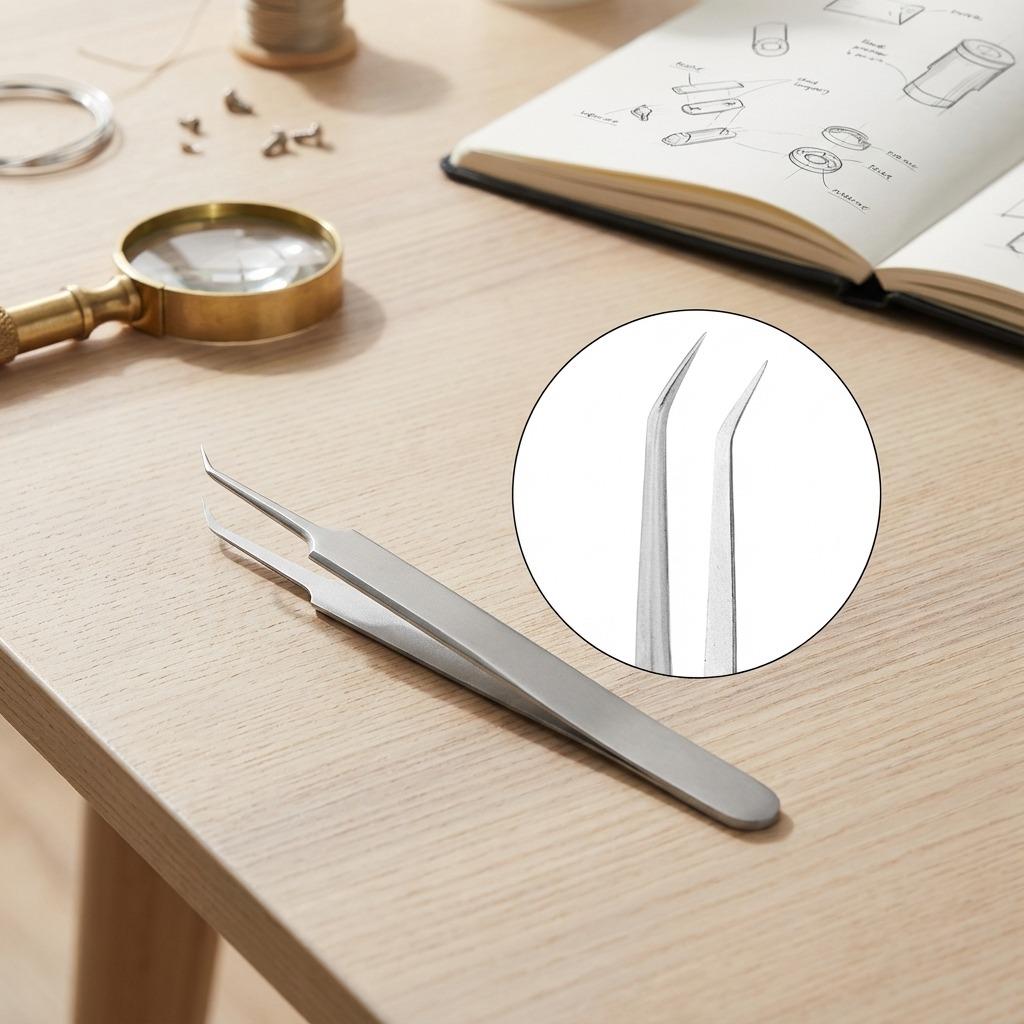
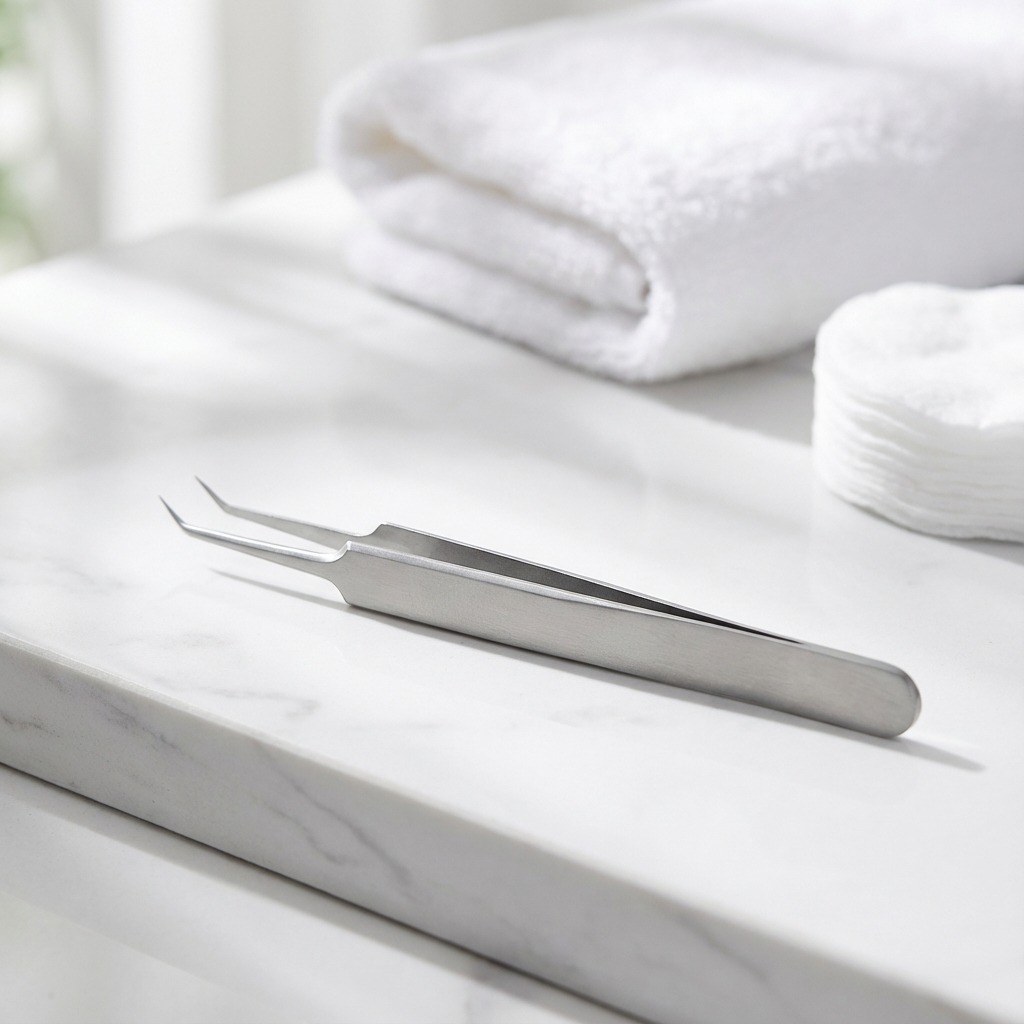
The original product focus for this page includes high-precision stainless steel curved tweezers with gently curved tips, a lightweight polished finish, and suitability for travel. Curved tips can be especially useful when the user needs controlled access around small areas or wants better visibility while placing or removing fine items. For OEM buyers, this type of tweezer can serve as a reference point for discussing tip curvature, grip feel, and visual presentation.
Key Selection Criteria for a Tweezers Supplier
A reliable tweezers supplier should help you evaluate the tool as a working instrument, not just a cosmetic accessory. When reviewing samples, compare the following points carefully:
- Tip alignment: The two tips should meet evenly. Poor alignment makes it difficult to grip fine hairs or lashes and can cause user frustration.
- Tip finish: The ends should feel precise without rough burrs. A clean finish supports controlled performance and safer handling.
- Grip tension: The tweezer should close smoothly without requiring excessive pressure. Too much tension can tire the hand during repeated use.
- Material suitability: Stainless steel is valued for beauty tools because it supports durability and is generally practical for repeated cleaning.
- Surface finish: A polished or well-finished surface can improve appearance and handling, but it should still be practical for the intended market.
- Consistency across units: One good sample is not enough. Buyers should consider whether production pieces can maintain the same feel, alignment, and finish.
- Packaging compatibility: Retail tweezers, salon kit tools, and travel tools may require different sleeves, cards, boxes, or protective tip covers.
These checks are particularly important for buyers ordering through beauty tool products channels where customers will compare tweezers directly with other personal care accessories.
What Tweezers OEM Customization Can Include
Tweezers OEM services allow brands to adjust the tool to match their audience, packaging concept, and performance requirements. Customization should always begin with function. A beautiful tweezer that cannot grip consistently will not build repeat demand, while a practical tweezer with thoughtful visual details can support both professional and retail sales.
Typical customization discussions may include tip shape, curve, grip area, surface appearance, logo placement, and packaging direction. For example, a lash-focused brand may prefer a curved tip that gives technicians a clear view of placement. A brow-focused retail line may prioritize a familiar shape and comfortable spring tension. A travel set may emphasize lightweight construction and a protective case or sleeve.
When you design your own tweezers, prepare clear references before sampling. Share the target user, preferred application, desired visual style, and any packaging limitations. If you already sell related tools, explain how the tweezers should fit with your existing range. This makes it easier to discuss whether a polished, minimalist appearance, an ergonomic grip, or a specific curved tip profile is the right direction.
Questions to Ask Before Approving a Sample
Sampling is the moment to test both the product and the communication process. Do not approve a tweezer based only on photos. Hold the sample, test the tips, check the closing action, and compare several pieces if available. The goal is to decide whether the supplier understands precision beauty tool requirements.
- Does the tweezer grip fine material cleanly? Test with short hairs, lash fibers, or thin paper strips depending on the intended use.
- Do the tips meet evenly from different angles? Look from the front and side to check whether alignment changes under pressure.
- Is the tension comfortable after repeated closing? Open and close the tweezer multiple times to simulate professional use.
- Is the finish consistent? Check for scratches, rough edges, uneven polishing, or cosmetic defects that could affect retail presentation.
- Can the packaging protect the tip? Precision tips are vulnerable if they are not protected during shipping, storage, or daily carrying.
- Are the customization details realistic for production? Logo size, surface finish, and packaging structure should be practical for repeat orders.
For buyers developing a new private label range, it can also be useful to compare tweezers alongside other product collections so the finish, color direction, and packaging language feel consistent across the line.
Quality Control Points That Matter for Precision Tweezers
Quality assurance for tweezers should cover more than a final visual check. Beauty professionals notice small differences quickly because they use the tool repeatedly. A strong supplier will pay attention to raw material handling, forming, finishing, tip adjustment, cleaning, packaging, and final inspection. While exact procedures can vary by order and product type, buyers should look for a quality mindset throughout the process.
For precision tweezers, inspection priorities include tip alignment, closing performance, surface finish, and overall cleanliness. Packaging inspection also matters because bent tips can ruin an otherwise well-made tool. If the product will be sold in retail channels, barcode placement, label accuracy, and outer carton organization may also be part of the buyer’s checklist.
Consistency is especially important for OEM production. A sample may be hand-selected, but a commercial order must satisfy many end users. Before scaling a design, define acceptable visual and functional standards as clearly as possible. Photos, approved samples, packaging mockups, and written notes can help reduce ambiguity.
Maintenance Guidance to Include With Tweezers
A useful tweezer program should also consider after-purchase care. Clear maintenance instructions can reduce complaints and help customers get better performance from the tool. Stainless steel tweezers are practical for beauty use, but precision tips still require careful handling.
- Wipe the tips after use to remove residue from cosmetics, adhesive, skin oils, or fibers.
- Keep the tool dry before storage to support long-term appearance and cleanliness.
- Use a protective sleeve or cap when placing tweezers in a makeup bag, travel pouch, or salon drawer.
- Avoid dropping the tweezers, because even a small impact can affect tip alignment.
- Store precision tweezers separately from heavier metal tools that may scratch or bend the tips.
Including this information on packaging inserts or product pages is a simple way to improve the customer experience. It also shows that your brand treats the tweezer as a precision tool rather than a disposable accessory.
When Olimor Beauty Is a Good Fit
Olimor Beauty is a suitable partner for buyers who want to source beauty tweezers with attention to precision, stainless steel construction, ergonomic handling, and OEM customization. The page’s highlighted curved tweezer concept reflects several desirable characteristics: gently curved tips for controlled handling, a lightweight polished finish, and a form suitable for professional or travel use. These features can be adapted into a broader product idea depending on the market and user group.
If you are building a brow kit, lash tool set, beauty retail line, or custom accessory program, define your application first and then evaluate shape, finish, and packaging around that use. A successful tweezer is not simply sharp-looking; it should feel controlled, grip reliably, and arrive protected.
To discuss a custom tweezer project or compare sourcing options, you can contact Olimor with your target application, preferred style, and packaging direction. If you already have a clear project brief, you may also send an inquiry so the team can review your requirements and help identify a practical next step.
Tag: