

Tweezers Wholesale: Quality, Innovation and Private Label Buying Guide
Tweezers may be small, but they carry a large share of the customer experience in beauty, grooming and manicure services. A tweezer that grips cleanly, aligns correctly and feels comfortable in the hand can support precise brow shaping, nail art preparation, splinter removal, lash handling and daily grooming. A poor tweezer, by contrast, can slip, pull unevenly or feel tiring during repeated use. For salons, distributors, e-commerce sellers and private label brands, this makes tweezers wholesale sourcing a quality decision rather than a simple price comparison.
As demand grows for reliable grooming and manicure tools, buyers need to look beyond appearance. The right wholesale partner should help you evaluate material, tip finish, alignment, handling comfort, inspection discipline and packaging readiness. Olimor Beauty serves buyers looking for professional beauty tools with attention to quality checks, ergonomic design and stainless steel components. This guide explains how to approach wholesale tweezer selection with a practical buyer mindset.
Why Tweezers Wholesale Demand Continues to Grow
Several forces are driving steady demand for tweezers in bulk. Beauty services have become more specialized, and consumers increasingly maintain grooming routines between salon visits. Brow shaping, false lash application, manicure detail work and general personal care all rely on compact tools that must perform consistently. Because tweezers are affordable, easy to ship and frequently repurchased or bundled with other grooming items, they are also attractive for retailers and promotional product lines.
Wholesale demand is not limited to one customer type. Salons need tools that can withstand repeated use. Beauty retailers need products that look clean and trustworthy on the shelf. Online sellers need a reliable item that can be described clearly and photographed well. Private label brands need a product that can carry their identity without creating avoidable quality complaints. Each channel may value different features, but all depend on dependable manufacturing and inspection.
For a broader view of related sourcing categories, buyers can review Olimor beauty tool products and compare how tweezers fit into a wider manicure and grooming assortment.
What Quality Means in a Wholesale Tweezer
In wholesale purchasing, quality should be defined in practical terms. A good tweezer is not only polished and attractive; it must perform the same way across a batch. Small deviations in the tip or body can change how the tool grips, closes and feels. When buyers evaluate samples, they should test more than one piece and consider how the item will perform after repeated handling.
Important quality points include:
- Tip alignment: The tips should meet evenly so the tweezer can grip fine hairs or small items without slipping.
- Closing tension: The tweezer should not feel too loose or too stiff. Consistent resistance supports precision and comfort.
- Edge finish: Tips and sides should be finished cleanly to reduce scratching, snagging or rough handling.
- Material confidence: Olimor Beauty uses high-quality stainless steel components, an important consideration for grooming tools that may be cleaned and handled frequently.
- Ergonomic feel: Shape, length and grip position affect how easily professionals can use the tool during longer service periods.
- Visual consistency: Surface finish, color tone and logo placement, if used, should remain consistent across bulk quantities.
Quality assurance is especially important because tweezers are often judged immediately by the end user. If the tip does not grip properly, the customer notices at once. For wholesale buyers, a clear inspection process reduces the risk of returns, negative reviews and brand damage.
Choosing Tweezer Styles for Different Beauty Uses
Not every tweezer is suitable for every purpose. Before placing a bulk order, buyers should map the product to its intended use. A salon brow tool may require a different tip shape than a manicure accessory or a lash-handling tool. The most successful wholesale assortments usually include a focused selection rather than too many similar items.
Consider these use-based selection questions:
- Who will use the tweezer? Professional nail technicians, brow specialists, home grooming customers and gift set buyers may all have different expectations.
- What task must it perform? Hair removal, nail decoration placement, lash application and general grooming require different levels of precision.
- How often will it be used? Daily professional use increases the importance of comfort, tension and long-term consistency.
- Will it be sold alone or in a set? A single tweezer needs stronger retail presentation, while a kit item must coordinate with other tools.
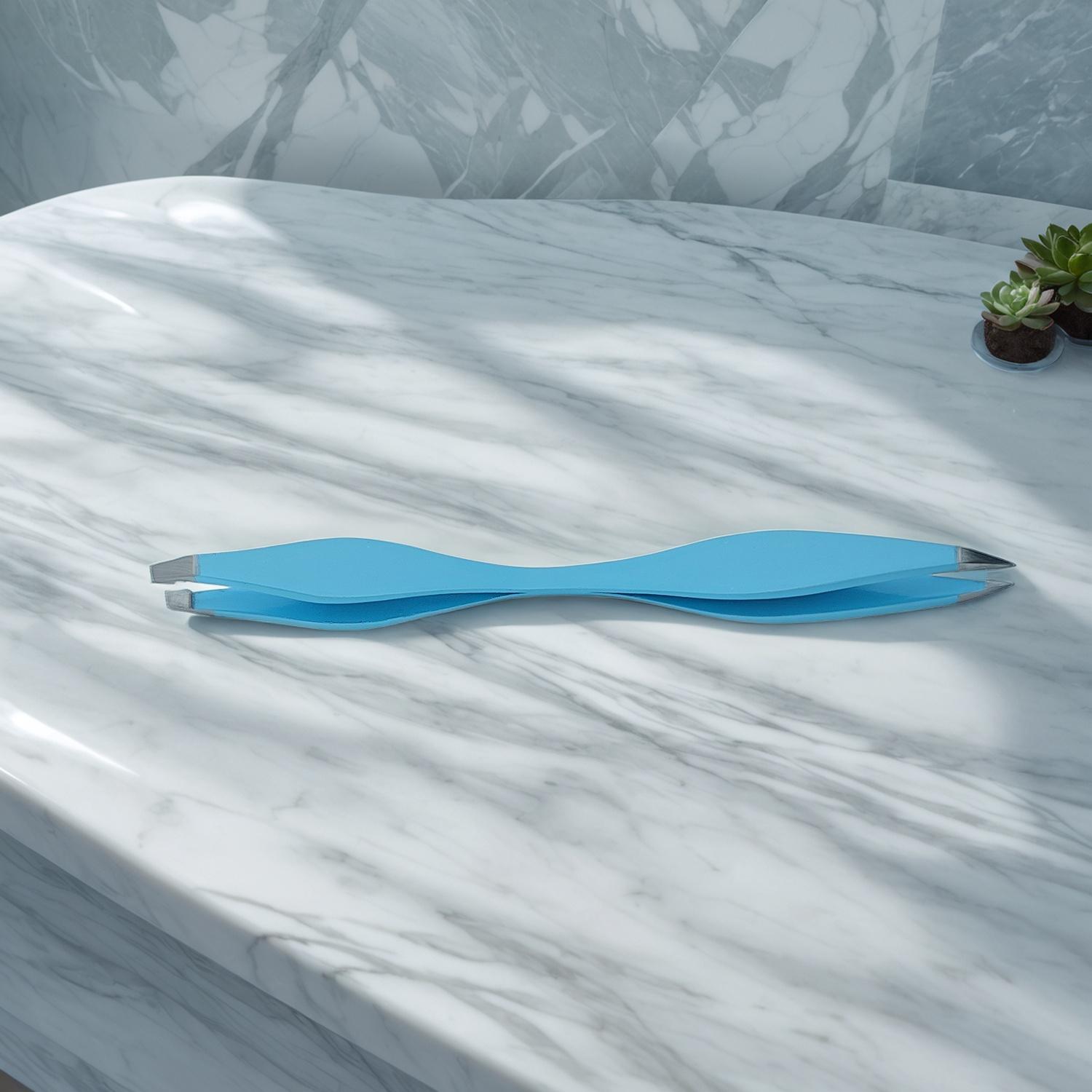
- Does the design offer a clear benefit? A product such as the Double-End Tweezer can be considered when buyers need versatile functionality in one tool format.
Olimor Beauty’s Double-End Tweezer is a useful example of how innovation can appear in a familiar category. Instead of treating tweezers as a basic commodity, buyers can look for designs that solve practical needs, reduce tool switching or create a clearer selling point for retail and private label channels.
Supplier Evaluation Beyond Unit Price
Price matters in wholesale sourcing, but it should not be the only measure. A very low unit cost can become expensive if the product creates complaints, inconsistent performance or repacking work. When comparing a manicure tools supplier, buyers should evaluate the full sourcing process, from raw material control to final packaging checks.
Olimor Beauty emphasizes precise production steps and stringent quality checks, including inspection from raw materials to final packaging. For buyers, this kind of process focus is important because many tweezer defects are small but meaningful. A slightly uneven tip, rough edge or inconsistent surface can affect how the product is received by salons and end customers.
A practical supplier review can include the following checklist:
| Evaluation Area | Why It Matters | Buyer Check |
|---|---|---|
| Sample consistency | Shows whether production can repeat the approved design | Test several samples, not only one display piece |
| Tip performance | Determines grip, precision and user satisfaction | Check alignment, closing tension and ability to hold fine items |
| Surface finish | Affects appearance, safety perception and retail value | Look for rough spots, uneven polish or visible defects |
| Packaging inspection | Reduces damage and presentation problems | Confirm how final packaging is reviewed before shipment |
| Private label readiness | Supports brand owners and retail programs | Review branding areas, packaging options and approval steps |
Buyers comparing product lines can also browse Olimor product collections to understand how tweezers may be positioned with other manicure and grooming tools.
Private Label Manicure Tools: Building a Reliable Tweezer Program
Private label manicure tools give brands the opportunity to offer a consistent look and customer experience under their own identity. Tweezers are a strong private label category because they are widely understood, compact and useful across beauty routines. However, private label success depends on more than adding a logo. The product must match the brand’s quality promise.
Before developing a private label tweezer program, define the target market clearly. A salon-focused line may need a more professional, minimal presentation and strong performance claims supported by sample testing. A retail gift set may emphasize coordinated packaging and ease of use. An online beauty store may require clear product photography, concise feature descriptions and consistent batch appearance.
Olimor Beauty’s experience as a manicure tools exporter in Guangdong and its focus on grooming tools in bulk can support buyers exploring private label possibilities. Because exact requirements vary by market, buyers should prepare artwork, packaging direction, target retail channel and expected use case before development discussions. This helps the supplier evaluate what is feasible and helps the buyer avoid vague specifications that lead to delays.
For project discussions, buyers can send an inquiry with intended product use, quantity planning, branding needs and packaging direction. If the project requires a broader sourcing conversation, it is also possible to contact Olimor for guidance.
Maintenance and End-User Guidance Buyers Should Include
A wholesale tweezer program does not end when the product ships. Clear care guidance can reduce complaints and help customers use the tool properly. Even a well-made tweezer can perform poorly if it is dropped on the tips, stored loosely with hard tools or contaminated with cosmetic residue.
Useful care instructions for retail packaging, product pages or salon training materials may include keeping the tweezer dry after cleaning, protecting the tips during storage, avoiding use on hard materials that may damage alignment and wiping the tool after contact with oils or adhesive. For professional environments, tools should be cleaned according to the salon’s hygiene procedures and local service requirements.
Buyers should also consider packaging that protects the tip area. A simple sleeve, insert or secure placement can prevent movement during shipping and display. This is especially important for precision tools, where the smallest impact can affect alignment. Packaging is not only a marketing surface; it is part of product protection.
How to Make a Confident Wholesale Decision
The best tweezers wholesale decision balances quality, function, brand fit and supplier reliability. Start with the intended user and work backward: what grip, shape, finish, packaging and inspection level does that customer require? Then compare samples using repeatable checks instead of relying only on appearance. Finally, choose a supplier that can support both product quality and the practical details of bulk ordering or private label development.
Olimor Beauty offers professional beauty tools with attention to stainless steel components, ergonomic design and inspection through production and packaging stages. For buyers entering or expanding the tweezer category, that combination helps turn a small grooming tool into a dependable product line. Whether you are sourcing for salons, retail, online sales or private label manicure tools, careful evaluation at the beginning will create a stronger customer experience after delivery.
Tag: