

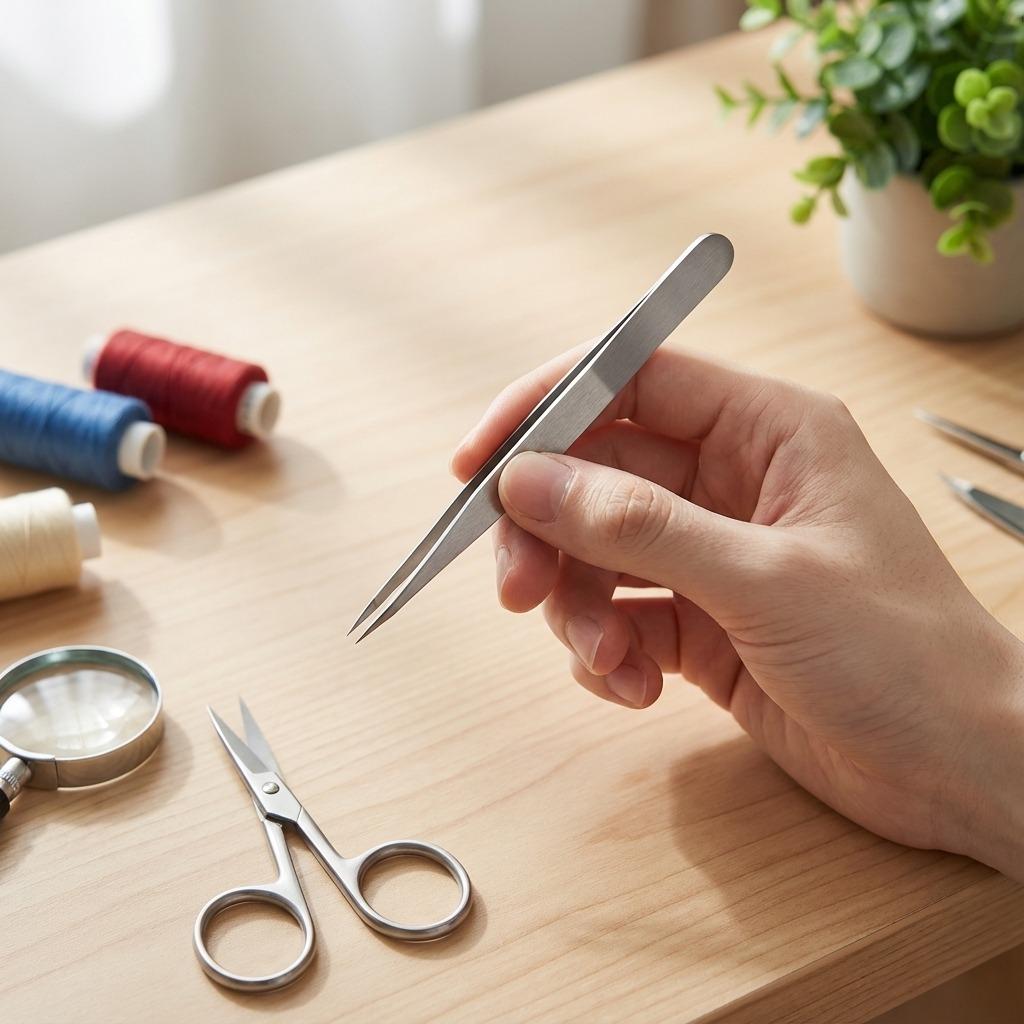
How to Choose a Global Tweezers Supplier for Wholesale and OEM/ODM Orders
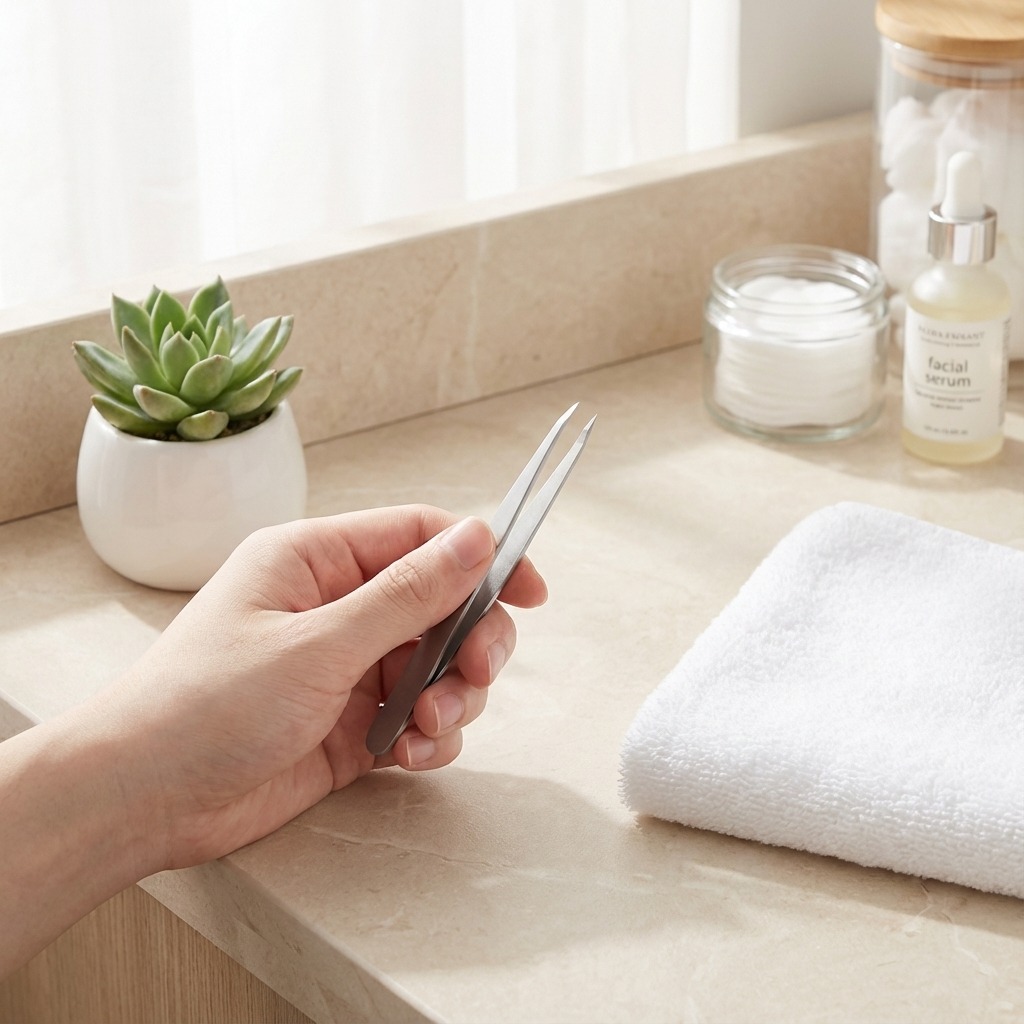
Choosing a global tweezers supplier is a practical quality decision, not only a price negotiation. For beauty retailers, salon distributors, ecommerce sellers, private-label brands and sourcing teams, tweezers must grip fine hair reliably, feel controlled in the hand, resist visible deterioration in normal use and arrive in packaging that fits the sales channel.
The right supplier helps you compare stainless steel construction, tip alignment, grip tension, surface finishing, packaging protection, customization options and inspection steps before a large order is confirmed. The wrong supplier may offer a low unit price but create complaints, returns, inconsistent batches or tools that look acceptable online yet fail during daily grooming.
Olimor Beauty supplies beauty tools for buyers evaluating wholesale tweezers and OEM/ODM tweezers projects. This guide explains how to compare cheap wholesale tweezers with higher-value options, how to test samples, what to prepare for customization and which questions reveal whether a supplier is commercially suitable.
Start With the Exact Use Case
Answer first: define how the tweezers will be sold and used before asking for the cheapest quote. Tweezers look simple, but eyebrow grooming, lash application, ingrown hair care, nail art, travel kits, first-aid kits, salon supplies and private-label retail sets can require different tip shapes, finishes and packaging choices.
A salon professional may care most about repeatable grip, balanced spring tension and comfort during repeated use. A travel kit buyer may prefer compact, lightweight construction. A pharmacy or general retailer may need a dependable everyday tool for eyebrow shaping and occasional small-object removal. A private-label beauty brand may need consistent logo placement, retail packaging and a finish that matches an existing product line.
Before contacting a supplier, prepare a sourcing brief that includes the target customer, selling channel, expected product role, preferred tip style, surface finish, packaging format, order timing and whether branding or custom development is required. When these points are clear, a supplier can recommend a realistic option instead of quoting a generic item that may not fit your channel.
Common B2B Tweezers Buying Scenarios
- Retail beauty sets: need reliable grip, attractive finish and packaging that supports shelf or ecommerce presentation.
- Salon and brow studio supplies: should prioritize daily handling comfort, consistent tip alignment and repeatable closing tension.
- Private-label programs: require early decisions on logo placement, finish, packaging and reference samples.
- Promotional or entry-level items: may focus on cost control but still need acceptable alignment, smooth finishing and safe handling.
- Precision grooming or kit applications: may require ultra-fine tips, compact size or a specific tip shape verified through samples.
For example, Olimor product information describes a compact 95 mm precision tweezer option with ultra-fine tips, making it relevant for buyers who want a portable grooming tool rather than a bulky utility item. Buyers should verify the physical sample against their own intended use before scaling an order.
What Quality Means in Wholesale Tweezers
Answer first: tweezer quality is proven by repeatable performance, not catalog appearance. A good pair should close evenly at the tips, grip fine hair or small objects without excessive pressure and feel stable between the fingers.
Olimor Beauty product information highlights stainless steel construction, precision tips, ergonomic handling, lightweight construction, brushed metal or matte finishing, polished finish options and corrosion-resistant builds as important product attributes. For buyers, these points should be treated as inspection items to confirm on samples and pre-shipment checks, not as assumptions.
The most important practical checks include:
- Tip alignment: the two sides should meet evenly without visible gaps, crossing or offset contact.
- Tip finishing: fine or ultra-fine tips should be precise but not rough, burred or uncomfortable against skin.
- Grip performance: samples should hold fine hair, thread or a thin test fiber without slipping under normal pressure.
- Spring tension: the tool should close smoothly and feel neither too stiff for repeated use nor too weak for control.
- Surface finish: polish, brushed metal, matte or colored finishes should appear clean, even and free from obvious scratches, stains or peeling risks.
- Hand feel: weight, balance and any anti-slip texture should match the target user and selling price point.
- Packaging protection: caps, sleeves, cards, pouches or boxes should protect the tips during shipping and retail handling.
These checks matter even when the buying goal is cheap wholesale tweezers. A low-cost item can still be commercially useful if it meets the customer’s basic expectations. A batch with poor alignment or inconsistent finishing may cost less at purchase but more after complaints, repacking work or lost repeat orders.
Cheap Wholesale Tweezers Versus Lowest Total Cost
Answer first: the cheapest unit price is not always the lowest total cost. When a quote is much lower, buyers should ask what has been reduced to reach that number. It may be polishing time, tip finishing, packaging protection, inspection labor, material consistency or communication support.
A cost-efficient bulk purchase is different from a product built only to hit the lowest possible price. For beauty tools, visual appearance and functional precision both influence customer satisfaction. A tweezer that grips correctly helps the user complete the task with fewer pulls. A smooth surface feels cleaner and more professional. Stable tension can reduce hand fatigue for repeated use. Good packaging helps prevent tip damage before the customer opens the product.
When comparing global tweezers suppliers, review what each quote includes. A lower price may exclude custom packaging, stricter inspection, sample support or the finish used in the approved sample. A slightly higher quote may deliver a more stable product that better protects the buyer’s reputation.
| Decision Point | Why It Matters | What Buyers Should Check |
|---|---|---|
| Material and finish | Affects appearance, rust resistance expectations and long-term perceived value. | Confirm stainless steel construction and inspect polish, brushed, matte or colored finish quality on samples. |
| Tip performance | Determines whether users can remove fine hair or handle precision tasks accurately. | Test alignment, grip and comfort across multiple sample pieces, not only one perfect unit. |
| Size and portability | Influences travel kits, retail bundles, salon use and first-aid applications. | Check whether compact options, such as 95 mm tweezers where offered, suit the channel. |
| Packaging | Protects tips, supports retail presentation and affects landed value. | Review caps, sleeves, cards, pouches, boxes and ecommerce-safe packing needs. |
| Inspection process | Reduces inconsistent grip, cosmetic defects and shipment-to-shipment variation. | Ask how the supplier checks raw material, tip alignment, finish, packaging and final cartons. |
| Customization | Impacts development steps, sampling, communication and total cost. | Clarify logo, finish, shape, packaging and approved-sample requirements before ordering. |
| Reorder consistency | Protects listings, reviews, retail presentation and repeat sales. | Keep an approved sample and confirm how future production will be compared against it. |
This approach helps buyers identify the cheapest wholesale tweezers that still make commercial sense. The best quote is the one that supports the buyer’s customer promise, not simply the smallest number on a spreadsheet.
How to Test Tweezers Samples Before Bulk Ordering
Answer first: samples are essential because tweezer quality is tactile. A specification sheet cannot fully show closing tension, balance, tip grip, edge smoothness or comfort in the hand.
Do not approve only one attractive sample. If possible, evaluate several pieces so you can see whether quality is repeatable. Test them the way a customer would use them: open and close the tool repeatedly, try eyebrow-shaping movements where appropriate, grip fine hair or thread, inspect the tips under good light and check the finish from multiple angles.
Practical Sample-Inspection Checklist
- Close the tips slowly: look for even contact, gaps, crossing or uneven pressure.
- Test fine grip: use fine hair, thread or a thin paper edge to check whether the tips hold securely.
- Check the edges: confirm there are no obvious burrs, rough corners or uncomfortable sharp areas.
- Repeat the motion: open and close the tweezer several times to judge spring tension and fatigue risk.
- Inspect the surface: look for rust spots, stains, scratches, uneven polish, color variation or coating defects.
- Review packaging fit: confirm the packaging protects the tips and matches the planned retail or ecommerce presentation.
- Compare pieces: check whether multiple samples feel similar, especially in grip strength and alignment.
If the product description mentions stainless steel, tarnish-resistant finishing, ultra-fine tips, slant tips, matte anti-slip details or compact length, verify those details on the physical sample. Product copy helps selection, but samples confirm whether the tool meets the buyer’s actual user expectations.
For buyers planning a wider assortment, it can help to compare tweezers with other beauty tools in the Olimor product range or review related items in the beauty tool collection. A tweezer may be sold alone, but it may also form part of a brow kit, grooming set, salon starter pack or travel beauty assortment.
OEM/ODM Tweezers: When Customization Makes Sense
Answer first: OEM/ODM tweezers are useful when a buyer needs more than an off-the-shelf wholesale item. Customization may involve shape preference, surface finish, logo placement, retail packaging or a tool designed to fit an existing beauty collection.
For ODM work, the supplier may suggest an existing design direction that can be adapted. For OEM work, the buyer typically provides a clearer product requirement. In both cases, vague customization requests create delays because the supplier must guess the intended standard.
A practical OEM/ODM brief should include:
- Tip type: slant, pointed, flat, ultra-fine or another shape suited to the target use.
- Finish direction: polished, brushed, matte, colored, anti-slip texture or another surface preference.
- Branding: logo position, logo color and whether the mark appears on the tool, packaging or both.
- Packaging: retail card, box, pouch, protective cap, set packaging or ecommerce-safe format.
- Target channel: salon supply, retail beauty aisle, online consumer kit, travel set or promotional item.
- Quality expectations: sample approval method, cosmetic tolerance, performance checks and reference sample process.
- Commercial planning: approximate order plan, launch schedule and reorder expectations without assuming unconfirmed timelines.
Keep one approved sample as the benchmark for bulk production. This makes later discussions about finish, alignment, packaging and customer complaints more objective. For private-label projects, the approved sample should represent the same finish and packaging intended for the order, not a generic stock example.
Supplier Evaluation Questions That Reveal Real Capability
Answer first: a dependable global tweezers supplier should be able to discuss production, inspection and packaging details clearly. Broad claims are less useful than practical answers.
Ask questions that connect directly to your selling risk:
- Which stainless steel tweezer options are suitable for my target use and selling channel?
- How do you check tip alignment and grip consistency before shipment?
- Can samples be provided in the same finish and packaging planned for bulk order review?
- How are polished, brushed, matte or colored finishes inspected for visible defects?
- What packaging options help protect tweezer tips during shipping and retail handling?
- For OEM/ODM tweezers, what artwork, logo files, packaging references or product briefs are needed?
- How are quality issues reviewed if the delivered goods do not match the approved sample?
- How should buyers confirm order quantity, customization scope, lead time and shipping details before production?
These questions help separate a supplier that understands beauty-tool sourcing from one that only competes on low price. They also make quotations easier to compare because each supplier is responding to the same commercial and quality expectations.
Inspection Standards and Documentation to Discuss
Answer first: buyers should request documentation and inspection explanations that match the product, market and risk level. Do not assume a certification or test result unless the supplier provides current, relevant evidence.
For quality-management discussion, some buyers reference public frameworks such as ISO 9001 for quality management systems or ISO 2859 for sampling inspection approaches. These standards can help purchasing teams structure conversations about process control and acceptance sampling, but buyers should verify the applicable version, scope and supplier documentation. Mentioning a standard is not the same as confirming that a specific supplier or product holds a certification.
For tweezers, practical inspection records may be more useful than broad claims. Buyers can ask how the supplier checks incoming material, tip shaping, polishing, surface finish, logo application, packaging and final carton condition. If the goods are sold in a regulated or highly sensitive market, buyers should also confirm any local import, labeling or consumer-product requirements with their own compliance advisors.
How Olimor Supports Tweezers Sourcing Discussions
Olimor Beauty can support buyers who are comparing stainless steel tweezers, wholesale grooming tools and OEM/ODM beauty-tool projects. A practical inquiry should include the intended market, user type, preferred tip style, finish direction, packaging needs, branding expectations and approximate order plan. This allows the team to discuss suitable options and sample requirements more efficiently.
Buyers evaluating a new program can browse Olimor’s beauty tool products to understand available categories, then use the inquiry form to share sourcing requirements. For custom branding or a supplier evaluation conversation, the contact page is the best place to start a direct discussion.
The most successful wholesale and OEM/ODM projects usually begin with a clear brief, sample testing and a shared quality reference. That process reduces misunderstanding and helps align price, function, finish and packaging before production scales.
Final Buyer Checklist
Before placing a wholesale or OEM/ODM tweezers order, confirm the basics in writing. The checklist below can help purchasing teams avoid common sourcing problems.
- Define the exact use case, target customer and sales channel.
- Choose the appropriate tip shape, size, finish and packaging format.
- Request samples that match the planned bulk-order specification as closely as possible.
- Test multiple samples for alignment, grip, tension, finish, comfort and packaging protection.
- Compare total landed value, not only the unit price.
- Clarify inspection steps, defect review process and production reference sample use.
- For OEM/ODM work, prepare logo files, packaging references and a concise product brief.
- Verify any applicable standard, documentation, labeling or import requirement for your market.
- Confirm commercial details such as quantity, customization scope, lead time and shipping method directly with the supplier.
A well-chosen tweezers supplier helps protect product reviews, retail presentation and repeat orders. The goal is not to buy the most expensive tool or the cheapest tool. The goal is to source tweezers that match the customer’s expectations, the buyer’s margin requirements and the brand’s quality promise.
FAQ
Can I request samples before ordering wholesale tweezers?
Yes. Samples are strongly recommended because tip alignment, spring tension, grip and hand comfort must be tested physically. Ask whether the sample can match the intended finish and packaging for the bulk order.
Does Olimor offer OEM/ODM customization for tweezers?
Olimor supports OEM/ODM beauty-tool discussions. Buyers should prepare requirements for tip type, finish, branding, packaging, target channel and quality expectations so the customization scope can be reviewed clearly.
What MOQ or lead time should I expect?
MOQ and lead time depend on the product, customization level, packaging requirements and production schedule. Buyers should confirm these details directly with Olimor before planning a launch or reorder.
How should I check quality before approving a bulk order?
Review multiple samples for tip alignment, grip performance, edge smoothness, surface finish, spring tension and packaging protection. Keep an approved sample as the reference for production comparison.
Are cheap wholesale tweezers a bad choice?
Not always. Cost-efficient tweezers can be suitable for some channels if they meet the required quality level. Buyers should compare total value, including finish, packaging, inspection and consistency, rather than choosing by unit price alone.
Tag: