

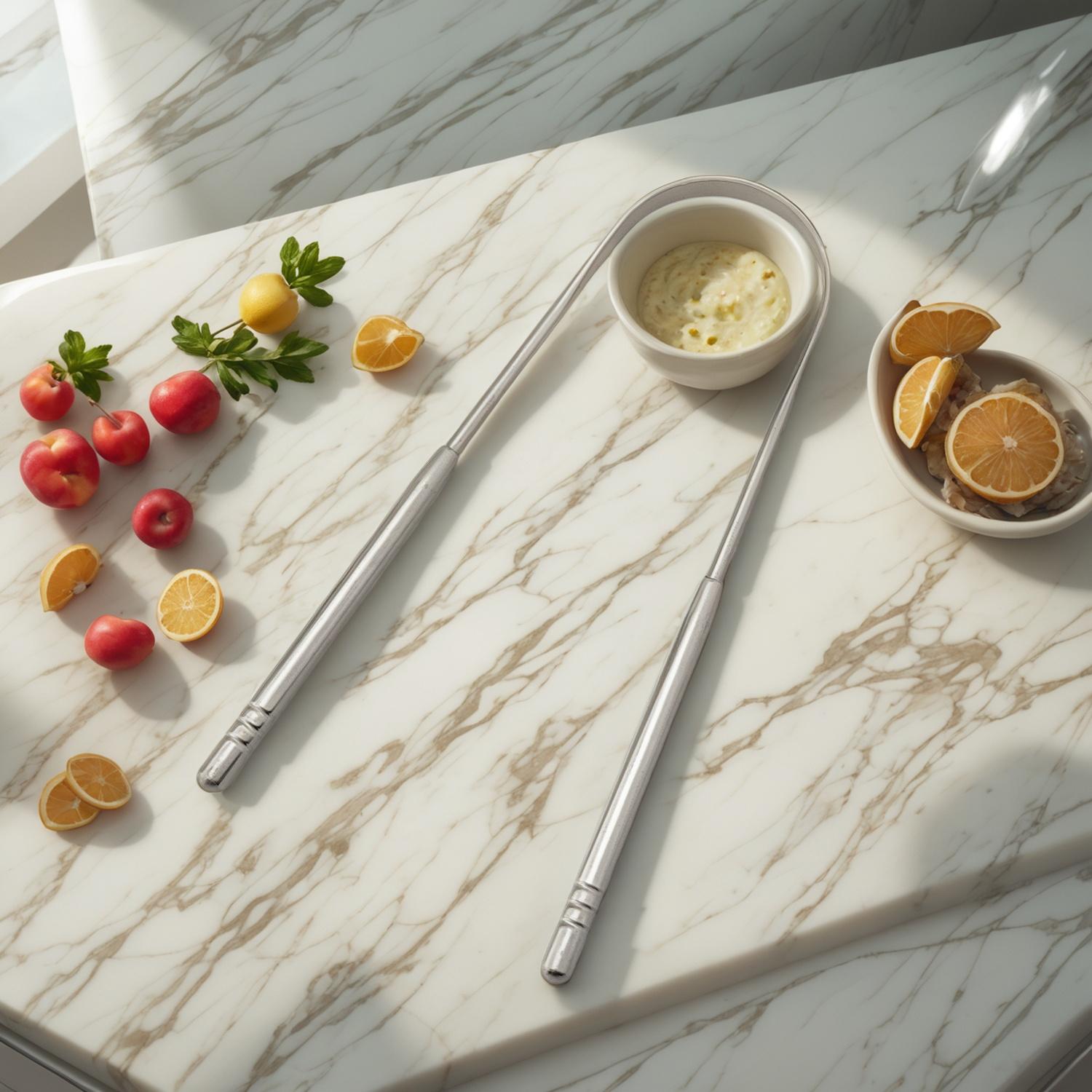
Sustainable Beauty Tools Supplier: How to Source Eco-Conscious Personal Care Tools
Sustainable beauty tools are no longer a niche request from specialty retailers. Beauty brands, oral care companies, wellness boutiques, pharmacies, and e-commerce sellers are all looking for tools that feel durable, practical, and aligned with lower-waste personal care. For buyers, the challenge is not simply finding a product that looks natural or uses the word sustainable. The real work is choosing a supplier that can support responsible material decisions, consistent quality, suitable packaging, and clear communication from sampling to repeat orders.
Olimor Beauty supplies beauty and personal care tools for buyers who need dependable sourcing options, including stainless steel personal care items such as the Stainless Steel Tongue Scraper referenced in this category. Stainless steel tools are often considered by buyers who want reusable alternatives to disposable or short-life products. They can also suit minimalist product lines, oral care sets, travel grooming kits, and private label wellness assortments when the design, finishing, and packaging are appropriate for the target market.

What “Sustainable Beauty Tools” Should Mean to a Buyer
In sourcing, sustainability should be treated as a set of practical decisions rather than a single claim. A beauty tool may support a more responsible product strategy when it is reusable, durable, easy to clean, packaged efficiently, and produced with quality controls that reduce waste from defects and returns. For a stainless steel tongue scraper, the sustainability value often comes from long-term use and simple maintenance, not from exaggerated marketing promises.
Buyers should also be careful with broad language such as eco-friendly, green, or zero-waste. These phrases can be useful in consumer education, but they should be backed by specific product choices. What material is used? Is the tool intended for repeated use? Does the packaging avoid unnecessary bulk? Can the product be cleaned easily by the end user? Does the supplier inspect surface finish and edges consistently? These questions help turn a sustainability concept into a sourcing specification.
For a fuller view of available categories, buyers can browse Olimor beauty tool products and compare how different items may fit oral care, facial care, grooming, or retail gift sets.
Why Stainless Steel Works Well for Reusable Personal Care Tools
Stainless steel is widely used for personal care tools because it can offer strength, a smooth hand feel, and a clean appearance when finished properly. In the context of a tongue scraper, the material choice supports a reusable product format that can be rinsed and stored between uses. This makes it attractive for brands positioning products around daily hygiene, travel-friendly wellness, or reduced reliance on disposable accessories.
However, material alone does not make a product suitable. A buyer should evaluate the full user experience. The tongue scraper should feel stable in hand, have comfortable contact surfaces, and avoid sharp or rough edges that could create a poor experience. The finish should look consistent across samples and bulk production. If the item is sold as part of a premium oral care set, appearance and packaging alignment become especially important because the tool may be judged before the customer ever uses it.
For e-commerce brands, product photography and product pages often highlight the clean metallic surface of stainless steel. This increases the importance of visual consistency. Scratches, uneven polishing, visible burrs, or inconsistent shape can lead to returns or negative reviews even if the tool remains functional. A sustainable product strategy depends on reducing avoidable waste at every stage, including preventing defective or poorly presented goods from reaching the customer.
Selection Criteria for a Sustainable Beauty Tools Supplier
When comparing suppliers, buyers should look beyond catalog images. A suitable sustainable beauty tools supplier should be able to discuss product function, finishing expectations, packaging options, inspection steps, and shipment readiness in a clear and practical way. For brands expanding into oral care tools, the following checklist can help structure the evaluation process:
- Product fit: Confirm whether the tool matches the intended channel, such as retail shelf, online store, wellness kit, dental care bundle, or promotional set.
- Reusable design: Prioritize tools that are durable enough for repeated use and simple enough for customers to clean and store.
- Surface quality: Review samples for smoothness, visible marks, edge comfort, and consistency between pieces.
- Packaging efficiency: Consider packaging that protects the tool without adding unnecessary size, weight, or mixed materials.
- Branding suitability: Check whether the product shape, finish, and packaging area can support your brand presentation without making unverified claims.
- Inspection process: Define the appearance, dimension, and functional points that should be checked before shipment.
- Communication: Choose a supplier that responds with precise answers and can help clarify trade-offs instead of relying only on generic product descriptions.
These criteria are especially useful when sourcing from a personal care tools manufacturer in Asia, where buyers may be coordinating samples, packaging, labeling, and export requirements across distance and time zones. Clear specifications help both sides reduce misunderstanding.
Cruelty-Free Positioning Without Overclaiming
Cruelty-free positioning is important to many beauty and wellness consumers. For tools such as a stainless steel tongue scraper, buyers should focus on what can be accurately communicated. Unlike cosmetic formulas, a metal personal care tool does not need animal-derived ingredients to perform its core function. That can make it easier to align with cruelty-free product assortments, especially when the product is sold alongside vegan beauty, oral hygiene, or low-waste lifestyle items.
Still, responsible marketing matters. Avoid making claims that go beyond the evidence available for the product, packaging, or supply chain. If your brand has a formal cruelty-free or vegan policy, align the tool specification, packaging text, and supplier documentation with that policy before launch. If the product will be sold in regulated markets or through strict retail platforms, review all claims with the appropriate compliance process.
A strong supplier relationship can support this work by keeping product information organized and helping buyers separate confirmed facts from marketing language. If you are developing a new assortment and need to discuss feasible options, you can contact Olimor for product and sourcing communication.
Packaging Choices That Support a More Responsible Product Line
Packaging has a major effect on how sustainable a beauty tool feels to consumers. A reusable stainless steel item can lose credibility if it arrives in excessive plastic, oversized boxes, or packaging that is difficult to recycle. At the same time, packaging must protect the tool, communicate hygiene, and present the brand clearly. The best option depends on sales channel, price point, and shipping method.
The table below outlines practical packaging considerations for buyers planning sustainable personal care tools:
| Packaging Question | Why It Matters | Buyer Consideration |
|---|---|---|
| Does the package protect the tool? | Damage, scratches, or contamination concerns can cause returns. | Balance minimal materials with adequate product protection. |
| Is the package suitable for retail display? | Physical stores may require hanging holes, barcodes, or visible branding. | Plan layout early so sustainability and shelf presentation work together. |
| Is the package efficient for shipping? | Bulky packaging increases carton size and freight impact. | Compare packed dimensions, not only the unit product size. |
| Are claims clear and accurate? | Vague eco claims can create compliance and trust issues. | Use specific wording tied to the product’s reusable nature and materials. |
For online sellers, packaging also affects unboxing and customer perception. Simple, clean presentation often works well for stainless steel personal care tools because it reinforces hygiene and durability. For gift sets, the package may need a more refined finish, but buyers should still avoid unnecessary layers that add cost without improving the customer experience.
Quality Checks for Stainless Steel Tongue Scrapers
Quality assurance is central to sustainable sourcing because defective products create waste, delays, and reputational risk. A stainless steel tongue scraper should be checked for both function and appearance. The exact inspection standard should be defined before production, but buyers can begin with several practical points.
- Check the edges: Surfaces that contact the mouth should feel smooth and comfortable, with no rough burrs.
- Review the finish: Look for consistent polishing, clean surfaces, and acceptable limits for visible marks.
- Test the shape: The tool should maintain its intended form and not feel flimsy during normal handling.
- Assess cleanability: Avoid design features that trap residue or make rinsing difficult.
- Inspect packaging fit: The product should not move excessively inside the package or arrive scratched from contact.
- Confirm labeling content: Usage, care, and warning information should be appropriate for the destination market.
These checks are not complicated, but they must be consistent. A small oral care tool can appear simple, yet customer comfort depends on detail. For private label and retail buyers, a clear approved sample is also important. It gives both buyer and supplier a practical reference for finish, shape, packaging, and overall presentation.
How to Build a Product Brief Before Sending an Inquiry
A well-prepared brief saves time and helps a supplier recommend suitable options. Before requesting pricing or samples, define the customer, market, channel, and product story. Are you building a minimalist oral care line, adding a reusable tool to a beauty accessories range, or creating a wellness travel kit? Each use case may require different packaging, branding, and finishing priorities.
Your brief does not need to be overly complex, but it should include the essentials: target market, product type, preferred material direction, expected packaging style, branding requirements, order planning stage, and any compliance or platform requirements you already know. If you are comparing several beauty and personal care categories, Olimor’s product collections can help you organize options before final selection.
When you are ready to discuss a project, you can send an inquiry with your product brief, sample needs, and packaging direction. Clear early communication makes it easier to evaluate feasibility, timing, and the right sustainable beauty tool approach for your brand.
Choosing Practical Sustainability Over Generic Claims
The strongest sustainable beauty tools are not defined by slogans. They are defined by practical choices that customers can understand: reusable function, durable material, comfortable design, careful finishing, sensible packaging, and accurate communication. A stainless steel tongue scraper is a good example of a simple personal care tool where these details matter. It may look minimal, but successful sourcing depends on comfort, consistency, and how well the product fits your brand’s promise.
For buyers working with a beauty tools supplier, the goal should be to create products that are useful enough to be kept and used repeatedly. That is where sustainability, quality, and commercial value meet. By setting clear criteria before sampling and choosing a supplier that can support both product detail and sourcing communication, brands can build beauty and personal care ranges that feel responsible, reliable, and ready for today’s market.
Tag: