

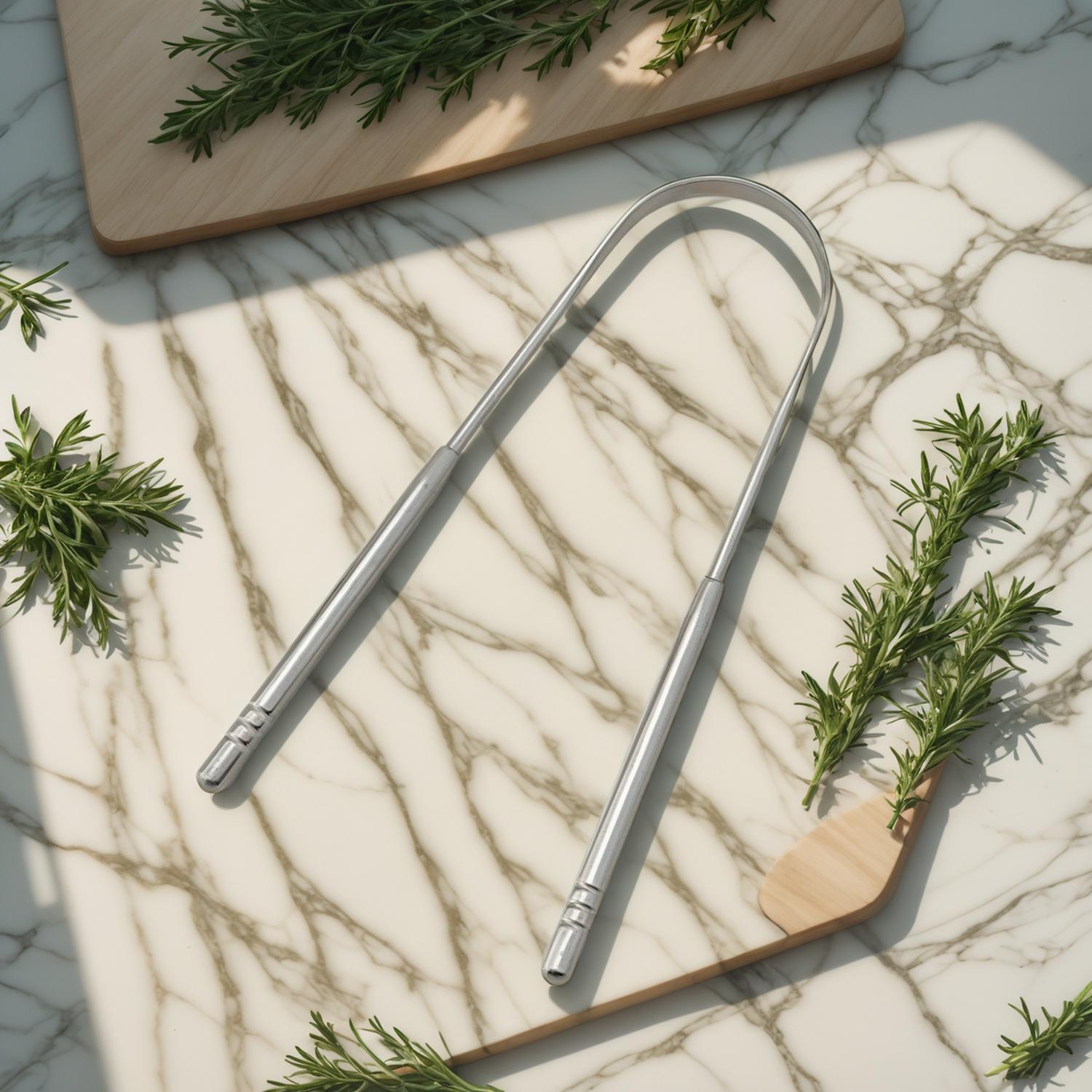
Sustainable Beauty Tools Supplier for Cruelty-Free Personal Care
Choosing a sustainable beauty tools supplier is no longer only a branding decision. For retailers, distributors, salons, wellness brands and private-label buyers, the supplier you choose affects product durability, customer trust, return rates, packaging waste and the credibility of your cruelty-free positioning. Olimor Beauty focuses on high-quality stainless steel personal care tools and supports buyers who want practical, long-lasting tools without relying on animal-derived testing claims or disposable product thinking.
The original idea behind a sustainable beauty tool is simple: a well-made tool should perform consistently, be comfortable to use and stay in service long enough to reduce unnecessary replacement. Stainless steel is a strong fit for many personal care categories because it is durable, easy to clean and suitable for repeated daily use. When the product is also made through a cruelty-free approach, buyers can build a beauty or wellness assortment that aligns better with modern consumer expectations.

What Sustainability Means for Beauty Tool Sourcing
In beauty tools, sustainability should be evaluated through practical product decisions rather than broad claims. A supplier’s approach can be assessed by how it handles material selection, product lifespan, quality control, repair or replacement risk, packaging choices and consistency from batch to batch. A product that looks attractive but bends easily, corrodes quickly or arrives with rough edges can create waste through returns and customer dissatisfaction.
For stainless steel personal care tools, buyers should focus on the factors that influence daily use. The tool should feel balanced in the hand, have smooth contact surfaces, be easy to rinse or wipe after use and be packed in a way that protects it during transit. These details are especially important for compact items such as a stainless steel tongue cleaner, where hygiene, edge finishing and ergonomic handling are central to user satisfaction.
A sustainability-minded sourcing decision also considers whether the product is suitable for repeat use instead of single-use replacement. This does not mean every item must be marketed as premium or luxury. It means the tool should be designed with enough care that the end user is likely to keep using it. That is where stainless steel beauty tools can serve both practical and environmental goals.
Cruelty-Free Manufacturing: What Buyers Should Look For
Cruelty-free beauty tools are different from skin care or cosmetics because the product itself is not a formula that requires biological performance testing. However, buyers still need clarity around manufacturing practices, material statements and marketing language. A cruelty-free beauty tools manufacturer should avoid misleading claims and provide product information that supports responsible positioning in the buyer’s market.
When evaluating a supplier, look for a clear understanding of the product category. For a stainless steel tool, cruelty-free positioning should be connected to the production process and product communication rather than unsupported promises. Buyers should also check that packaging, inserts and product descriptions do not contain language that conflicts with their own brand standards.
- Material clarity: confirm what the tool is made from and whether the supplier can keep descriptions consistent across quotations, packaging and online listings.
- Surface finishing: review whether edges, curves and contact areas are smooth enough for the intended use.
- Hygiene-focused design: prioritize simple forms that are easy for consumers to clean and dry after each use.
- Packaging suitability: choose packaging that protects the tool without unnecessary bulk or confusing claims.
- Claim discipline: avoid exaggerated sustainability language that cannot be supported in product documentation.
Why Stainless Steel Works for Personal Care Tools
Olimor Beauty’s focus on stainless steel personal care tools gives buyers an assortment direction that is easy to explain to consumers. Stainless steel is valued in personal care because it can provide strength, a smooth finish and long service life when manufactured and maintained correctly. For tools that come into contact with the mouth, face, hands or nails, cleanability and surface quality are especially important.
The Stainless Steel Tongue Cleaner is a useful example. Consumers often choose this type of tool because they want a simple daily oral care accessory that can be rinsed after use and stored without complicated maintenance. From a buyer’s perspective, the key is not only the product name but the user experience: the tool should be shaped for comfortable handling, finished to avoid harsh contact and inspected so that each piece reflects the intended standard.
Stainless steel also supports a more durable product story than disposable or fragile alternatives. It can fit travel, home, salon retail and wellness gift categories, depending on the final packaging and assortment strategy. For buyers building a broader personal care range, stainless steel tools can sit alongside other durable items in beauty tool products and curated product collections.
Quality Control Questions Before Placing an Order
Quality checks are one of the most important differences between a low-risk tool supplier and a supplier that only offers attractive product photos. Olimor Beauty emphasizes thorough inspections from raw materials to final packaging. For buyers, this should translate into a structured review process before an item is added to a retail or private-label program.
A useful quality review should cover the product before, during and after production. For stainless steel personal care tools, defects may include inconsistent polishing, sharp or rough areas, deformation, visible marks, poor alignment, packaging damage or mixed labeling. These issues can be reduced when the supplier treats inspection as part of the manufacturing workflow instead of a final afterthought.
- Confirm the intended use: define whether the tool is for oral care, facial care, nail care, travel, salon resale or general personal care.
- Review handling comfort: check the grip area, curve, weight distribution and ease of use for the target customer.
- Inspect surface finish: look for burrs, scratches, staining, uneven polishing or edges that feel uncomfortable.
- Check packaging protection: make sure the tool will not rub, bend or move excessively during transport.
- Align labeling and claims: ensure product names, material descriptions and cruelty-free wording match your market requirements.
- Evaluate batch consistency: compare multiple samples, not only one hand-selected piece, when possible.
How to Assess a Supplier in Asia Without Relying on Generic Claims
Asia remains an important sourcing region for personal care tools, but buyers should be selective. A personal care tools manufacturer in Asia should be evaluated on communication accuracy, product specialization, inspection discipline and ability to understand the buyer’s market. The best supplier fit is not always the one with the longest product list. It is often the one that can explain the product clearly, control the finish consistently and support realistic purchasing decisions.
Buyers should prepare a sourcing brief before contacting a supplier. This keeps the discussion focused and reduces the risk of misunderstandings. Include the product category, target retail channel, expected packaging style, compliance needs for your market, preferred claim language and whether you need neutral goods or customized presentation. If you are comparing multiple stainless steel tools, organize them by use case rather than only by unit appearance.
It is also wise to separate confirmed facts from marketing ambitions. For example, if you want to build a cruelty-free beauty tools line, define exactly how that phrase will be used on packaging and product pages. If you want a sustainability message, decide whether it is based on durability, reduced replacement, recyclable material potential, minimized packaging or another verifiable angle. This approach helps protect your brand from vague claims and supports a more credible product launch.
Best-Fit Buyers for Sustainable Stainless Steel Tools
Sustainable stainless steel personal care tools can serve several types of buyers. Beauty retailers may use them to expand beyond cosmetics into daily-use accessories. Wellness brands may position them as part of a self-care or hygiene range. Salons and spas may retail selected tools for at-home maintenance. Online sellers may use them in compact assortments where durability, clean appearance and practical function are important selling points.
The audience for these tools is usually looking for simplicity and reliability. They do not need exaggerated promises. They want an item that is easy to understand, pleasant to use and consistent with their values. That makes careful product presentation important. Clear photos, accurate material descriptions, straightforward care instructions and restrained sustainability language can perform better than broad luxury claims.
For a stainless steel tongue cleaner, for example, a strong product page should explain how the tool is used, how it should be cleaned and why stainless steel is a practical choice. It should not overstate medical benefits or make unsupported health claims. This balance is important for organic search quality because useful, specific content tends to serve readers better than short promotional copy.
Maintenance Guidance That Improves Customer Satisfaction
Maintenance content is often overlooked, but it helps reduce returns and improves the user experience. Stainless steel personal care tools should generally be cleaned after use, dried before storage and kept away from conditions that may cause unnecessary surface wear. Buyers can include simple care guidance in packaging inserts or product pages to help consumers use the tool correctly.
Good maintenance instructions should be specific without becoming overly technical. For many stainless steel personal care tools, consumers need to know that rinsing, wiping dry and storing in a clean place can help preserve the tool’s appearance. If the product has curves or contact edges, users should be reminded to clean those areas carefully. For travel, a protective pouch or case may help prevent scratches, depending on the final packaging selected.
Work With Olimor Beauty on Practical, Ethical Tool Sourcing
Olimor Beauty supports buyers seeking stainless steel personal care tools with a cruelty-free and sustainability-minded direction. The best results come from matching the product to the customer’s real use case, then reviewing comfort, finish, packaging and claim language before moving forward. Whether you are planning a single stainless steel tongue cleaner or a wider personal care tool assortment, a disciplined sourcing process helps protect both your brand and your customers.
To discuss suitable items, compare product directions or prepare a sourcing brief, you can contact Olimor for more information. If your project is ready for quotation or product review, you may also send an inquiry with your target category, packaging needs and market requirements.
Tag: