

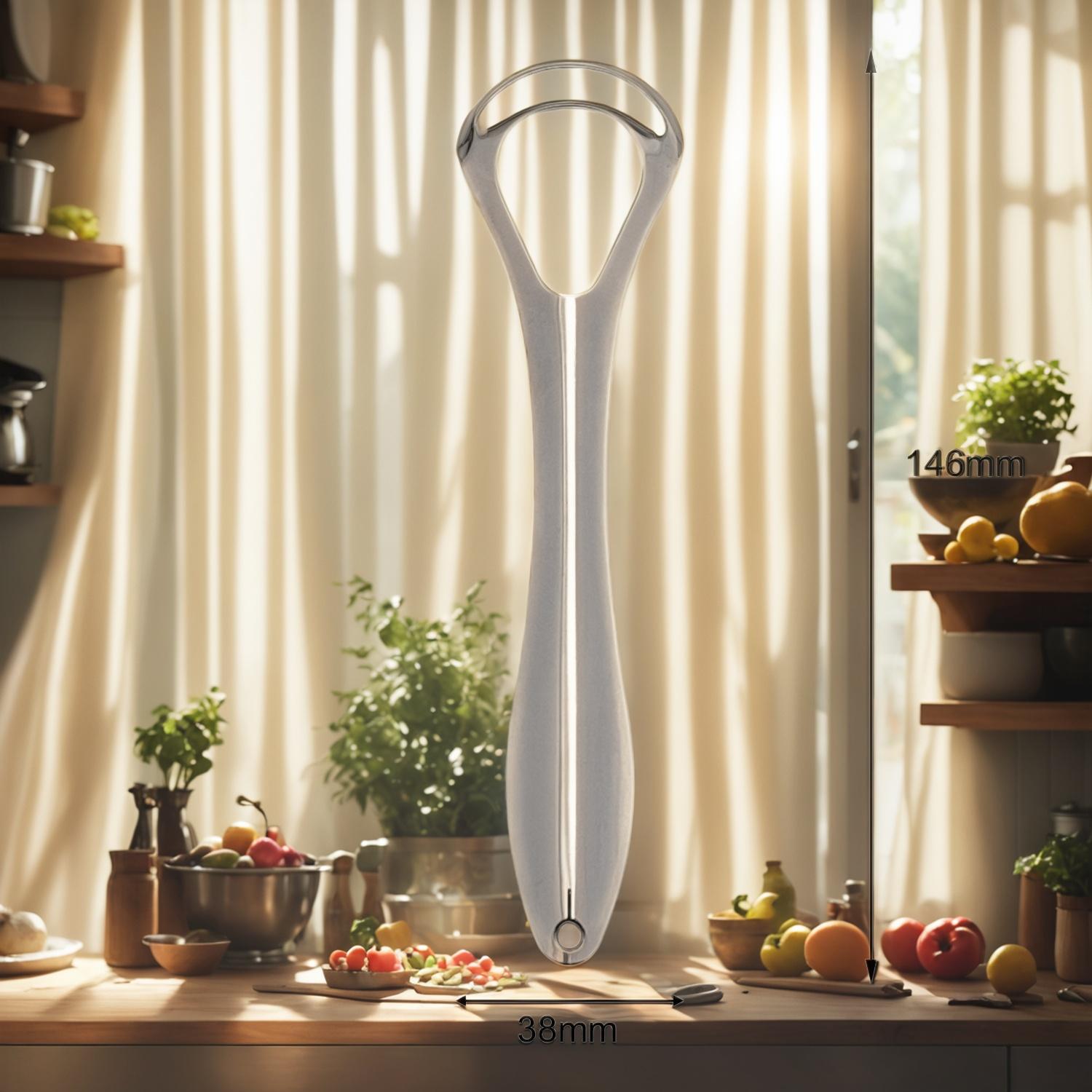
Wholesale Spa Personal Care Tools from Olimor Beauty: What Buyers Should Evaluate
Spa personal care tools are small products, but they carry a large responsibility for beauty retailers, salon suppliers, private-label brands and distributors. A tool that feels comfortable, cleans easily and performs consistently can support repeat purchases. A poorly chosen tool can create returns, complaints and weak brand confidence. For wholesale buyers, sourcing is therefore not only about price; it is about matching product function, quality control, ethical expectations and market positioning.
Olimor Beauty supplies personal care tools for businesses looking to build or expand a spa-oriented beauty assortment. The focus of this guide is practical: how to evaluate wholesale spa tools, what to consider before placing an order, and how to think about manufacturing decisions when sourcing from Asia. If you are comparing beauty tool suppliers, you can also browse Olimor beauty tool products or review broader product collections to understand available categories.
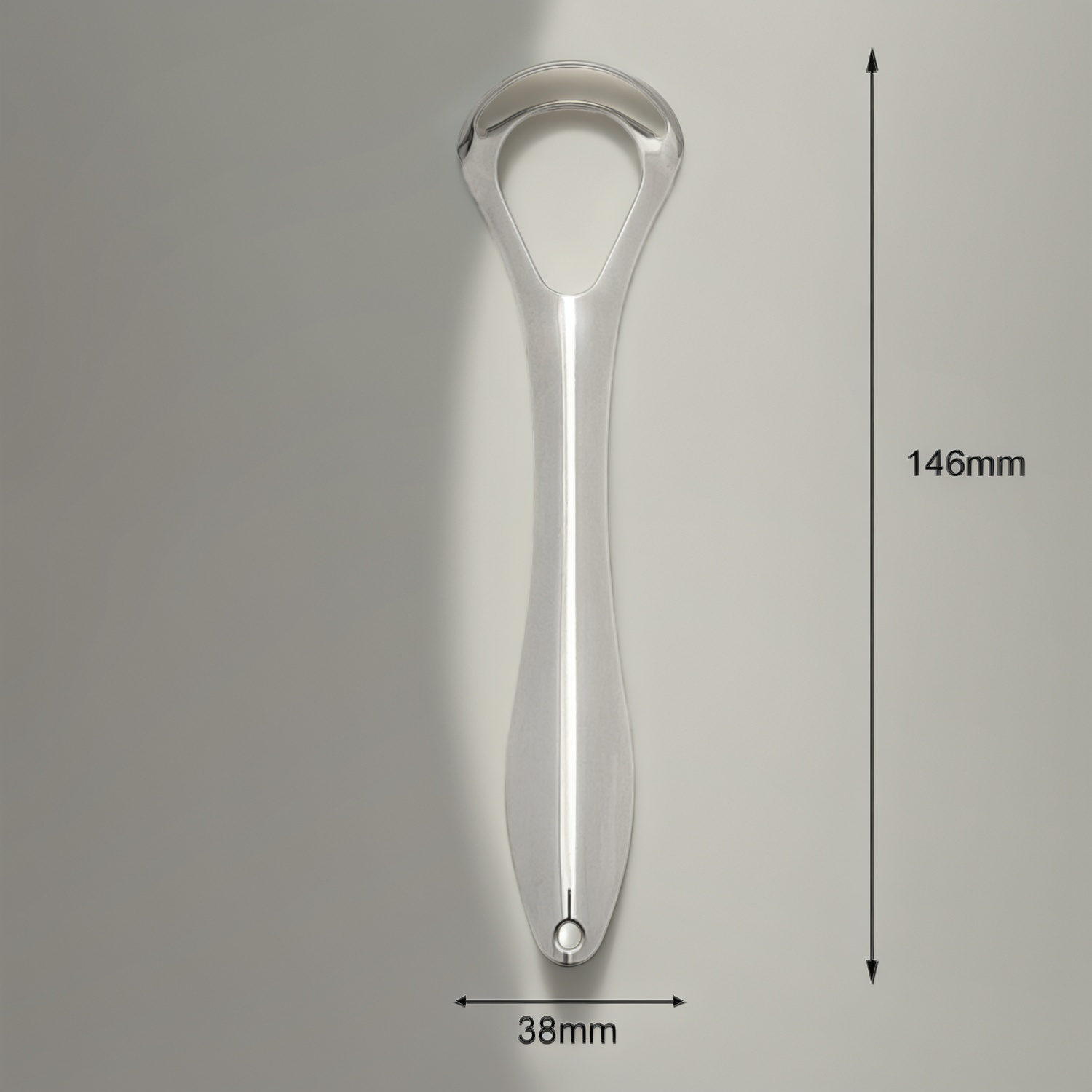
What Counts as a Spa Personal Care Tool?
In wholesale sourcing, the phrase spa personal care tools usually refers to non-cosmetic items used to support cleansing, grooming, facial care, body care, nail care or relaxation routines. These tools may be sold through beauty stores, spa supply channels, hotel amenity programs, e-commerce bundles, salon retail shelves or gift sets. The right mix depends on your customers and the way they use the product: professional service support, at-home self-care, travel, gifting or replenishment.
Because these items come into direct contact with the skin, nails or hair, buyers should review more than appearance. Handle shape, surface finish, usability, cleaning method, packaging protection and quality consistency all matter. A buyer serving salons may prioritize durability and easy sanitation. A retailer focused on home users may prioritize clear instructions, comfortable handling and attractive packaging. A distributor may need a balanced assortment that can fit different price bands without changing the core brand promise.
Why Wholesale Buyers Need Clear Selection Criteria
Wholesale decisions become easier when the product brief is specific. Instead of asking for general spa tools, define the expected use case, customer level and sales channel. For example, a tool intended for spa professionals may need to withstand frequent handling, while a consumer gift set may need a softer presentation and simple usage guidance. The more clearly you define the target market, the easier it is to evaluate samples and avoid unnecessary revisions.
Useful selection criteria include:
- Function: Identify the exact routine the tool supports, such as facial care, nail care, exfoliation, grooming or massage support.
- Grip and ergonomics: Check whether the tool can be held securely with dry hands and, where relevant, damp hands.
- Surface finish: Look for smooth edges, even finishing and no rough areas that could affect comfort.
- Cleaning and maintenance: Consider whether the product can be wiped, rinsed or dried easily based on its intended use.
- Packaging fit: Confirm that packaging protects the tool during shipping and also communicates the product value at retail.
- Assortment role: Decide whether the item is a hero product, add-on accessory, gift component or replenishment product.
These points help internal buying teams compare samples consistently. They also make communication with a manufacturer more efficient because feedback can be tied to product use rather than subjective preference.
Quality Considerations for Spa Tool Manufacturing
The current spa and beauty market is highly visual, but long-term product success depends on reliable quality. Olimor Beauty emphasizes rigorous quality checks, which is important for buyers planning wholesale distribution. For personal care tools, quality review should include both product performance and presentation. A tool may function correctly but still fail the retail test if packaging is damaged, instructions are unclear or the finish varies from batch to batch.
When reviewing samples or preparing a sourcing checklist, consider the following areas:
| Evaluation Area | What to Check | Why It Matters |
|---|---|---|
| Comfort | Grip, balance, edge smoothness and ease of handling | Improves user experience and reduces complaints |
| Consistency | Color, shape, finish and packaging alignment across samples | Supports brand trust in retail and wholesale channels |
| Durability | Resistance to normal handling, storage and shipping conditions | Helps reduce returns and product damage |
| Cleanability | Whether surfaces are easy to wipe, dry or maintain | Important for personal care and spa-related use |
| Retail readiness | Label space, packaging strength and instruction clarity | Makes the product easier to sell and explain |
A structured review like this is especially useful when you are comparing several tool types or preparing a product line for multiple sales channels. It prevents the buying process from focusing only on unit cost and gives your team a clearer reason for approving or rejecting a sample.
Cruelty-Free Positioning and Ethical Beauty Expectations
Many beauty consumers now look beyond the product itself and pay attention to how it is made, positioned and communicated. The original value of a spa personal care tool is practical, but ethical positioning can influence whether a retailer, salon or end user feels comfortable carrying it. Olimor Beauty is presented as a cruelty-free beauty tools manufacturer, which is relevant for brands building assortments around responsible beauty values.
For wholesale buyers, cruelty-free positioning should be treated as part of the overall product story rather than a decorative claim. Packaging, catalog descriptions and sales materials should be clear and consistent. If your market has specific documentation expectations, define those needs early in the sourcing process. Different countries and retail channels may use different language or require different support materials, so it is useful to align claims, labels and product descriptions before production planning begins.
Ethical positioning is also connected to product durability. A tool that lasts longer, is useful to the customer and is packaged appropriately supports more responsible consumption than a product selected only for short-term trend appeal. When building a wholesale spa assortment, choose items that fit real routines and can be explained honestly to the end user.
The Advantage of Working with a Personal Care Tools Manufacturer in Asia
Sourcing from a personal care tools manufacturer in Asia can offer practical advantages for global beauty businesses. Asian manufacturing networks are often familiar with varied beauty tool categories, packaging formats and export-oriented supply chains. For buyers, this can support efficient product development, broader assortment planning and access to competitive production options. The advantage is strongest when the buyer brings a clear brief and evaluates the manufacturer on communication, sample quality and quality management rather than location alone.
Olimor Beauty is positioned to serve global markets from Asia, which can be valuable for brands that need to coordinate product variety, cost control and ongoing replenishment. Still, the best results come from disciplined sourcing. Before committing to a wholesale order, prepare target specifications, desired packaging direction, expected sales channel and inspection expectations. This reduces ambiguity and helps both sides identify practical solutions.
Buyers should also consider logistics early. Spa tools may be lightweight, but packaging volume, carton strength and mixed-item assortments can affect shipping efficiency. A small change in packaging structure can influence storage, freight planning and shelf presentation. Aligning these details before production helps protect margins and reduce avoidable delays.
How to Build a Wholesale Spa Tool Assortment
A strong assortment is not simply a large list of products. It should reflect how your customers shop and how your sales team presents value. For a retail buyer, that may mean a tight selection of easy-to-understand tools with clear packaging. For a spa distributor, it may mean a deeper range that covers professional and at-home use. For an online brand, it may mean bundling complementary tools into themed routines.
Use this step-by-step approach when planning an assortment:
- Define the buyer persona. Decide whether you are serving salon professionals, home users, gift buyers, hotel clients or beauty retailers.
- Group products by routine. Organize tools around facial care, body care, nail care or grooming so the assortment feels logical.
- Choose entry and premium positions. Avoid too many similar items at the same price point unless they serve different uses.
- Review packaging needs. Consider hanging display, boxed retail, travel packaging or set packaging based on your channel.
- Test the product story. Make sure the benefit can be explained in one or two clear sentences without exaggerated claims.
- Plan replenishment. Identify which items are likely to be repeat sellers and which are seasonal or promotional.
This approach helps prevent assortment overlap and makes it easier for customers to understand why each item belongs in the range.
Maintenance, User Guidance and After-Sale Clarity
Even simple spa tools benefit from clear user guidance. Wholesale buyers should think about how the end user will clean, store and maintain the product. Instructions do not need to be long, but they should match the product type and avoid unsafe or unsupported claims. If the tool is intended to be dried after use, stored away from moisture or cleaned gently, that information should be easy to find.
Maintenance guidance also supports retailers and customer service teams. When users know how to care for a product, they are less likely to damage it through improper use. This is especially important for tools included in gift sets or sold online, where the customer may not receive an in-person explanation. Clear usage information can improve reviews, reduce preventable complaints and strengthen confidence in your brand.
Questions to Prepare Before Starting a Wholesale Project
Before contacting a manufacturer, prepare the information that will shape the project. This does not need to be overly technical, but it should be complete enough to guide product recommendations and sampling. Useful details include target market, expected retail channel, preferred packaging style, approximate assortment size, branding requirements and any compliance or documentation needs for your destination market.
If you are ready to compare options, you can send an inquiry with your project details or contact Olimor to discuss suitable spa personal care tools. Providing a clear brief helps the team respond with more relevant information and helps you evaluate products against your commercial goals.
Final Thoughts for Beauty Tool Buyers
Wholesale spa personal care tools should be selected with the same care as larger beauty products. Comfort, finish, packaging, maintenance, ethical positioning and manufacturing communication all influence whether the product succeeds in the market. Olimor Beauty offers a practical sourcing option for businesses seeking spa personal care tools wholesale, especially those interested in cruelty-free beauty tools and the advantages of Asian manufacturing.
The best sourcing outcome begins with a clear product brief and a structured review process. When you know who the tool is for, how it will be used and how it should be presented, it becomes easier to build an assortment that is useful, sellable and aligned with modern beauty expectations.
Tag: