

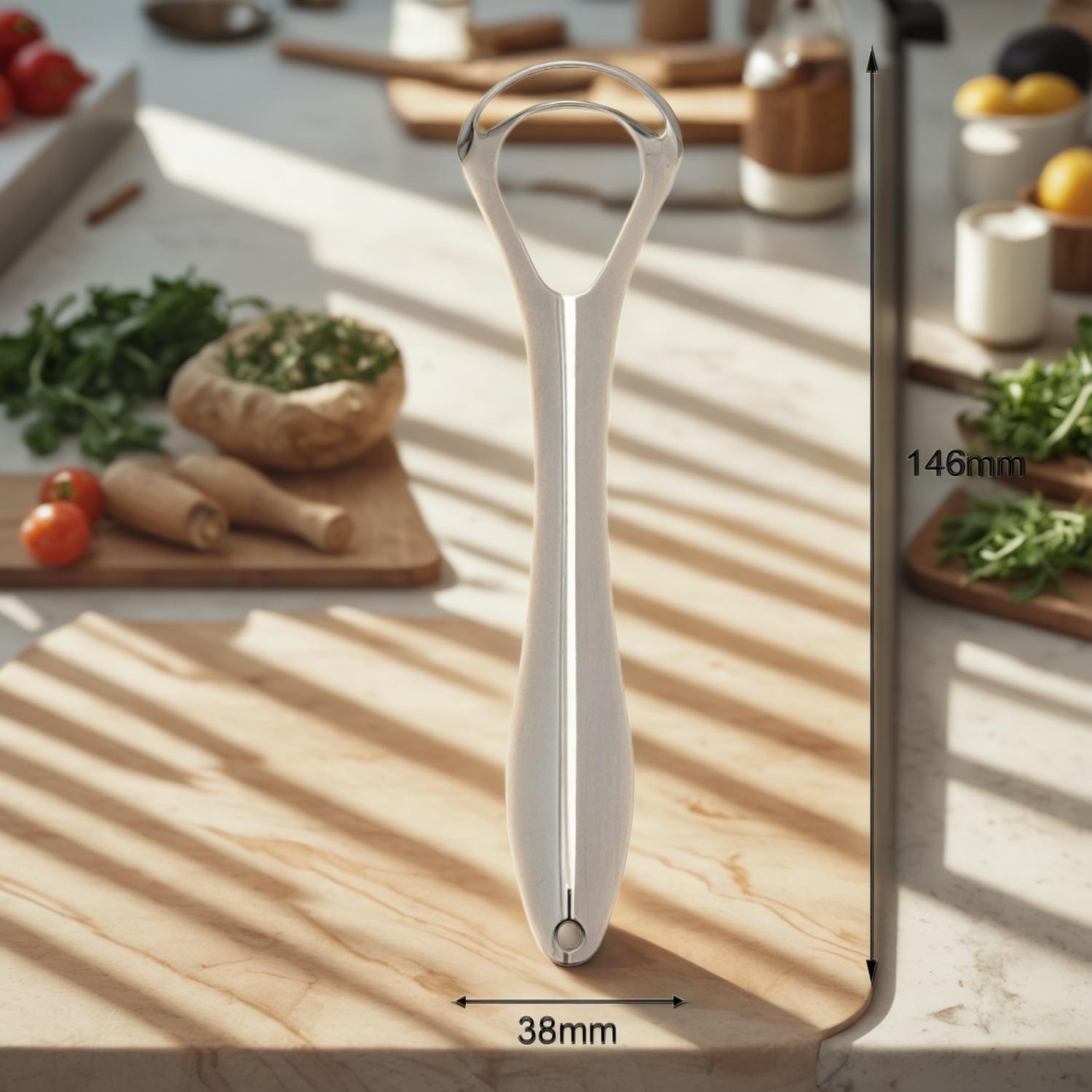
Spa Personal Care Tools Wholesale: How to Source Ethical, Reliable Beauty Tools
Buying spa personal care tools wholesale is not only a cost decision. For salons, spa chains, beauty retailers, hotel amenity buyers, and private-label brands, the right sourcing choice affects customer trust, treatment consistency, and repeat sales. A tool that feels balanced in the hand, is easy to clean, arrives in stable packaging, and supports your brand values can help your business offer a more dependable beauty experience.
Wholesale sourcing also creates risk when buyers focus only on unit price. A low-cost tool that bends, corrodes, scratches easily, or arrives with inconsistent finishing can increase returns and damage your reputation. Ethical sourcing adds another layer: consumers increasingly want cruelty-free beauty products and expect brands to consider responsible production choices. This guide explains how to evaluate spa and personal care tools for quality, usability, ethical positioning, and supplier fit without relying on vague claims.
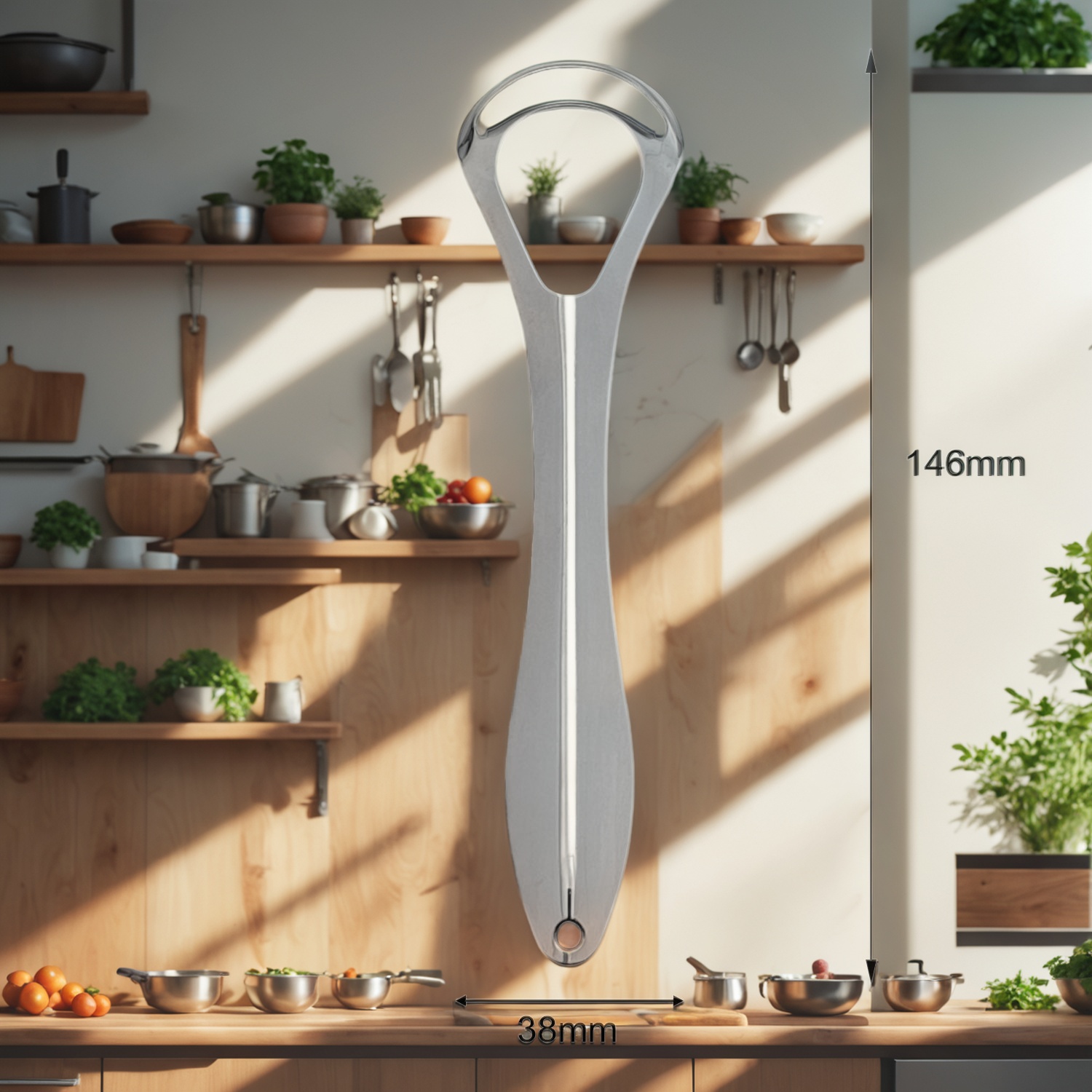
Why Wholesale Buying Works for Spa and Beauty Businesses
Wholesale purchasing is attractive because it allows businesses to plan inventory more efficiently, coordinate product presentation, and reduce the per-unit cost compared with small batch retail buying. For a salon or spa, this can mean consistent tools across treatment rooms. For a retailer, it can support a more complete product assortment. For a distributor, it can help maintain stock for different customer segments.
However, wholesale value should be measured across the full life of the product, not only the invoice price. Consider how tools will be used, stored, cleaned, displayed, shipped, and replaced. A beauty tool that performs reliably through repeated handling may be more cost-effective than a cheaper item with a shorter practical service life.
- Better inventory consistency: Wholesale ordering helps keep tool size, finish, packaging, and presentation aligned across locations or retail channels.
- More efficient merchandising: Coordinated tool families are easier to photograph, list online, and organize in store displays.
- Improved supplier communication: Working directly with a manufacturer or wholesale partner can make it easier to discuss packaging, labeling, and quality expectations.
- Potential margin control: Bulk purchasing can support pricing strategies, but only when quality and return rates are controlled.
If you are comparing options, start by reviewing relevant beauty tool products and narrowing the list by use case rather than appearance alone.
Ethical Sourcing and Cruelty-Free Beauty Tool Claims
For many buyers, a cruelty-free positioning is now part of the sourcing brief. With beauty tools, the issue can be different from cosmetics because many tools are not animal-tested products. Still, ethical claims should be handled carefully. A responsible wholesale buyer should check whether the supplier understands the difference between cruelty-free marketing language, material sourcing, finishing processes, packaging choices, and regulatory requirements in the target market.
When evaluating a cruelty-free beauty tools manufacturer, look for clear and practical communication. Avoid relying on broad statements that cannot be explained. Instead, build an internal sourcing checklist so your team can compare suppliers consistently. Useful topics include whether animal-derived components are used, how product-contact surfaces are handled, what packaging materials are available, and how claims can be supported in your sales channel.
Ethical buying also includes worker safety, stable production control, waste reduction, and honest marketing. A supplier that provides realistic answers is often more valuable than one that overpromises. If certain details are not yet available, define what must be confirmed before placing a larger order.
Quality Criteria That Matter for Personal Care Tools
Personal care tools are judged by how they feel and perform during close-contact use. Even simple tools should be comfortable, cleanly finished, and suitable for the setting in which they are sold. In spa environments, tools may be used repeatedly by trained staff; in retail, they may be handled by consumers with different levels of experience. Both situations require dependable quality.
Before approving a wholesale order, evaluate samples under realistic conditions. Do not assess the product only under studio lighting or in sealed packaging. Open the item, hold it, check the surface, clean it according to your normal process, and inspect it again. If it is part of a set, compare multiple units side by side for consistency.
| Quality area | What to check | Why it matters |
|---|---|---|
| Surface finish | Edges, polish, coating, visible marks, and burrs | Rough finishing can affect comfort and perceived quality |
| Hand feel | Grip, balance, weight, and control during use | Tools should feel stable without causing fatigue |
| Consistency | Shape, color, fit, and finish across multiple samples | Wholesale orders need predictable presentation |
| Cleaning suitability | Whether the design traps residue or is hard to wipe | Spa and personal care tools should be easy to maintain |
| Packaging protection | Movement inside packaging, scratches, labels, and carton strength | Good tools can still fail commercially if they arrive damaged |
For retail buyers, packaging is part of quality. A product may be well made but difficult to sell if the packaging does not communicate the use clearly. For spa operators, packaging may be less visible to the final customer, but protection during transport and storage remains important.
Manufacturing in Asia: Opportunities and Buyer Responsibilities
Asia is a major region for personal care tools manufacturing because of its established production networks, technical experience, and cost-efficient supply chains. For wholesale buyers, this can create access to a wide variety of tool types, finishes, and packaging formats. It can also make it easier to scale from a test order to broader distribution when the supplier relationship is stable.
At the same time, sourcing from any manufacturing region requires clear specifications. A vague request such as “premium quality” is not enough. Buyers should define the intended user, sales channel, cleaning expectations, packaging style, and acceptable cosmetic standards. The more specific the brief, the easier it is for the manufacturer to quote accurately and control production.
Olimor Beauty works in the beauty tools category and emphasizes quality assurance and ergonomic design in its product positioning. When comparing suppliers, use these qualities as practical evaluation points rather than slogans. Ask whether the tool is comfortable for its intended task, whether quality checks are built into production, and whether the packaging matches the way you will sell or distribute the item.
How to Build a Smarter Wholesale Sourcing Brief
A strong sourcing brief saves time for both buyer and manufacturer. It helps prevent misunderstandings about material, finish, packaging, labeling, and inspection. The brief does not need to be complicated, but it should include the information required to quote and sample properly.
- Define the sales channel: Spa professional use, retail shelf, e-commerce, gift set, distributor catalog, and hotel amenity programs may require different packaging and durability priorities.
- Describe the target customer: A professional esthetician may value grip and repeat-use reliability, while a retail buyer may prioritize instructions, finish, and display appeal.
- List the tool function: Explain how the item will be used and whether it will be sold alone or as part of a kit.
- Set visual standards: Include finish preferences, color direction, logo placement needs, and any areas where scratches or marks are unacceptable.
- Plan packaging early: Confirm whether you need protective sleeves, retail boxes, inserts, barcode space, or other presentation requirements.
- Clarify compliance needs: Requirements can vary by destination market and sales channel, so identify mandatory labeling or documentation before mass production planning.
If you are exploring broader assortments, Olimor’s product collections can help you think about how individual tools may fit into a coordinated buying plan.
Maintenance, Storage, and End-User Instructions
Wholesale buyers often focus on production and forget the instructions that help customers use the product properly. Clear care guidance can reduce complaints and improve the user experience. For spa personal care tools, maintenance instructions should be simple, accurate, and appropriate for the material and finish.
Good care communication may include wiping tools after use, drying them before storage, keeping sharp or delicate edges protected, and avoiding unsuitable cleaning methods that may damage the surface. If the tool has moving parts, special finishes, or decorative elements, the maintenance guidance should reflect that. Avoid making unsupported claims about sterilization or medical use unless the product is specifically designed and documented for that purpose.
Storage matters as well. Tools that rub against each other during shipping or daily use may develop cosmetic marks. For spas, organized trays or protective sleeves can help staff keep tools clean and easy to find. For retailers, packaging should prevent movement in transit and display the product without unnecessary handling.
When to Contact Olimor Beauty
The best time to discuss sourcing is before the product brief becomes fixed. Early communication can help identify practical manufacturing considerations, packaging limitations, and quality checkpoints. Whether you are buying for a spa chain, creating a retail assortment, or comparing suppliers for a private-label program, prepare your target market, quantity planning, packaging direction, and required timeline before starting the conversation.
For questions about suitable beauty tools, packaging options, or wholesale planning, you can contact Olimor. If you already have a purchasing brief or product list ready, you may also send an inquiry with your requirements for review.
Final Checklist for Wholesale Beauty Tool Buyers
Successful spa personal care tools wholesale sourcing depends on balancing price, function, appearance, ethics, and reliability. A supplier should be evaluated not only by a catalog image but by sample quality, communication clarity, packaging practicality, and alignment with your brand values. Cruelty-free positioning and ethical choices should be supported by careful sourcing questions, while quality should be confirmed through hands-on sample review.
Before approving a wholesale order, confirm that the product fits the intended use, feels comfortable, can be cleaned and stored properly, arrives in protective packaging, and is supported by realistic product information. This practical approach helps beauty businesses make better sourcing decisions and offer tools customers can trust.
Tag: