

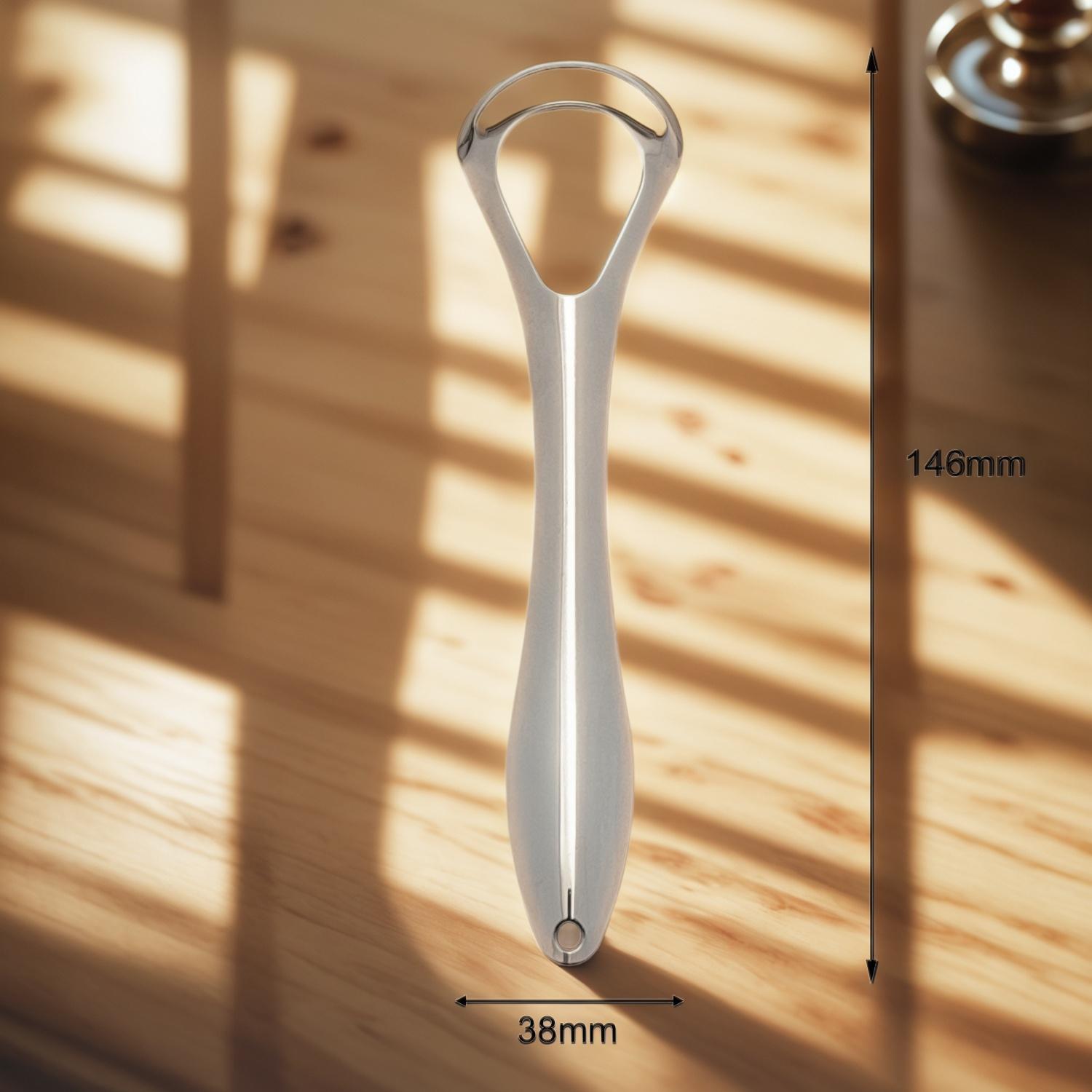
Wholesale Spa Personal Care Tools for Salon Buyers
Choosing spa personal care tools wholesale is not only a purchasing task. For salons, spas, beauty retailers and private-label buyers, the tools you select affect service flow, retail presentation, client trust and repeat purchasing. A tool may look simple, but daily use quickly reveals whether it is comfortable to hold, easy to clean, reliable in the hand and suitable for the level of service your customers expect.
Olimor Beauty supplies cruelty-free beauty tools manufactured with precision, with a focus on ergonomic design and dependable quality assurance. For professional buyers, the most useful approach is to evaluate tools from several angles at once: how they feel during use, how they support a clean service environment, how they fit your retail or salon positioning, and how consistently they can be sourced for ongoing business needs.
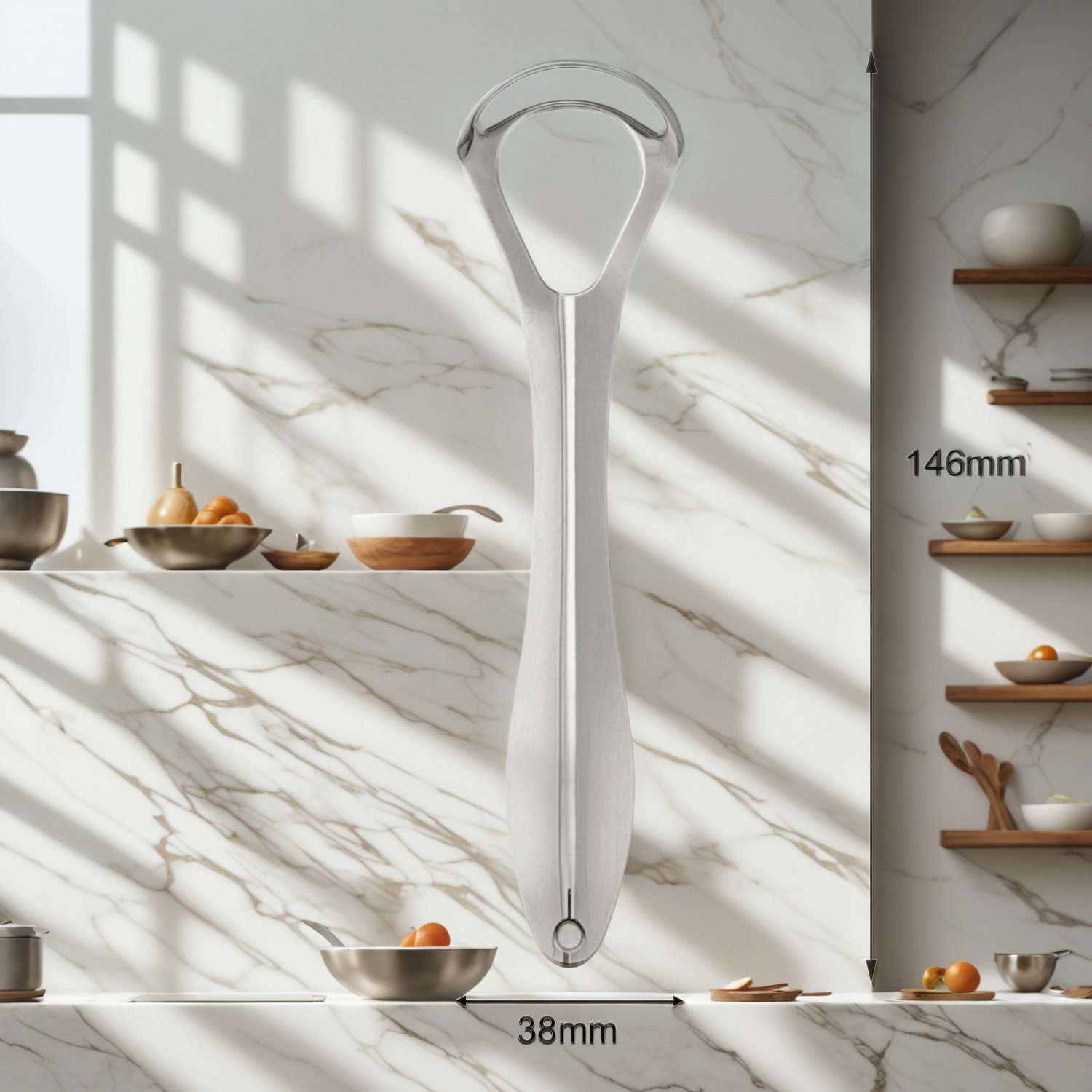
Who Should Buy Spa Personal Care Tools Wholesale?
Wholesale spa tools are a practical category for businesses that need consistency across multiple service stations, treatment rooms or retail displays. A single professional may only need a small kit, but commercial environments benefit from standardized tools that make training easier and keep the client experience consistent.
Typical buyers include day spas, nail and beauty salons, hotel spa programs, beauty retailers, online sellers, gift set developers and distributors serving local personal care markets. Each buyer has a different priority. A spa may focus on durability and sanitation routines, while a retailer may care more about shelf presentation, product explanation and customer-friendly packaging options. A distributor may need products that are simple to introduce across many account types.
Before placing a wholesale order, define the use case clearly. Are the tools for professional back-bar use, for retail resale, for promotional kits, or for a curated personal care collection? The answer influences which features matter most. A service tool may need excellent grip and easy handling for repeated daily work. A retail tool may need a clear benefit statement, attractive appearance and simple consumer instructions.
What Quality Means in Personal Care Tools
Quality in spa personal care tools is more than a polished surface. Professional buyers should look at how a tool performs throughout its working life. A well-made tool should feel balanced, avoid unnecessary sharp edges where they do not belong, and support smooth handling during detailed personal care tasks. Ergonomic design is especially important because technicians may repeat the same motion many times each day.
Olimor Beauty’s quality approach includes inspections from start to finish, supporting the reliability clients expect from wholesale beauty tools. For buyers, that kind of quality control matters because inconsistency creates real business costs: returns, staff complaints, interrupted services and uneven customer reviews.
When comparing spa tools, use a practical quality checklist rather than judging by appearance alone:
- Hand comfort: The tool should sit naturally in the hand without forcing an awkward grip.
- Functional finish: Surfaces should be appropriate for the tool’s purpose and comfortable during contact.
- Consistency: Samples should match the expected production appearance and handling as closely as possible.
- Cleaning suitability: Shapes should not create unnecessary hard-to-clean corners for routine salon care.
- Retail clarity: If sold to consumers, the tool’s purpose should be easy to understand without overpromising results.
Cruelty-Free Positioning and Today’s Spa Customer
Cruelty-free beauty tools are increasingly important to buyers serving conscientious consumers. In many markets, shoppers want personal care products that align with their values, and salons also want supply partners that support a responsible brand image. For tools, cruelty-free positioning can strengthen the story around the collection, especially when the products are part of a wider self-care or spa retail range.
For a salon or retailer, the key is to communicate this positioning clearly and responsibly. Avoid vague claims that cannot be explained. Instead, present cruelty-free tools as part of a thoughtful buying decision: practical, comfortable, well-inspected and aligned with modern consumer expectations. This is especially useful when building gift sets, spa take-home kits or merchandising displays where customers compare several options quickly.
Buyers should also consider how cruelty-free messaging appears alongside other product details. A strong retail presentation may include the tool type, basic use guidance, cleaning reminders and the cruelty-free statement in a balanced way. The goal is to help customers feel informed, not overwhelmed.
How to Select Tools for Salon Service Versus Retail Sale
Service tools and retail tools often overlap, but they are not always evaluated in the same way. A treatment room tool must withstand repeated use by trained staff. A retail tool must be easy for a customer to understand and use at home. When buying spa personal care tools wholesale, separating these two purposes helps you build a more effective assortment.
| Buying Factor | Salon Service Use | Retail or Take-Home Use |
|---|---|---|
| Primary goal | Consistent performance during treatments | Clear value for the end customer |
| Handling | Comfort for repeated professional use | Simple grip and intuitive operation |
| Presentation | Easy storage and station organization | Appealing display and understandable use case |
| Training need | Suitable for staff procedures | Suitable for basic consumer guidance |
| Reorder planning | Replacement for daily-use tools | Seasonal, promotional or ongoing retail demand |
If you are building both service and retail assortments, consider testing tools in the treatment environment first. Staff feedback is valuable because technicians notice details that may not be obvious during a quick visual review. For retail, observe whether customers can quickly understand the benefit and whether the tool fits your price and display strategy.
Sourcing From a Personal Care Tools Manufacturer in Asia
Working with a personal care tools manufacturer in Asia can support a broad sourcing strategy, particularly for buyers who need variety, repeat supply and manufacturing experience in beauty accessories. The most important step is to make your requirements specific. Clear specifications reduce confusion and help both sides evaluate whether a product is suitable for your market.
A practical sourcing brief may include the product category, intended user, expected sales channel, packaging needs, visual preferences, quality expectations and any claim language you plan to use. When details such as material grade, certification or testing are essential for your market, include those requirements in your buyer checklist and confirm them before moving forward.
Use this simple process when reviewing wholesale spa tools:
- Define the application: Decide whether the tool is for professional service, consumer retail, gift sets or distribution.
- Review appearance and handling: Check shape, balance, surface feel and overall user comfort.
- Confirm quality expectations: Align on inspection points, acceptable finish and consistency requirements.
- Plan packaging and instructions: Make sure the customer understands how to use and care for the tool.
- Evaluate reorder needs: Consider whether the item will be a one-time promotion or a long-term stock product.
You can explore related beauty tool products to compare categories and identify which items fit your service menu or retail plan. For buyers developing a broader range, Olimor’s product collections can help organize selection by use case and merchandising direction.
Maintenance, Hygiene and Staff Training Considerations
Even the best wholesale spa tools need proper care in daily use. A salon environment should have clear handling, cleaning and storage routines that match local regulations and the specific tool type. Tools should be stored in a way that prevents unnecessary contact damage, keeps treatment areas organized and supports a professional appearance for clients.
Staff training should include more than how to use the tool. It should cover when not to use it, how to inspect it before service, how to clean it according to the salon’s routine and when to remove it from use. Small signs of wear can affect customer perception, even if the tool still functions. For retail tools, simple care instructions help reduce misuse and support customer satisfaction after purchase.
For multi-location salons or distributors, standardization is especially valuable. When teams use similar tools and follow similar care procedures, the customer experience becomes easier to manage. It also simplifies reorder planning because replacement items can be selected from an established list rather than chosen at random each time.
Building a Better Wholesale Inquiry
A strong inquiry helps you receive more relevant product recommendations. Instead of asking only for a general price list, describe your business model and buying goal. Include whether you serve salons, retailers, online shoppers or distributors. Mention the type of spa personal care tools you are considering and whether your priority is professional use, resale, gifting or a complete personal care range.
Useful inquiry details include target market, preferred tool categories, packaging direction, expected order timing, compliance needs for your market and any required product claims. If you already have a sample benchmark, describe what you like and dislike about it. This helps narrow the selection and avoids wasting time on products that do not fit your customer base.
Wholesale success depends on choosing tools that are comfortable, reliable, appropriate for your brand positioning and clear for the end user. Olimor Beauty’s focus on cruelty-free beauty tools, ergonomic design and quality inspection makes it a practical sourcing option for buyers who want personal care tools that support both professional services and retail sales. To discuss a buying project, contact Olimor or send an inquiry with your product requirements and intended use.
Tag: