

B2B Beauty Supplies for Salons: How to Source Custom Nail Clippers with Confidence
For salons, spas, nail studios, distributors and private-label beauty businesses, B2B beauty supplies are not only items on a shelf. They influence service quality, retail reputation and repeat purchasing. A nail clipper may look simple, but professionals notice the details: how cleanly it cuts, whether it feels secure in the hand, how it fits into a grooming kit and whether the packaging reflects the buyer’s brand position.
Olimor Beauty provides beauty tools for professional and business buyers, including nail clippers and grooming kits. For companies exploring nail clipper ODM or custom made nail clippers, the most useful starting point is not a catalog alone. It is a clear sourcing plan: what the tool must do, who will use it, how it will be branded and what quality points need to be checked before the order moves forward.
This guide explains how to evaluate B2B beauty supplies for salon and distribution use, with practical attention to custom nail clippers, branding options, handling comfort and quality control.
Why Professional Buyers Treat Nail Clippers as Core Beauty Tools
Nail clippers are small, affordable tools compared with furniture, machines or large salon systems, but they are used frequently and judged quickly. A clipper that pulls, slips or leaves a rough edge creates frustration for technicians and end users. In retail channels, a weak clipper can also lead to returns or negative reviews, even if the rest of the grooming kit is well designed.
For salons, a reliable clipper supports smoother services and faster grooming preparation. For distributors, it can become a repeatable item that fits multiple sales channels, from professional supply stores to spa retail shelves. For private-label brands, custom made nail clippers can help create a more complete personal care line without building an entire manufacturing operation from the ground up.
The sourcing question is therefore not simply “Which clipper is cheapest?” A better question is: “Which clipper is suitable for the intended user, brand promise and sales channel?” That shift helps buyers compare options based on performance, comfort, consistency and presentation.
What Nail Clipper ODM Means for B2B Beauty Supplies
Nail clipper ODM services allow a business to develop branded products based on an experienced supplier’s product development and manufacturing knowledge. Instead of starting with a blank engineering file, buyers can work with available design experience and customization possibilities to create a tool that suits their market.
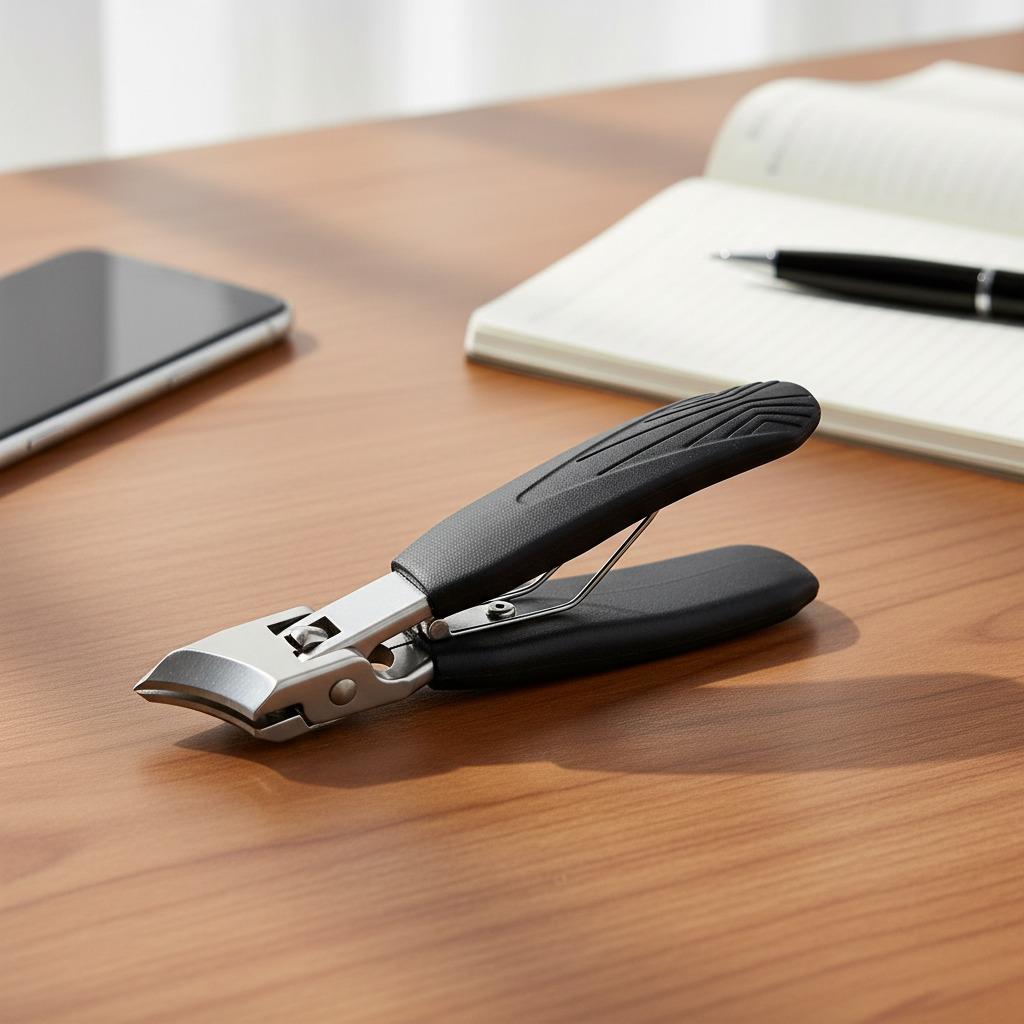
In the context of Olimor Beauty, the supplied product information highlights several useful features for professional buyers: nail clippers may incorporate stainless steel blades for sharp, clean cuts, ergonomic handles made from durable non-slip materials, and curved edges that follow the natural nail contour. These points matter because they connect directly to user experience. A clean cut helps reduce rough nail edges, a stable handle supports control and a curved cutting edge can make the tool feel more natural during use.
ODM can also simplify planning for distributors and brands that need consistent products across repeated orders. Rather than managing separate vendors for tool structure, finish and packaging, buyers can discuss the complete product direction with one beauty tool partner. If you are comparing available beauty tool products, keep the ODM conversation focused on the practical details that affect customer satisfaction.
Selection Criteria for Custom Made Nail Clippers
Custom made nail clippers should be selected according to actual selling and service conditions. A salon tool used by technicians all day may need a different handling feel than a retail clipper placed in a travel grooming kit. A distributor selling to professional nail studios may prioritize durability and cutting consistency, while a lifestyle brand may pay closer attention to packaging and visual finish.
Use the following checklist to structure the selection process:
- Cutting performance: Confirm that the blade design supports a sharp, clean cut and does not crush or tear the nail during normal use.
- Blade material: Stainless steel blades are specifically noted in the product information and are commonly valued for grooming tools because buyers associate them with clean cutting performance and practical maintenance.
- Edge shape: Curved edges that follow the natural nail contour can help users make smoother cuts with less repositioning.
- Grip and control: Ergonomic handles with durable non-slip materials are important for professional handling, especially when tools are used repeatedly.
- Target user: Define whether the clipper is for salon technicians, spa retail, travel kits, gift sets, distributors or general consumer personal care.
- Brand presentation: Consider logo placement, finish direction, packaging format and how the tool fits with other items in the product line.
- Inspection points: Check alignment, opening and closing feel, blade sharpness, surface finish and packaging condition before accepting production.
This type of checklist prevents buyers from making decisions based only on appearance. It also gives purchasing, branding and quality teams a shared language when evaluating samples.
Branding Decisions That Affect the Final Product
Customization is most successful when brand decisions are made early. A custom made nail clipper can support many types of business goals: adding a private-label retail item, completing a grooming kit, supplying salons with branded service tools or creating a promotional product for a beauty business. Each use case requires a different level of attention to design, packaging and perceived value.
For example, a professional salon may prefer a clean and simple design that is easy to identify in a workstation. A distributor may want packaging that explains the tool clearly for wholesale customers. A private-label beauty brand may want the clipper to match an existing collection of tweezers, scissors, files or grooming accessories. If the tool will be sold online, product photography and packaging clarity become especially important because customers cannot test the cutting feel before purchase.
When reviewing custom options, avoid changing details only for decoration. A finish, handle texture or package insert should support the product’s purpose. If a design choice makes the clipper harder to grip, harder to clean or less clear to the buyer, it may weaken the product even if it looks distinctive. The best B2B beauty supplies combine recognizable branding with practical use.
Quality Control Points from Raw Materials to Packaging
Olimor Beauty’s supplied product information refers to stringent internal quality control from raw materials to packaging. For B2B buyers, this is a key part of reducing risk. Quality should not be checked only at the end of production, because late discovery of problems can affect delivery timing, packaging plans and customer commitments.
A practical quality review for nail clippers should include several stages. At the material and component stage, buyers need confidence that the blade and handle choices match the approved sample direction. During production, cutting alignment and hinge movement should remain consistent. At final inspection, the product should be checked for cutting feel, surface condition, cleanliness, packaging fit and labeling accuracy.
The following table can help purchasing teams organize their review:
| Checkpoint | What to Review | Why It Matters |
|---|---|---|
| Blade and cutting edge | Sharpness, alignment and smooth cutting action | Directly affects user satisfaction and professional performance |
| Handle design | Grip, comfort and non-slip handling | Supports control during repeated salon or personal use |
| Surface finish | Visible marks, rough edges and finish consistency | Influences perceived quality and retail presentation |
| Branding | Logo position, clarity and consistency with approved artwork | Protects brand identity across batches |
| Packaging | Fit, protection, print accuracy and product cleanliness | Reduces damage risk and improves shelf or delivery experience |
How Different B2B Buyers Can Use Custom Nail Clippers
The same core tool can serve different business models when the sourcing plan is clear. Salons may use custom nail clippers as part of in-house service kits or sell them at reception as practical aftercare items. Spas may include them in personal grooming sets for guests. Distributors can offer them as dependable additions to broader beauty tool assortments. Private-label brands can use them to complete a personal care category without introducing overly complex product lines.
For buyers building a broader assortment, it is helpful to view nail clippers alongside related tools instead of as a single isolated SKU. This approach supports consistent packaging, similar quality expectations and easier merchandising. You can browse Olimor’s product collections to think about how clippers may fit with grooming tools, salon accessories or branded beauty tool programs.
Another useful planning step is to decide whether the clipper will be sold alone or as part of a set. A standalone retail product may need stronger package communication and a finish that catches attention. A kit component should match the rest of the set in function and appearance. In either case, the tool must still perform well; packaging can attract the first purchase, but cutting quality supports repeat business.
Questions to Prepare Before Starting a B2B Beauty Supply Project
Before requesting samples or discussing customization, prepare the details that affect product direction. Clear information helps both sides avoid vague assumptions and shortens the path from concept to approval.
- Who is the end user: salon professionals, distributors, spa guests, retailers or general consumers?
- Will the nail clipper be sold individually, used in services or included in a grooming kit?
- What handling qualities are most important: compact size, secure grip, curved cutting edge, premium feel or simple daily use?
- What branding elements are required, such as logo placement, color direction or packaging artwork?
- What inspection points will your team use to approve samples and production goods?
- How will the product be stored, displayed, shipped and explained to customers?
These questions are not only for large distributors. Even a smaller salon or emerging private-label brand benefits from defining the product role before choosing a design. A precise brief makes it easier to compare options and avoid unnecessary changes later.
Working with Olimor Beauty on Custom Nail Clipper Sourcing
B2B beauty supplies perform best when they are selected with the end user, brand position and quality expectations in mind. For nail clipper ODM and custom made nail clippers, Olimor Beauty focuses on practical tool features such as stainless steel blades, ergonomic non-slip handling, curved cutting edges and quality control from raw materials through packaging.
If your business is planning a salon tool program, retail grooming kit or private-label nail clipper project, prepare your target market, preferred product use and branding requirements before the first discussion. This helps turn a general sourcing request into a product plan that can be reviewed, sampled and refined.
To discuss suitable B2B beauty supplies for your channel, you can contact Olimor or send an inquiry with your project details. A focused sourcing process gives your team a stronger chance of choosing beauty tools that look professional, work reliably and fit the way your customers actually use them.
Tag: