

Custom Logo Tweezers for Beauty Brands: A Practical Sourcing Guide
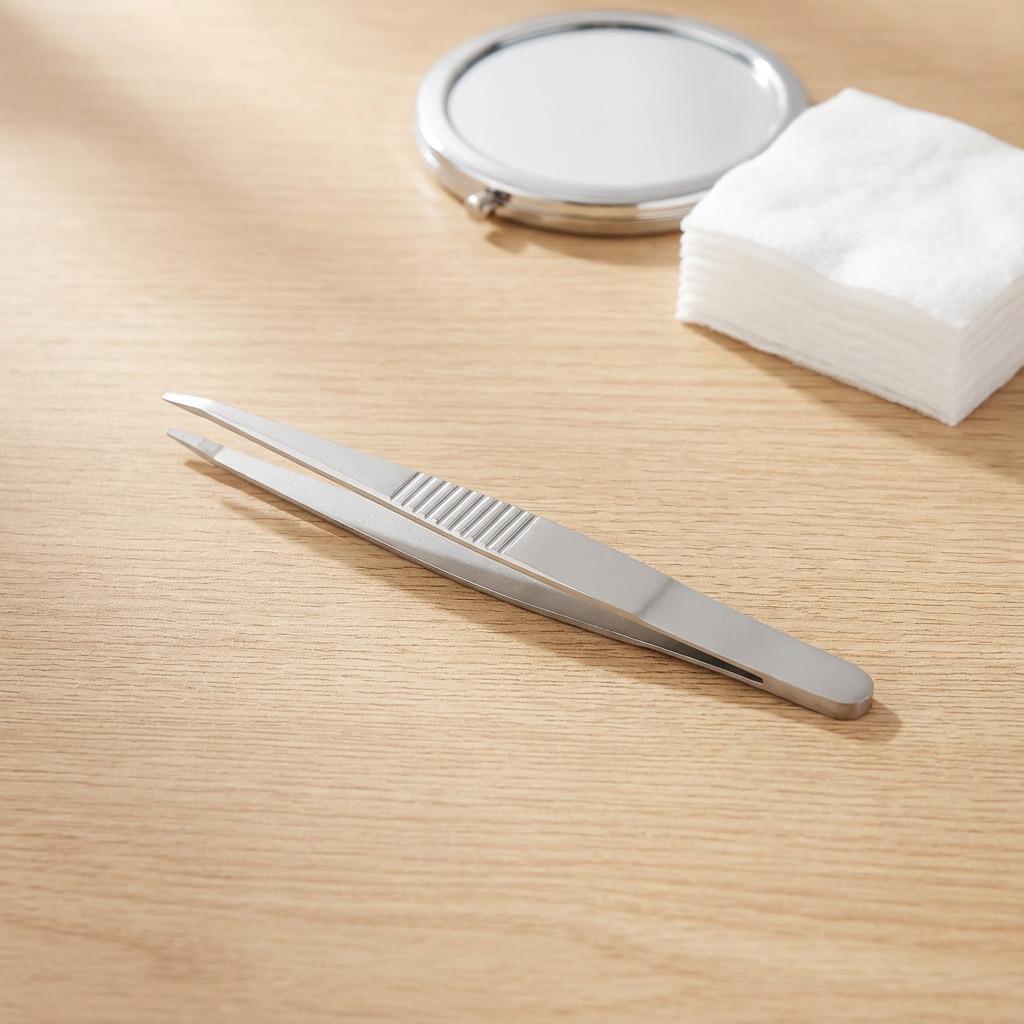
Custom logo tweezers are small products, but they carry a brand’s promise every time a customer uses them. For beauty retailers, salons, brow studios, gift set developers and private label buyers, tweezers need to do more than look neat in packaging. They should grip reliably, feel balanced in the hand, resist everyday wear and present the logo clearly without making the tool look crowded or cheap.
Olimor Beauty works in the beauty tools category where practical performance matters as much as appearance. The original product details for this page highlight stainless steel construction, ergonomic design, 115mm models, a light 14 gram weight and micro-serrations for grip. Those points are useful because they connect directly to how a tweezer feels and functions in real use. This guide explains how to evaluate custom logo tweezers for branding programs without relying on vague claims or decorative language.
Where Custom Logo Tweezers Fit in a Beauty Product Line
Tweezers are often used as add-on products, entry-level retail items, salon accessories, travel kit components or part of a wider private label beauty tool range. Their compact size makes them suitable for counter displays, brow care sets, promotional kits and online bundles. However, the low unit size can lead some buyers to treat them as simple promotional items. That is a mistake if the tool will be used on the face, around brows or for detailed grooming.
A well-selected custom tweezer can support repeat brand exposure because it may stay in a makeup bag, treatment room or bathroom cabinet for a long time. A poorly selected one creates the opposite effect: tips that do not meet evenly, a grip that slips, or a finish that wears too quickly can make the logo visible for the wrong reasons.
Before choosing a design, clarify the purpose. A salon-focused tweezer may prioritize grip, tip alignment and comfort during repeated use. A retail gift set may need stronger visual presentation and consistent packaging. A promotional beauty item may focus on clean branding while still meeting basic functional expectations. Buyers can review related beauty tool products to compare how tweezers fit alongside other grooming tools in a product range.
Key Product Details to Evaluate Before Adding a Logo
Logo placement should come after the base tweezer has been evaluated. A clear logo cannot compensate for weak alignment or uncomfortable handling. When comparing custom logo tweezers, use the product’s physical details as the starting point.
- Material: Stainless steel is a common choice for beauty tweezers because it supports durability and routine cleaning. Confirm the intended finish and how it will be maintained during normal use.
- Length: The supplied product information mentions 115mm models. This size can provide enough hand contact for controlled brow grooming while remaining compact for retail packaging.
- Weight: A listed weight of 14 grams suggests a lightweight tool. Weight affects handling, especially when the tweezer is used repeatedly in a salon or brow bar setting.
- Grip texture: Micro-serrations can help reduce slipping. This is especially useful when the user is working with fine hairs or using the tool after handling skincare or cosmetic products.
- Tip meeting point: The most important functional check is whether the tips meet evenly. Even a visually attractive tweezer will disappoint if it cannot grasp fine hairs cleanly.
- Finish durability: Corrosion-resistant finishes are mentioned in the original product information. For buyers, the practical question is how the finish holds up to routine handling, cleaning and packaging contact.
These checks should be considered before artwork approval. If the base tool is not right, the custom logo process only makes the problem more visible.
Choosing a Logo Method and Placement That Looks Professional
On a tweezer, available branding space is limited. A logo that works well on a carton or website may need adjustment before it can be applied to a narrow metal surface. Thin lines, small text and complex icons can lose clarity. For best results, prepare simplified artwork and decide whether the priority is brand recognition, retail visibility or a subtle professional look.
Logo placement should not interfere with grip. If micro-serrations or textured grip areas are part of the design, branding should avoid areas where frequent finger contact may reduce visibility over time. Placement on the flat outer arm is often more practical than attempting to brand near the working tips. The final choice depends on the tweezer shape and finish.
Buyers should also consider contrast. A dark mark on a polished or satin metal surface may read clearly, while a low-contrast logo can look refined but be harder to see in e-commerce photos or retail displays. If the tweezer is intended for a set, the logo style should align with other tools, inserts and outer packaging. For assortment planning, browsing Olimor product collections can help buyers think about consistency across multiple beauty tools rather than treating tweezers as a standalone item.
How to Match Tweezers to Different Use Cases
Not every custom logo tweezer should be specified the same way. The right choice depends on the user, sales channel and expected handling. A buyer preparing a brow kit for professional use will evaluate differently from a brand building a travel accessory set.
| Use case | What to prioritize | Practical buyer check |
|---|---|---|
| Brow grooming retail item | Tip alignment, comfortable length, clean logo visibility | Test whether the tweezer grips fine hairs without excessive pressure |
| Salon or brow studio use | Grip control, ergonomic feel, finish resistance | Have multiple users handle the sample during repeated motions |
| Gift set component | Consistent appearance, packaging fit, brand presentation | Check how the tweezer sits in the tray, pouch or insert |
| Travel kit accessory | Compact storage, protective packaging, safe tip coverage | Confirm that tips are protected during transport and retail handling |
| Craft or detailed precision tasks | Fine tip control and hand stability | Evaluate control on small objects, not only on brow hair |
This kind of use-case mapping prevents overdesign. For example, a minimalist logo and reliable tip protection may matter more for a travel kit than a highly decorative finish. For a professional brow environment, hand feel and gripping consistency may matter more than a large visible logo.
What to Expect from a Tweezers Exporter and Factory Relationship
When sourcing custom logo tweezers for more than a one-time order, the supplier relationship becomes part of the product quality plan. A capable tweezers exporter should support clear communication on artwork, sampling, packaging, inspection points and shipping documentation. Factory-direct sourcing may also make customization easier because feedback can be connected more closely to production decisions.
That does not mean buyers should accept broad promises. Instead, use a structured checklist. For custom logo tweezers, useful questions include: What artwork format is needed? Where can the logo be placed without affecting grip? How will samples be reviewed before bulk production? What packaging options protect the tips? What inspection points are used for tip alignment, surface finish and logo clarity? How are mixed product ranges handled if the tweezers are part of a larger beauty tool program?
Olimor Beauty is presented as a tweezers exporter and supplier with attention to stainless steel construction, ergonomic designs and quality assurance from materials to packaging. For buyers, the important next step is to connect those capabilities to the exact selling plan: retail display, salon supply, online kit, promotional set or private label assortment. If you are preparing a custom program, you can send an inquiry with artwork, target use case and packaging expectations so the conversation starts with practical details.
Sample Review: Small Details That Prevent Larger Problems
A sample review should be more than a quick look at the logo. Tweezers are precision tools, so a few minutes of careful checking can prevent disappointing retail feedback. Review samples under normal lighting and also under the type of lighting used for e-commerce photography, because reflections on metal can affect how the logo appears.
- Check tip alignment. Close the tweezer slowly and confirm the tips meet evenly. Test on fine hair or a similar small fiber if appropriate.
- Assess pressure. The tweezer should close with control, not feel too stiff or too weak for the intended user.
- Review grip areas. If the design includes micro-serrations, hold the tweezer with dry and slightly product-treated hands to understand slip resistance.
- Inspect logo clarity. Make sure edges are clean, scale is appropriate and the mark is positioned consistently.
- Test packaging fit. Confirm the tool does not shift excessively and that the tips are protected from bending or scratching.
- Compare multiple samples. Look for consistency rather than judging only the best single piece.
Document comments with photos and simple notes. Mark whether the issue is functional, cosmetic or packaging-related. This makes it easier to resolve priorities before production.
Maintenance Guidance to Support End Users
Including basic care instructions can improve customer satisfaction and reduce misuse. Stainless steel tweezers should still be stored dry, kept away from unnecessary impact and protected at the tips. Users should avoid dropping the tweezer into a crowded makeup bag without a sleeve or cap, because tip damage can affect precision even if the rest of the tool looks fine.
For beauty retail, a simple instruction card or packaging note can explain that the user should wipe the tool after use, dry it before storage and keep the tips covered. Avoid overcomplicating the message. Clear maintenance guidance is especially helpful when the tweezers are sold as part of a brow kit or travel set where consumers may not think about protecting the tips.
Building a Custom Tweezer Program with Olimor Beauty
Custom logo tweezers are most successful when product performance, branding and packaging are planned together. Start with the intended user, confirm the base tool details, simplify the artwork, review samples carefully and make sure packaging protects the working tips. The result is a branded beauty tool that can support retail sales, salon operations or private label programs without feeling like a disposable giveaway.
For brands comparing options, Olimor Beauty can be considered for custom logo tweezers and related beauty tools. Share the intended channel, logo file, preferred presentation and any functional priorities so the project can be evaluated with the right criteria. To discuss a program or clarify product details, contact Olimor and prepare the information needed for a practical sourcing conversation.
Tag: