

How to Choose a Reliable Tweezers Supplier for Precision Beauty Tools
Choosing a reliable tweezers supplier is a product quality decision, not just a purchasing task. For beauty brands, distributors, salon suppliers and retail buyers, tweezers may look simple, but customers notice their performance immediately. A tweezer that grips fine hairs cleanly, feels balanced in the hand and keeps its tip alignment supports trust in the wider beauty range. A tool that slips, pinches unevenly or arrives with scratched finishing can create complaints even when the rest of the product line is strong.
The right supplier evaluation process should answer two questions at the same time: Will the tweezers perform well for the end user? and Can the supplier repeat that quality across production? Olimor works with beauty tool buyers who need practical products for retail, salon, private label, travel and grooming assortments. Buyers can review broader beauty tool options through the Olimor product range when planning how tweezers fit within a complete program.
What Makes a Tweezers Supplier Reliable?
A reliable tweezers supplier is not defined by a single attractive sample photo. Reliability comes from repeatable production, clear communication, realistic customization advice and inspection points that match how the tool will be used. For tweezers, the most important quality detail is usually the tip: the two arms must meet evenly, hold enough tension and grip fine hairs without unnecessary force.
Supplier reliability also includes the ability to discuss the full commercial product. A tweezer is more than a metal tool; it includes material choice, surface finish, grip texture, packaging protection, labeling, presentation and consistency from sample to bulk order. Retail buyers may focus on appearance and shelf appeal, while professional beauty suppliers often care more about alignment, tension and comfort during repeated use. A strong supplier should help connect those market needs with practical product details.
When comparing a tweezers manufacturer in China or any beauty tool sourcing partner, avoid vague claims such as premium quality without evidence. Ask how alignment is checked, how finishes are reviewed, what customization options are realistic, and how pre-production samples compare with bulk production expectations. If a supplier cannot explain basic inspection points, the risk of inconsistent goods is higher.
Key Tweezer Quality Points to Check Before Ordering
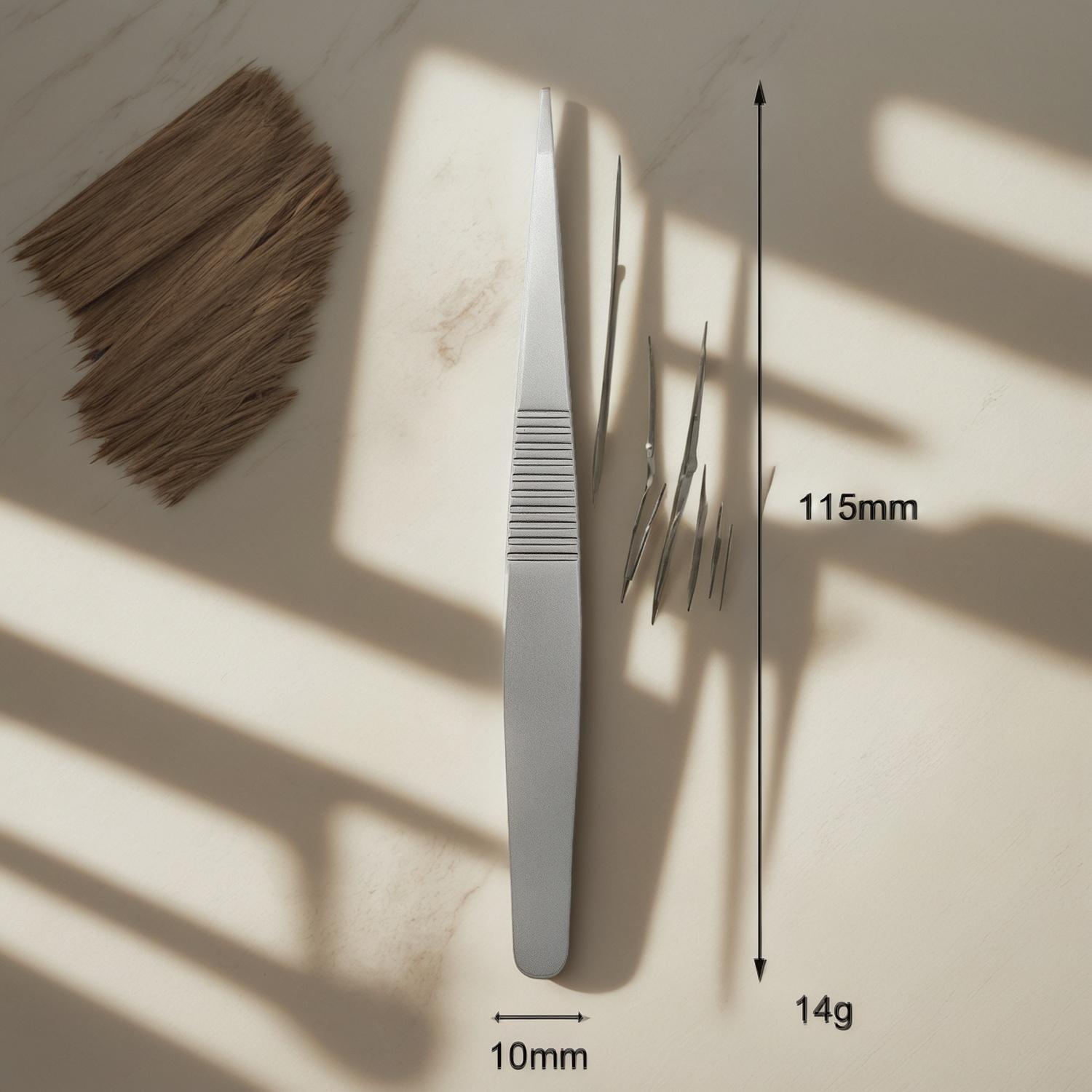
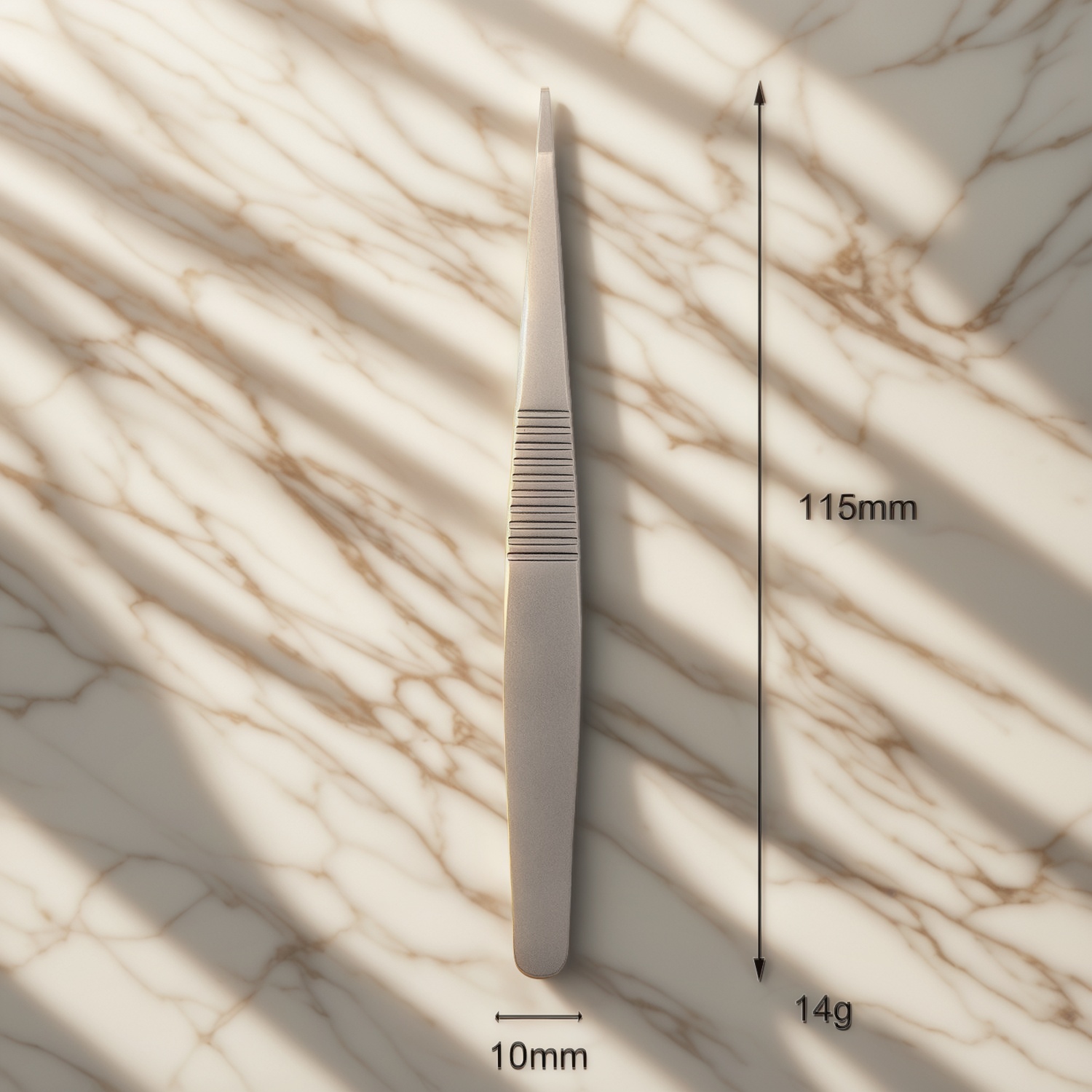
Beauty buyers should evaluate samples with practical, repeatable checks instead of relying only on catalog descriptions. Olimor product information includes examples such as 115mm premium-grade tweezers with an ergonomic design and a lightweight 14 gram build, as well as LuxePro Gradient Tweezers described with fine aligned tips, stainless steel construction, a no-slip textured grip and a gold-to-pink gradient finish. These details show the main quality areas buyers should review: precision, usability, durability, finish and packaging protection.
Tip alignment and gripping accuracy
The tips should meet evenly without a visible gap or crossing. Poor alignment reduces gripping accuracy and can make the user pull repeatedly at the same hair. Buyers should check several samples, not only one selected unit. If multiple samples vary noticeably, ask the supplier how tip alignment is controlled during production and final inspection.
Tension and hand comfort
The arms should open and close smoothly. If the tension is too loose, the tool may feel weak and fail to grip fine hairs. If it is too stiff, the hand can tire quickly, especially in salon or brow specialist environments. Good tension should feel controlled and predictable rather than harsh.
Material and surface condition
Stainless steel is commonly valued for beauty tweezers because it supports durability and everyday cleaning. Buyers should still confirm the material specification with supplier documentation instead of assuming all stainless steel products are identical. Inspect samples for scratches, stains, burrs, uneven polishing, rough edges or inconsistent decorative coating.
Grip, ergonomics and size
Grip design affects control. A textured or no-slip grip can help when precise work is needed or when hands are slightly damp. Ergonomic shape, length and weight should match the intended user. A 115mm tweezer, for example, provides enough body for a stable hold while remaining compact for beauty use. A 14 gram tool may suit buyers looking for a lightweight feel, but balance matters more than weight alone.
Packaging protection
Tweezer tips can bend, rub or become dull if packaging does not protect them. This is especially important for travel kits, e-commerce shipments and retail displays where products may be handled multiple times. Check whether the tool sits securely in its insert, pouch, sleeve or box, and whether any tip cover stays in place during movement.
Buyer Checklist for Comparing Tweezers Suppliers
The following checklist helps buyers compare supplier offers in a structured way. It can be used during sample review, supplier discussions or internal product approval meetings.
| Evaluation Area | What to Check | Why It Matters |
|---|---|---|
| Tip alignment | Tips meet evenly without gaps, crossing or uneven pressure | Central to gripping fine hairs and reducing user frustration |
| Tip finish | Edges are precise but not rough, jagged or unsafe for normal grooming use | Protects user comfort and product reputation |
| Tension | Arms close smoothly with consistent spring across several samples | Affects control, fatigue and perceived quality |
| Material confirmation | Supplier can confirm the stated material and any relevant product details | Helps buyers avoid unclear or inconsistent sourcing claims |
| Grip design | Texture, shape and finish support steady handling | Important for salon, brow and precision grooming users |
| Surface finish | Color, polishing or decorative coating is consistent and free from visible defects | Supports shelf appeal and private label presentation |
| Packaging | Tips are protected and the tool is secure during handling and shipment | Reduces damage before the customer uses the product |
| Batch consistency | Multiple samples are reviewed and expectations are documented | One good sample does not prove stable bulk production |
How to Match Tweezer Design to Your Market
The best tweezer design depends on the end user and sales channel. A professional salon buyer, an online beauty brand, a travel kit developer and a mass retail buyer may all need tweezers, but their priorities are different.
For salon and brow professionals, accuracy and comfort during frequent use are usually the main concerns. Fine aligned tips, smooth tension and a secure grip can make the tool easier to control. For beauty retailers, functional quality still matters, but appearance, finish consistency and packaging presentation also influence purchasing decisions. A gold-to-pink gradient finish, for example, can make a tweezer more giftable or vanity-friendly when paired with solid performance details.
For travel kits or compact grooming sets, slim profile and tip protection are important. A tweezer tossed into a bag without a protective cover can lose alignment or become scratched. For e-commerce, buyers should prioritize clear product descriptions and accurate photos. Avoid exaggerated claims and describe tangible features such as stainless steel construction, aligned tips, textured grip, intended grooming use and finish style.
Custom Made Tweezers: What Buyers Should Define First
Custom made tweezers can help a beauty line look cohesive and support brand positioning. Customization is not only a logo decision. It may include finish direction, grip texture, packaging style, product color, usage instructions, retail display needs and the functional feel expected by the target customer.
Before requesting a custom tweezer sample, prepare a concise product brief. Define the target customer, primary function, preferred appearance, handling feel and packaging approach. A clear brief reduces unnecessary sampling rounds and helps the supplier separate essential requirements from flexible options.
- Target customer: Professional salon user, retail consumer, travel user, gift buyer or private label program.
- Primary use: Brow shaping, general hair removal, lash accessory support, grooming kit component or multipurpose beauty tool.
- Visual direction: Minimal, premium, colorful, clinical, fashion-led or coordinated with an existing range.
- Handling preference: Lightweight feel, firm tension, soft closing action, compact size or longer grip area.
- Brand presentation: Logo position, package format, usage guidance and display requirements.
Buyers developing assortments can compare related beauty tools through the Olimor collection page to consider how tweezers, brow tools, grooming accessories and sets may work together visually and commercially.
Quality Control Questions to Ask a Tweezers Manufacturer
A good manufacturing partner should be able to explain practical quality checks. The goal is not to create complicated paperwork for its own sake; it is to make sure everyone agrees what acceptable quality means before production begins.
Ask questions such as:
- How is tip alignment checked during production and before shipment?
- Can multiple pre-production samples be reviewed before bulk approval?
- What finish options are suitable for the intended retail positioning?
- How are visible scratches, burrs, stains or uneven colors handled during inspection?
- How will the packaging protect the tips from pressure or rubbing?
- What information is needed for logo placement, artwork or private label packaging?
- How will any approved sample be used as a reference for bulk production?
For broader supplier evaluation, buyers may refer to public frameworks such as ISO 9001 for quality management concepts or guidance from relevant consumer product safety bodies in the selling market. These references can help structure supplier questions, but buyers should always verify the applicable version, market requirements and supplier documentation. Do not assume a supplier holds any certification unless current documents are provided and confirmed.
Common Sourcing Risks and How to Reduce Them
The most common tweezers sourcing problems are preventable when buyers define expectations early. Misaligned tips, inconsistent tension, scratched finishing, poor packaging fit and unclear customization artwork can all cause delays or customer dissatisfaction.
To reduce risk, review more than one sample and test each one in the same way. Confirm the product description in writing, including material, finish, grip style, approximate size if relevant, packaging and any logo or private label requirement. Ask for clear approval stages: sample review, artwork confirmation, packaging confirmation and final inspection expectations. If your order will be part of a kit, test the tweezer inside the full package, not only as a loose item.
Cost should also be evaluated carefully. Tweezer pricing can be influenced by material, finish complexity, grip treatment, packaging, customization, order quantity, inspection expectations and shipping terms. The lowest quote may not be the best value if it increases the risk of returns or inconsistent customer experience. A better comparison is total commercial fit: product quality, communication, customization support, packaging protection and ability to meet your buying process.
How Olimor Supports Beauty Tool Buyers
Olimor focuses on practical beauty tools that balance function and presentation for business buyers. For tweezers, that means discussing real product details such as tip alignment, stainless steel construction where specified, textured grip options, ergonomic handling, decorative finishes and protective packaging needs. Buyers can use Olimor as a sourcing partner for retail beauty ranges, salon supply programs, grooming kits or private label development.
If you are evaluating a new tweezers program, share your target market, desired finish, packaging needs, customization goals and sample expectations. Olimor can then discuss suitable product directions and help you move from general idea to a clearer specification. To start a project conversation, contact the team through Olimor customer support or send product requirements through the inquiry form.
FAQ
Can buyers request tweezers samples before placing an order?
Sample review is an important step for checking tip alignment, tension, finish, grip feel and packaging fit. Buyers should discuss sample availability, sample type and approval expectations directly with Olimor before confirming a production order.
Does Olimor support custom made tweezers?
Olimor can discuss customization needs such as visual direction, finish preference, logo placement and packaging approach. The most efficient process starts with a clear brief covering target customer, intended use, appearance and handling requirements.
What MOQ or lead time should buyers expect?
MOQ and lead time can vary depending on product style, customization, packaging and order requirements. Buyers should confirm current details with Olimor for the specific tweezer project rather than relying on a general estimate.
What quality checks are most important for tweezers?
The key checks are tip alignment, gripping performance, smooth tension, safe tip finish, surface condition, grip control, packaging protection and consistency across multiple pieces. These points should be reviewed during sample approval and reflected in final inspection expectations.
How should buyers compare tweezers supplier quotes?
Compare more than unit price. Review material confirmation, finish complexity, packaging, customization support, sample quality, communication and inspection process. A reliable supplier should help reduce risk while matching the product to your market and brand positioning.
Tag: