

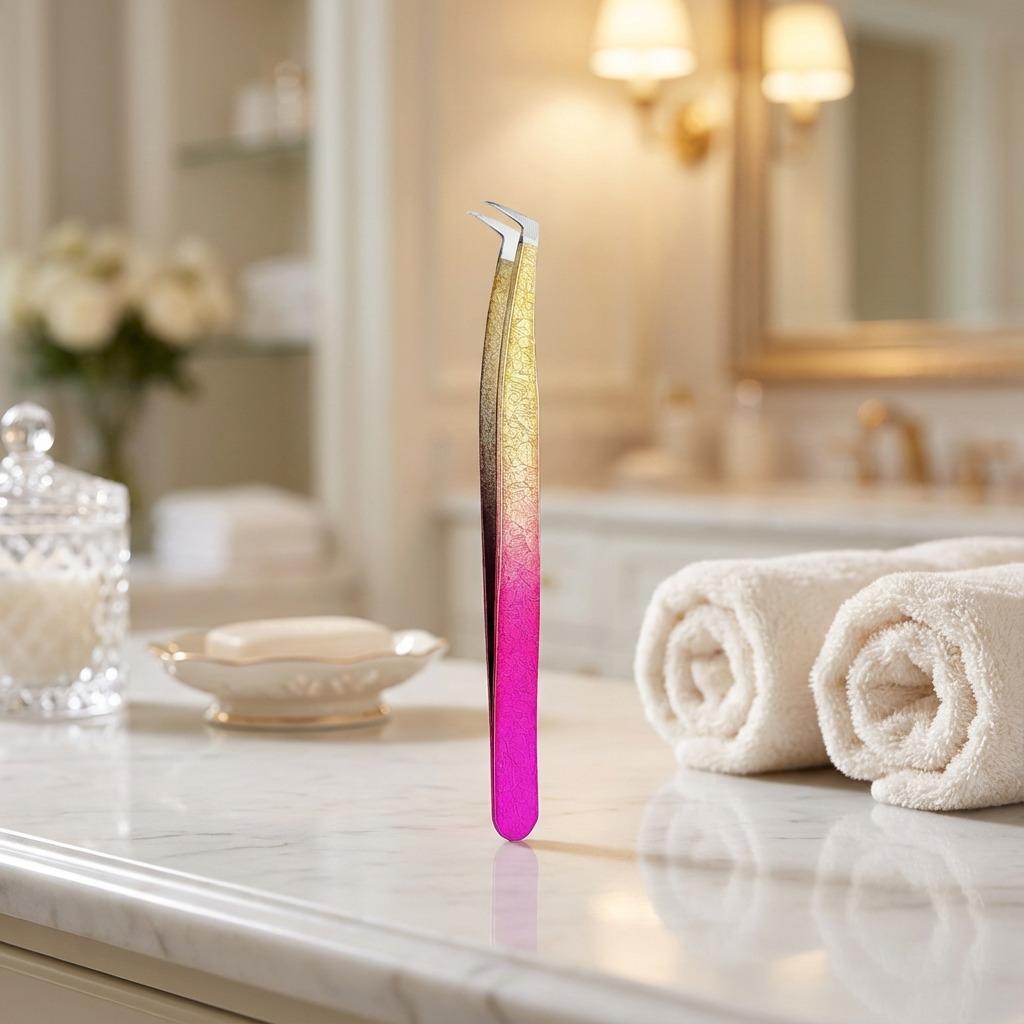
Reliable Tweezers Supplier Guide for Wholesale and Private Label Buyers
Choosing a reliable tweezers supplier is not only about finding a low unit price. For beauty retailers, distributors, salon suppliers, and private label brands, tweezers must feel precise in the hand, close evenly at the tip, resist bending during normal use, and arrive in packaging that fits the sales channel. A weak sourcing decision can create customer complaints, high return rates, inconsistent branding, or delays before a launch.
This guide focuses on practical evaluation steps for buyers sourcing tweezers for retail shelves, e-commerce kits, promotional beauty sets, or wholesale distribution. It explains what to check before placing an order, how to compare manufacturers, and where customization and export details can affect the final result. If you are reviewing options now, you can also browse Olimor Beauty beauty tool products to understand available beauty-tool categories before preparing your sourcing brief.
Start With the Exact Tweezers Use Case
A reliable supplier can only quote accurately when the buyer defines the intended use. Tweezers for eyebrow shaping, false lash application, splinter removal, professional salon resale, and gift sets may require different tip styles, finishes, packaging, and inspection standards. Before contacting suppliers, write down the target customer and the selling environment.
For example, a retail beauty brand may prioritize a smooth cosmetic finish, protective tip cover, hang-card packaging, and consistent logo placement. A salon distributor may care more about grip comfort, repeatable tip alignment, and durable stainless steel construction. A promotional buyer may need a simple design that can carry a custom logo without extending production complexity.
- Target user: retail customer, salon professional, lash technician, distributor, or promotional buyer.
- Primary function: brow shaping, fine hair removal, lash placement, general grooming, or kit inclusion.
- Tip preference: slanted, pointed, flat, or other shapes suitable for the intended task.
- Branding needs: logo, color finish, handle decoration, card insert, pouch, or outer carton markings.
- Sales channel: e-commerce, pharmacy, beauty store, salon counter, subscription box, or wholesale catalog.
This preparation helps prevent vague quotations. It also gives the supplier a better basis for discussing samples, packaging options, and production feasibility.
What Makes a Tweezers Manufacturer Reliable?
The best tweezers manufacturer for your program is the one that can deliver consistent function across the full order, not just an attractive sample. Tweezers are small tools, but their performance depends on controlled forming, finishing, alignment, and inspection. The two arms should close evenly, the tips should meet cleanly, and the grip should feel stable without requiring excessive pressure.
When reviewing suppliers, focus on how they control repeatability. Ask how incoming materials are checked, how tip alignment is inspected, and whether finished goods are reviewed before packing. These questions are more useful than only asking for a catalog. A strong supplier should be able to explain the production flow in plain language and provide samples that match the proposed bulk specification.
Olimor Beauty works with buyers who need beauty tools for wholesale and branded programs, including tweezers with finish and logo considerations. Where product details are not yet fixed, the most productive first step is to define the material preference, finish direction, packaging format, and inspection expectations rather than requesting a generic quote.
Key Quality Checks Before Approving Samples
Sample approval should go beyond appearance. A beautiful finish is important for consumer beauty tools, but the tweezer must also perform reliably. Buyers should test samples with realistic use cases and record comments in a simple approval sheet. This creates a clear reference for later production checking.
| Check Area | What to Review | Why It Matters |
|---|---|---|
| Tip alignment | Tips meet evenly without visible gaps or twisting | Clean contact improves hair gripping and user satisfaction |
| Grip tension | Arms close smoothly with comfortable pressure | Too stiff or too loose can lead to poor control |
| Surface finish | No sharp edges, peeling, stains, or uneven color | Finish defects affect perceived quality and retail acceptance |
| Logo placement | Logo is positioned, sized, and oriented as approved | Brand consistency is essential for private label programs |
| Packaging fit | Tool sits securely and tip is protected | Prevents damage during storage, shipping, and display |
It is also wise to compare several samples from the same batch, not only one perfect piece. If you plan to sell in sets, test the tweezers together with the pouch, card, box, or other items included in the kit. Packaging pressure, movement during transit, or tight inserts can damage the finish or bend the tips if not considered early.
Importing Tweezers From China: Supplier Shortlisting Steps
Many beauty tool buyers research options to import tweezers from China because of the country’s large manufacturing base and established export ecosystem. Online directories, trade platforms, and direct supplier websites can all be useful, but the shortlist should be built with clear criteria. A supplier with fast communication and relevant product experience is usually easier to work with than one that only provides the lowest initial price.
- Collect comparable quotations. Send the same specification to each supplier so pricing and lead-time responses are easier to compare.
- Request relevant samples. A slanted-tip sample is not enough if your project needs pointed-tip tweezers or a special finish.
- Review communication quality. Clear answers about materials, finishing, packaging, and export documents reduce mistakes later.
- Check packaging options early. Retail packaging can change cost, carton size, labeling, and shipping planning.
- Confirm the approval process. Decide how artwork, pre-production samples, and final production checks will be handled.
When evaluating import suppliers, avoid treating certifications, platform badges, or attractive photos as complete proof of reliability. They can be useful signals, but hands-on sample testing, detailed specifications, and clear inspection criteria remain essential.
Custom Logo Tweezers and Branding Decisions
Custom logo tweezers can help a beauty brand create a more professional product line, but branding should never interfere with function. Logo size, placement, and method should be chosen around the tool shape and finish. A logo that looks good on a flat handle may not work the same way on a curved or textured surface. Dark, metallic, ombre, or plated-looking finishes may also affect visibility and contrast.
Before approving artwork, prepare a simple logo placement file with dimensions, color references where relevant, and the preferred orientation. Digital proofs are helpful, but physical samples are still important because the real finish, reflection, and hand feel can differ from screen images. If the logo is part of a retail program, compare the tweezer logo with the packaging artwork so the full product presentation feels consistent.
Buyers planning private label programs can explore related product collections to consider whether tweezers should be sold individually or combined with other grooming tools. A coordinated set may require consistent finish direction, matching packaging structure, and unified artwork guidelines.
Wholesale Pricing: Look Beyond the Unit Cost
In the tweezers wholesale market, the lowest unit price may not be the most cost-effective choice. Pricing can be affected by material choice, finish complexity, logo application, packaging, inspection requirements, and order structure. A low quotation that excludes packaging, artwork setup, or final inspection can become more expensive later.
Compare quotes using the same assumptions. Include tool specification, finish, logo method, packaging type, carton requirements, and shipping terms. If your sales channel requires barcode labels, warning text, retail hang holes, or multilingual packaging, include those details at the quotation stage. This avoids rework after design approval.
For wholesale buyers, consistency is especially important. If you reorder, customers expect the same color tone, grip feel, and packaging presentation. Keep approved samples, artwork files, and written specifications as references for future orders. This makes repeat purchasing smoother and helps the supplier maintain continuity.
Export Readiness and Delivery Planning
A trusted tweezers exporter should understand that delivery performance includes more than handing cartons to a forwarder. Export planning may involve carton labeling, packing lists, commercial invoices, shipping marks, pallet considerations, and coordination with the buyer’s logistics provider. Requirements can vary by destination market and sales channel, so it is important to define documentation and labeling needs before goods are packed.
For markets with specific product, packaging, or retailer requirements, buyers should prepare a compliance checklist in advance. This may include packaging language, material declarations, barcode formatting, or retailer routing instructions. The supplier’s role is to produce and pack according to the agreed specification, while the buyer should confirm the requirements for the destination and sales channel.
If you are preparing a tweezers sourcing project and need to discuss specification, finish, logo, or packaging direction, you can send an inquiry with your project details. For broader sourcing questions or communication with the team, use the contact Olimor page.
A Practical Supplier Evaluation Checklist
Before committing to a tweezers supplier, review the full sourcing path from sample to reorder. The right partner should help you reduce uncertainty, not create more of it. Use the following checklist to compare candidates objectively:
- Does the supplier understand the exact tweezer type and use case?
- Are samples consistent in tip alignment, grip tension, surface finish, and packaging fit?
- Can the supplier explain logo options and provide a realistic approval process?
- Are quotation details clear, including packaging and any customization items?
- Is there a written specification to guide production and future reorders?
- Are export documents, carton labels, and shipping coordination discussed early?
- Does communication remain clear after price negotiation, not only before the order?
A reliable tweezers supplier is ultimately measured by consistency: consistent samples, consistent production, consistent packaging, and consistent communication. By defining your requirements carefully and checking both function and presentation, you can build a sourcing program that supports your brand, your sales channel, and your customers’ expectations.
Tag: