

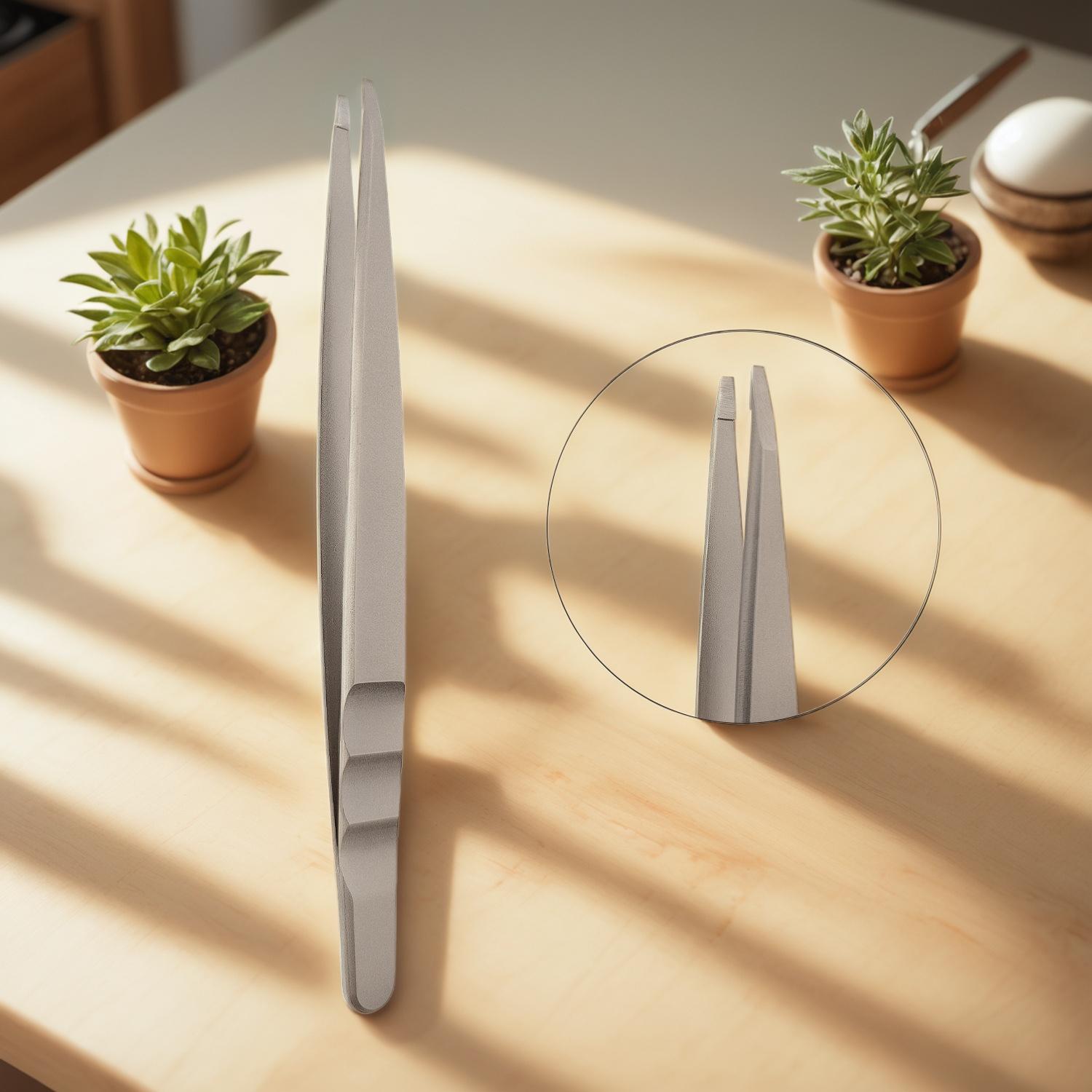
Reliable Tweezers Supplier for Custom ODM Grooming Tools
For beauty brands, grooming retailers, salon suppliers, and private-label buyers, tweezers are small tools with a large influence on customer satisfaction. A pair that grips cleanly, feels balanced in the hand, and keeps its alignment over time can become a repeat-purchase product. A pair with poor tension or uneven tips can damage trust quickly. Choosing a reliable tweezers supplier is therefore not just a purchasing task; it is a product quality decision.
Olimor Beauty supports brands seeking precision grooming instruments, including custom made tweezers and tweezers ODM cooperation. The goal is to help buyers develop tools that match their market positioning, functional needs, and packaging plans while maintaining practical quality expectations. Whether you are building a focused brow-care line, expanding a manicure and grooming assortment, or looking for a dependable OEM/ODM partner, the details below can help you make better sourcing decisions.
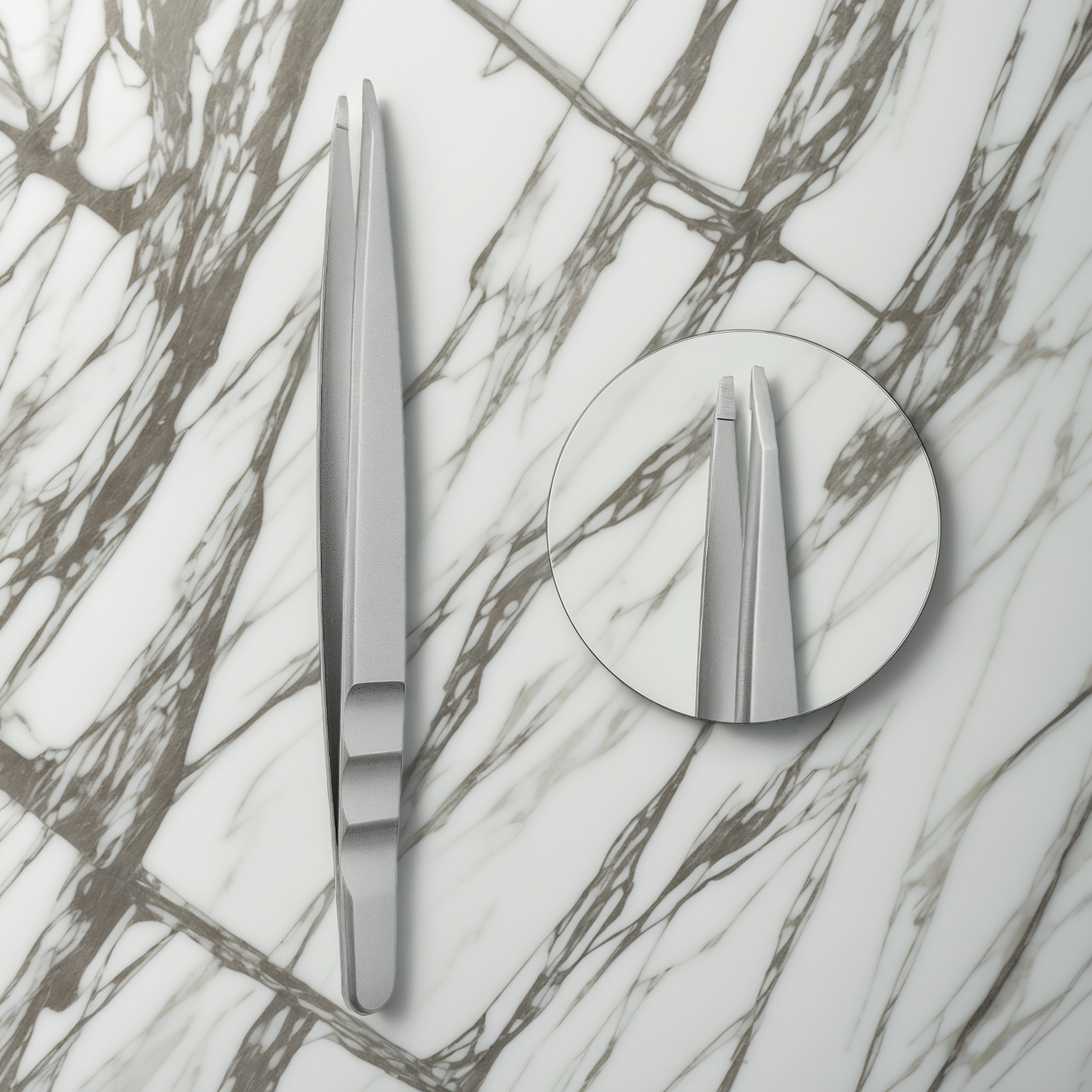
Why Tweezer Quality Matters More Than It Appears
Tweezers look simple, but their performance depends on a combination of material choice, tip geometry, tension, finishing, and inspection. The end user may not describe these details technically, but they will notice whether the tool catches fine hairs, pinches skin, slips during use, or becomes uncomfortable after repeated grooming.
For brands, this means tweezer sourcing should be evaluated from the user experience backward. A brow stylist may need a crisp slanted tip for shaping; a retail grooming kit may require an easy-to-use tweezer that works for beginners; a travel set may prioritize compactness and safe packaging. The right supplier should be able to discuss these use cases before moving into appearance and packaging decisions.
Olimor Beauty’s positioning as a reliable tweezers supplier is built around precision, durability, ergonomic design, and quality checks. These factors are especially important for buyers who want tools that support salon-quality grooming results rather than products selected only by price or appearance.
Key Selection Criteria for a Reliable Tweezers Supplier
When comparing suppliers, it helps to separate visible presentation from functional quality. A polished finish and attractive color are valuable, but they should not compensate for poor grip or inconsistent alignment. Use the following criteria to structure supplier discussions and sample evaluations:
- Tip alignment: The tips should meet evenly so the tweezer can grasp fine hairs without repeated attempts.
- Grip performance: Test on different hair thicknesses or similar fine fibers to assess slip, breakage, and control.
- Tension: The tweezer should close smoothly without feeling too stiff or too loose.
- Edge comfort: Outer edges should feel controlled and safe in normal use, especially near delicate brow areas.
- Material reliability: The original product positioning references high-grade stainless steel for a hygienic, rust-free tool that stands the test of time.
- Finish consistency: Surface treatment should look even across samples and production pieces.
- Packaging compatibility: The tool should sit securely in its retail packaging and be protected from tip damage during transport.
- Inspection process: A supplier should have checks from raw materials through finished packaged items.
These points are useful whether you are sourcing an existing item from beauty tool products or developing a custom tweezer for your own brand assortment.
ODM Options: Designing Custom Made Tweezers for Your Market
Tweezers ODM cooperation is most valuable when a brand needs more than a standard catalog item. Custom made tweezers may involve a specific shape, finish, tip style, hand feel, or packaging direction. The original product information highlights Olimor Beauty’s ODM capability, including collaboration on unique material finishes, specialized tip alignment, and new ergonomic shapes.
Before requesting samples, define the commercial purpose of the tweezer. Is it a hero product sold individually, a component in a brow kit, a salon-use item, or an accessory in a larger beauty set? The answer influences size, finish, grip texture, packaging, and acceptable cost structure.
Common ODM decision areas include:
- Tip style: Slanted tips are common for eyebrow shaping, while pointed or precision tips may be considered for detailed work depending on the target user.
- Body shape: Wider bodies can feel easier for some users to control, while slimmer bodies may suit compact kits.
- Surface finish: Matte, polished, coated, or textured appearances can change both brand perception and handling feel.
- Color direction: Choose colors that match your beauty line without making finish durability an afterthought.
- Packaging format: A protective sleeve, carded pack, pouch, or set box should protect the tips and communicate the intended price tier.
The best ODM process starts with function, then moves to aesthetics. A distinctive look helps a product stand out, but the tweezer must first do its job reliably.
Tip Alignment, Tension, and Stainless Steel: What to Inspect
Because tweezers are precision tools, small variations matter. A minor mismatch at the tip can turn a promising product into a frustrating one. During sample review, inspect multiple pieces rather than judging one ideal sample. Open and close each tweezer repeatedly, then test the grip at the very end of the tips. The tips should meet cleanly without visible gaps that reduce control.
Tension should also be checked carefully. If the arms are too stiff, users may experience hand fatigue or apply too much pressure. If tension is too soft, the tweezer may feel weak or fail to grip consistently. For retail users, a balanced tension is usually more important than an overly sharp or aggressive feel.
Material is another core issue. The original product information notes the use of high-grade stainless steel, emphasizing a rust-free and hygienic tool. For beauty brands, stainless steel is commonly valued because grooming tools may be used near skin and must be easy to keep clean. Buyers should still confirm that the chosen finish and packaging method support the intended storage and use conditions.
Quality Assurance from Raw Material to Packaged Product
A reliable tweezers supplier should treat inspection as a production system, not a final quick look. The supplied product information states that Olimor Beauty applies inspection from initial raw materials to the final packaged item. This is important because quality problems can arise at several stages: material selection, forming, grinding, finishing, alignment, cleaning, and packaging.
For a practical buyer review, organize quality expectations in a simple table:
| Inspection Area | What to Check | Why It Matters |
|---|---|---|
| Tip contact | Even closure at the gripping end | Improves control on fine hairs |
| Tension | Smooth open-close feel | Supports comfort and repeat use |
| Surface finish | Consistent color, polish, or texture | Protects brand presentation |
| Cleanliness | No visible residue or rough edges | Supports hygienic grooming use |
| Packaging fit | Tool secured and tips protected | Reduces damage before sale |
This kind of checklist makes communication clearer and helps avoid vague expectations such as “premium quality” without measurable review points.
Matching Tweezers to Retail, Salon, and Private-Label Needs
Different sales channels need different sourcing priorities. A retail tweezer must explain its value quickly through packaging and visible finish. A salon-focused tweezer must feel consistent during repeated professional use. A private-label grooming kit may need the tweezer to coordinate with scissors, nail tools, mirrors, or other accessories.
If you are developing a broader assortment, review related product collections so the tweezer does not feel disconnected from the rest of the line. Consistent finish direction, packaging language, and use-case positioning can make a beauty tool range easier for distributors and end customers to understand.
For online sales, consider how the product will be photographed and described. Close-up images of the tip, body shape, and packaging can reduce uncertainty. Product copy should avoid overpromising and instead explain practical benefits: aligned tips, comfortable handling, stainless steel construction, and suitability for brow grooming or daily personal care where appropriate.
How to Prepare a Clear Sourcing Brief
A strong sourcing brief helps an ODM team respond with relevant options. Instead of beginning only with a target price, describe the user, channel, and required product role. Include reference dimensions if available, but also explain what you like and dislike about existing market examples.
Your brief can include the following points:
- Target market and selling channel
- Preferred tweezer type and general size direction
- Expected finish, color, or texture concept
- Packaging format and branding requirements
- Performance priorities such as fine-hair grip or comfort
- Any safety, labeling, or retail display requirements for your market
- Sample review criteria and decision timeline
When these details are prepared early, custom development becomes more efficient and sample feedback becomes more precise.
Work with Olimor Beauty on Precision Tweezers
Olimor Beauty provides support for brands looking for a reliable tweezers supplier, custom made tweezers, and tweezers ODM development. The focus is on precision grooming tools that combine ergonomic design, aligned tips, stainless steel quality, and inspection across the production process.
If you are comparing suppliers or planning a private-label tweezer project, prepare your product brief, sample expectations, and packaging direction before starting the discussion. To explore suitable options, contact Olimor or send an inquiry with your sourcing requirements. A clear brief and a quality-focused supplier relationship can help your brand offer tweezers that customers trust in everyday grooming.
Tag: