

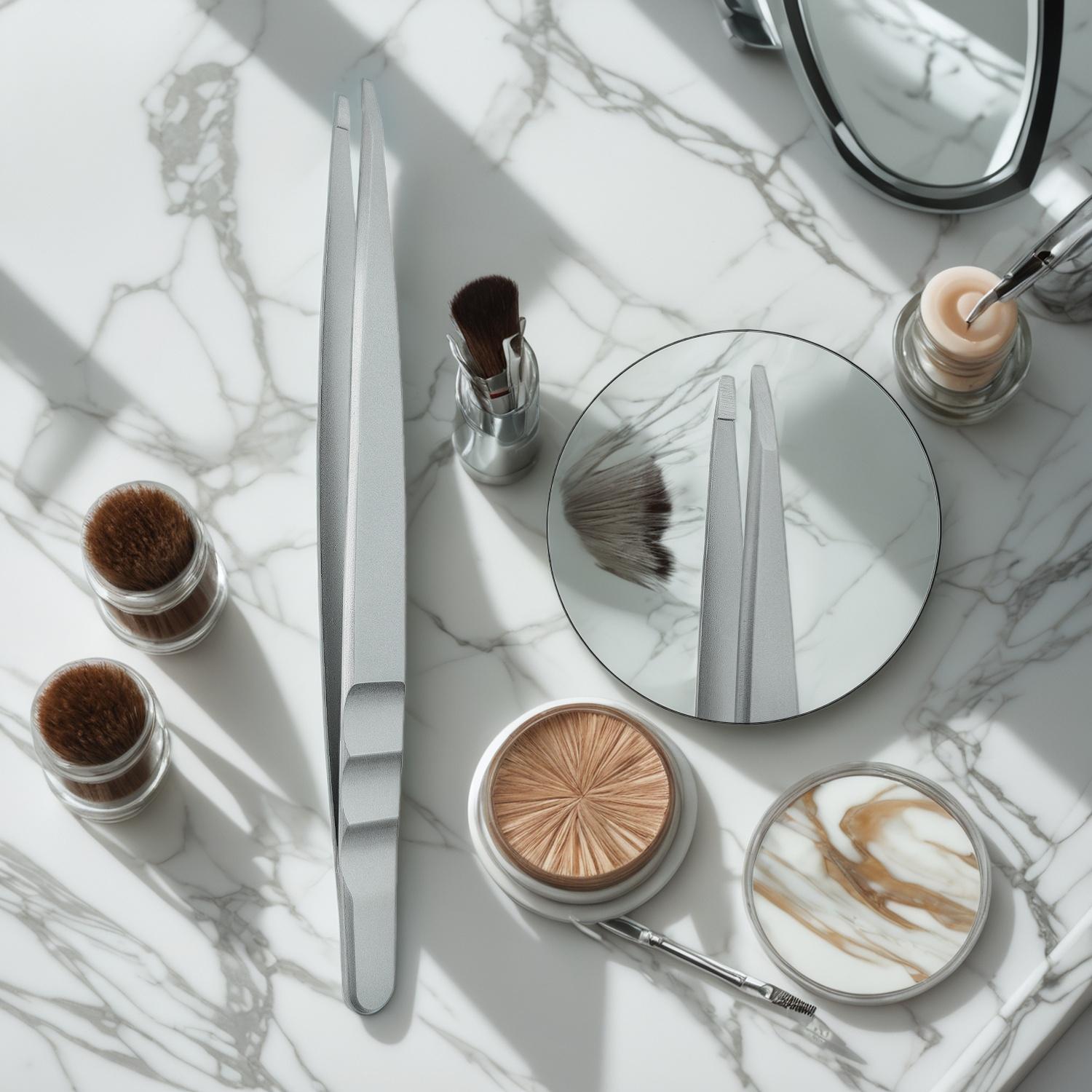
Reliable Tweezers Supplier: What Beauty Brands Should Check Before Custom ODM Production
Choosing a reliable tweezers supplier is a practical business decision, not just a product purchase. For beauty brands, distributors, salons and private-label buyers, tweezers are small tools with a large effect on customer satisfaction. If the tips do not meet cleanly, if the tension feels inconsistent, or if the finish looks unfinished, the user notices immediately. A dependable supplier helps reduce those risks by focusing on precision, repeatability and clear customization decisions from the start.
Olimor Beauty supports brands looking for beauty tools that can fit their product positioning, including custom made tweezers and tweezers ODM development. The best results come when buyers know what to evaluate: tip style, grip feel, material choice, inspection steps, branding options and packaging requirements. This guide explains how to approach those decisions so your next tweezer sourcing project is based on performance rather than guesswork.
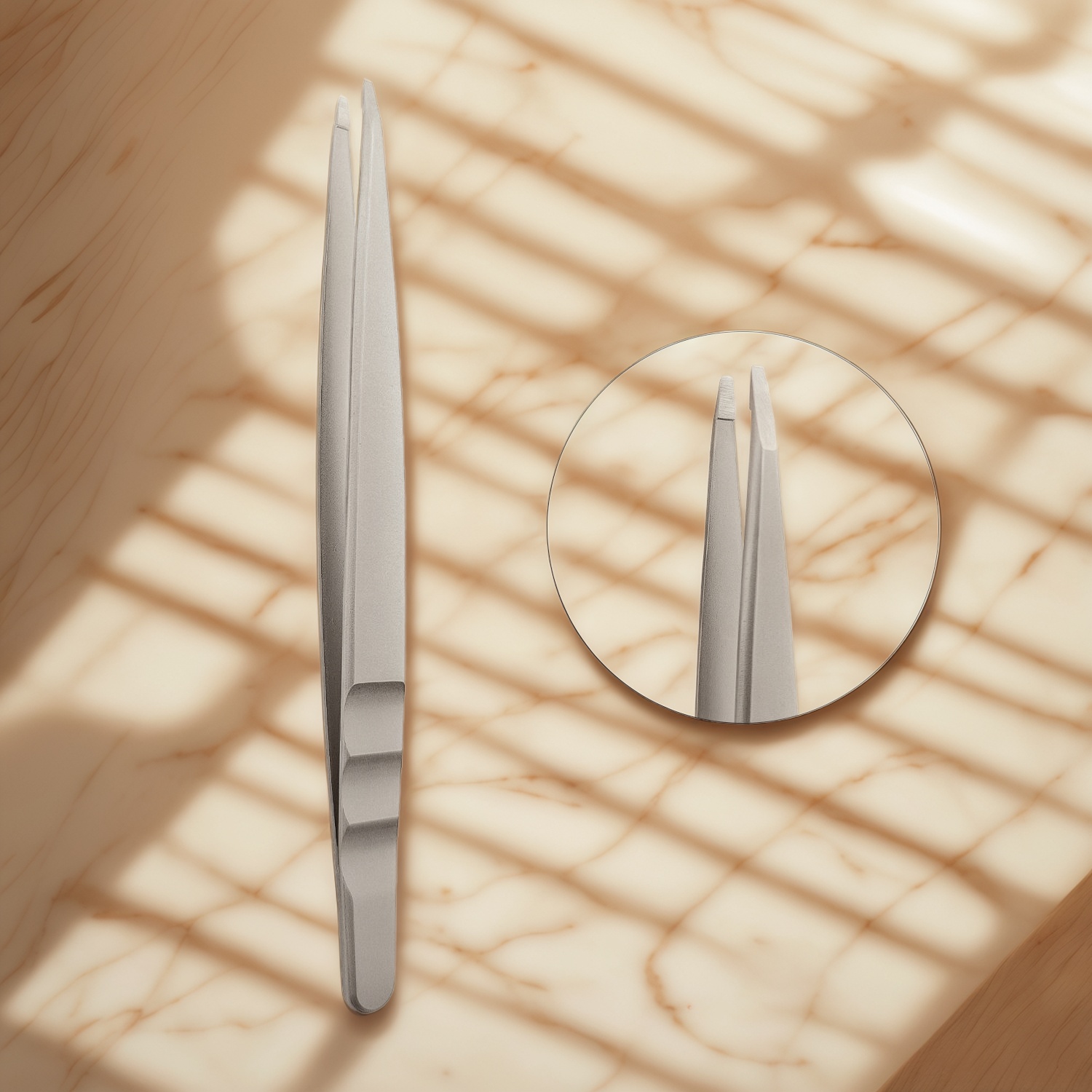
Why Tweezers Require More Supplier Attention Than They Seem
Tweezers may look simple, but their performance depends on several small details working together. Tip alignment affects whether a hair can be gripped cleanly. Edge finishing affects comfort and control. Arm tension affects hand fatigue and precision. Surface finishing affects how the product feels in the hand and how it presents on a retail shelf.
For a brand, these details become part of the customer experience. A low-quality tweezer can create returns, poor reviews or a perception that the full beauty tool line is unreliable. A well-made tweezer, on the other hand, can become a repeat-purchase item or an anchor product in a grooming kit. That is why supplier selection should include both product inspection and development communication.
A reliable tweezers supplier should be able to discuss the intended use of the tool. Eyebrow shaping, lash application, ingrown hair care and general grooming do not always require the same tip shape or tension. Before comparing samples, clarify the user scenario and retail position of the product. This helps prevent selecting a tweezer that looks attractive but does not fit the end customer’s expectations.
Custom Made Tweezers: Decisions That Shape the Final Product
Custom made tweezers are useful when a brand needs more than a generic product. Customization can support a specific visual identity, a target price range, a kit design or a particular user need. However, customization should be guided by function first. A beautiful finish cannot compensate for poor tip contact or uncomfortable tension.
When planning a custom tweezer project, consider the following product decisions:
- Tip style: Slanted tips are widely used for eyebrow grooming, pointed tips can support detailed work, and flat or straight tips may suit broader gripping tasks. Select the tip based on the user’s purpose, not only on appearance.
- Tip alignment: The two sides should meet evenly. Misalignment reduces grip and can pinch or break hair instead of removing it cleanly.
- Hand feel: The tweezer should open and close smoothly with controlled resistance. Excessive stiffness can tire the hand, while weak tension may reduce precision.
- Surface finish: Polished, matte or coated finishes can create different retail impressions. The finish should also be practical for handling and cleaning.
- Branding area: Logo placement should be visible but should not interfere with grip, comfort or surface durability.
- Packaging format: A single tweezer, a protective sleeve, a travel case or a beauty kit package each suggests a different market position.
Olimor Beauty’s role as a supplier is to help buyers connect these choices into a workable product direction. Buyers can explore broader categories through beauty tool products or review related options in product collections when building a coordinated retail range.
What Tweezers ODM Support Should Include
Tweezers ODM support is valuable when a brand wants to create a product with its own identity but does not want to manage every technical detail alone. ODM cooperation can include guidance on structure, finish, ergonomic design, packaging direction and production feasibility. The goal is to turn a market idea into a repeatable product that performs consistently.
A practical ODM discussion should cover three areas: the user, the product and the sales channel. The user determines comfort and tip requirements. The product concept determines styling, finish and packaging. The sales channel determines how the product must look in photos, on shelves or in kits. A tweezer for a professional salon set may need a different presentation than one sold as a compact daily grooming item.
Buyers should prepare reference information before beginning ODM communication. This does not mean copying another product. Instead, provide direction on preferred tip type, finish, color family, packaging style, target user and any known restrictions. The clearer the starting point, the easier it is to evaluate samples and adjust details before moving toward production.
Quality Indicators for Precision Tweezers
The original promise of a precision tweezer is simple: it should grip reliably and feel controlled in the hand. Olimor Beauty focuses on beauty tools built around precision, including stainless steel tweezers with aligned, finely honed tips. For buyers, the important step is learning how to verify whether a sample supports that promise.
Use this checklist when reviewing samples from a reliable tweezers supplier:
- Inspect the tip meeting point. Close the tweezer slowly and check whether both sides meet evenly along the intended gripping area.
- Test fine gripping performance. Try gripping a thin hair or fiber without excessive force. The tweezer should hold without slipping.
- Check repeat opening and closing. The arms should return smoothly without feeling loose, uneven or overly rigid.
- Review edge comfort. The outside edges and grip area should feel finished, not sharp or rough against the fingers.
- Look at surface consistency. The finish should be even, with no obvious blemishes that would reduce retail appeal.
- Confirm packaging protection. The tips should be protected during shipping and storage so alignment is not compromised before the customer receives the product.
Quality control is especially important for tweezers because small variations can change the user experience. Buyers should evaluate multiple samples where possible, not only one perfect presentation piece. Consistency across units is a better sign of dependable manufacturing than a single attractive sample.
Supplier Questions That Help Prevent Sourcing Problems
Good sourcing conversations are specific. Instead of asking only whether a supplier can make custom tweezers, discuss the points that affect final performance and brand presentation. The table below shows useful areas to clarify during evaluation.
| Topic | What to Clarify | Why It Matters |
|---|---|---|
| Application | Eyebrow grooming, lash use, general grooming or kit inclusion | Different use cases may need different tip shapes and tension |
| Material and finish | Stainless steel option, surface treatment and color direction | Affects durability, appearance and customer perception |
| Tip precision | Alignment standards, inspection approach and sample review process | Directly affects grip performance |
| Branding | Logo method, placement and packaging artwork requirements | Ensures the product matches brand identity |
| Packaging | Retail box, sleeve, protective cap, set packaging or other format | Protects the tool and supports the sales channel |
These questions help buyers compare suppliers on process and understanding, not only on quoted product descriptions. A supplier that can explain trade-offs clearly is often easier to work with when adjustments are needed.
Packaging, Branding and Retail Presentation
For private-label and ODM beauty tools, packaging is not an afterthought. Tweezers are often sold in compact formats where the tool, logo and packaging are seen together. A clean package can communicate hygiene, precision and gifting value. A poorly fitted package can damage tips or make the product look lower quality than it is.
When planning packaging, think about how the customer will discover and store the tweezer. Online shoppers need clear images and concise claims. Retail customers need packaging that shows the product shape and explains the use quickly. Salon or professional buyers may prefer practical protection and easy identification. If the tweezer is part of a larger grooming set, visual consistency with other beauty tools becomes important.
Branding should be durable and proportionate. A logo that is too large can look crowded on a slim tweezer body. A logo that is too subtle may disappear in product photos. The best choice depends on finish, color contrast and the intended retail environment.
Working With Olimor Beauty on a Tweezer Sourcing Project
A successful sourcing project begins with a clear brief. Include the intended user, preferred tip style, finish direction, packaging concept, branding needs and any target market requirements you already know. If you are still comparing options, a supplier conversation can help narrow the choices before sample review.
Olimor Beauty works with beauty brands seeking dependable tweezer supply, custom made tweezers and ODM support. The focus should always remain on practical performance: aligned tips, comfortable handling, appropriate materials, consistent finishing and packaging that protects the tool. Buyers can contact Olimor to discuss project direction or send an inquiry with product requirements for review.
Reliable tweezers sourcing is not about choosing the most complicated design. It is about selecting the right details for the customer, then producing them consistently. With careful sample evaluation, clear customization choices and a supplier that understands beauty tool precision, your brand can offer tweezers that look professional, feel controlled and perform as customers expect.
Tag: