

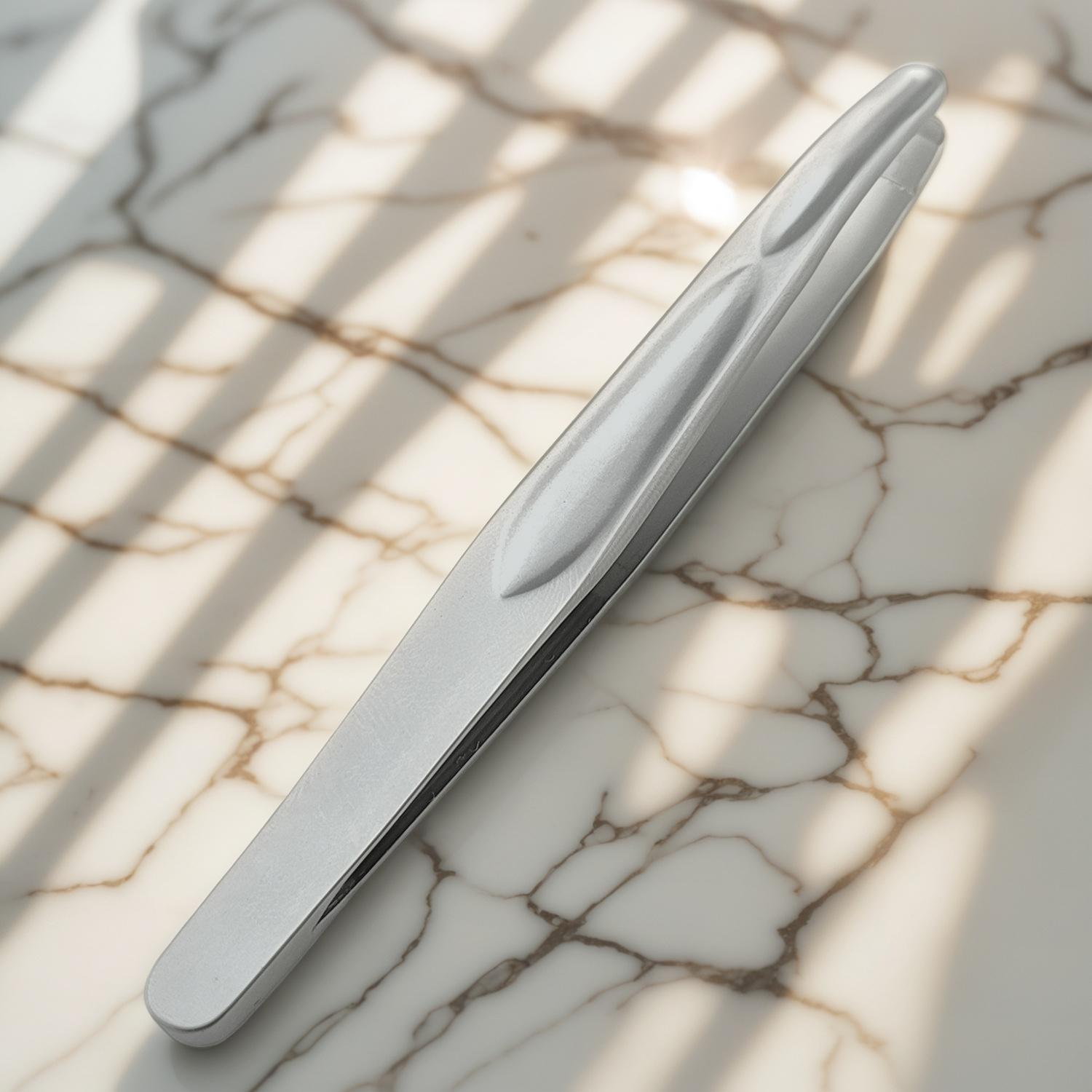
Sourcing Bulk Tweezers with Low MOQ: A Buyer’s Guide for Beauty and Grooming Brands
Choosing a tweezers bulk supplier is a small decision only on the surface. For beauty retailers, grooming brands, salons, subscription boxes and private-label businesses, tweezers are one of those everyday tools that customers judge immediately. If the tips do not align, the grip feels weak, the finish scratches too easily or the packaging looks inconsistent, the product can reflect poorly on your brand even when the item itself is low-cost compared with larger beauty devices.
Olimor Beauty supports buyers who need practical sourcing options for tweezers without being forced into excessive inventory commitments. The goal is not simply to buy a large quantity at a low unit price; it is to secure reliable tools that match your target customer, retail channel and cash-flow plan. Low MOQ tweezers can be especially useful for emerging brands testing a new grooming line, retailers expanding into accessories, or established companies validating a new finish, shape or packaging format before scaling up.
Why Bulk Tweezers Sourcing Requires More Than a Price Check
Tweezers may look similar in product photos, but small differences in manufacturing and inspection create noticeable differences in use. A customer expects the tips to meet evenly, grip fine hairs accurately and remain comfortable through repeated use. When buyers focus only on the lowest quoted price, they may overlook details that affect returns, reviews and repeat orders.
A dependable tweezers manufacturer should be able to discuss the product in terms of function as well as appearance. That includes the tension of the arms, edge alignment, tip finishing, surface consistency and packaging protection. For grooming customers, the tool must feel controlled and precise. For retail buyers, it must also be easy to present, store and ship without damage.
Before comparing quotes, define the role of the tweezers in your assortment. Are they a standalone retail accessory, part of a manicure and grooming set, a men’s beard care tool, or an add-on in a travel kit? The answer influences the shape, finish, packaging and acceptable cost range.
Key Tweezers Features to Evaluate Before Ordering
When sourcing from a tweezers supplier, buyers should evaluate the tool as an end user would. A short inspection checklist can prevent misunderstandings and help your team compare samples consistently.
- Tip alignment: The two tips should meet evenly without crossing, twisting or leaving an obvious gap.
- Grip performance: The tweezer should grasp fine hair or small objects without requiring excessive force.
- Arm tension: A good tool has enough spring to feel responsive but not so much resistance that it becomes tiring to use.
- Edge finishing: Tips and side edges should feel smooth and controlled, not rough or sharp in the wrong places.
- Surface finish: Polished, matte or coated finishes should look consistent across the batch and match your packaging style.
- Comfort: The body width, weight and shape should suit the intended customer, whether for eyebrow care, cosmetic use or beard grooming.
- Packaging fit: Packaging should protect the tips and present the product clearly for retail, e-commerce or kit assembly.
Olimor Beauty’s product range includes precision beauty and grooming tools, including options such as the Beard Tweezer mentioned in its tweezers line. Buyers can also review broader beauty tool products to plan related accessories and complementary items for the same customer segment.
How Low MOQ Options Help Brands Manage Risk
Minimum order quantity can determine whether a brand is able to launch a product at the right time. Very high MOQs may tie up cash, occupy storage space and force buyers to accept too much inventory before customer demand is proven. Low MOQ options make sourcing more flexible because they allow companies to test a product, packaging concept or sales channel with a more controlled first order.
For a new brand, a smaller initial run can be used to validate product-market fit. For an established retailer, it can support seasonal promotions, gift sets or limited accessory assortments. For an e-commerce seller, it can reduce the pressure to discount slow-moving inventory while collecting real customer feedback. This is particularly useful with tweezers because performance expectations vary by market: some customers want a fine cosmetic tip, while others prefer a sturdier grooming tool for facial hair maintenance.
Low MOQ sourcing is also helpful when comparing finishes. A buyer may want to test a classic stainless look against a darker cosmetic finish, or compare simple retail packaging with kit-ready bulk packing. Starting with a manageable order size gives the business room to refine the assortment before committing to larger volumes.
Matching Tweezer Types to Customer Use Cases
Not every tweezer belongs in the same sales channel. A beauty boutique, barbershop, men’s grooming brand and private-label kit supplier may all need tweezers, but the ideal product details can differ. The table below can help buyers clarify requirements before requesting samples or preparing an inquiry.
| Use Case | Buyer Priorities | What to Check in Samples |
|---|---|---|
| Eyebrow and cosmetic care | Fine control, clean appearance, comfortable grip | Tip alignment, ability to catch fine hairs, smooth finish |
| Beard and facial grooming | Firm grip, practical shape, durable feel | Tension, tip strength, ease of handling for thicker hair |
| Retail beauty accessories | Visual consistency, packaging appeal, reliable quality | Surface finish, packaging fit, barcode or labeling needs if applicable |
| Gift sets or grooming kits | Compact size, matching finish, safe packing | Compatibility with other tools, sleeve or pouch protection, batch consistency |
If you are building a wider line, compare tweezers with related items in Olimor’s product collections. Planning products together can help keep finishes, packaging style and customer positioning more consistent.
Quality Control Questions for a Tweezers Factory
A trusted tweezers factory should have quality checks that match the product’s real-world function. Buyers do not need to know every production detail, but they should understand how the supplier controls the issues that matter most. Good sourcing conversations often include the following points:
- Sample approval: Confirm which sample represents the final approved standard for shape, finish, tension and packaging.
- Tip inspection: Define how tip alignment and gripping performance are checked during or after production.
- Surface review: Clarify acceptable variation in finish, color tone, marks or polishing consistency.
- Packaging protection: Make sure the tips are protected during transport, especially for retail-packed goods.
- Batch consistency: Discuss how the supplier keeps repeat orders close to the approved sample.
- Final inspection: Confirm what is reviewed before shipment and how nonconforming units are handled.
These questions are practical even when order quantities are modest. In fact, they are especially important for low MOQ tweezers because smaller brands may have less room to absorb quality problems or customer complaints.
Private-Label and Packaging Considerations
Many businesses sourcing bulk tweezers are not only buying a tool; they are building a retail experience. Packaging decisions influence perceived value, shipping protection and shelf presentation. The right packaging depends on how the product will be sold. A salon refill order may need simple protective packaging, while a retail brand may require a card, sleeve, pouch or box that communicates the product clearly.
Before finalizing packaging, consider the information your customer needs at the point of purchase. Instructions, care reminders and material descriptions should be accurate and easy to read. If you sell online, packaging should also survive fulfillment and parcel shipping. For gift sets, the tweezers should fit securely with other tools so the tips do not rub against harder objects during transit.
Branding should be planned early because it can affect lead time, artwork preparation and sample review. Keep artwork clean and legible, especially on small surfaces. If logo placement is part of the project, review a physical or visual sample carefully to ensure the mark is correctly positioned and does not interfere with the tool’s usability.
How to Prepare a Clear Bulk Tweezers Inquiry
A well-prepared inquiry helps a tweezers wholesaler understand your project quickly and recommend suitable options. Instead of sending only a target price, include the buying context and performance expectations. This reduces back-and-forth and helps you compare responses from suppliers more fairly.
Useful inquiry details include your intended sales channel, target customer, preferred tweezer shape, finish preference, packaging style, expected order size, delivery destination and whether you are testing a new product or planning repeat orders. If you already have a reference sample, describe what you like and what you want improved. If you are still exploring, focus on use case and retail positioning rather than trying to specify every technical detail immediately.
Olimor Beauty works with beauty and grooming buyers seeking reliable tweezers sourcing with flexible order planning. To discuss suitable bulk options, packaging direction or sample expectations, you can send an inquiry with your project details. For broader sourcing questions or coordination with other beauty tools, you may also contact Olimor.
Choosing a Long-Term Tweezers Supplier
The best tweezers supplier for your business is not always the one offering the lowest first quote. A better choice is a manufacturing partner that can support consistent quality, realistic order planning and clear communication as your assortment grows. For many brands, low MOQ options provide the entry point, while dependable repeat production creates long-term value.
When reviewing suppliers, look for a balance of product understanding, sample discipline, packaging awareness and responsiveness. Tweezers are simple enough for customers to use every day, but precise enough that poor manufacturing becomes obvious. By defining your requirements early and checking the details that affect real performance, you can source bulk tweezers that support your brand rather than create avoidable service issues.
For retailers, grooming labels and beauty accessory companies, Olimor Beauty offers a practical path to sourcing tweezers in bulk with low MOQ flexibility and a focus on usable, reliable tools. Start with a clear use case, inspect samples carefully and build from a first order that fits your market testing plan.
Tag: