

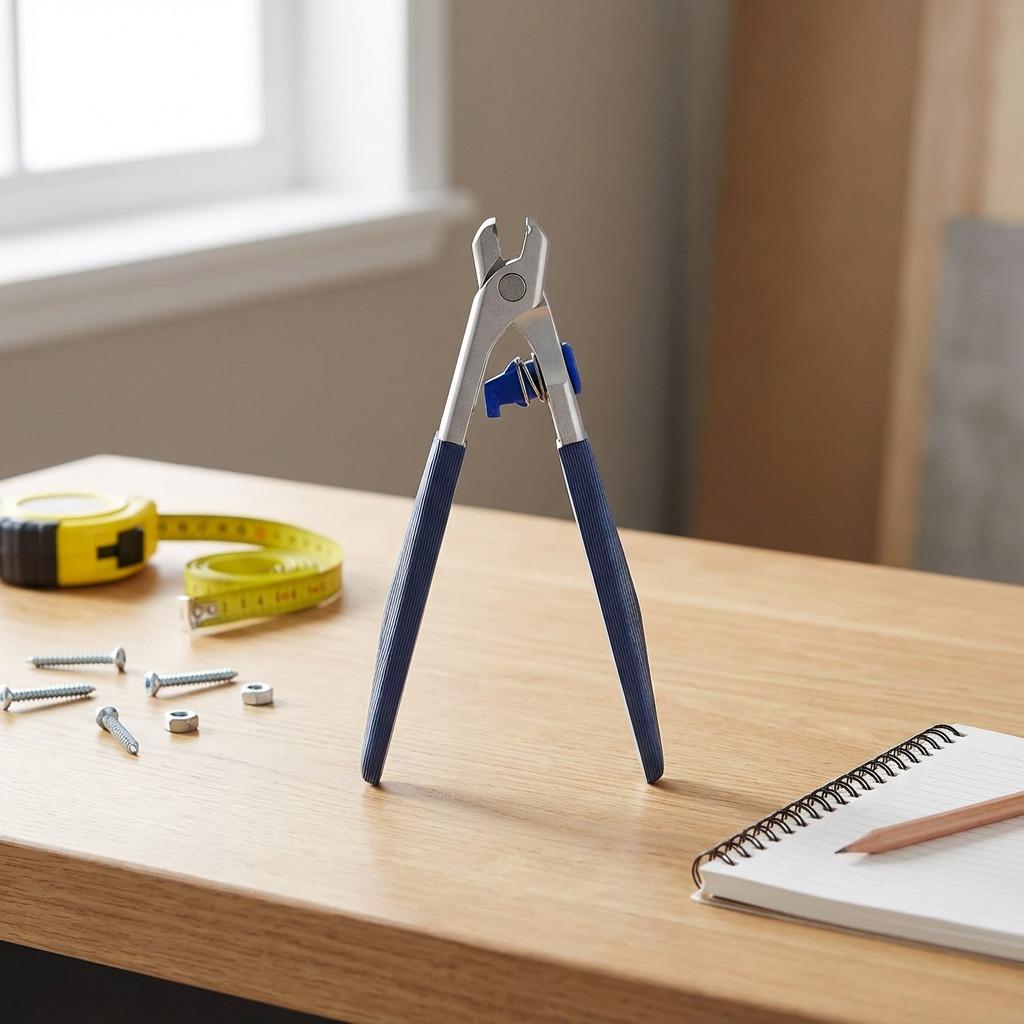
Choosing a Reliable Nail Clipper Supplier for B2B Beauty Programs
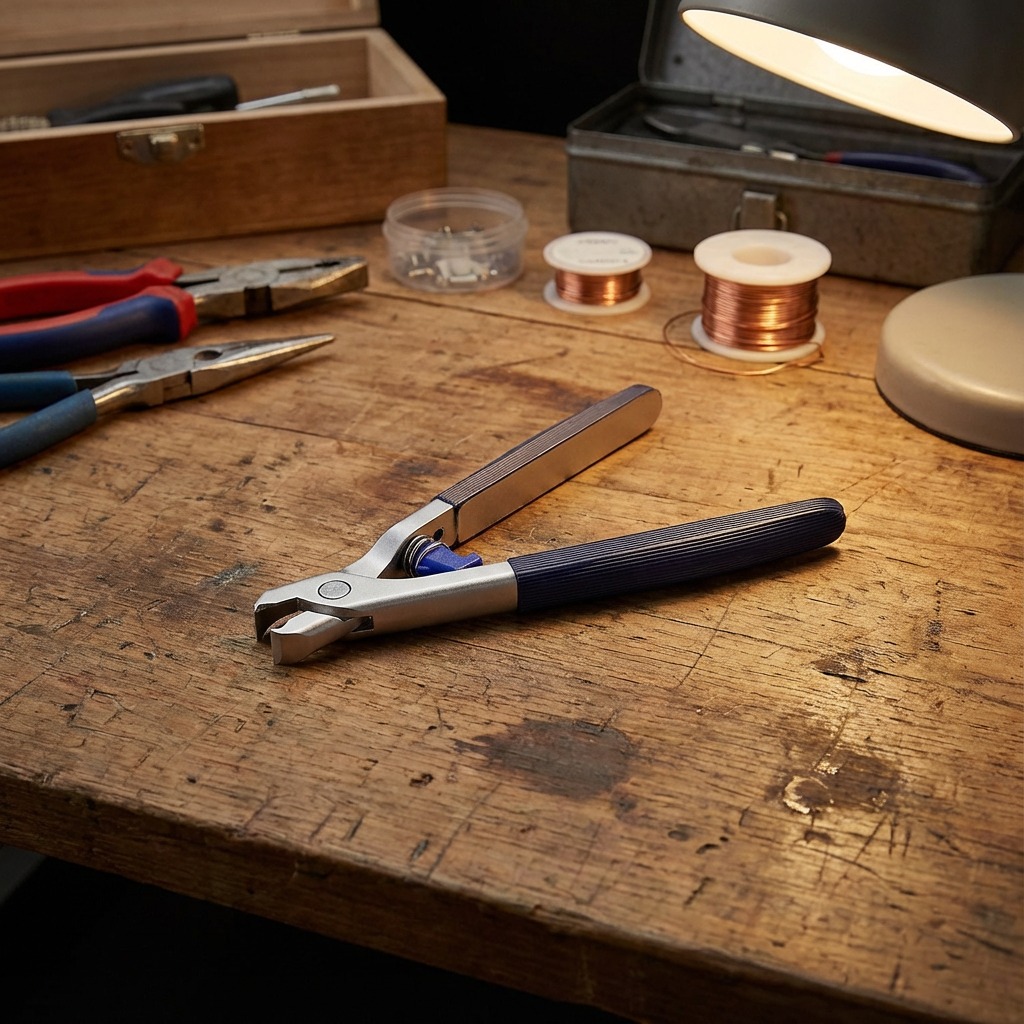
For retailers, salon suppliers, beauty distributors, grooming-tool importers and private-label buyers, a nail clipper is a small product with an outsized effect on customer satisfaction. It is handled directly, judged immediately and expected to cut cleanly without slipping, bending, pinching or leaving rough edges. A reliable nail clipper supplier should therefore help you manage consistency, reduce complaints and support repeat orders, not simply offer an attractive product photo or a low unit price.
Olimor Beauty supplies beauty and grooming tools for B2B buyers who need practical products for professional and consumer use. When evaluating a stainless steel nail clipper, ergonomic trimming tool or related grooming item, the strongest purchasing decisions come from looking at the complete sourcing picture: material, cutting geometry, hand feel, mechanism, finish, inspection process, packaging fit and communication before production.
This guide answers the main informational and commercial questions buyers usually ask before placing a wholesale nail clipper order: what to check in samples, how to compare suppliers, which product details affect repeat purchases, how packaging influences channel fit and what quality points should be agreed before bulk shipment.
What B2B Buyers Should Expect From a Nail Clipper Supplier
A B2B order is different from a one-time retail purchase. You are not buying only one clipper; you are buying repeatability across cartons, orders and seasons. A dependable supplier should provide clear product information, stable communication, sample support where available and a practical process for confirming what will be produced before shipment.
Business buyers use nail clippers in many ways: standalone retail items, salon consumables, travel grooming accessories, promotional beauty tools, gift-set components and add-on products in broader personal care ranges. Before comparing models, define the product role. A basic retail manicure kit may prioritize compact size and straightforward packaging. A premium grooming set may need a cleaner finish, stronger shelf presentation and more refined hand feel. A professional salon environment may place greater emphasis on durability, comfort during repeated use and ease of cleaning.
Olimor nail clipper and trimming-tool options may include features such as stainless steel construction, ergonomic handles, slip-resistant grip areas, spring mechanisms on applicable tools, metallic or matte finishes, color accents and integrated nail files depending on the selected item. These details matter because they affect how the product feels in the hand, how clearly it communicates value and whether it fits the intended selling channel. Buyers can review related Olimor beauty tool products to compare nail tools with other grooming items in a wider assortment.
Cutting Performance Is the First Quality Signal
The most important test for any nail clipper is the cut. A sharp, well-aligned edge should trim cleanly with controlled pressure. If the jaws do not meet evenly, the clipper may pinch, split or leave jagged edges. If the edge feels weak, customers will notice quickly, even when the packaging looks good.
Sample approval should go beyond visual inspection. Test more than one unit, because one good sample does not prove batch consistency. Check whether the cutting edge closes evenly from side to side. Listen for scraping, rattling or loose movement. Feel whether the lever action is smooth or uneven. If the product includes a spring mechanism, confirm that it returns consistently and does not feel weak, noisy or unstable.
- Edge alignment: both cutting sides should meet evenly without obvious offset.
- Cut cleanliness: the clipper should trim without tearing, crushing or requiring excessive force.
- Lever or spring response: movement should feel controlled and repeatable.
- Hand stability: the user should not need to over-grip to prevent slipping.
- Post-cut finish: the nail edge should be reasonably clean for the tool type and intended use.
If the clipper includes an integrated nail file, test whether it is positioned conveniently and whether it can help smooth the edge after trimming. A built-in file can improve perceived retail value, but only if it does not interfere with holding or using the clipper.
Material, Finish and Ergonomics Affect Long-Term Satisfaction
Stainless steel is commonly valued in beauty tools because it can support durability, a clean appearance and easier maintenance. However, buyers should not treat the phrase “stainless steel” as a complete quality answer. The practical questions are whether the tool feels rigid enough, whether cutting areas are finished properly and whether the surface treatment matches the product’s channel and price position.
For example, a matte finish can give a neat, modern appearance and reduce visual glare, while a metallic finish with color accents can help create shelf distinction or make a beauty tool range more recognizable. Appearance should never override handling. A clipper may look polished in catalog images but feel awkward if the handle profile is too narrow, the grip area is slippery or the leverage does not match the cutting task.
Ergonomic handling is especially important for professional users and frequent grooming routines. A comfortable, slip-resistant grip can reduce hand fatigue during repeated use and help the user maintain control. This also matters for consumer grooming kits where end users may have different hand sizes, limited hand strength or a preference for tools that feel secure. During sample review, ask several people to test the same item, because different hands often reveal comfort issues that one evaluator may miss.
How to Compare Nail Clipper Suppliers Fairly
A structured comparison makes supplier evaluation more reliable. It also helps product, quality, purchasing and merchandising teams discuss the same criteria instead of relying on broad opinions such as “good quality” or “premium feel.” Use the following checklist when comparing a nail clipper manufacturer, beauty tool supplier or wholesale grooming-tool partner.
| Evaluation Area | What to Check | Why It Matters |
|---|---|---|
| Cutting edge | Alignment, sharpness and clean trimming on repeated use | Directly affects user satisfaction and complaint risk |
| Handle comfort | Grip shape, slip resistance and pressure needed to cut | Important for professional use and repeat handling |
| Lever or mechanism | Smooth opening, closing and spring return if included | Supports consistent operation and perceived quality |
| Material and rigidity | Stainless steel construction, firmness and resistance to bending in normal use | Influences durability expectations and user confidence |
| Surface finish | Burrs, scratches, discoloration, uneven coating or rough contact areas | Affects safety, shelf appearance and retail readiness |
| Integrated file | Placement, comfort and usefulness after cutting | Adds convenience when properly designed |
| Packaging fit | Product protection, barcode space, carton handling and presentation | Reduces damage and supports retail or wholesale requirements |
| Supplier communication | Clear confirmation of samples, specifications, order details and inspection points | Prevents misunderstandings before production |
Match the Nail Clipper to the Sales Channel
Different B2B buyers need different product priorities. A distributor may focus on consistency across repeat orders and carton efficiency. A salon supplier may prefer tools that are comfortable for repeated service use and easy to clean. Retail buyers often care about packaging, display and clear consumer benefits. Online sellers need products that photograph well, survive delivery and generate fewer post-purchase complaints.
Retail and E-Commerce Programs
For retail stores and online listings, the clipper must communicate value quickly. Surface finish, product photography, packaging clarity and visible features such as an integrated nail file can help shoppers understand the item. At the same time, the actual cutting feel must support the promise. A product that looks premium but cuts poorly can lead to negative reviews and returns.
Salon and Professional Supply
For salon-focused programs, handling and repeat use matter more than decorative detail. Buyers should test grip comfort, cutting action and cleaning practicality. Corrosion resistance is relevant because nail tools may be kept in bathrooms, salons, travel kits and other humid environments, but buyers should still verify the exact material description and care instructions from the supplier rather than relying on general assumptions.
Gift Sets and Grooming Kits
For gift sets, the nail clipper must fit visually and physically with companion tools. Size, finish, file function and packaging layout should be reviewed together. Buyers building a coordinated range can explore Olimor product collections to assess how clippers may pair with other beauty and grooming tools.
Inspection Points Before Confirming a Bulk Order
Inspection should not be treated as a final formality. With nail clippers and precision trimming tools, small variations can noticeably affect the user experience. A practical pre-shipment review should include both appearance checks and function checks.
Appearance checks cover scratches, discoloration, uneven finishing, visible burrs, rough contact areas, packaging damage and carton condition. Function checks cover jaw alignment, cutting feel, lever stability, spring action where applicable, handle security and the practicality of the integrated file if included.
Before production begins, define acceptable and unacceptable conditions. A minor mark hidden inside packaging may not carry the same risk as a burr near the cutting area. A small visual difference in a color accent may be less serious than loose movement at the pivot. By ranking defects according to customer impact, buyers can make inspection decisions more consistently.
Some buyers use sampling methods based on recognized inspection frameworks such as ISO 2859-1 for acceptance sampling. This can be useful when building an order-level quality plan, but buyers should verify the applicable version, the chosen sampling level and the supplier documentation for their own product category and market. Referencing a public standard does not replace product-specific approval criteria.
Packaging, Branding and Customization Questions to Prepare
Packaging is often where B2B sourcing becomes more complex. A nail clipper may be sold in simple individual packaging, included in a grooming kit, packed for salon distribution or prepared for retail display. Before requesting a quotation, prepare the packaging objective and any channel requirements your team already knows.
- Will the clipper be sold as a standalone retail item or as part of a set?
- Does the package need space for a barcode, product name, care instructions or import information?
- Should the product finish match other tools in the same range?
- Is the priority low-friction wholesale handling, retail shelf presentation or gift-set appearance?
- Are there branding, color accent or assortment requirements that must be confirmed before sampling?
Customization can involve finish, packaging presentation, assortment planning or branding discussions depending on product feasibility and order details. Buyers should not assume that every clipper can be modified in every way. The safest process is to confirm the available options, review samples and keep written approval records before bulk production. For project-specific questions, buyers can send details through an Olimor sourcing inquiry.
Cost Factors Beyond the Unit Price
For wholesale nail clippers, the lowest unit price is not always the lowest total cost. Complaints, returns, damaged packaging, inconsistent appearance and poor communication can all add hidden cost after delivery. A more practical comparison looks at the relationship between product quality, packaging suitability, inspection expectations and supplier responsiveness.
Common cost factors include material selection, finishing complexity, integrated features such as a nail file, packaging type, branding requirements, carton protection, inspection scope and order complexity. Buyers should ask suppliers to clarify what is included in the quoted product and what requires separate confirmation. This helps avoid comparing one complete offer with another offer that omits packaging or customization details.
When evaluating a nail clipper supplier for B2B programs, consider the cost of preventing problems early. A clear sample approval process, defined inspection points and realistic packaging discussion can reduce expensive corrections later. The goal is not to overcomplicate a simple tool; it is to make sure a high-volume, frequently handled item performs consistently for the customer.
Supplier Evaluation Questions for B2B Buyers
Before committing to a production order, ask focused questions that reveal how the supplier manages details. Good questions make the discussion more practical and reduce ambiguity.
- What product details can be confirmed before sampling, including material description, finish, file function and packaging format?
- How should buyers evaluate cutting-edge alignment, lever stability and surface finish during sample review?
- Which customization options are feasible for the selected clipper, and which require additional development review?
- How are appearance and function checks handled before shipment?
- What information is needed from the buyer to discuss order quantity, packaging, branding and delivery planning?
Suppliers should be able to discuss the product in practical terms rather than relying only on generic quality claims. Clear communication is especially important when a nail clipper will be part of a wider retail range, salon supply program or seasonal gift set.
Why Work With Olimor Beauty for Nail Clipper Sourcing
Olimor Beauty focuses on beauty and grooming tools for business buyers who need dependable products and sourcing support. For nail clippers, that means helping buyers evaluate practical product details such as stainless steel construction, ergonomic handling, cutting feel, finish, integrated file options, packaging readiness and inspection expectations.
A restrained sourcing process protects both the buyer and the supplier: define the intended channel, review samples carefully, document approval criteria and confirm packaging and order details before production. If you are planning a retail, salon, distributor or grooming-kit program, you can contact Olimor Beauty to discuss suitable nail clipper options and related beauty tools.
FAQ
Can B2B buyers request nail clipper samples before placing an order?
Sample availability depends on the product and project details. Buyers should use samples to check cutting feel, edge alignment, hand comfort, finish, integrated file function and packaging fit before confirming a bulk order.
Does Olimor provide fixed MOQ, price or lead time information online?
MOQ, pricing and lead time depend on the selected item, packaging, customization requirements and order plan. Buyers should confirm these details directly with Olimor before making purchasing or launch commitments.
What customization details should buyers prepare?
Prepare the intended sales channel, packaging format, branding needs, finish preference, assortment plan and any barcode or labeling requirements. Feasibility should be confirmed during sampling and quotation.
How should quality checks be handled for wholesale nail clippers?
Quality checks should include both appearance and function: cutting-edge alignment, lever movement, spring action where applicable, surface defects, burrs, packaging condition and carton handling. Buyers should document approval criteria before production.
Which standards should buyers consider for inspection planning?
Some buyers reference ISO 2859-1 sampling methods when planning order inspections. Always verify the applicable version, inspection level and supplier documentation for your market and product requirements.
Tag: