

Reliable Nail Clipper Supplier: What B2B Beauty Buyers Should Check Before Ordering
For beauty retailers, salon suppliers, grooming brands and wholesale distributors, a nail clipper is not a small detail. It is a daily-use tool that customers judge immediately by its cut, grip, finish and durability. A reliable nail clipper supplier should therefore offer more than an attractive product photo. The right partner should support consistent quality, practical design, sensible packaging decisions and clear communication for repeat B2B purchasing.
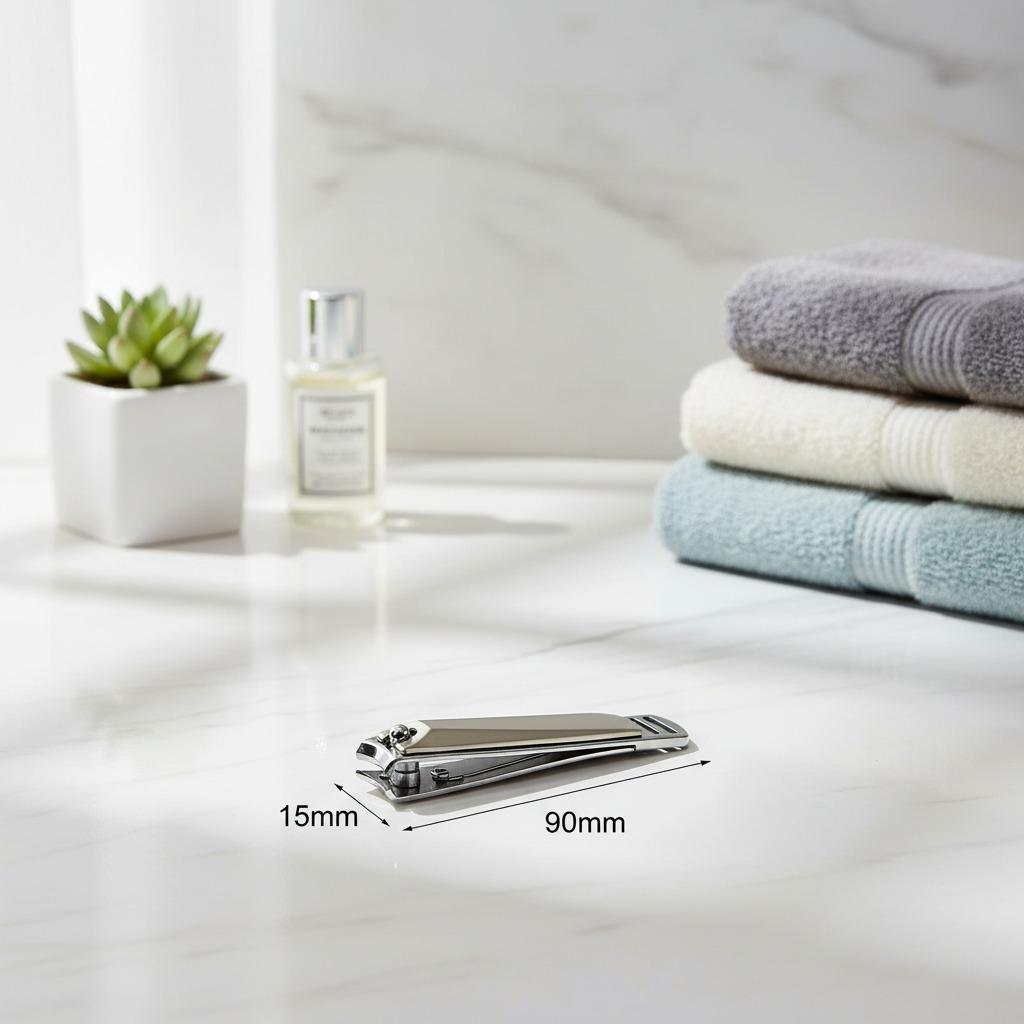
This guide explains how to evaluate nail clippers for professional and retail supply, using the Olimor Beauty nail clipper as the product focus. The tool shown here is designed with a metallic finish, ergonomic grip and stainless steel construction, with a compact size of 90 mm in length, 15 mm in width and a weight of 60 grams. Those details matter because they influence how the clipper feels in the hand, how easily it can be merchandised, and how confidently buyers can position it for home and professional nail care use.
Why Supplier Reliability Matters for Nail Clippers
Nail clippers are often purchased in volume, whether for retail shelves, salon resale, travel grooming kits or general beauty tool assortments. Because the item is familiar and affordable, end users may not read long instructions before using it. They simply expect it to clip cleanly, feel stable and remain dependable over time. If a batch arrives with inconsistent edge alignment, loose levers or rough finishing, the problem quickly becomes a customer-service issue for the buyer.
A reliable nail clipper supplier helps reduce that risk by paying attention to repeatability. For B2B buyers, repeatability is as important as the first sample. A sample may look acceptable, but the real test is whether later production maintains the same construction, finish, dimensions and usability. Before adding a nail clipper to your assortment, review how the product fits your customers and what controls are needed to keep quality consistent across orders.
Olimor Beauty focuses on beauty tools for business buyers who need dependable sourcing. You can review broader categories through beauty tool products or compare related items in product collections when building a complete nail care or grooming range.
Product Details That Affect Buyer Confidence
The Olimor Beauty nail clipper described on this page has a 90 mm length, 15 mm width and 60 g weight. These figures give B2B buyers a useful starting point. A 90 mm clipper is large enough to feel substantial, while still remaining compact for personal grooming kits, retail packaging and salon counters. The 60 g weight gives the tool a solid hand feel without making it bulky for everyday use.
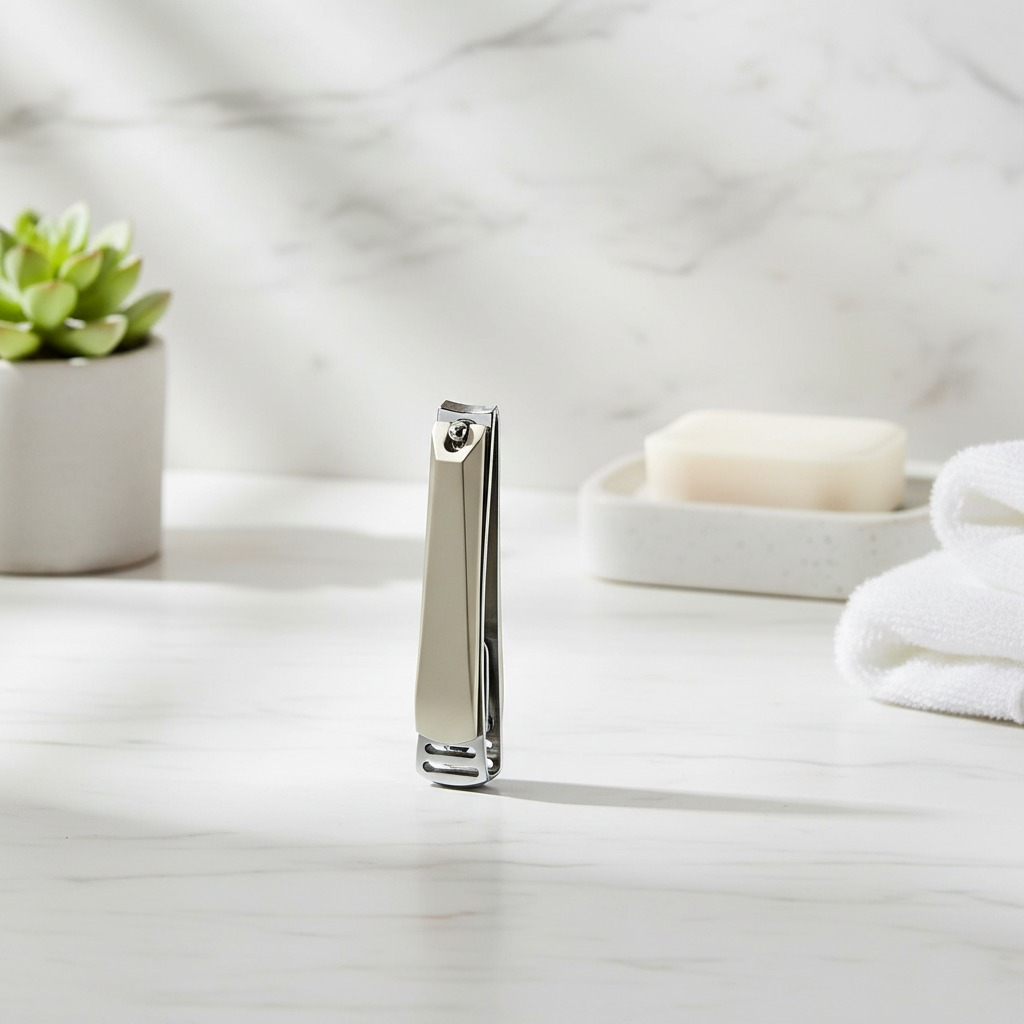
The stainless steel construction is also important. In nail care tools, buyers typically look for materials that support clean edges, simple maintenance and a polished appearance. A metallic finish can help the clipper look suitable for both professional and consumer settings, but finish consistency should always be checked in samples and production units. Look for even surfaces, no sharp burrs where fingers rest, and a lever that moves smoothly without excessive looseness.
The ergonomic grip is another practical feature. Nail clipping requires controlled pressure. If a clipper is too slippery, too thin or awkward to hold, the user may press at an uncomfortable angle. For salons and retailers serving a wide customer base, the grip should feel intuitive for different hand sizes. A clipper does not need complicated styling to perform well; it needs a stable hold, clean leverage and a cutting edge that meets properly.
B2B Selection Criteria for a Reliable Nail Clipper Supplier
When sourcing wholesale nail clippers, compare suppliers using criteria that go beyond general claims. The following checklist can help purchasing teams, brand owners and distributors make a more informed decision before committing to a larger order.
- Dimensional consistency: Confirm that the stated 90 mm by 15 mm size is appropriate for your packaging, display trays and customer expectations.
- Weight and balance: A 60 g clipper should feel stable in use. Check whether the weight distribution supports controlled clipping.
- Edge alignment: The cutting edges should meet evenly. Misalignment can cause tearing, uneven clipping or user frustration.
- Lever movement: The lever should open and close smoothly, without wobbling excessively or feeling stiff.
- Surface finishing: Inspect the metallic finish for scratches, stains, rough corners and inconsistent polishing.
- Grip comfort: Test the ergonomic grip with several users to understand comfort during real clipping motions.
- Packaging compatibility: Consider whether the clipper will be sold as a single tool, included in a grooming set or packed for wholesale distribution.
- Batch inspection plan: Define how samples, pre-shipment checks or receiving inspections will be handled for repeat orders.
These points help buyers evaluate the product in commercial terms. A nail clipper may appear simple, but the supply decision involves usability, appearance, stocking efficiency and after-sale satisfaction.
Use Cases: Retail, Salon Supply and Grooming Kits
Different B2B buyers need different product positioning. A retailer may prioritize shelf appeal and packaging size, while a salon supplier may focus on durability and daily handling. A grooming kit brand may need a compact tool that pairs well with files, tweezers or other personal care accessories. Understanding the use case will help you choose the right inspection points and presentation style.
For retail channels, the metallic finish and compact dimensions can support a clean, practical presentation. Customers usually want to see that the clipper is sturdy and easy to hold. If the product is displayed in clear packaging, the surface finish and lever shape become part of the buying decision.
For salon and professional resale, the priority is reliable performance. Professionals and regular users pay attention to whether the tool cuts smoothly and cleans easily. Stainless steel construction is a useful feature in this context, but buyers should still define handling and storage recommendations for their customers.
For grooming kits, size and weight become especially important. At 90 mm long and 60 g, the clipper can provide a substantial feel while remaining practical for inclusion in compact assortments. Buyers planning multi-tool kits should check how the clipper fits within the case, tray or pouch and whether movement during shipping could scratch the finish.
Quality Checks Before Placing a Wholesale Order
A structured evaluation process can prevent many common sourcing problems. Instead of approving a nail clipper based only on appearance, test it as a user would. Open and close it repeatedly, clip sample materials appropriate for evaluation, check the grip from different angles and inspect the underside where rough finishing may be missed.
- Review the physical sample: Confirm size, weight, finish, grip feel and lever movement.
- Check visual consistency: Compare multiple units, not just one sample, for surface and assembly differences.
- Test practical handling: Evaluate comfort for left-hand and right-hand use, even if the clipper is not marketed as specialized.
- Assess packaging needs: Decide whether the product requires individual protection to reduce scratches during transport.
- Define acceptance criteria: Put key points such as finish, alignment and movement into your purchasing notes.
For buyers who are developing a wider beauty tool line, it is also helpful to compare the nail clipper with related items for design consistency. If the clipper will be sold next to other grooming tools, the finish, size and packaging should feel like part of a coherent assortment rather than a random add-on.
Maintenance Guidance Buyers Can Pass to Customers
Even a well-made nail clipper benefits from proper care. B2B buyers can reduce customer complaints by including simple maintenance guidance in packaging, product pages or sales materials. Keep instructions concise and practical. Customers are more likely to follow care steps when they are easy to understand.
- Wipe the clipper dry after use, especially if it has been exposed to water.
- Store it in a clean, dry place to help preserve the metallic finish.
- Avoid dropping the tool, as impact can affect edge alignment or lever movement.
- Clean around the cutting area regularly to remove nail residue.
- Do not use the clipper on materials it was not designed to cut.
These simple points support a better user experience and help retailers or distributors present the product responsibly. They are also useful for customer service teams that need consistent answers to common care questions.
How to Start a Practical Sourcing Conversation
When contacting a supplier, the best inquiries are specific. Instead of asking only for a quotation, describe the sales channel, intended packaging, expected positioning and any inspection requirements. For example, a salon distributor may need different packaging from an e-commerce seller, even when the product itself is the same. Clear context helps align the product, packing method and order planning.
Olimor Beauty supports B2B beauty buyers looking for dependable nail care tools and related grooming products. If you are comparing options or planning a wholesale purchase, you can send an inquiry with your intended market and order needs. For broader questions about product selection or sourcing cooperation, you may also contact Olimor.
A reliable nail clipper supplier should help you build confidence before the product reaches your customers. By focusing on construction, handling, finish consistency, packaging compatibility and practical quality checks, buyers can choose nail clippers that fit both their brand standards and their customers’ daily grooming needs.
Tag: