

Professional Pedicure Tool Suppliers for Salons: A Practical Buying Guide
For a salon, pedicure tools are not small accessories. They affect service consistency, hygiene workflow, technician comfort, appointment speed, and the way clients judge the care they receive. Choosing the right professional pedicure tool suppliers is therefore a purchasing decision with daily operational consequences. A tool that feels balanced, cleans easily, and performs predictably can help technicians work more confidently. A poorly selected tool can slow service, create unnecessary replacement costs, and make even a skilled technician’s work harder.
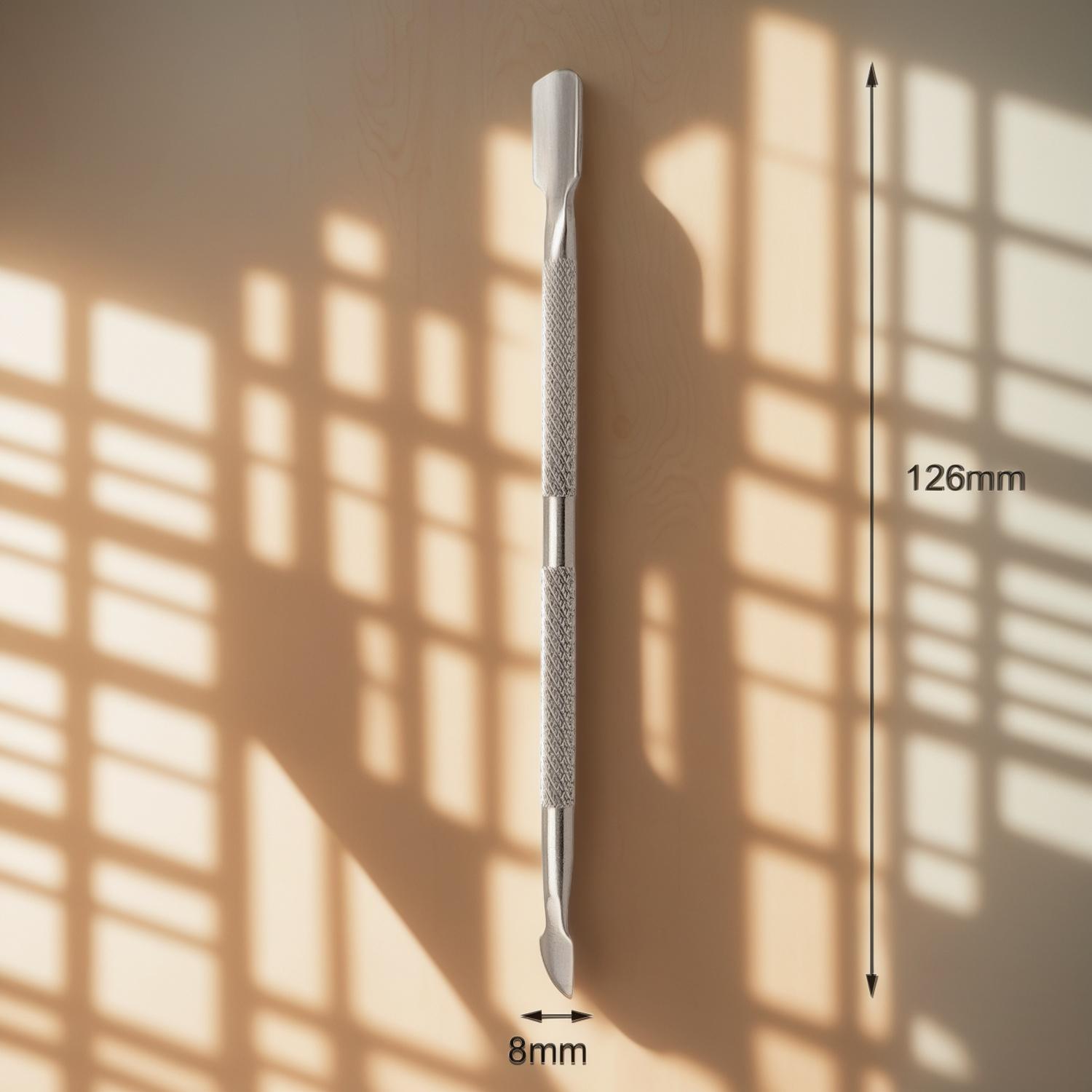
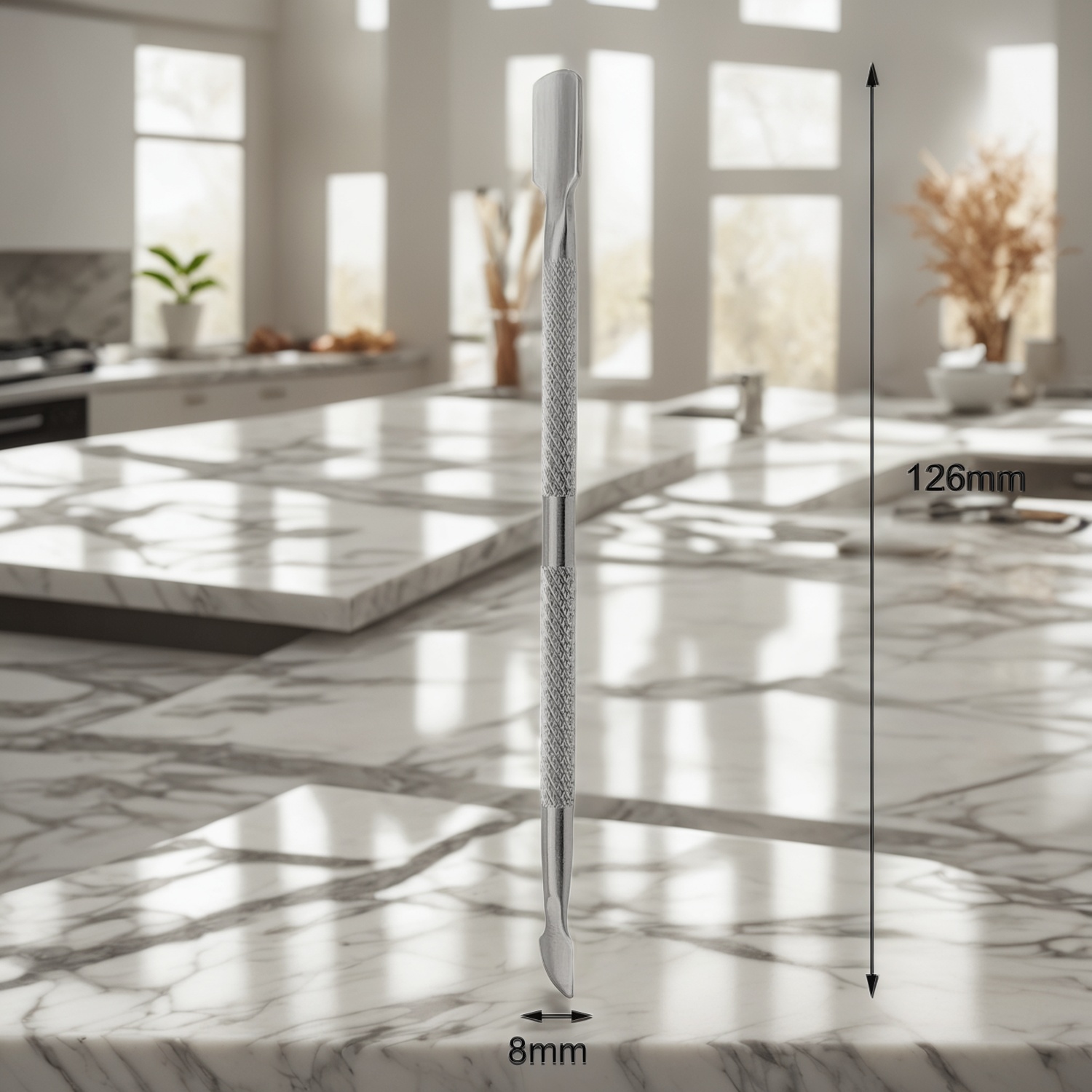
Olimor Beauty supplies professional beauty tools for salon and personal care use, including stainless steel tools such as the Dual-Ended Cuticle Pusher. When salons compare bulk beauty products for salons, the goal should not be to find the cheapest item on a list. The better goal is to build a dependable tool set that supports safe handling, repeatable performance, and a professional client experience over many appointments.
Why Supplier Choice Matters in Professional Pedicure Services
Pedicure services involve close detail work around toenails, cuticles, and surrounding skin. Tools need to be accurate enough for controlled work while remaining comfortable during a full schedule of appointments. A reliable supplier helps salons reduce variation between batches, maintain stock availability, and standardize the tools used across different technicians or branches.
Professional pedicure tool suppliers should be evaluated on more than a product photo. Salons should consider how the tool is designed for use, how it is made, how it is inspected, and how it arrives packaged. Olimor Beauty emphasizes technical excellence, precise manufacturing steps, and internal quality controls from material selection to final packaging. These points matter because small inconsistencies in shape, finish, or balance can affect the practical feel of a tool during service.
For buyers responsible for salon operations, supplier reliability also affects training. When each workstation uses a familiar tool type, technicians can build consistent habits. For example, a dual-ended cuticle pusher gives technicians two working ends in one implement, which can support efficient transitions during nail preparation. Salons can review additional options through Olimor’s beauty tool products page when comparing tool categories for manicure, pedicure, and personal care services.
What to Look for in Salon-Grade Pedicure Tools
A professional-looking tool is not always a professional-performing tool. When selecting personal care tools wholesale, salons should check practical characteristics that affect the user experience in a treatment room. Because detailed specifications may vary by item, the best approach is to use a structured evaluation method before committing to a larger order.
- Material suitability: Stainless steel is commonly preferred for professional nail tools because it is durable and compatible with regular salon cleaning routines when handled correctly.
- Surface finish: Edges, tips, and handles should feel smooth where they contact the hand or client. Rough areas can be uncomfortable and may trap residue.
- Functional shape: A cuticle pusher should support controlled pressure without forcing the technician into awkward hand positions.
- Balance and grip: The handle should be easy to control, especially when the technician is working on smaller toenails or detailed cuticle areas.
- Consistency across units: Bulk purchases should not create noticeable variation from one tool to the next. Consistency helps salons standardize service quality.
- Packaging condition: Tools should arrive in packaging that supports organized receiving, stock counting, and clean storage before use.
Olimor Beauty’s Dual-Ended Cuticle Pusher is described as a stainless steel tool designed for professional and personal users. For salons, a dual-ended format can be useful because it reduces the need to pick up multiple implements during preparation steps. However, the best tool is always the one that fits the salon’s service menu, technician preferences, and cleaning workflow.
How Bulk Buying Can Improve Salon Efficiency
Purchasing bulk beauty products for salons can make operations easier when done carefully. A salon that keeps enough tools available can rotate cleaned and ready-to-use implements without rushing reprocessing between clients. Bulk buying can also support consistent workstation setup, so every technician begins the day with the same basic tool set.
Efficiency does not come only from having more stock. It comes from having the right mix of tools, documented storage methods, and a clear replacement plan. Before placing a wholesale order, salon buyers should calculate how many tools are needed for normal appointment volume, how many are needed as backup during cleaning cycles, and how many should be held for unexpected demand or new staff onboarding.
A simple planning table can help clarify the purchase quantity before sending an inquiry:
| Buying factor | Why it matters | What to review before ordering |
|---|---|---|
| Number of pedicure stations | Each station needs a complete working set | Count active stations and mobile service kits |
| Daily appointment volume | Higher volume requires more rotation stock | Estimate peak-day pedicure bookings |
| Cleaning and drying time | Tools may be unavailable between uses | Match tool quantity to your hygiene workflow |
| Technician preferences | Comfort affects speed and precision | Test handle feel and working-end shape |
| Replacement cycle | Worn tools reduce service consistency | Plan periodic inspection and retirement |
Bulk purchasing is also a way to avoid mismatched tools over time. If a salon buys a few pieces from different sources whenever stock runs low, technicians may end up with inconsistent weight, grip, and working tips. A more organized wholesale approach helps the salon maintain a uniform service standard.
Quality Control Questions for Pedicure Tool Suppliers
When evaluating pedicure tool suppliers, buyers should focus on verifiable process questions. The purpose is not to create unnecessary paperwork, but to understand whether the supplier can repeatedly deliver tools suitable for professional use. Olimor Beauty notes internal quality controls from initial material selection to final packaging, which is the kind of process-oriented approach salons should look for in a long-term supplier.
Useful questions include: How are raw materials selected for the product category? What checks are performed during shaping and finishing? How is the final appearance inspected before packaging? Are tools checked for consistency across a batch? How are products protected for shipping and storage? These questions help buyers understand the supplier’s attention to detail without relying only on marketing claims.
For a salon group, spa, distributor, or training school, supplier communication is also important. Clear product information makes it easier to create staff guidance and purchasing records. If your team is comparing several tool types or needs help narrowing the options, you can contact Olimor with your intended use, expected order type, and product category requirements.
Using a Dual-Ended Cuticle Pusher in a Professional Setting
A dual-ended cuticle pusher is a common tool in nail preparation because it offers two functional ends in a single implement. In salon pedicure work, it may be used during preparation steps to help manage cuticle area work with control. As with any professional implement, the quality of the result depends on technician training, proper tool condition, and appropriate hygiene procedures.
When choosing this type of tool for a salon, look at the contour of each end and how naturally the handle sits in the hand. The tool should allow controlled movement rather than forceful pressure. Technicians should be able to see the working area clearly and adjust the angle of use without strain. If a tool requires excessive pressure to perform, it may not be the right fit for the service or may need replacement.
Salons should also separate purchasing decisions from technique decisions. A well-made tool supports professional service, but it does not replace training. Staff should follow the salon’s service protocols, local hygiene requirements, and client suitability checks. This is especially important in pedicure services, where client comfort and safe handling are central to a professional experience.
Maintenance and Storage for Longer Tool Life
Even durable stainless steel tools need proper care. Good maintenance protects the salon’s investment and helps ensure each service begins with tools in suitable condition. A daily tool care routine should be simple enough for staff to follow consistently, especially during busy hours.
- Remove visible residue after use: Do not allow product buildup to dry on the working ends or handle texture.
- Clean according to salon protocol: Use approved cleaning procedures and follow relevant hygiene rules for your location.
- Dry thoroughly before storage: Moisture left on tools or inside storage containers can shorten service life.
- Inspect working ends regularly: Look for deformation, roughness, dullness, or any change that affects control.
- Store by category: Keep cuticle pushers, nippers, files, and other implements organized to reduce damage from contact.
- Retire damaged tools promptly: A worn or compromised tool should not remain in professional rotation.
For multi-technician salons, it is helpful to assign responsibility for tool inspection at the beginning or end of each shift. This prevents damaged tools from being returned to circulation and makes replacement planning more predictable.
Building a Smarter Wholesale Pedicure Tool Program
A strong wholesale buying program starts with knowing what your salon actually uses. Review your most booked services, the tools required for each step, the number of staff members using them, and the rate at which tools are replaced. Then compare suppliers based on product relevance, consistency, packaging, and communication.
Olimor Beauty offers professional beauty tools for salons and personal care buyers, with attention to craftsmanship and quality checking. Salons interested in organizing their purchasing can browse product collections or send an inquiry with details about the tool categories they need. A clear inquiry should include the intended use, preferred tool type, estimated quantity range, and any packaging or sourcing considerations that affect your buying decision.
Professional pedicure tools should help technicians work accurately, keep stations organized, and provide clients with a consistent service experience. By choosing suppliers carefully, evaluating stainless steel tool quality, and maintaining a disciplined cleaning and storage routine, salons can turn everyday implements into a more reliable part of their service system.
Tag: