

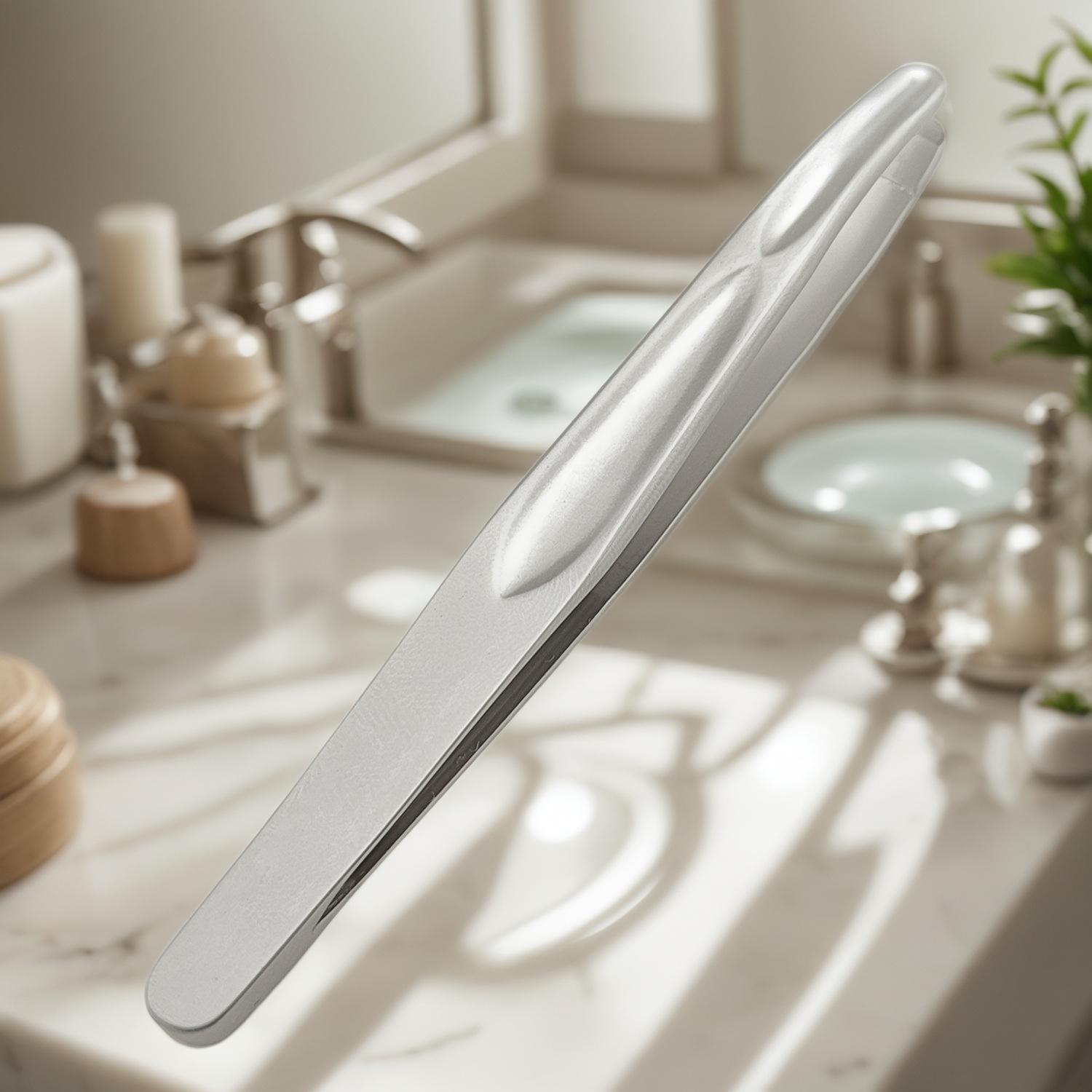
Tweezers for Eyebrow Shaping: How to Choose Precision Tools
Eyebrow tweezers look simple, but their performance depends on details that are easy to overlook: tip alignment, grip tension, edge finishing, hand comfort and material consistency. For beauty retailers, distributors, salon buyers and personal grooming users, the right tweezer can make brow shaping cleaner, faster and more controlled. The wrong one can slip on fine hair, pinch skin or lose its alignment after repeated use.
Olimor Beauty focuses on beauty tools designed for practical daily use, including tweezers for eyebrow grooming. Whether you are comparing products for a retail line, building a professional kit or selecting a dependable home grooming tool, understanding how tweezers are made and evaluated will help you choose with confidence.
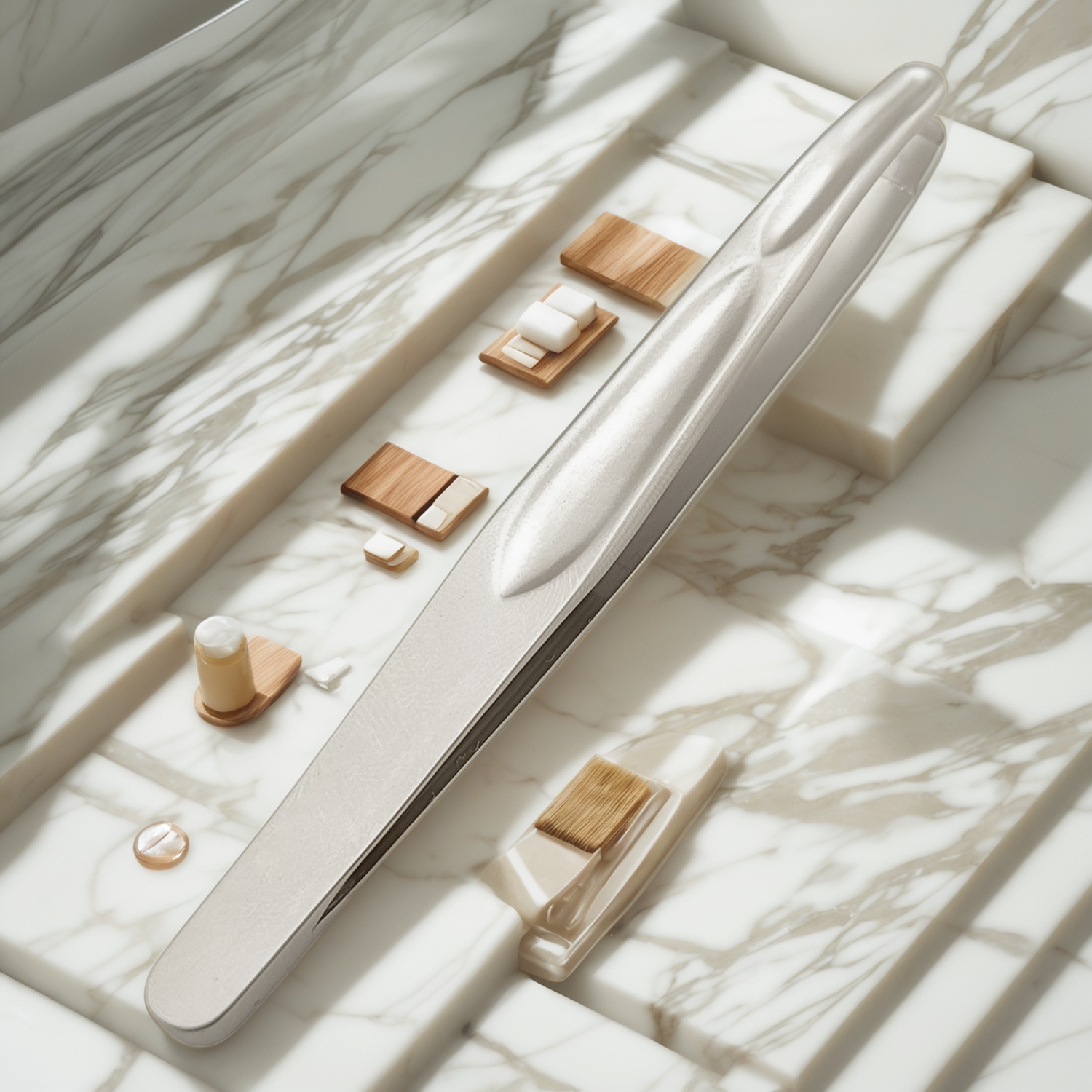
What Makes Eyebrow Tweezers Precise?
Precision is not only about having a sharp-looking tip. A good eyebrow tweezer must close evenly from both sides, grip a single hair near the root and release smoothly without dragging. This is especially important for brow work because the hair is often short, fine or angled close to the skin.
The most important performance factor is tip alignment. When the two tips meet cleanly, the tweezer can hold the hair securely with less hand pressure. If the tips are misaligned, the user may squeeze harder, which increases discomfort and can cause breakage instead of clean removal. For eyebrow shaping, clean removal matters because broken hairs can leave a shadow or uneven line.
Grip surface also affects control. The contact area should be fine enough to catch small hairs but finished carefully enough to avoid scratching the skin. A tweezer that is too blunt may fail to capture short regrowth, while one that is poorly finished may feel harsh during close brow work. The best choice is a balanced tool that grips firmly without feeling aggressive.
Key Selection Criteria for Beauty Buyers
If you are sourcing eyebrow tweezers for resale, salon use or private beauty assortments, evaluate more than appearance. Packaging and color may attract attention, but repeat customers judge the product by how it performs after several uses. A structured review process helps separate useful tools from products that only look good in photos.
| Selection point | Why it matters | What to check |
|---|---|---|
| Tip alignment | Determines whether the tweezer can grip fine brow hairs cleanly | Close the tips under light pressure and check that both sides meet evenly |
| Hand tension | Affects comfort during repeated plucking | The arms should spring back smoothly without requiring excessive force |
| Material choice | Influences durability and daily maintenance | High-grade stainless steel is a practical choice for beauty tools |
| Surface finish | Impacts feel, hygiene and perceived quality | Look for smooth edges, consistent finishing and no rough burrs |
| Inspection consistency | Reduces variation across bulk orders | Review how products are checked before packaging |
For buyers comparing multiple beauty tool categories, Olimor’s broader beauty tool products can help place tweezers within a complete grooming range. Tweezers often work well alongside lash tools, manicure tools and facial grooming accessories because they serve a frequent maintenance need.
Stainless Steel, Finish and Everyday Durability
The original value of a tweezer is precision, but its long-term value is consistency. A tweezer should not feel excellent on the first use and unreliable after a few weeks. That is why material selection and finishing are important manufacturing questions.
Olimor Beauty’s process begins with sourcing high-grade stainless steel, a material commonly preferred for grooming tools because it supports durability and is suitable for routine cleaning. Stainless steel alone, however, does not guarantee a good tweezer. The steel must be formed, finished and inspected carefully so the tips meet correctly and the tool feels stable in hand.
Finishing deserves close attention. Edges should feel smooth where the fingers hold the tweezer, while the tips should be refined enough for accurate hair capture. A rough edge can reduce comfort, and uneven finishing can make the product appear inconsistent on the shelf. For professional users and beauty enthusiasts, those small details influence trust in the tool.
When comparing products, avoid judging only by weight. A heavier tweezer may feel premium, but it is not automatically better for brow shaping. The more useful measure is control: can the user hold it steadily, close it comfortably and grip one hair at a time?
Choosing the Right Tweezer for Brow Tasks
Eyebrow grooming involves different tasks, from cleaning stray hairs beneath the brow to refining the arch or removing regrowth between appointments. The same tweezer can handle many of these tasks if it is properly aligned, but buyers should still consider the main use case.
- For everyday home grooming: prioritize comfort, easy grip and reliable alignment. A user may not have professional technique, so the tool should be forgiving and simple to control.
- For salon or brow-bar use: consistency matters because the tool may be used repeatedly throughout the day. Smooth tension helps reduce hand fatigue.
- For retail beauty assortments: choose tweezers that are easy to explain to customers. Clear benefits such as precise tip alignment, stainless steel construction and comfortable handling are easier to sell than vague claims.
- For travel or compact kits: consider protection for the tips. A tweezer that is tossed into a bag without protection can lose alignment or become dull.
Buyers planning a full grooming range can review Olimor’s product collections to think about how eyebrow tweezers fit with related tools. A well-planned collection helps customers buy tools for complete routines rather than one isolated item.
How to Use Eyebrow Tweezers with Better Control
Even a well-made tweezer performs best with proper technique. The goal is to remove unwanted hair cleanly while protecting the skin and maintaining the natural brow shape. Over-plucking is one of the most common mistakes, especially when users chase perfect symmetry too aggressively.
- Start with clean skin and a clean tool. Remove makeup or oil around the brow area so hairs are easier to grip.
- Brush brows into place. This reveals the natural shape and helps identify only the stray hairs that should be removed.
- Work in good lighting. Natural or bright even light reduces the chance of removing the wrong hair.
- Grip close to the root. Hold the hair firmly near the base and pull in the direction of growth.
- Step back often. Check the overall brow shape instead of focusing too long on one small area.
- Avoid aggressive reshaping. Remove obvious strays first; major shape changes are easier to overdo.
This method is useful for both home users and professionals explaining aftercare to clients. Clean technique also makes the product feel more effective because the tweezer is used in the way it was designed to perform.
Maintenance That Protects Tweezer Performance
Eyebrow tweezers are small tools, but they should still be maintained carefully. Proper care helps protect tip alignment, cleanliness and grip quality. After each use, wipe the tips to remove oil, skin residue or cosmetic product. Store the tweezer where the tips will not be crushed or bent by other tools.
Avoid dropping tweezers on hard surfaces. A small impact can shift the tips enough to affect grip, even if the damage is not obvious at first glance. If a tweezer suddenly stops catching fine hairs, tip alignment is often the reason. For retail or professional settings, protective packaging or a tip cover can help reduce avoidable damage during storage and transport.
Cleaning practices should be appropriate for the setting. Home users usually need simple routine cleaning, while professional environments may require stricter hygiene procedures based on local rules. The key is to keep the gripping area clean without using methods that damage the finish or deform the tips.
Manufacturing and Export Considerations
For wholesale and distribution buyers, the manufacturer’s process matters as much as the product sample. Olimor Beauty applies internal quality control through the production process, from material sourcing to manufacturing steps and final packaging. This approach is important because tweezers depend on small tolerances; a minor variation can affect how the tips close and grip.
When evaluating an eyebrow tweezer supplier, consider the following sourcing questions:
- How is tip alignment checked before packaging?
- Are surface edges inspected for roughness or burrs?
- Is the hand tension consistent across a batch?
- How are finished tweezers protected during packing and shipment?
- Can product appearance, packaging and assortment planning support your market needs without compromising tool performance?
Olimor Beauty serves global beauty tool needs with attention to production consistency and final inspection. For buyers preparing a product range, it is useful to share the target market, selling channel and expected use case early. A tweezer intended for professional brow services may be evaluated differently from one designed for a mass retail grooming kit.
If you are comparing options or planning a sourcing project, you can send an inquiry with your requirements, or contact Olimor for help reviewing suitable beauty tool directions.
Final Thoughts for Selecting Eyebrow Tweezers
The best tweezers for eyebrow shaping are not defined by one feature alone. They combine accurate tip alignment, comfortable tension, suitable stainless steel construction, careful finishing and consistent inspection. For users, that means cleaner hair removal and better control. For beauty buyers, it means fewer quality complaints and a stronger grooming tool offering.
Whether you are choosing a personal brow tool or sourcing tweezers for a wider beauty range, focus on practical performance. A reliable eyebrow tweezer should grip fine hairs without slipping, feel stable in the hand and hold up to regular use with proper care. Those details are what turn a simple grooming tool into a dependable part of everyday brow maintenance.
Tag: