

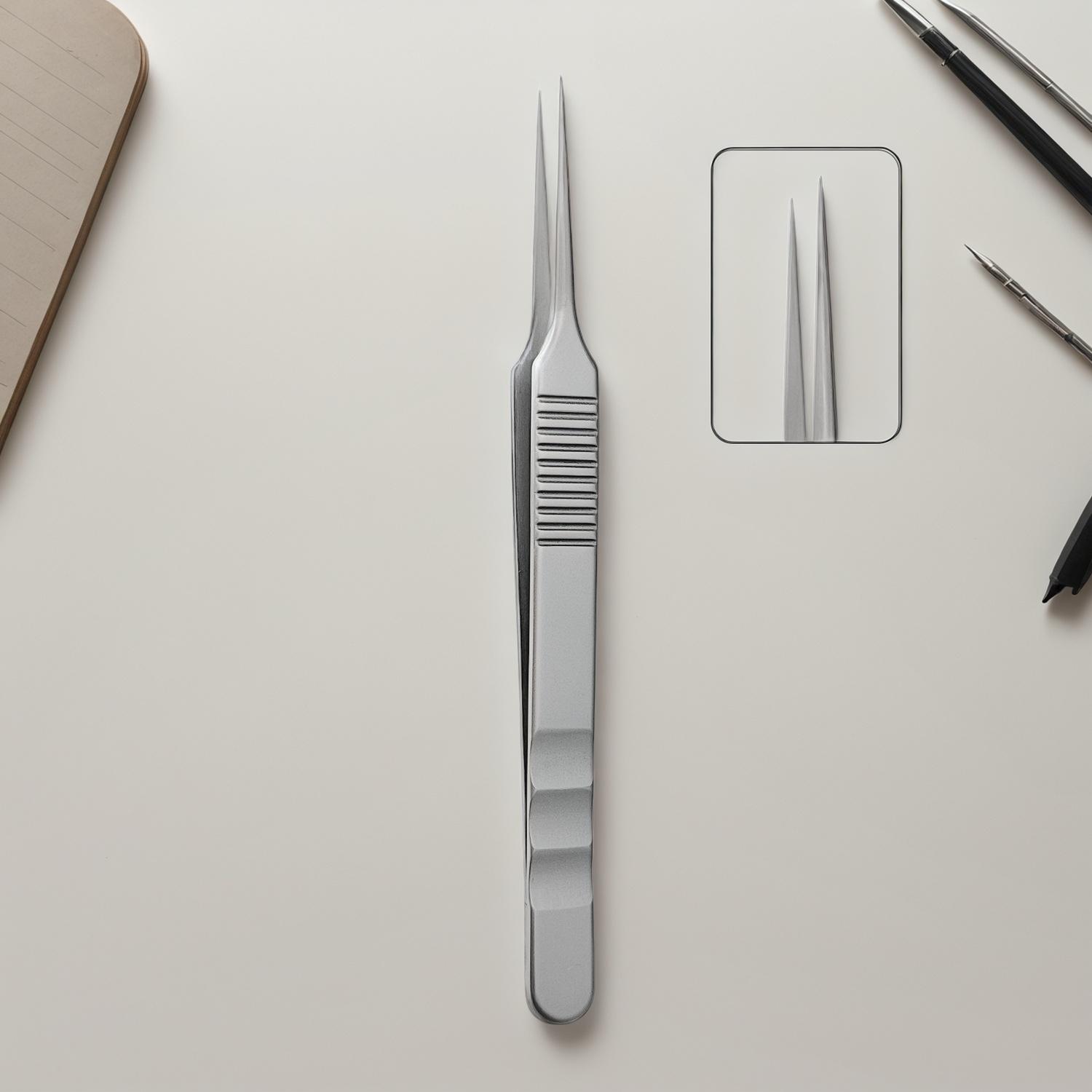
Low MOQ Precision Tweezers for Beauty Brands and Lash Professionals
Precision tweezers are small tools, but they can have a large effect on how clients judge a beauty brand. A tweezer that closes evenly, grips predictably and feels balanced in the hand makes lash placement, brow grooming and detail work more controlled. For emerging beauty brands, salons, lash educators and independent professionals, the challenge is not only finding a good tweezer. It is finding a reliable manufacturing partner without being forced into an order size that creates unnecessary inventory risk.
Olimor Beauty supports buyers who need professional-grade tweezers with low MOQ options, making it easier to test a product concept, launch a focused retail line or supply a team without committing to an oversized purchase. This is especially useful for brands that want to evaluate shape, finish, packaging and user feedback before expanding into larger wholesale or OEM programs. The goal is not simply to buy a metal tool; it is to choose a tweezer that fits the work, the customer and the long-term sourcing plan.
Why Low MOQ Matters When Sourcing Tweezers
Minimum order quantity can determine whether a new beauty tool project is practical. High order requirements may tie up cash in stock that has not yet been tested with customers. Low MOQ tweezers give buyers more flexibility: a lash studio can standardize tools for staff, a retail brand can introduce one hero product, and an educator can prepare training kits without taking on a warehouse-level inventory commitment.
Low MOQ is also useful during product validation. A buyer may need to compare several tweezer styles, check how users respond to the grip, or confirm whether the tool matches a brand’s positioning. A smaller initial run allows a more careful launch. Once the tool has been tested through daily use, customer reviews or professional feedback, the buyer can decide whether to reorder, adjust the design direction or move into a broader OEM plan.
For buyers reviewing beauty tool products, the practical question is not only “How low is the MOQ?” It is “Can the supplier still maintain consistent quality at this order size?” Tweezers require precise contact between tips, clean finishing and reliable tension. A flexible order policy is valuable only when it is supported by careful manufacturing and inspection.
What Defines a Reliable Precision Tweezer
A quality tweezer should feel controlled from the first pinch. The tips need to meet accurately, the arms should return smoothly, and the tool should not require excessive pressure. Olimor Beauty focuses on professional-grade tweezers made with high-quality stainless steel, ergonomic design and internal quality control from raw material inspection to final packaging. These points matter because even a minor issue in alignment or finish can change how the tool performs during close detail work.
For lash applications, tip shape is especially important. False Lash Tweezers from Olimor Beauty are described with ultra-fine tips and a balanced design, which are useful characteristics for isolating, picking up and positioning delicate lash materials. A balanced tool can reduce hand fatigue during long appointments, while fine tips can help users work in tighter areas with greater visibility.
When comparing tweezer samples or planning a private label order, buyers should examine the following performance areas:
- Tip alignment: The tips should meet evenly without crossing, twisting or leaving a visible gap at the contact point.
- Grip consistency: The tweezer should hold small hairs, lash fibers or detail materials without slipping when reasonable pressure is applied.
- Hand feel: The body should sit comfortably in the hand and allow repeated use without awkward strain.
- Tension: The spring feel should match the task. Too stiff may cause fatigue; too loose may reduce control.
- Surface finish: Edges should feel clean and smooth, with no rough areas that distract the user or interfere with handling.
- Packaging readiness: If the tweezer is intended for retail, the presentation should protect the tips and support the brand position.
Choosing Tweezer Styles for Lash, Brow and Retail Use
The best tweezer for one user may not be the best tweezer for another. Lash artists often prioritize ultra-fine tips, grip reliability and balanced handling. Brow professionals may care more about tip precision, comfort and clean hair removal. Retail customers may judge both performance and presentation, especially if the tweezer is sold as part of a beauty care range.
Before placing an order, define the primary use case. A professional lash tool should be tested in realistic working conditions, not only inspected visually. A brow tweezer should be evaluated for how well it removes fine and short hairs. A retail tweezer should be checked for product consistency across units, because customers will expect the same experience no matter which item they purchase.
Use this simple decision table when narrowing the sourcing direction:
| Buyer type | Main priority | What to check first |
|---|---|---|
| Lash studio or lash artist | Control during isolation and placement | Tip fineness, grip, balance and hand fatigue during longer sessions |
| Brow salon | Clean hair removal and comfort | Tip closure, edge smoothness and tension |
| Beauty retail brand | Consistent customer experience | Unit-to-unit quality, packaging protection and visual finish |
| Training provider | Reliable tools for learners | Ease of handling, durability and repeatable performance |
| OEM buyer | Brand alignment and scalable sourcing | Customization options, inspection process and reorder planning |
OEM and Wholesale Considerations for Emerging Brands
Olimor Beauty serves as a tweezers manufacturer, supplier, wholesaler and OEM partner. This is useful for buyers at different stages. A small professional team may want a dependable batch of standard tweezers. A growing brand may want custom presentation that aligns with its visual identity. A wholesaler may need a streamlined procurement process for repeat purchases.
OEM sourcing should begin with clear product requirements. Even when the final details are still being developed, buyers should prepare a brief that explains the intended user, sales channel, preferred tool style and packaging direction. This helps avoid vague sampling, where several products are reviewed without a clear success standard.
A practical OEM brief for tweezers may include:
- The main application, such as lash work, brow grooming or general beauty retail.
- The preferred tweezer style or reference sample, if available.
- Performance expectations, especially tip closure, grip and hand feel.
- Branding needs, including logo placement or packaging direction if relevant.
- Target market, such as professional salon use, training kits or retail customers.
- Order planning, including whether the first run is for testing, launch or restocking.
For buyers still exploring product types, Olimor’s product collections can help frame the conversation around related beauty tools and procurement options. If a project already has a defined scope, it may be more efficient to send an inquiry with the intended application and order plan.
Quality Control Questions Buyers Should Not Skip
Tweezers look simple, but quality depends on details that are easy to overlook. Olimor Beauty states that internal quality control is enforced throughout the production process, including raw material inspection and final packaging. Buyers should still evaluate samples and define inspection expectations before confirming an order, especially when purchasing for professional or retail use.
Start by checking whether the tips meet cleanly under normal pressure. Then test the tool with the materials it will actually handle. For lash tweezers, that may mean testing pickup and placement. For brow tweezers, it may mean testing fine hair removal. The tool should perform consistently, not only look good in product photos.
Packaging is also part of quality. Fine tips can be damaged if they are not protected during storage and shipping. Retail packaging should hold the tool securely and present it clearly, while professional bulk packaging should still prevent tip deformation. If the tweezer is intended for resale, inspect barcode placement, labeling space and protection before approving a larger run.
Care and Handling to Protect Tweezer Performance
Even well-made precision tweezers need proper handling. Fine tips can be affected by drops, side pressure or careless storage. For salons and lash professionals, creating a simple tool care routine can extend usability and keep performance consistent across appointments.
- Store tweezers with tip protection when not in use, especially ultra-fine lash tweezers.
- Avoid using precision tweezers for non-beauty tasks that may bend or dull the tips.
- Clean tools according to the hygiene practices required for the service environment.
- Do not throw tweezers loosely into drawers or kits where the tips can hit hard objects.
- Check alignment regularly and remove damaged tools from professional use.
For brands selling tweezers to end users, care instructions can reduce avoidable complaints. A short insert or clear packaging note can explain that precision tips should be protected from impact and used only for their intended beauty purpose.
Building a Smarter Low MOQ Tweezer Program
A successful low MOQ order should support a larger business decision. It may confirm that a certain tweezer style works for a lash team, that customers respond to a retail product, or that an OEM concept is ready for refinement. The advantage of working with a direct manufacturer such as Olimor Beauty is the ability to connect product selection, production understanding and sourcing flexibility in one process.
When planning your first order, focus on function before decoration. Confirm tip performance, comfort and consistency. Then review branding, packaging and reorder strategy. If the tweezer will represent your brand, it should meet both practical and presentation expectations.
Low MOQ precision tweezers are especially valuable for buyers who want to move carefully without sacrificing product quality. With professional-grade stainless steel tools, ergonomic design, strict internal quality control and OEM support, Olimor Beauty gives beauty professionals and growing brands a practical route from sample evaluation to market-ready supply. To discuss a project, compare options or prepare a sourcing brief, you can contact Olimor with your intended application and order goals.
Tag: