

Precision Tweezers for False Lash Application: Selection, Sourcing and ODM Guidance
False lash application depends on small movements: lifting a strip lash without bending it, placing the band close to the lash line, adjusting the outer corner before adhesive sets, and pressing the lash into position without pinching the skin. A well-made pair of tweezers for false lash application gives the user control over each of those steps. For beauty retailers, salons, lash educators and private-label brands, the same tool also has to be consistent, durable and presentable enough to support repeat customer trust.
Olimor Beauty focuses on beauty tools that combine practical handling with dependable production control. The original product information highlights ergonomic design, high-quality stainless steel and internal inspections from raw materials to final packaging. Those details matter because lash tools are handled at close range, used repeatedly, and judged immediately by how cleanly they grip and release. This guide explains what to look for when selecting precision tweezers, how to evaluate wholesale sourcing, and how ODM decisions can shape a differentiated lash tool line.
Why the Right Tweezers Matter for False Lash Placement
False lash application is not only about adhesive and lash style. The application tool affects visibility, pressure and placement angle. Fingers can block the view of the lash line and may press unevenly on a delicate lash band. A precision tweezer allows the user to hold the lash at the center or outer edge, position it closer to the natural lash line, and make small corrections before the adhesive fully grips.
For home users, this can reduce frustration and make the process feel more controlled. For professionals, it supports repeatable technique across clients. For retailers, it creates a product that is easy to demonstrate: when the tweezer grips the lash securely and releases cleanly, the benefit is immediately visible. That is why lash tweezers should not be treated as a generic accessory. They are a key part of the application experience.
Key Selection Criteria for False Lash Tweezers
When comparing tweezers for false lash application, focus on how the tool performs in hand rather than relying only on appearance. A polished or gradient finish may help with retail appeal, but the practical features determine whether users will keep reaching for the tool.
- Tip alignment: The tips should meet evenly so the lash band can be held without sliding. Poor alignment makes placement unpredictable.
- Grip and release: The tweezer should grip the lash securely but release without tugging or pulling adhesive out of position.
- Ergonomic shape: An ergonomic design helps users maintain control during close-up work, especially when adjusting inner and outer corners.
- Material choice: The supplied information identifies high-quality stainless steel, a practical choice for durability and routine cleaning.
- Surface finish: Edges and contact areas should feel smooth, with no rough points that could damage lash fibers or irritate skin.
- Balance and hand feel: A tool that feels stable can support more accurate placement, especially for beginners or high-volume professional use.
For buyers building a retail or professional assortment, it is worth testing the tool with different lash formats: soft cotton bands, thicker strip lashes and individual cluster styles if they are part of your customer offering. The best choice is the one that works consistently across your real use cases.
Stainless Steel, Ergonomics and Daily Tool Performance
Stainless steel is a common preference for beauty tools because it can support a clean, durable finish when properly manufactured. For lash tweezers, material consistency affects more than longevity. It can influence how the arms flex, how the tips maintain alignment, and how easy the tool is to wipe after use. Since the original product information specifies high-quality stainless steel, buyers can treat this as a central product feature when comparing options for professional or retail use.
Ergonomics should also be evaluated carefully. False lash placement often requires the wrist to stay steady while the fingers make small pressure adjustments. If a tweezer is awkward to hold, too stiff, or too slippery, the user may overcorrect and place the lash too high, too low or at an uneven angle. An ergonomic tweezer can help reduce hand strain and improve confidence, particularly for salon staff, makeup artists, beauty students and consumers still learning the technique.
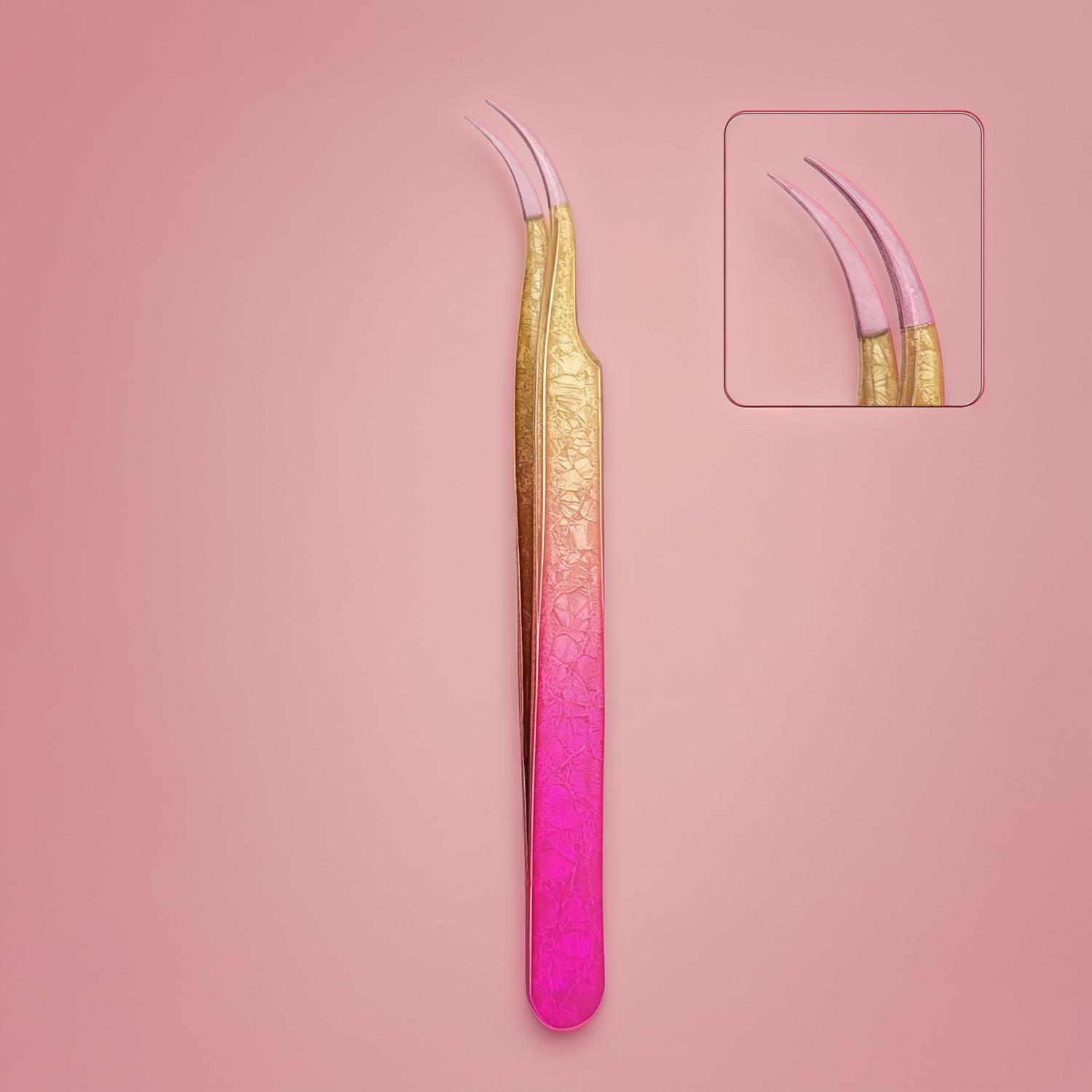
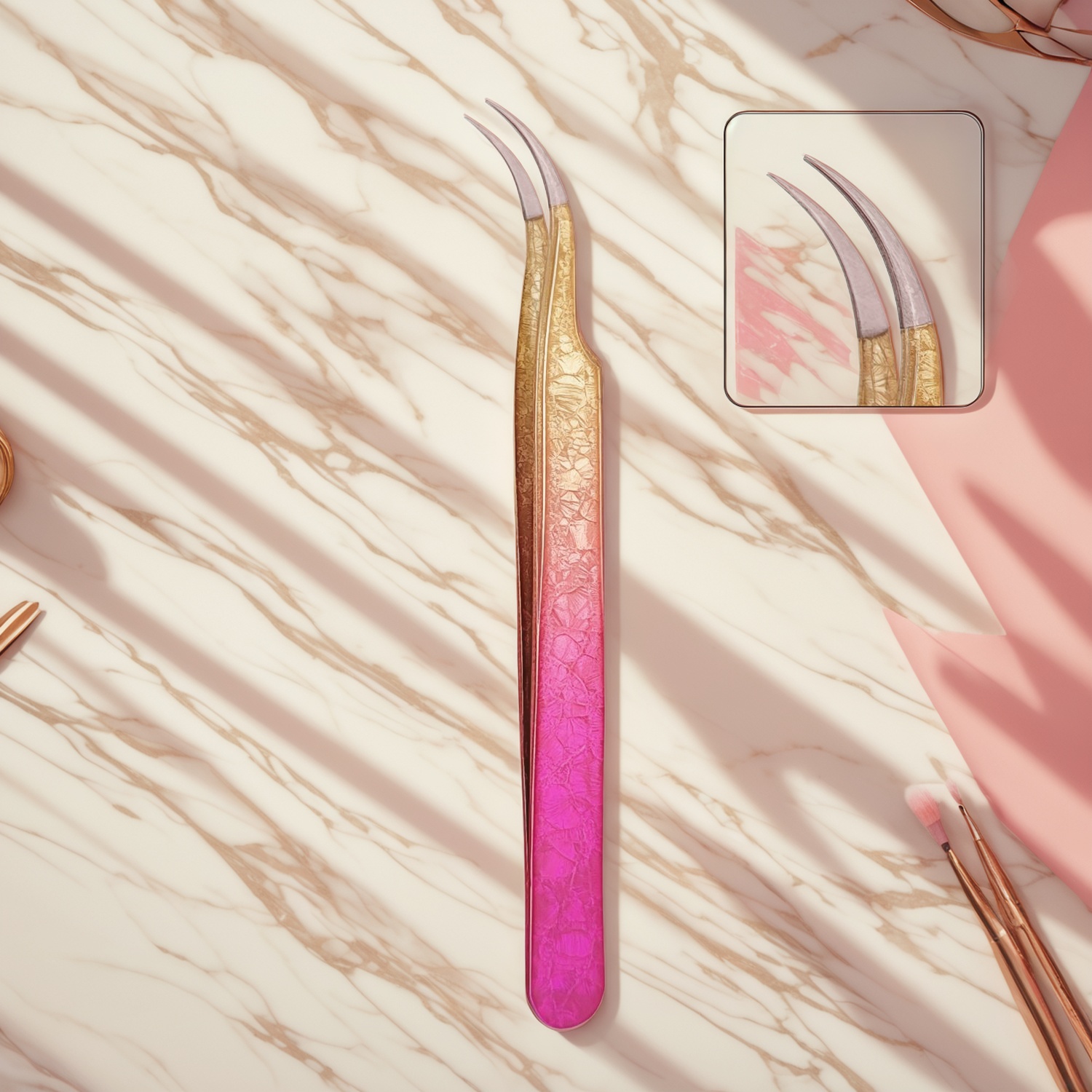
One design referenced in the supplied product information is the three-pronged gradient designer tweezer. For buyers, this points to two different evaluation areas: visual differentiation and functional contact. A distinctive finish can help a tool stand out in merchandising, while the pronged structure should still be assessed for stability, comfort and suitability for the type of lashes being applied.
How to Buy Tweezers Wholesale with Fewer Quality Risks
For beauty professionals and retailers, buying tweezers wholesale is not simply a price comparison. The product must arrive consistently, present well in packaging, and perform reliably across a full batch. A small defect in tip alignment or finishing can lead to returns, poor reviews or professional dissatisfaction. The original product information notes that Olimor Beauty applies internal inspections from raw materials to final packaging. That kind of process focus is important because the most visible quality issues often appear at the smallest contact points.
Before committing to a wholesale purchase, create a practical sample evaluation process. Instead of looking at one piece only, check multiple samples and use them in real application movements. A short checklist can make the review more objective:
- Inspect the tips under bright light to confirm they meet evenly.
- Pick up several lash band types and check whether the grip feels secure.
- Release the lash band and confirm it does not stick, snag or twist.
- Hold the tweezer for several minutes to judge comfort and pressure.
- Wipe the surface and check for rough edges, discoloration or residue traps.
- Review packaging presentation if the tool will be sold directly to consumers.
If you are comparing multiple beauty tools for a store, salon or distributor program, you can review broader options through Olimor beauty tool products or browse relevant product collections. Matching lash tweezers with complementary items can also help create a more coherent retail offer.
ODM Considerations for a Private-Label Lash Tool Line
Tweezers ODM services are useful for brands that want a tool line with its own look, hand feel or packaging direction. ODM does not mean changing every detail. Often, the strongest projects begin by defining the user problem clearly: better control for beginners, a more professional presentation for lash studios, a distinctive finish for retail shelves, or a coordinated beauty tool set.
When planning an ODM tweezer project, start with decisions that affect both use and brand positioning. These may include the tweezer shape, finish direction, packaging format, and whether the product should feel more minimal, salon-focused or giftable. Avoid making design choices based only on photos. A lash tweezer has to be tested in hand, because pressure, balance and tip contact determine whether the final product satisfies users.
A useful ODM brief can include the following points:
- Target user: home lash users, makeup artists, salons, retailers or training academies.
- Main use case: strip lash placement, corner adjustment, lash pressing or general false lash handling.
- Preferred visual direction: classic stainless appearance, gradient finish or another approved design direction.
- Packaging needs: retail display, salon supply, kit inclusion or private-label presentation.
- Quality priorities: tip alignment, smooth finishing, consistent grip and final packaging inspection.
Brands exploring custom beauty tool development can send an inquiry with their project goals or contact Olimor to discuss sourcing direction. Keeping the brief specific helps the manufacturer understand the desired user experience without relying on vague style references.
Maintenance Tips for Longer Service Life
Even a well-made tweezer performs best when handled and stored correctly. Lash tools come into contact with adhesive, cosmetics and skin oils, so a simple maintenance routine is important for both hygiene and performance. Users should wipe the tweezer after application, remove adhesive residue before it hardens, and store the tool where the tips will not be bent or damaged. If the tweezer is used in a professional environment, cleaning practices should follow the applicable hygiene rules for that service setting.
Tip protection is especially important. Dropping a tweezer onto a hard surface can affect alignment, even if the rest of the tool appears undamaged. Retailers and salons can reduce problems by educating users at the point of sale or in training materials. A small care card or clear usage note in packaging can reduce avoidable returns and improve customer satisfaction.
Choosing a Supplier for Reliable Beauty Tool Programs
The right supplier should understand both the product and the commercial context. A lash tweezer for a professional kit may require a different presentation than one sold as an impulse retail item. A private-label project may need stronger attention to finish, packaging consistency and sample approval. A salon replenishment order may place greater emphasis on repeatable performance and practical handling.
Olimor Beauty positions its work around precision manufacturing, ergonomic design and internal quality inspection. For buyers, the practical next step is to define the tool’s role in the assortment, test samples with real lash application tasks, and confirm that the final product supports the customer experience you want to deliver. Whether you are sourcing tweezers for false lash application, comparing wholesale options, or developing an ODM line, the strongest choice is the tool that combines reliable grip, comfortable control and consistent finishing from piece to piece.
Tag: